Close
Login Register
Search
  • About
    • What We Do
    • Who We Are
    • FAQs
  • Our Writing
    • Explainers
    • Essays
    • Letterbox
    • Reports & More
  • Podcasts
  • Our Events
  • Projects
    • Power In The Food Systems
    • Local-Global Scale Project
    • MEAT: The Four Futures Podcast
    • Fuel To Fork
    • Nature
    • Reckoning with Regeneration
    • SHIFT
    • Rethinking the Global Soy Dilemma
  • Resources
  • Opportunities
    • Jobs
    • Funding
    • Courses
    • Collaborations
    • Events
  • Newsletter
  • TABLE (EN)
Search
Back

Meat

Image
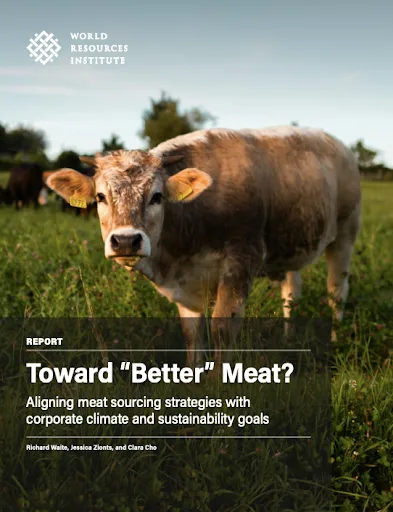
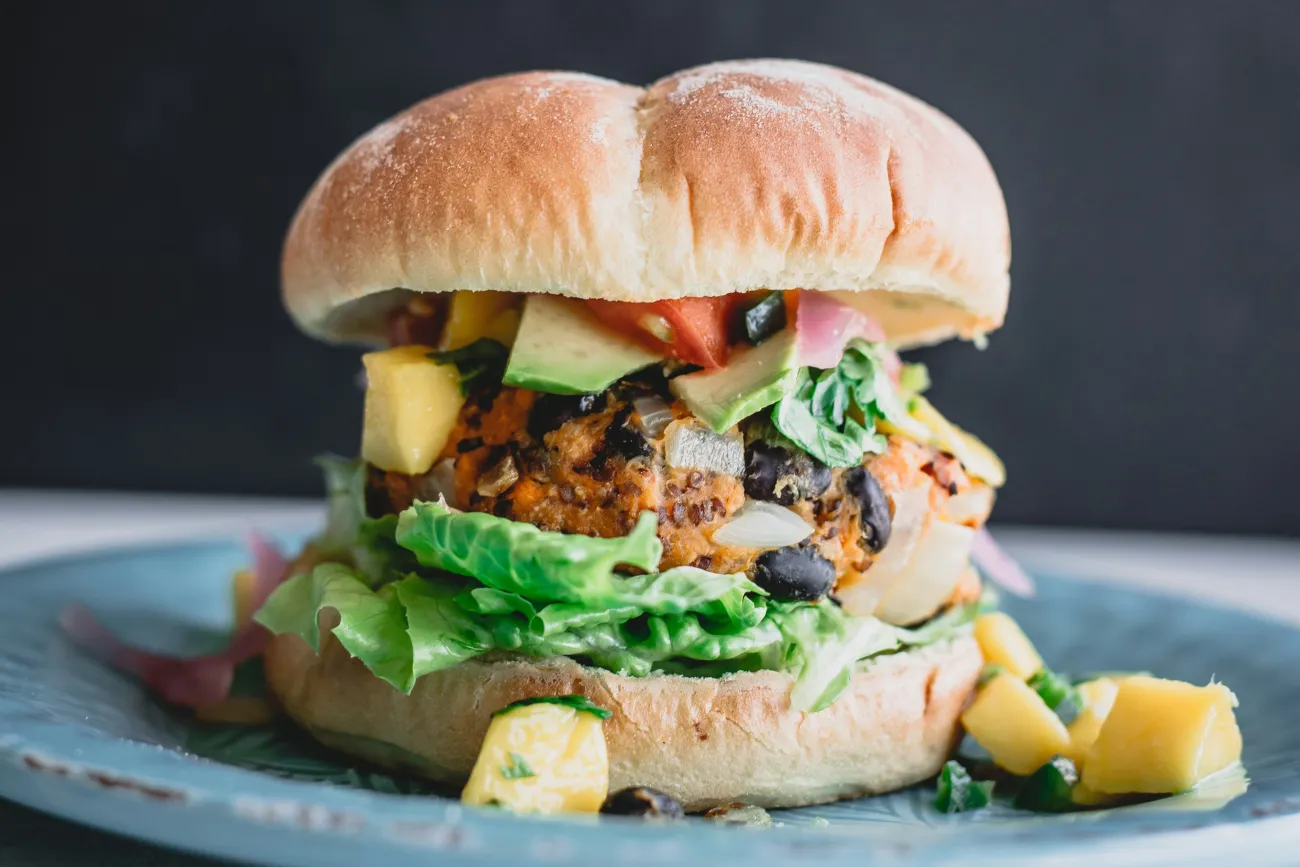
Image: image of a plant-based burger in front of a dark background. Photo by Deryn Macey via Unsplash
Journal articles
Funding, metrics, geographies and gaps of animal-based beef
This article investigates the current state of nutrition and sustainability of plant-based and animal-sourced products, mainly beef. It reflects upon the different metrics used in research and how they impact research results, narratives and policies. From the literature they reviewed, the authors found there to be a consensus that plant-based beef generates fewer greenhouse gas emissions than conventionally reared beef. They found it is more difficult to make nutritional comparisons due to the variability in plant-based beef products. Comparisons mainly focus on nutritional content, water use, land use and greenhouse gas emissions, but exclude social and economic sustainability. The authors highlight the impact of funding sources on the type of metrics chosen and call for more independent analysis focusing on a wider range of metrics.
Read
Image
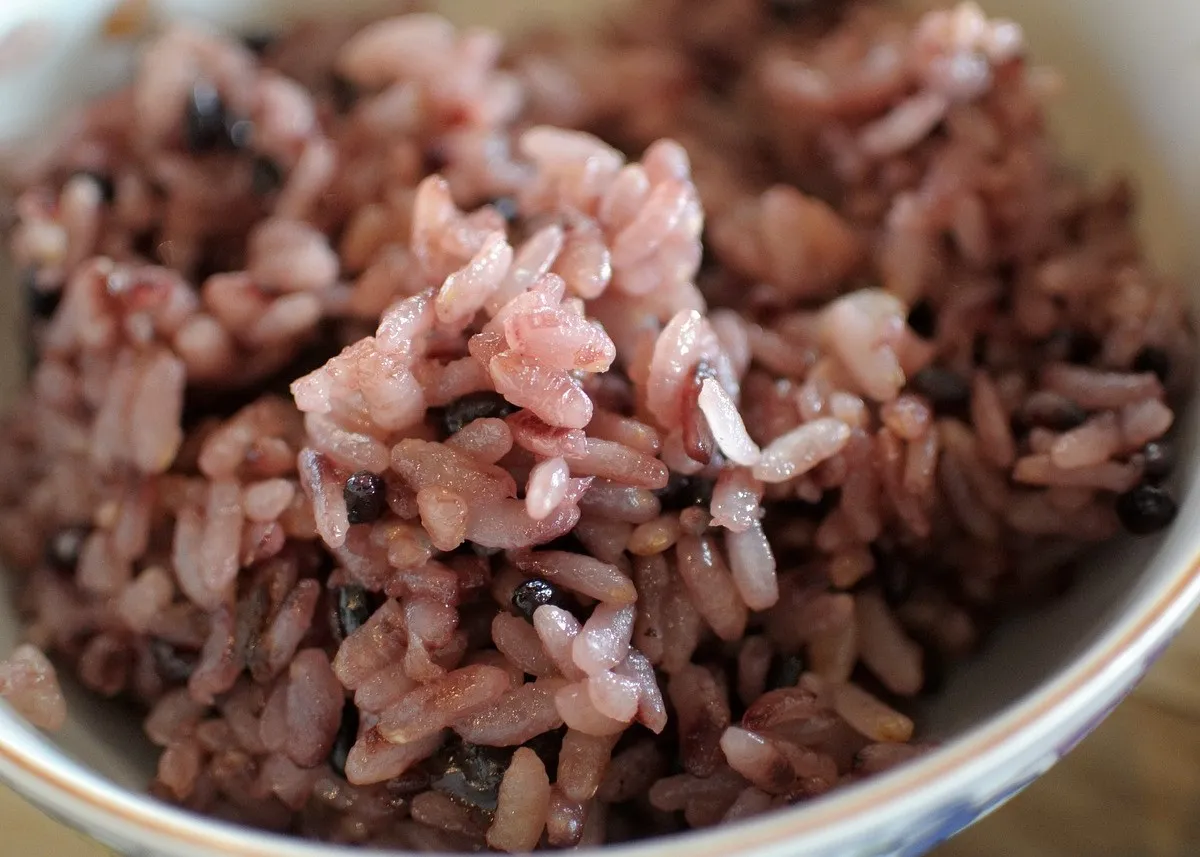
Image: bowl of cooked red rice. Photo by jirreaux via Pixabay
Journal articles
Rice grains integrated with animal cells
A new study has combined rice grains and animal nutrients using cow cells to produce a hybrid food or “rice-based meat”. The authors contribute to a growing area of future food research exploring scaffolding technology for cell-cultured meat products and suggest rice as an alternative scaffold to more common soy or nut-based scaffolds. 
Read
Image
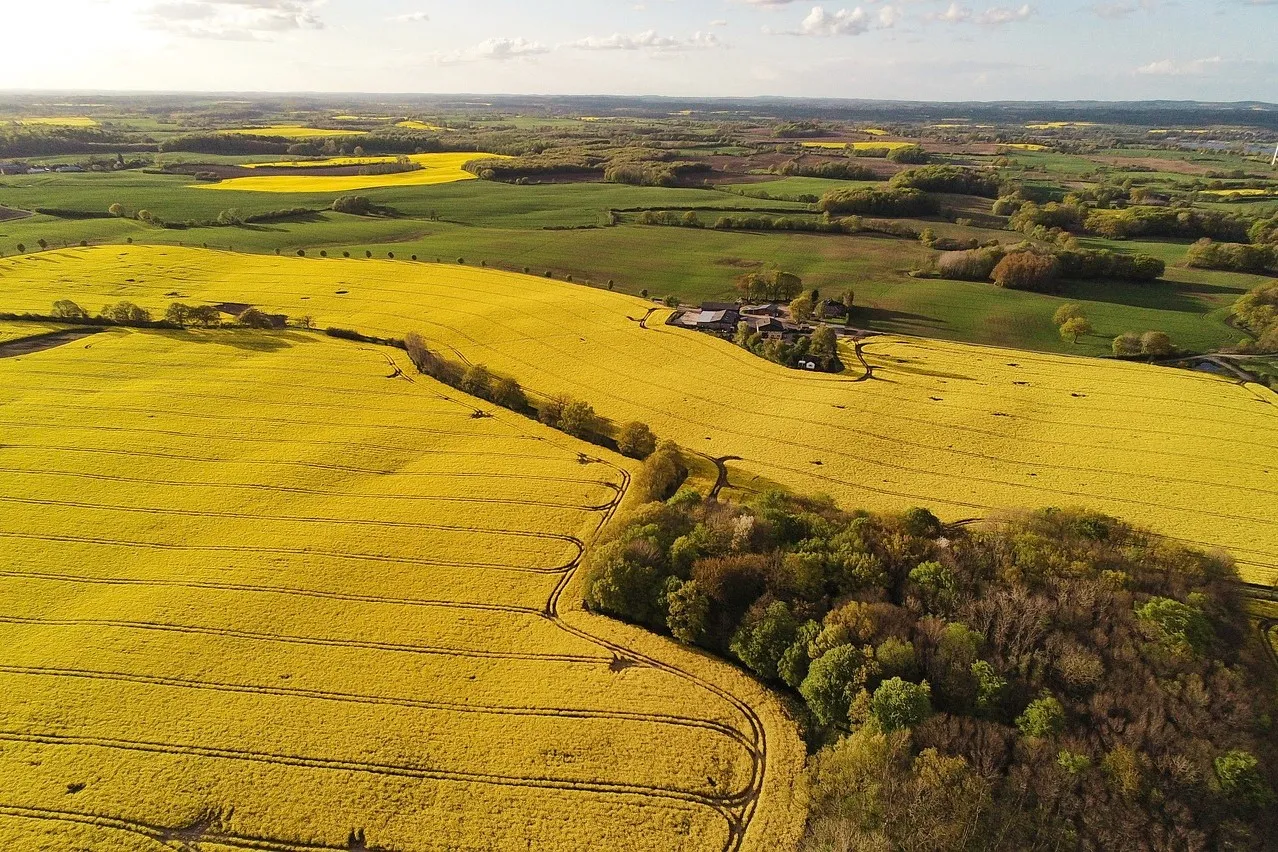
An aerial view of an agricultural landscape with pastures, fields of oil rape seed and forests. Photo by rainerh11 via pixabay
Journal articles
Potential unintended consequences of agricultural land use change driven by dietary transitions
This review article focuses on the practical implications for livestock farmers and their pastures of a shift towards a plant-based diet in the UK. The authors argue that the majority of pastures are unsuitable for conversion to arable land because of their soil type, making them unreliable sites for plant-based protein production.
Read
Image
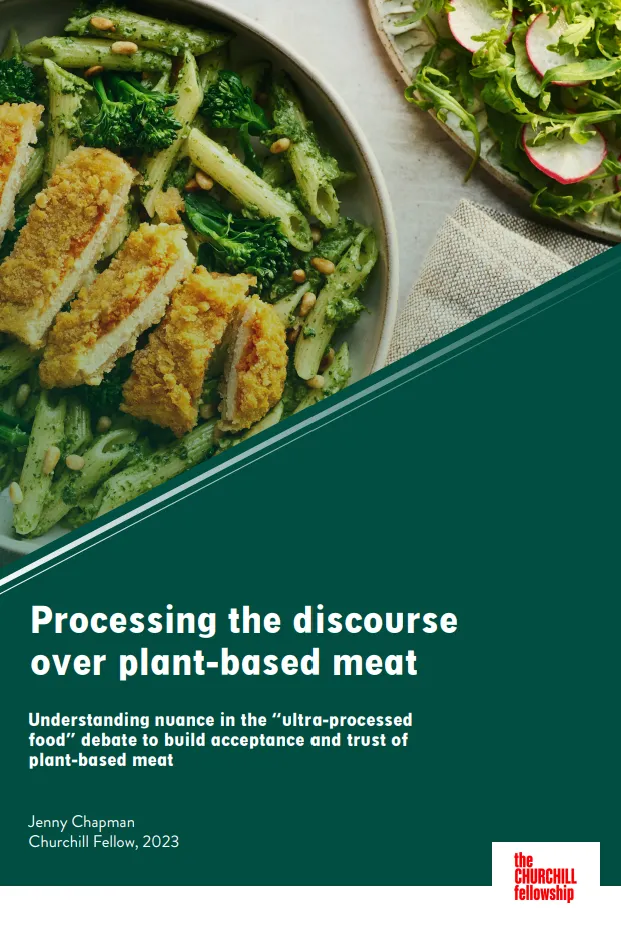
Front cover for report titled Processing the discourse over plant-based meat from the Churchill fellowship.
Reports
Processing the discourse over plant-based meat
This report, written by Jenny Chapman from the Churchill Fellowship, a UK fellowship programme which supports innovation across multiple fields and sectors, details concerns surrounding plant-based meat being “ultra-processed”. The author highlights how the “ultra-processed food” category, designed to identify if a food has been made in a factory or not, is being incorrectly used in nutrition science circles and has been used to suggest that all plant-based meat products are unhealthy.
Read
Image
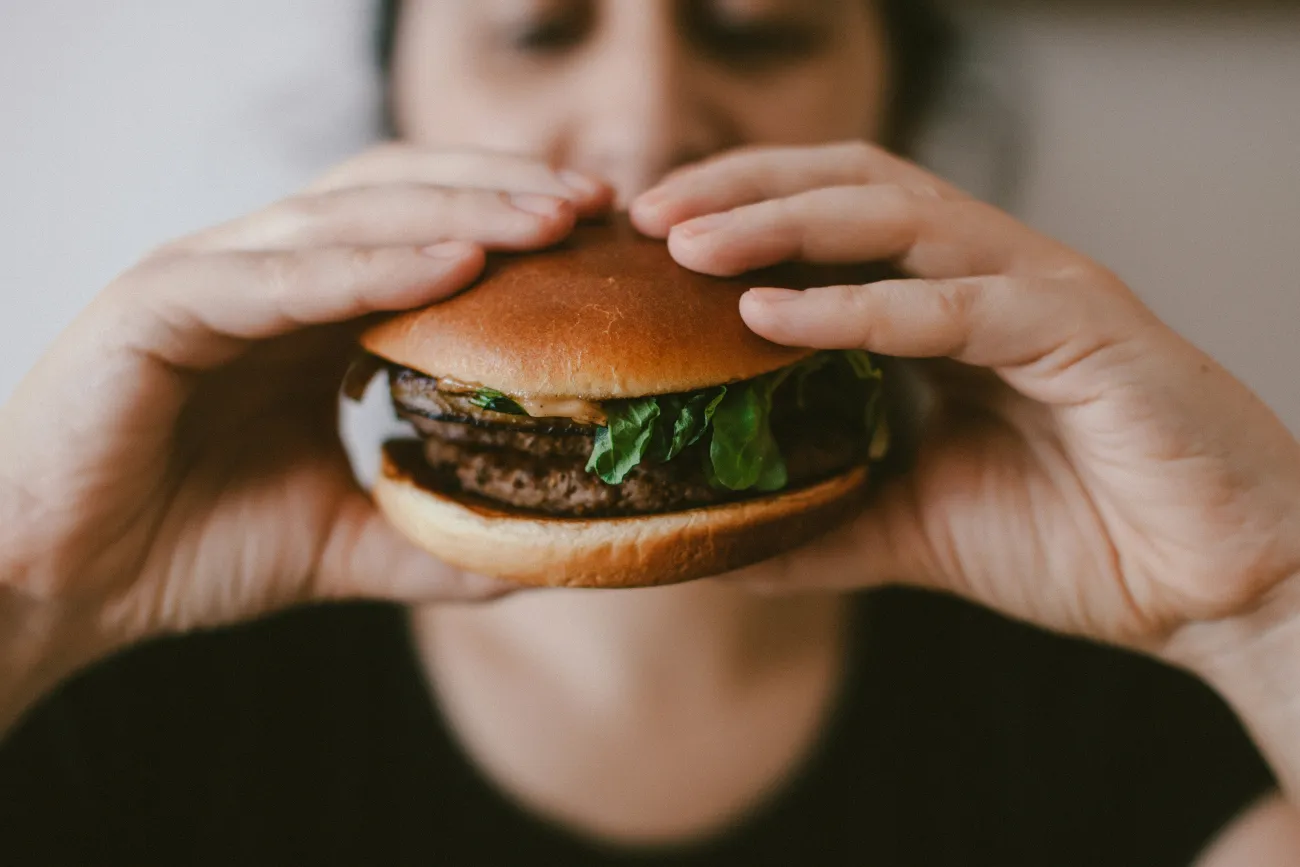
Image of a person eating a hamburger. Image by Szabo Viktor via Unsplash
News and resources
Government-Backed Meat Ad Campaign Targets Gen Z in Veganuary
A recent campaign launched by the DEFRA appointed Agriculture and Horticulture Development Board has faced criticism for contradicting scientific evidence. Experts say, the 'Let's Eat Balanced' campaign, describes misleading information that ignores negative health impacts associated with meat and dairy-rich diets, and lacks adequate attention to environmental issues connected to heavy meat consumption.
Read
Image
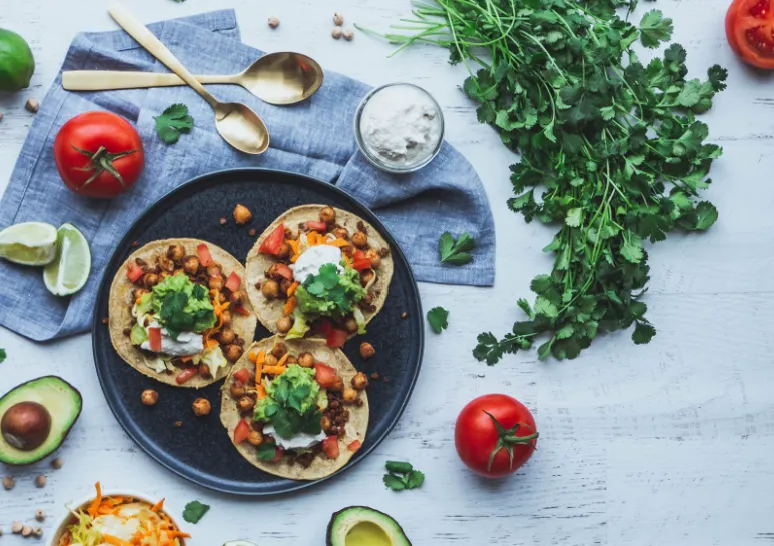
Image of three vegan tacos and other fresh ingredients. Photo by shanriley via Unsplash
Journal articles
A systematic review of the definitions, narratives and paths forwards for a protein transition in high-income countries
Researchers identify, via a systematic review process, three major narratives that have emerged around the ‘protein transition’. These include the consumer narrative, the techno-centred narrative, and the socio-technological narrative. This paper explores the associated challenges and key policy priorities associated with each narrative.
Read
Image
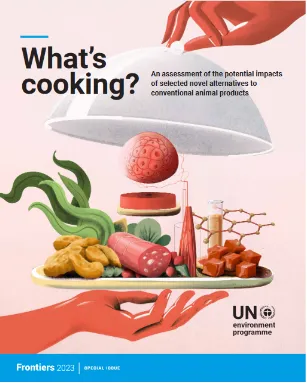
UN report cover of a hand serving a plate of animal product alternatives. Title: What's Cooking? An assessment of potential impacts of selected novel alternatives to conventional animal products
Reports
What's Cooking? An assessment of potential impacts of selected novel alternatives to conventional animal products
This special Frontiers report from the UN environment program provides a discussion on the potential environmental, health, social and animal welfare implications of novel alternatives to animal products, including plant-based products, cultivated meat, and fermentation-derived products. 
Read
Image
Cows in a milking parlour. Image by Kevinsphotos via Pixaby
Reports
A just transition in animal agriculture is necessary for more effective and equitable One Health outcomes
Drawing on expertise from health, climate, biodiversity and animal welfare policy and science, this CABI Policy Forum argues current levels of animal product production and consumption threaten ‘One Health’ outcomes and presents the case for a just transition in animal agriculture. The report identifies five principles to guide policy makers in promoting a just transition from systems of industrial meat production and overconsumption.
Read
Image
M4F logo
Podcast episode
Will you join the insect revolution?
Everyday food, food fad or future staple?
Read
  • VIEW MORE

Sign up for Fodder, our newsletter covering sustainable food news.

Sign up
  • Glossary
  • About
  • Our Writing
  • Podcasts
  • Resources

Social

YouTube Facebook Instagram

© Copyright 2025

A collaboration between: