Close
Login Register
Search
  • About
    • What We Do
    • Who We Are
    • FAQs
  • Our Writing
    • Explainers
    • Essays
    • Letterbox
    • Reports & More
  • Podcasts
  • Our Events
  • Projects
    • Power In The Food Systems
    • Local-Global Scale Project
    • MEAT: The Four Futures Podcast
    • Fuel To Fork
    • Nature
    • Reckoning with Regeneration
    • SHIFT
    • Games at TABLE
    • Rethinking the Global Soy Dilemma
  • Resources
  • Opportunities
    • Jobs
    • Funding
    • Courses
    • Collaborations
    • Events
  • Newsletter
  • TABLE (EN)
Search
Back

Meat

Image
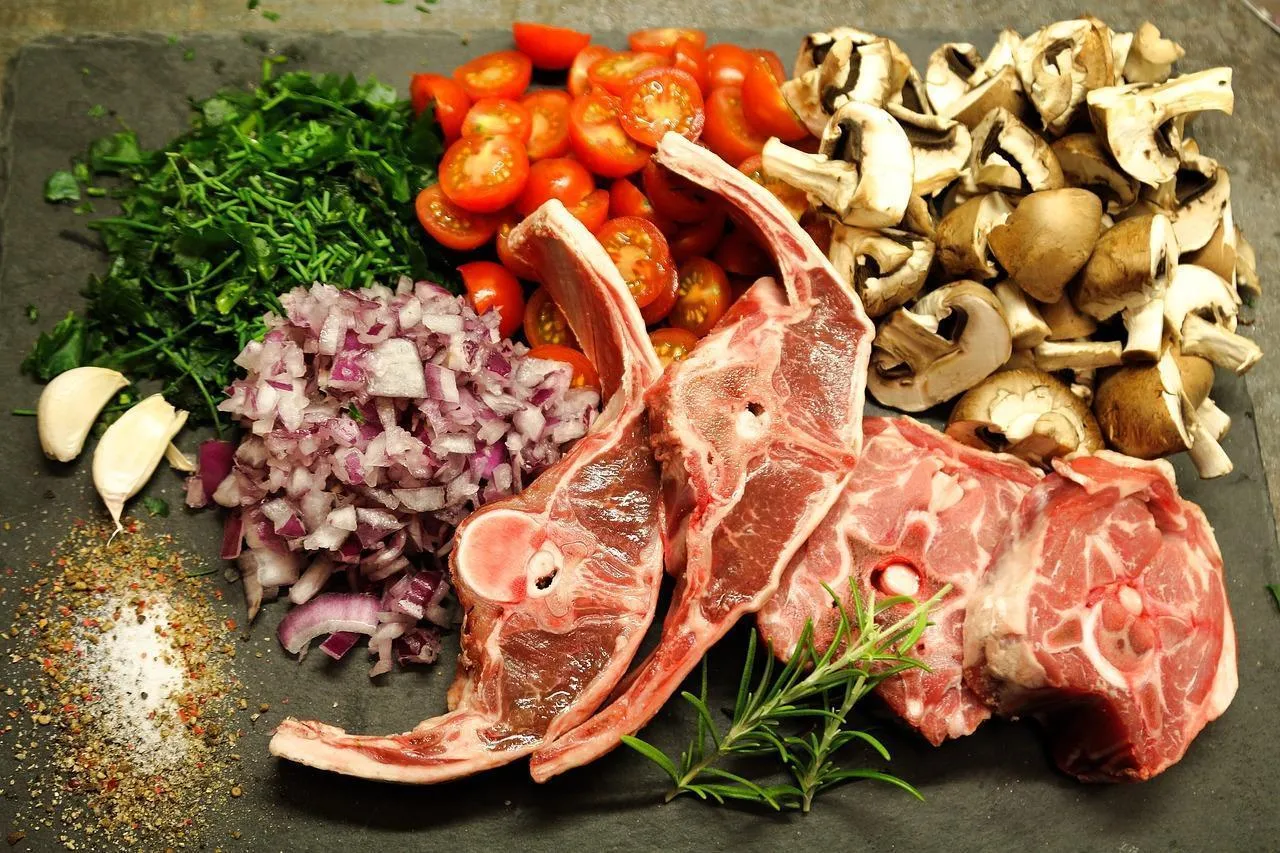
Image: Max Pixel, Lamb Rosemary Eat Lamb Chop, CC0 Public Domain
Journal articles
Drivers of meat consumption
FCRN member Anna Birgitte Milford of the NIBIO (Norwegian Institute of Bioeconomy Research) has co-authored this paper, which studies the impact of various variables on meat total meat and ruminant meat consumption levels (both total and ruminant) in 137 countries. The paper assesses factors which had previously not been used together in similar analyses, including economic, cultural and natural factors (e.g. land availability and climate).
Read
Image
News and resources
Better by half: A roadmap to less and better meat and dairy
Eating Better has released a roadmap of 24 actions that government, food service, retailers, food producers and investors can take to halve UK meat and dairy consumption by 2030 and to switch to “better” meat and dairy as standard. 
Read
Image
Reports
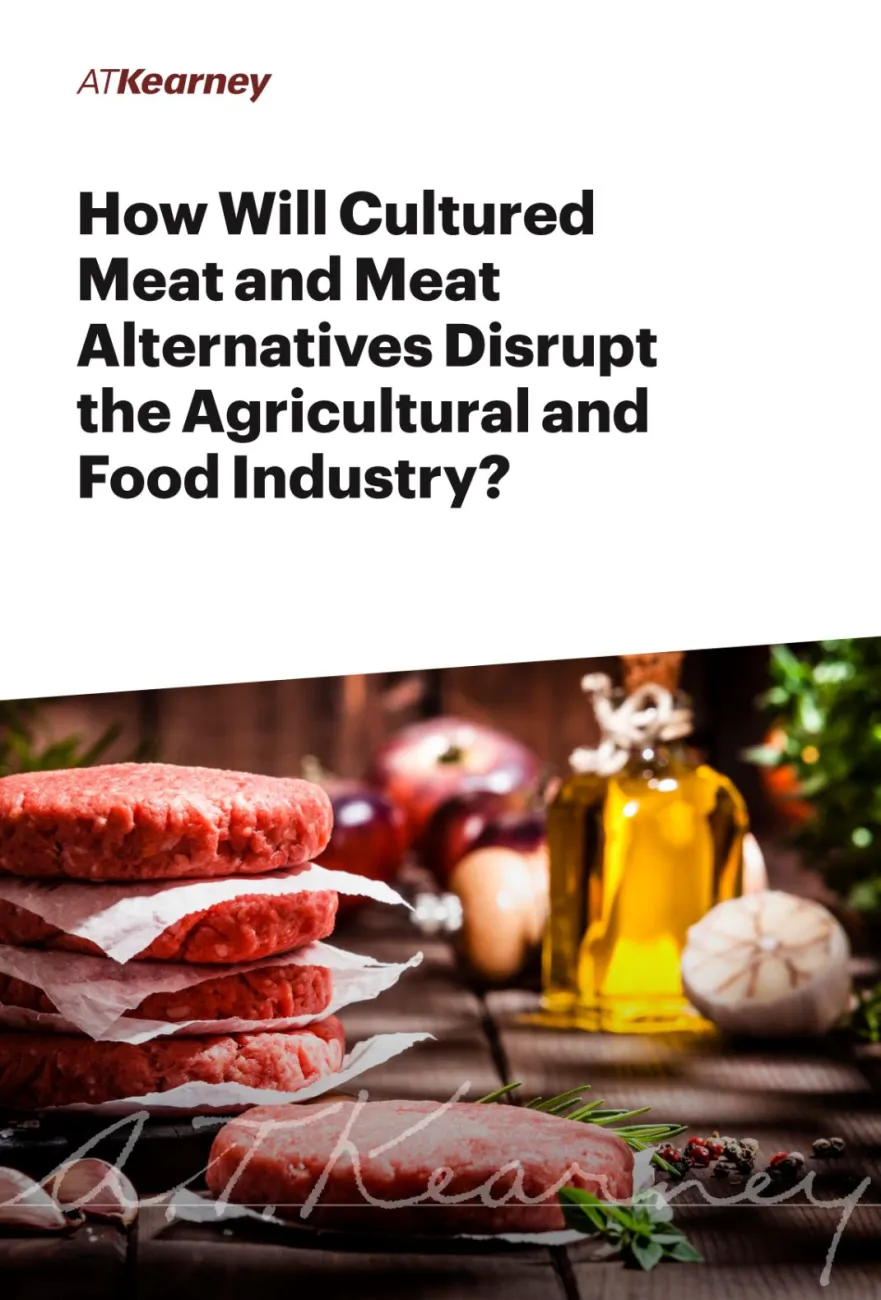
How will cultured meat disrupt the food industry?
This report from US management consultancy AT Kearney identifies trends in the cultured meat and meat replacement sectors. It estimates that, by 2040, cultured meat and novel vegan meat replacements will together account for a greater market share than conventional meat.
Read
Image
News and resources
Tax ultra-processed foods, not simply meat, says jury
A jury-style event hosted by the UK’s Food Ethics Council finds that a meat tax is too simplistic. The event saw four “expert witnesses” give evidence on the impacts of meat and sugar taxes, the environmental impacts of grazing livestock, and the health impacts of consuming processed and ultra-processed meat.
Read
Image
News and resources
Research note: Animal welfare and climate change
In this research note, the US-based Open Philanthropy Project discusses whether animal welfare might be helped or hindered by climate-focused reductions in meat consumption. For example, the note points out that meat types with a relatively low carbon footprint (e.g. chicken) are often from smaller animals (compared to, say, cows) and thus require more animals to be farmed and killed.
Read
Image
Books
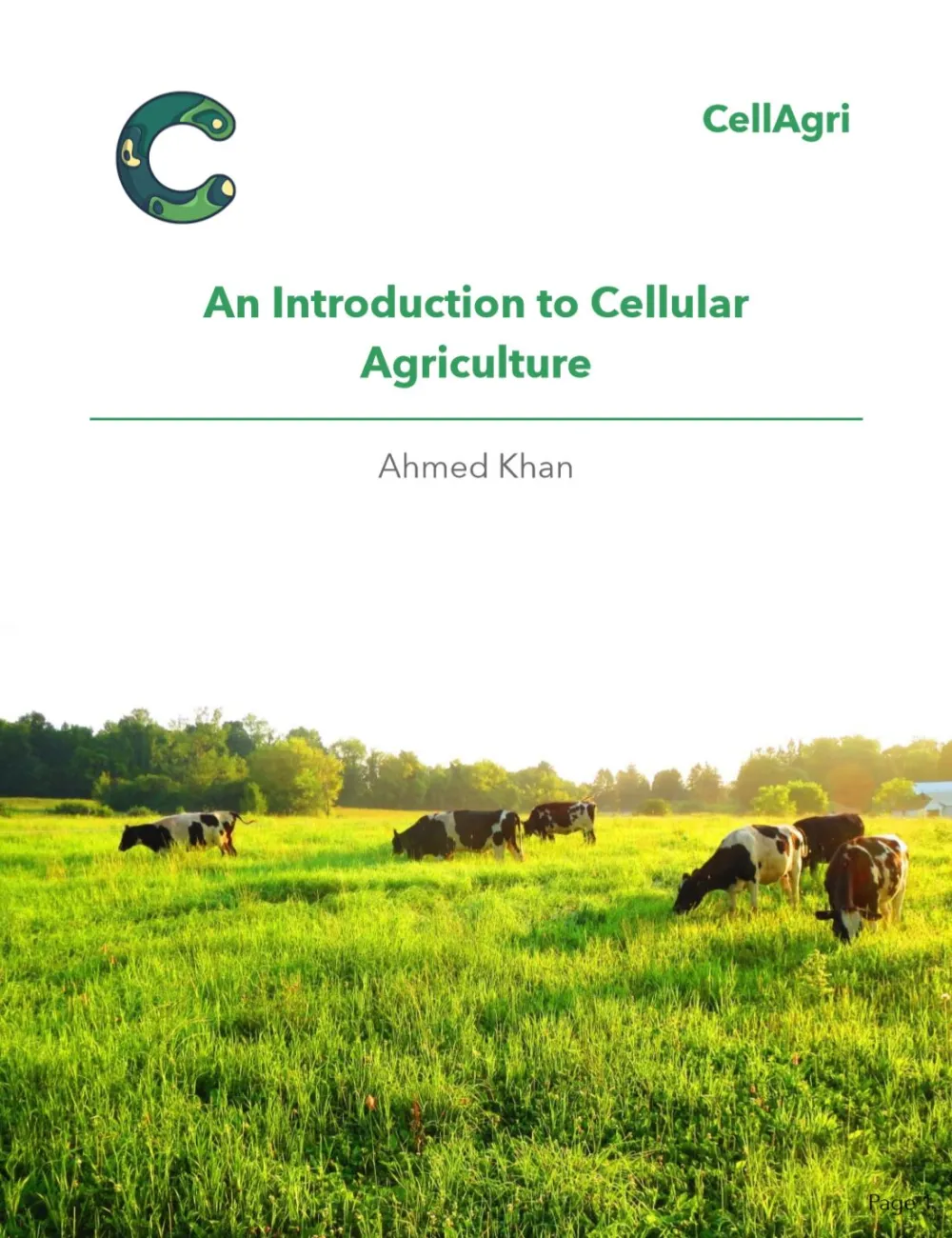
An introduction to cellular agriculture - Free e-book
This free e-book, by Ahmed Khan of CellAgri, gives an overview of the field of cellular agriculture, including the basics of the concept, key terms, challenges in scaling up the technology, cellular agriculture products and regulatory aspects.
Read
Image
News and resources
OneNYC 2050: New York City’s Green New Deal
New York City has launched a new strategy to tackle climate change, inequality and other social and environmental issues. The strategy calls for the City to end unnecessary purchases of single-use plastic foodware, phase out the purchase of processed meat and halve purchases of beef.
Read
Image
Books
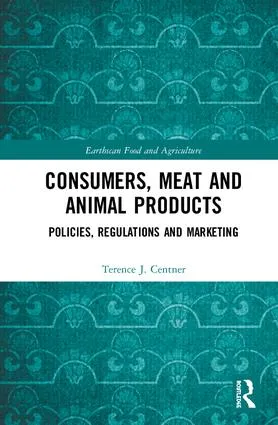
Consumers, meat and animal products
This book by Terence J. Centner explores issues of policy, regulation and marketing with respect to the production of food from animals.
Read
Image
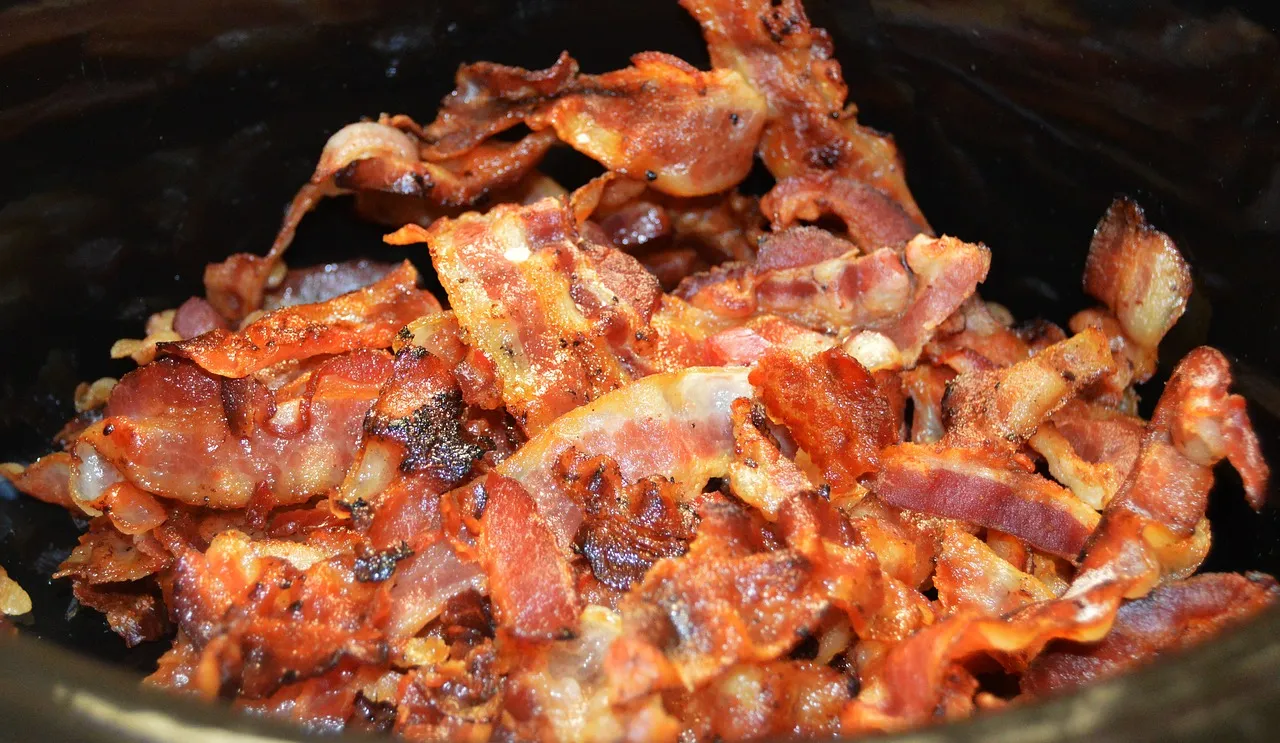
Image: phouavang82, Bacon fry food, Pixabay, Pixabay Licence
Journal articles
Red meat and alcohol linked to higher colorectal cancer risk
This paper reviews data from the UK Biobank study and finds that higher consumption of red meat and alcohol are associated with a higher risk of colorectal (bowel) cancer, while higher consumption of fibre from bread or breakfast cereals is associated with a lower risk.
Read
  • VIEW MORE

Sign up for Fodder, our monthly newsletter unpacking the future of food.

Tick below to opt-in to email communications.

You can change your mind at any time by clicking the unsubscribe link in the footer of any email you receive from us, or by contacting us at info@tabledebates.org.

We use Mailchimp as our marketing platform. By clicking below to subscribe, you acknowledge that your information will be transferred to Mailchimp for processing. Learn more about Mailchimp's privacy practices.
  • Glossary
  • About
  • Our Writing
  • Podcasts
  • Resources

Social

YouTube Facebook Instagram

© Copyright 2025

A collaboration between: