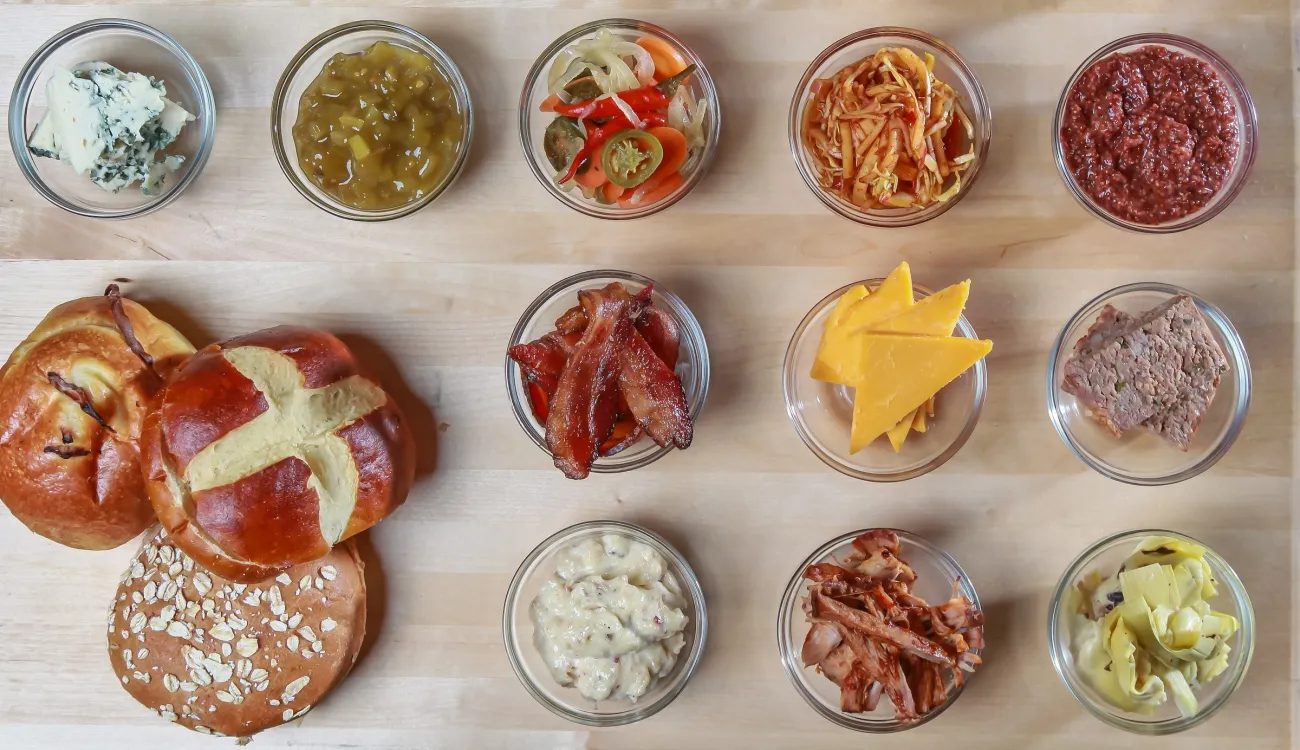
Image Explainer Meat, metrics and mindsets: Exploring debates on the role of livestock and alternatives in diets and farming Should we eat meat, eggs, dairy and other animal-sourced foods? If so, how should we produce them and how much should we eat? If not, what should we eat instead? These are just some of the more contentious debates about the future of food systems.This Explainer summarises some of the key debates about livestock and its alternatives and describes both the arguments and the evidence underpinning different points of view. We look both at foodstuffs (meat, fish, plants and new foods based on cells grown in bioreactors) and farming methods (both intensive and extensive) with regards to discussions about their environmental, health and social impacts. In so doing, we explore the assumptions and values that often lead stakeholders to differing conclusions about what a sustainable food system looks like.https://doi.org/10.56661/2caf9b92 Read
Image Event recording Event recording: Does methane from livestock matter? This event was hosted by TABLE on 28 September 2022 and took the format of a panel discussion with: Dr Tara Garnett (director of TABLE and fellow of the Oxford Martin School); Andy Reisinger (IPCC Working Group III (mitigation)/New Zealand Climate Change Commission) Claudia Arndt (The International Livestock Research Institute [ILRI]) John Lynch (University of Oxford) Martin Persson (Chalmers University of Technology) Read
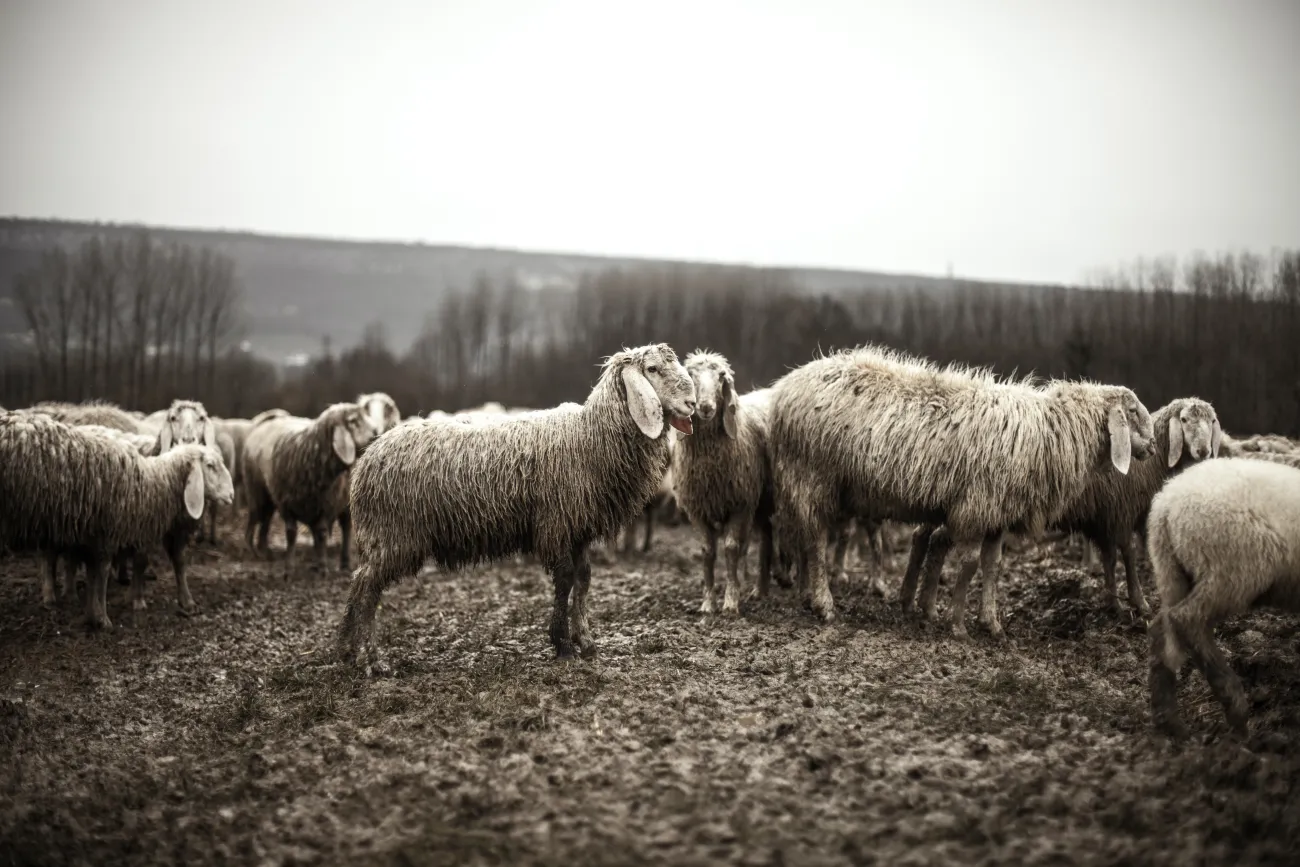
Image Explainer Methane and the sustainability of ruminant livestock The environmental sustainability of our food production methods, and what kinds of agricultural systems might be compatible with keeping global warming below internationally agreed upon limits, are key topics for sustainable food systems research and policy. Since the food system is an important emitter of three different greenhouse gases; carbon dioxide, methane and nitrous oxide; greater clarity as to their warming impacts and their consequent contribution to climate change is needed. https://www.doi.org/10.56661/25320192 Read
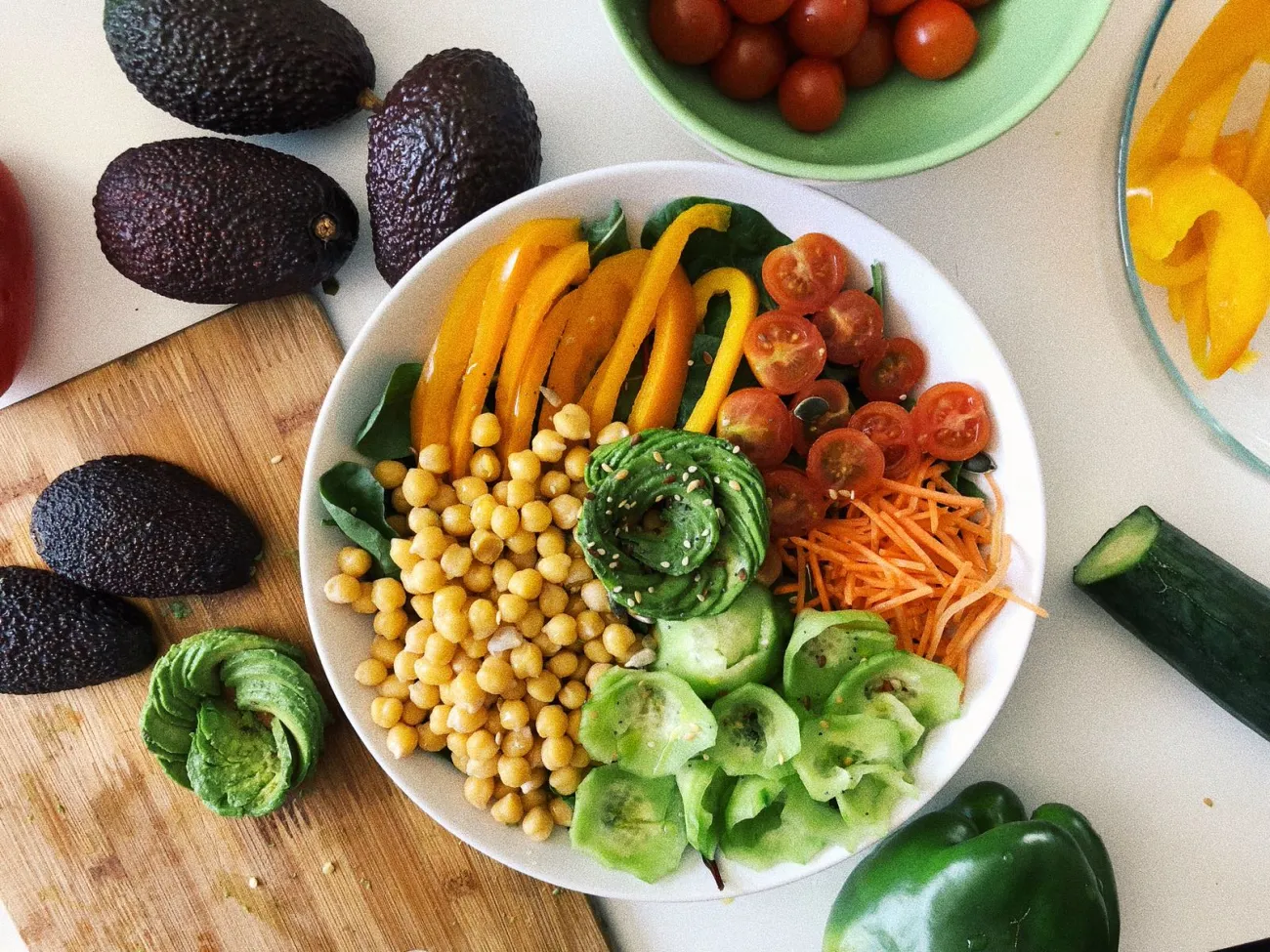
Image Essay Has veganism become a dirty word? Tara Garnett is a researcher at the University of Oxford where she runs the Food Climate Research Network and its sister site Foodsource. Her work centres on the interactions among food, climate, health and broader sustainability issues. She has particular interests in livestock as an area where many of these converge, and in how knowledge is communicated to and interpreted by policy makers, civil society and industry, and in their different approaches to food problems and solutions. Tara is also part of the LEAP project at Oxford, a Wellcome Trust-funded initiative focused on gaining a greater understanding of the health, environmental, social and economic effects of livestock production and consumption. In particular she works closely with Jamie Lorimer, Alex Sexton and Nathan Clay, on themes which explore the rise in alternatives to animal products, and transitions in the dairy sector. You can contact Tara on taragarnett@fcrn.org.uk. Read
Image Explainer Agricultural methane and its role as a greenhouse gas There has recently been a lot of focus on methane, as it is an important contributor to climate change. The food system is one of the largest emitters of methane, and the gas is particularly associated with ruminant livestock (cattle, sheep and goats) and with rice production. Despite its significance as a greenhouse gas, there is also considerable confusion over how we should quantify the climate impacts of methane emissions. This is because there are important differences in how methane and carbon dioxide – the major human-generated greenhouse gas – affect the climate. This explainer provides an overview of the key points about methane, and addresses some common areas of confusion. Last update: 11 June, 2019 https://www.doi.org/10.56661/0f7f7b1e Read
Image Publication Grazed and Confused Ruminating on cattle, grazing systems, methane, nitrous oxide, the soil carbon sequestration question – and what it all means for greenhouse gas emissions. Read
Image Publication Gut feelings and possible tomorrows: (where) does animal farming fit? This paper takes a closer look at who the stakeholders are in the debate around livestock, the different narratives that they construct about the livestock problem - and the solutions they propose. It does this by constructing four scenarios, each of which imagines a different livestock ‘solution,’ and explores the values that underpin them. In 2023, this paper was adapted into a podcast series called "Meat: The Four Futures." Visit the podcast page to learn more. Read