Close
Login Register
Search
  • About
    • What We Do
    • Who We Are
    • FAQs
  • Our Writing
    • Explainers
    • Essays
    • Letterbox
    • Reports & More
  • Podcasts
  • Our Events
  • Projects
    • Power In The Food Systems
    • Local-Global Scale Project
    • MEAT: The Four Futures Podcast
    • Fuel To Fork
    • Nature
    • Reckoning with Regeneration
    • SHIFT
    • Games at TABLE
    • Rethinking the Global Soy Dilemma
  • Resources
  • Opportunities
    • Jobs
    • Funding
    • Courses
    • Collaborations
    • Events
  • Newsletter
  • TABLE (EN)
Search
Back

Health and nutrition policy

Image
Resource
Soda tax boosts retail prices of sugary drinks
Voters in Berkeley approved the first excise tax in the U.S. on sugar-sweetened beverages in 2014. This study analyses the effect it has had in its first year on retail prices. Sales tax and excise duty tax are two different taxes that are levied by the government.  A sales tax is imposed at the point of sale. It is payable by the consumer, and is collected by the retailer who then passes it onto the state.
Read
Image
Resource
U.S. government rejects inclusion of sustainability in dietary guidelines despite expert advice
It has been announced that the U.S. will not be incorporating sustainability into the new Dietary Guidelines for Americans (which are updated every five years). According to a blog-post written by Sylvia Mathews Burwell, Secretary of Health and Human Services  (HHS Secretary) and Tom Vilsack, Department of Agriculture USDA Secretary, the US government does “not believe that the 2015 DGAs are the appropriate vehicle for this important policy conversation about sustainability.” The two argue that although the final recommendations are still being drafted, the final guidelines should remain within the mandate in the 1990 National Nutrition Monitoring and Related Research Act (NNMRRA);  to provide “nutritional and dietary information and guidelines”… “based on the preponderance of the scientific and medical knowledge.”
Read
Image
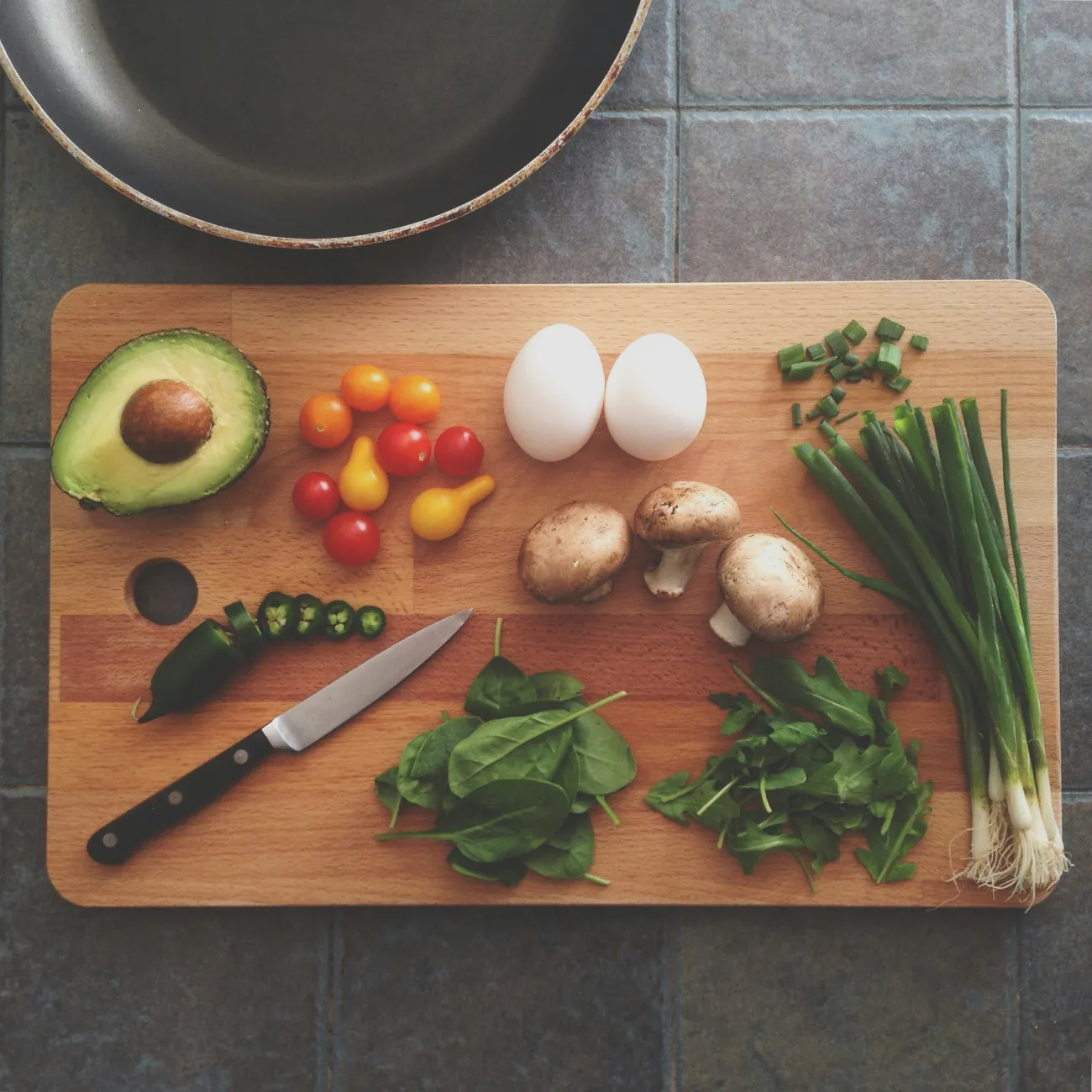
Ingredients on a cutting board. Photo by Katie Smith via Unsplash.
Essay
Global Nutrition Report: what is says about malnutrition, the SDGs and climate change
In this piece, Duncan Williamson reviews the Global Nutrition Report in the context of other developing food and sustainability policy.Duncan has been working internationally in the field of sustainable systems for 20 years. For the last seven, has been leading WWF UK’s food work while also leading the international WWF Network’s position on sustainable diets and coordinating its work on sustainable food security- which recently co-produced a report with the Food Ethics Council entitled: From Individual to Collective action; exploring the business cases for addressing sustainable food security. Duncan is the originator of WWF’s ongoing Livewell project, which demonstrates that a healthy diet can be sustainable.  He also interacts closely with other organisations, including Eating Better , a cross sectorial coalition on NGOs working on meat consumption, where he is a director. An FCRN member since 2009, Duncan sits on the FCRN’s advisory board.
Read
Image
Resource
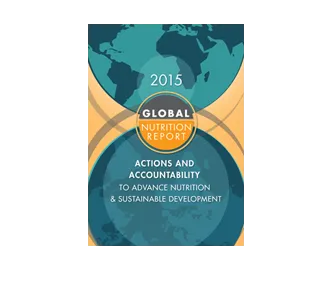
Launch of the second Global nutrition report by IFPRI
This second annual nutrition report by IFPRI is a comprehensive summary and scorecard on both global and country level progress on all forms of nutrition. It covers nutrition status and program coverage—as well as underlying determinants such as food security; water, sanitation, and hygiene; resource allocations; and institutional and policy changes—globally (for 193 countries).  The 2015 edition highlights the critical relationship between climate change and nutrition and the pivotal role business can play.
Read
Image
Resource
New Swedish dietary guidelines that integrate sustainability and health aspects available in English.
FCRN has previously highlighted the new Swedish dietary guidelines in a blog-post, “Environmental concerns now in Sweden’s newly launched dietary guidelines” by the Swedish researcher and FCRN collaborator Elin Röös, where she also talks to representatives from the Swedish Food Agency about the challenges involved in writing the new guidelines. This report is now available in full in English. 
Read
Image
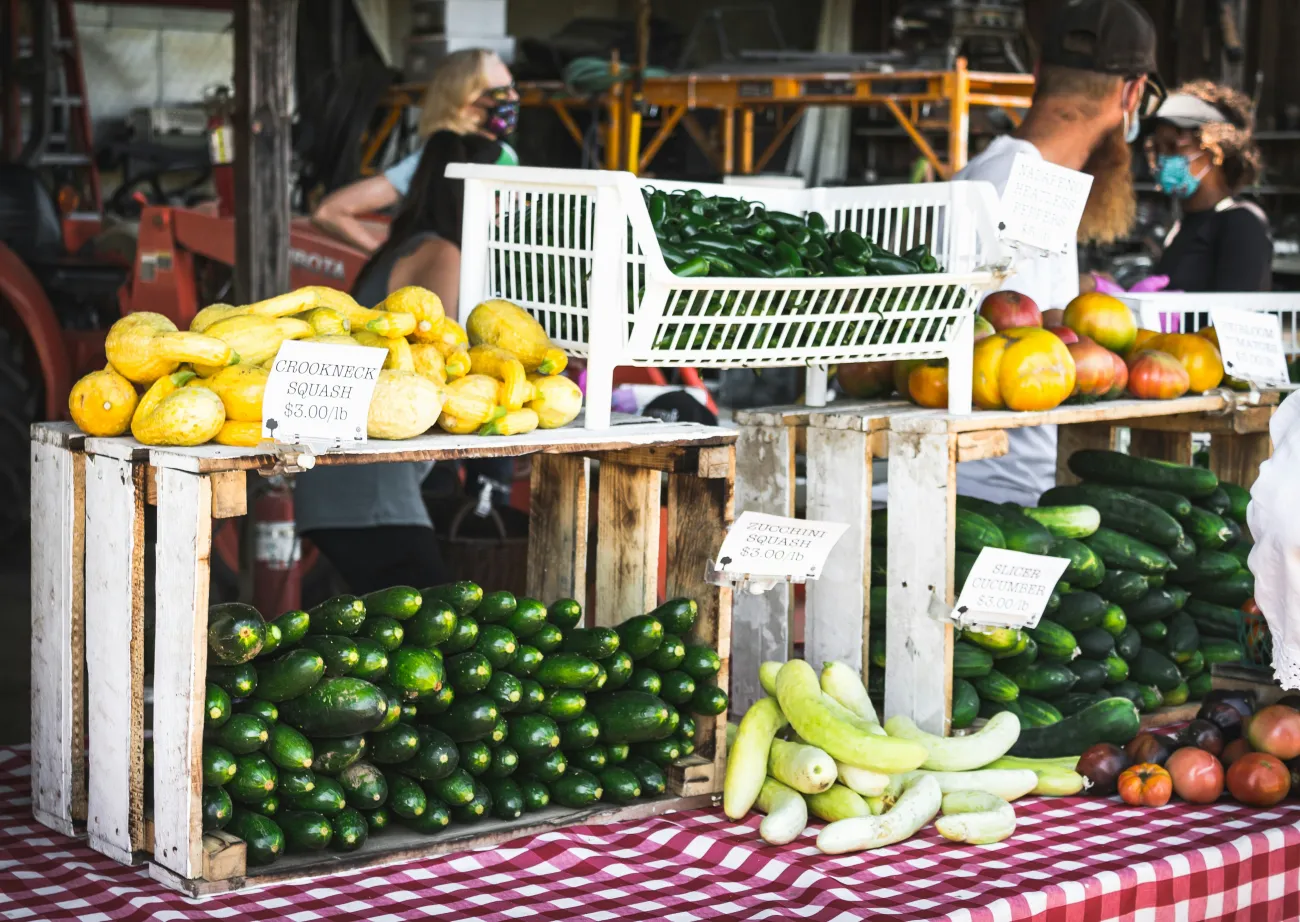
Vegetables arranged in wooden crates on a checkered table cloth. Photo by Quin Engle via Unsplash.
Essay
City Region Food Systems - Part IIIA – Scale and Production Strategy
This piece is the first of a two-part blog looking at scale and production strategy.  In this essay, Mike Hamm analyzes critiques of smaller-scale and alternative production strategies from several angles.  In the second, he will discuss problems inherent in the argument that small scale can feed the U.S. population and consider a middle path of scale and production diversity. As in the previous posts (Part I, Part II) – he invites your comments, suggestions, and criticisms.This is the third blog-post in his series discussing city region food systems. The series explores the value of city-region food systems, obstacles to their development, and possible ways forward; see Part I for a post which conceptualises the issues and Part II discusses who the farmer of the future will be and how the United States might be fed in 2050.This post is written by FCRN member professor Michael W. Hamm, C.S. Mott Professor of Sustainable Agriculture at Michigan State University and Director of the MSU Center for Regional Food Systems. Mike is also a Visiting Fellow of Mansfield College and the Environmental Change Institute, University of Oxford.
Read
Image
Resource
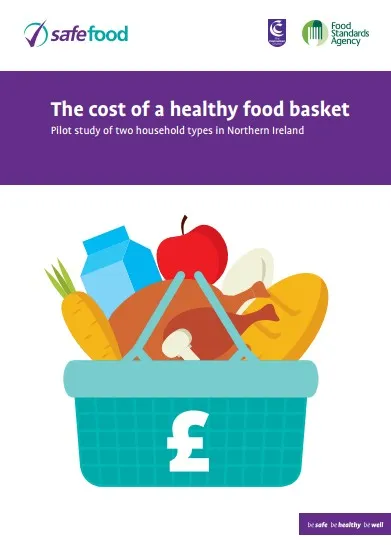
To eat healthy low-income families need to spend one third of their budget according to Food Standards Agency
This joint survey by the Food Standards Agency, Foodsafe and the Consumer Council in Northern Ireland finds that low ­income families need to spend at least one third of their weekly income on food if they want to eat healthily.  This percentage was the result when consumers were asked to select a realistic, healthy food basket that met the family’s taste requirements and included some special food items for visitors and social occasions.
Read
Image
Resource
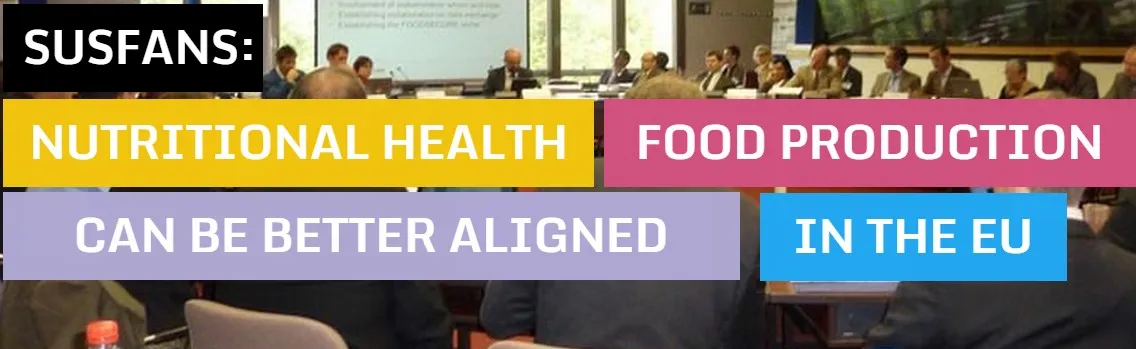
New SUSFANS consortium builds framework to underpin EU-wide food policies
A new consortium has been created with the aim of mapping out the influence of consumer behaviour and producer choices on the nutritional adequacy and sustainability of dietary patterns.
Read
Image
Resource
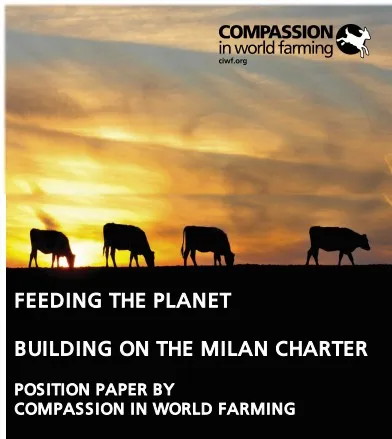
‘Feeding the Planet: Building on the Milan Charter’ - Position statement by CIWF
Compassion In World Farming (CIWF) has produced a new report, Feeding the Planet: Building on the Milan Charter, released to coincide with the Expo Milan 2015 which is organised around the theme: Feeding The Planet, Energy for Life. The Milan Charter – produced by Italy - highlights the need to produce healthy, safe and sufficient food for everyone, while respecting the planet and its equilibrium. 
Read
  • VIEW MORE

Sign up for Fodder, our newsletter covering sustainable food news.

Sign up
  • Glossary
  • About
  • Our Writing
  • Podcasts
  • Resources

Social

YouTube Facebook Instagram

© Copyright 2025

A collaboration between: