Close
Login Register
Search
  • About
    • What We Do
    • Who We Are
    • FAQs
  • Our Writing
    • Explainers
    • Essays
    • Letterbox
    • Reports & More
  • Podcasts
  • Our Events
  • Projects
    • Power In The Food Systems
    • Local-Global Scale Project
    • MEAT: The Four Futures Podcast
    • Fuel To Fork
    • Nature
    • Reckoning with Regeneration
    • SHIFT
    • Rethinking the Global Soy Dilemma
  • Resources
  • Opportunities
    • Jobs
    • Funding
    • Courses
    • Collaborations
    • Events
  • Newsletter
  • TABLE (EN)
Search
Back

Grazing and grassland

Image
Reports
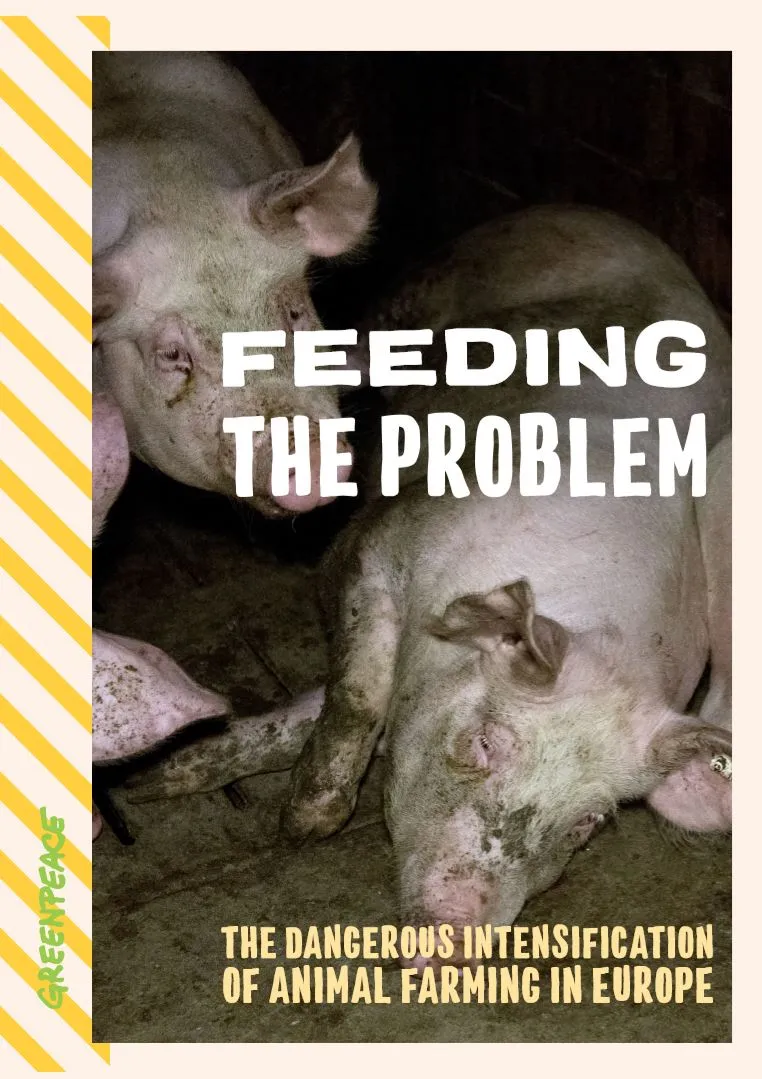
Intensification of animal farming in Europe
71% of European Union farmland is used to feed livestock and 18% to 20% of the EU’s total budget goes to livestock farms, according to this report by NGO Greenpeace.
Read
Image
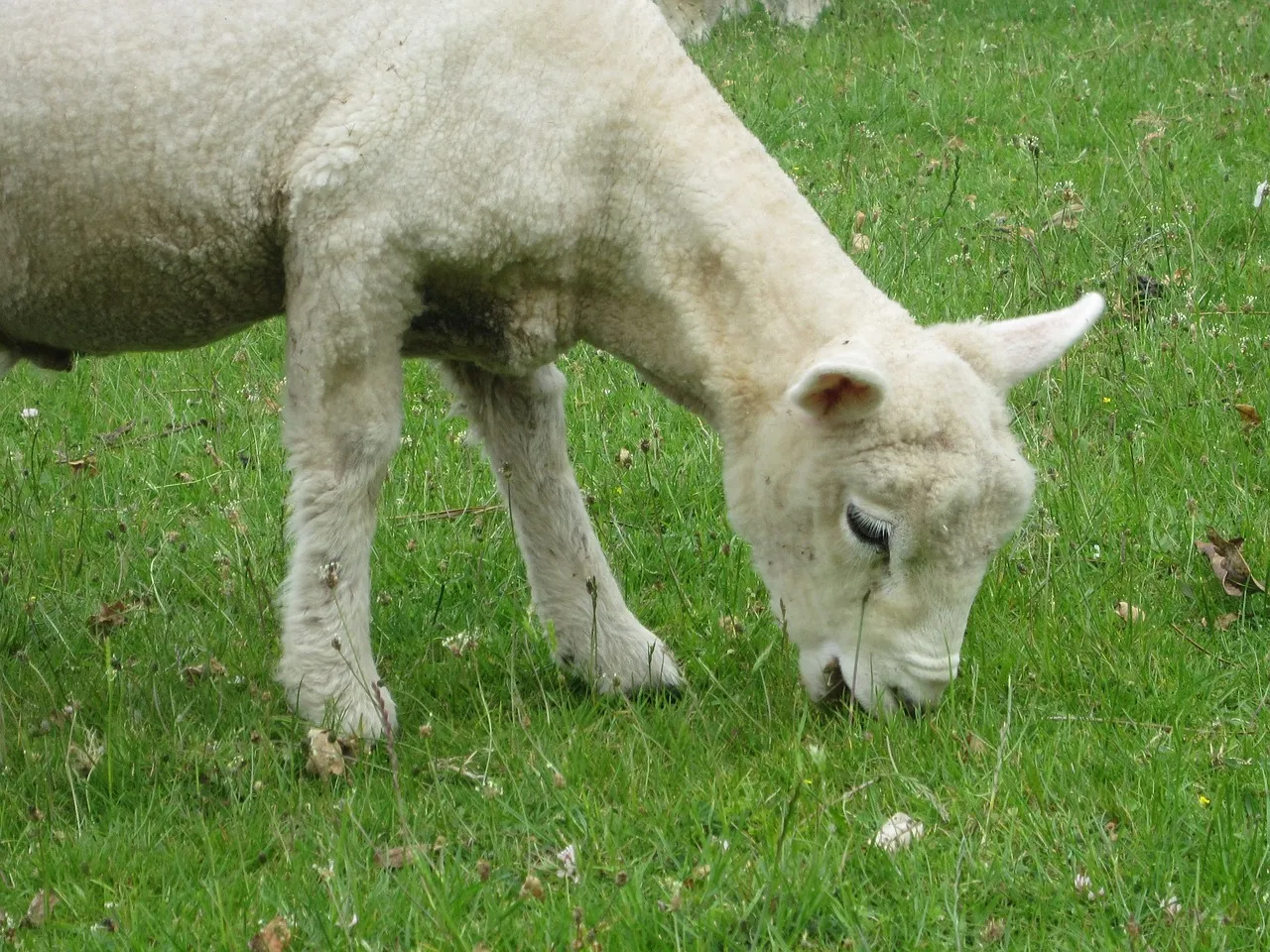
Image: MaxPixel, Lamb eating, CC0 Public Domain
Journal articles
Real-time pasture nutrient monitoring could improve productivity
A new method for monitoring nutrient concentrations in pasture in real time - using a small near-infrared spectroscopy device - could allow farmers to improve productivity by adjusting livestock grazing patterns, according to this paper.
Read
Image
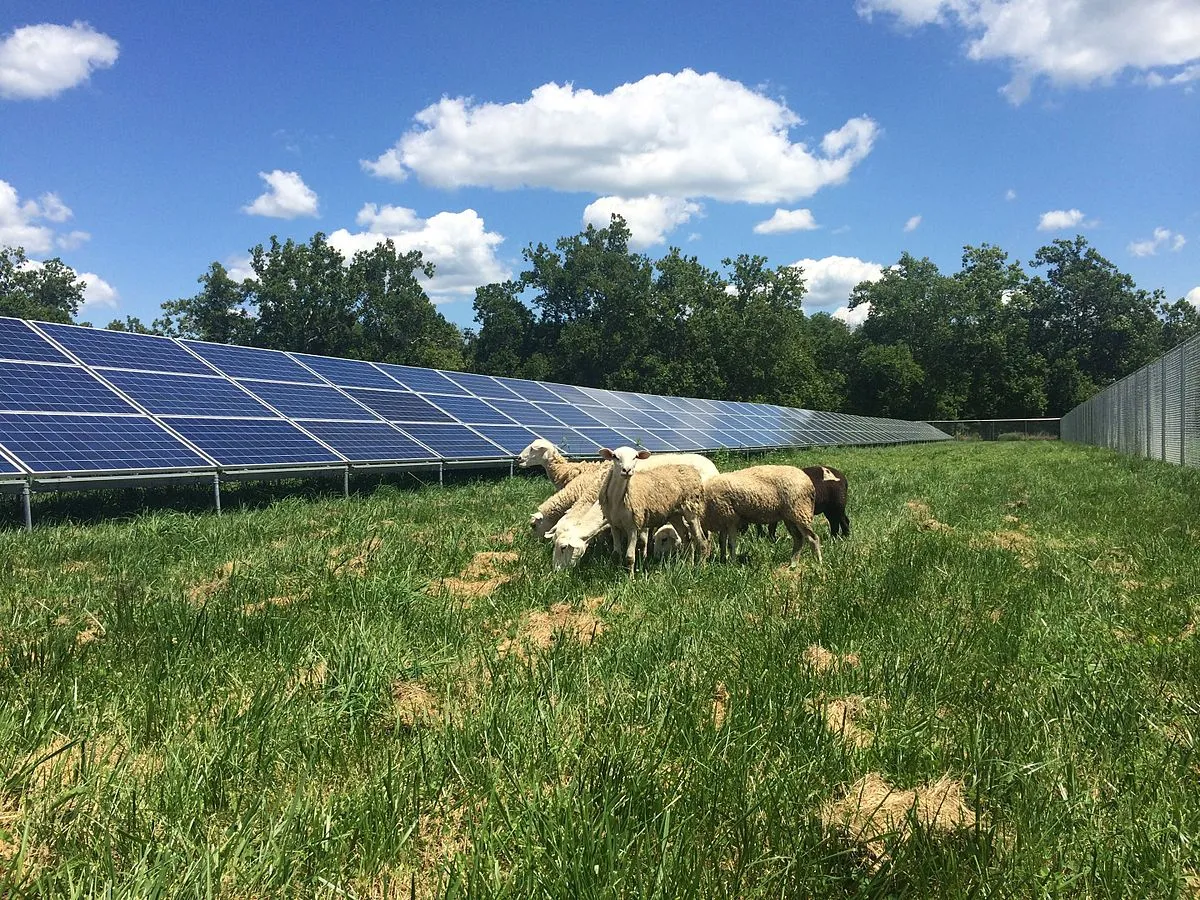
Image: Gabelglesia, Solar array in the Antioch College South Campus, near the farm. Sheep included, Wikimedia Commons, Creative Commons Attribution-Share Alike 4.0 International
Journal articles
Solar panel shade increases soil moisture and pasture biomass
This paper compared soil moisture and biomass growth between pasture both with and without photovoltaic solar panel arrays. While average soil moisture was similar across the fields with and without solar panels, the field with the solar panels had more variable soil moisture: directly underneath the solar panels, persistent stores of soil water were available throughout the growing season. Without solar panels, the pasture experienced water stress in the middle of summer.
Read
Image
Books
Restoring farm woodlands for wildlife
This book, by David Lindenmayer, Damian Michael, Mason Crane, Daniel Florance and Emma Burns, describes best practice approaches for restoring Australian farm woodlands for birds, mammals and reptiles.
Read
Image
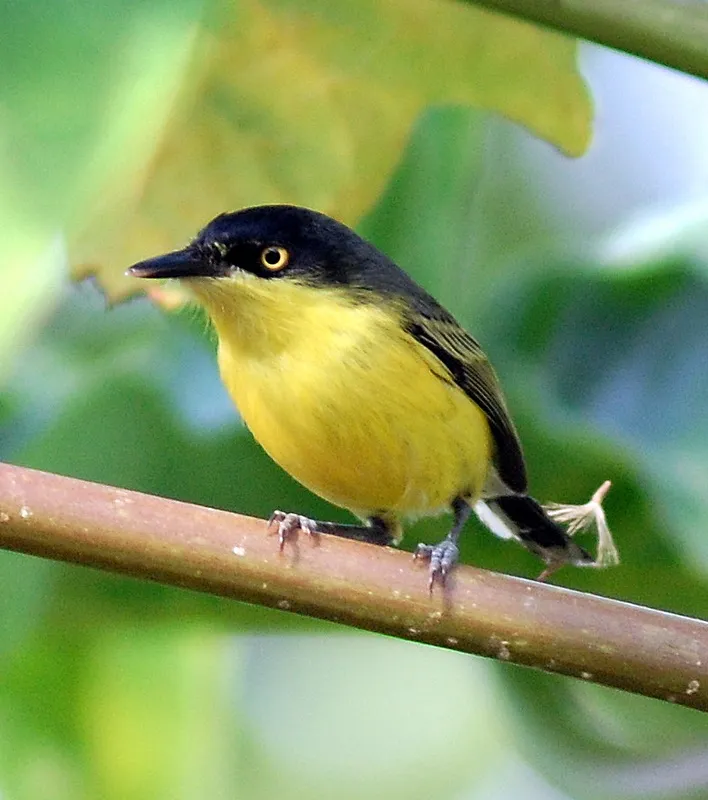
Image: Dario Sanches, Todirostrum cinereum, Wikimedia Commons, Creative Commons Attribution-Share Alike 2.0 Generic
Journal articles
Improving silvopastures for bird conservation
Birds catch insects less frequently in silvopastures (grazing land with substantial tree cover) than in forest fragments, according to a study in the Colombian Andes. This suggests that silvopasture provides relatively lower quality habitat for the bird species studied. However, the paper proposes some measures to improve the quality of silvopastures as habitats for birds, including encouraging certain tree species and forming particular microhabitats, such as vine tangles and hanging dead leaves.
Read
Image
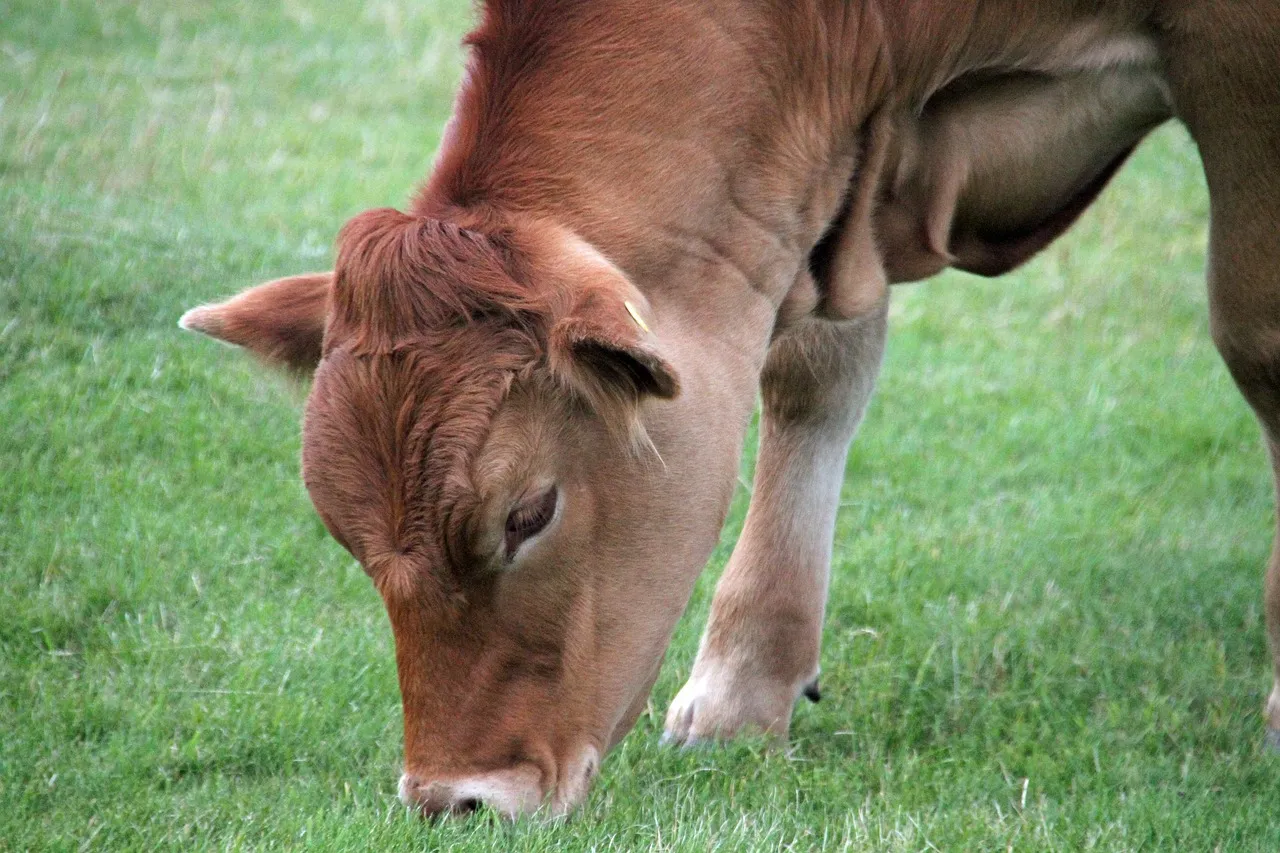
Image: Max Pixel, Cow eating farm, CC0 Public Domain
Journal articles
US shift to grass-fed beef requires more cattle
If the US were to shift to entirely grass-finished beef (vs. grain-finished), then the US cattle population would have to increase by 30% relative to today, because grass-fed cattle gain weight more slowly than those fattened in feedlots. Furthermore, existing pastures would have to become 40%-370% more productive to avoid converting more natural habitat to farmland or competition with human food supply. Methane emissions from the cattle’s digestive systems might increase by 43%, again because of slower growth rates.
Read
Image
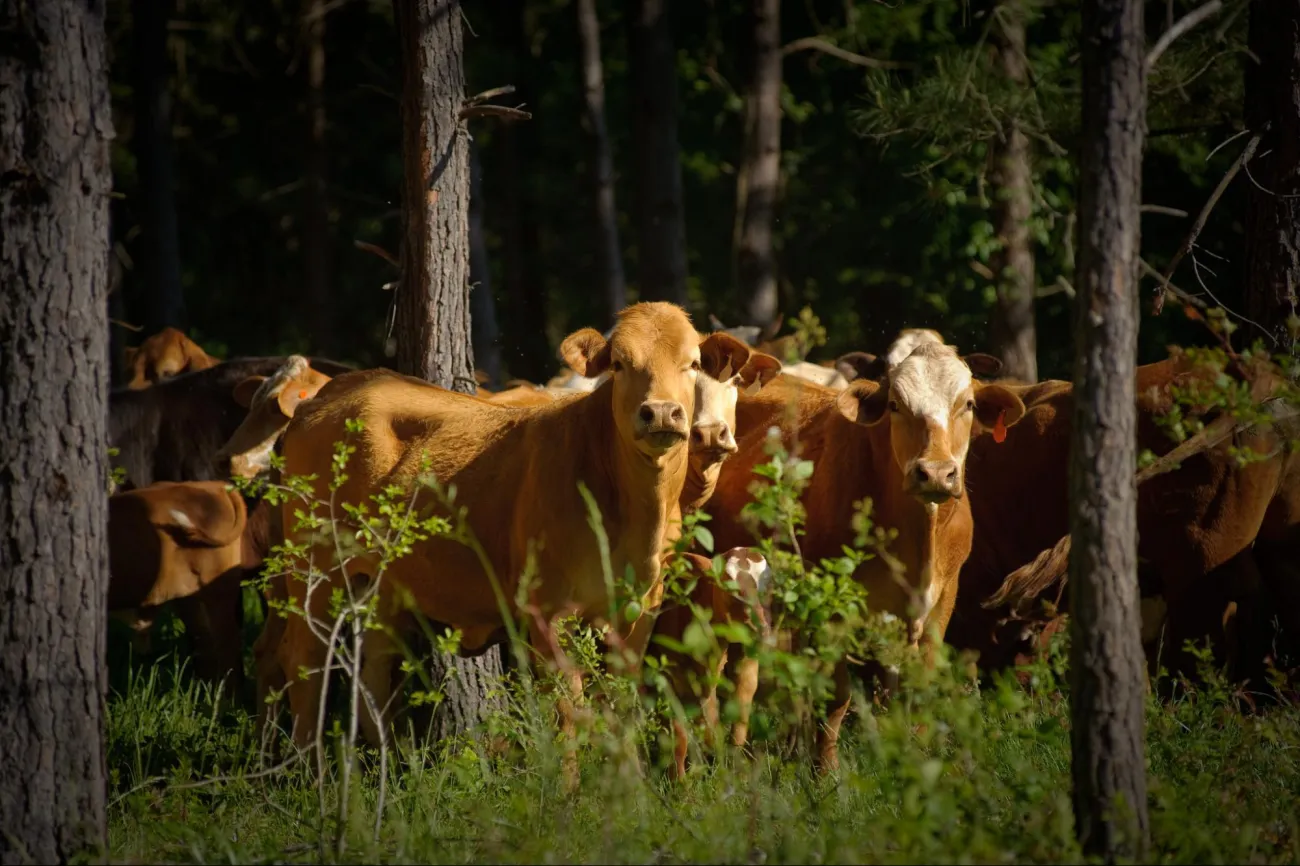
Image: USDA NRCS Texas, Cows grazing in a silvopasture, Flickr, Creative Commons Attribution 2.0 Generic
News and resources
Op-Ed: Trees in pastures can draw down carbon
FCRN member Eric Toensmeier, of Yale University, has written an op-ed for the Washington Post in which he discusses the potential of silvopasture - including trees on grazing land - to reduce agricultural emissions. Trees increase production by providing shade to livestock, according to the op-ed.
Read
Image
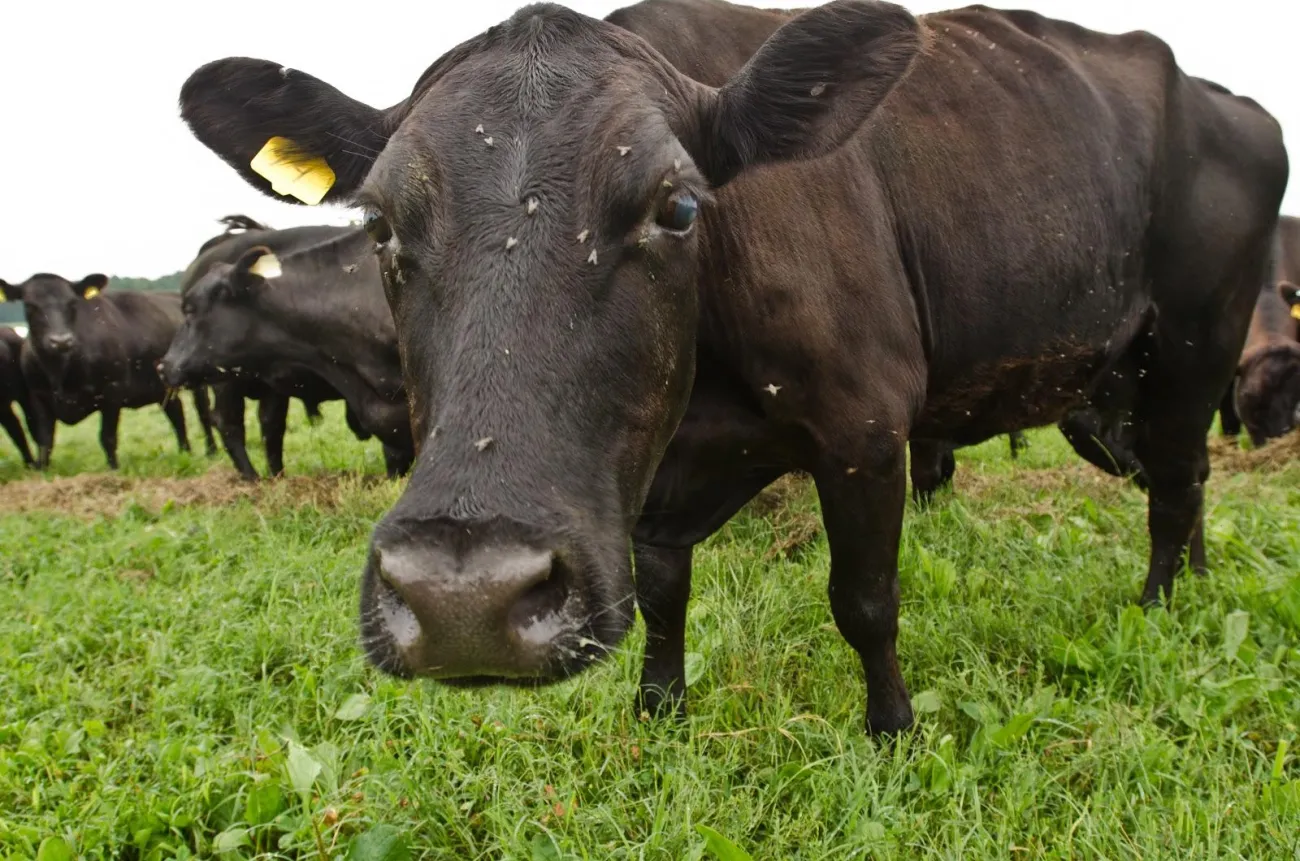
Photo: 20130712-AMS-LSC-0396, US Department of Agriculture, Flickr, Public Domain Mark 1.0
Resource
A model for ‘sustainable’ US beef production
This study by researchers in the US used a theoretical approach to work out how much beef could be produced in the US if the cows were raised solely on pasturelands and by-products, and what the environmental and nutritional ramifications of repurposing the freed up cropland would be.
Read
Image
Resource
Summary report on Eating Better workshop on climate impacts of pasture farming
In November 2017, in response to the FCRN’s report Grazed and Confused, the Eating Better Alliance brought together a range of researchers and civil society to discuss pasture farming and in particular its contribution to climate change. The meeting began with a presentation by Tara Garnett. It was organised because Eating Better was keen to have a discussion about the implications of this research for civil society messaging toward ‘less and better’ meat and dairy, and farming in pasture-based livestock systems.
Read
  • VIEW MORE

Sign up for Fodder, our newsletter covering sustainable food news.

Sign up
  • Glossary
  • About
  • Our Writing
  • Podcasts
  • Resources

Social

YouTube Facebook Instagram

© Copyright 2025

A collaboration between: