Close
Login Register
Search
  • About
    • What We Do
    • Who We Are
    • FAQs
  • Our Writing
    • Explainers
    • Essays
    • Letterbox
    • Reports & More
  • Podcasts
  • Our Events
  • Projects
    • Power In The Food Systems
    • Local-Global Scale Project
    • MEAT: The Four Futures Podcast
    • Fuel To Fork
    • Nature
    • Reckoning with Regeneration
    • SHIFT
    • Rethinking the Global Soy Dilemma
  • Resources
  • Opportunities
    • Jobs
    • Funding
    • Courses
    • Collaborations
    • Events
  • Newsletter
  • TABLE (EN)
Search
Back

Governance, policy, and power

Image
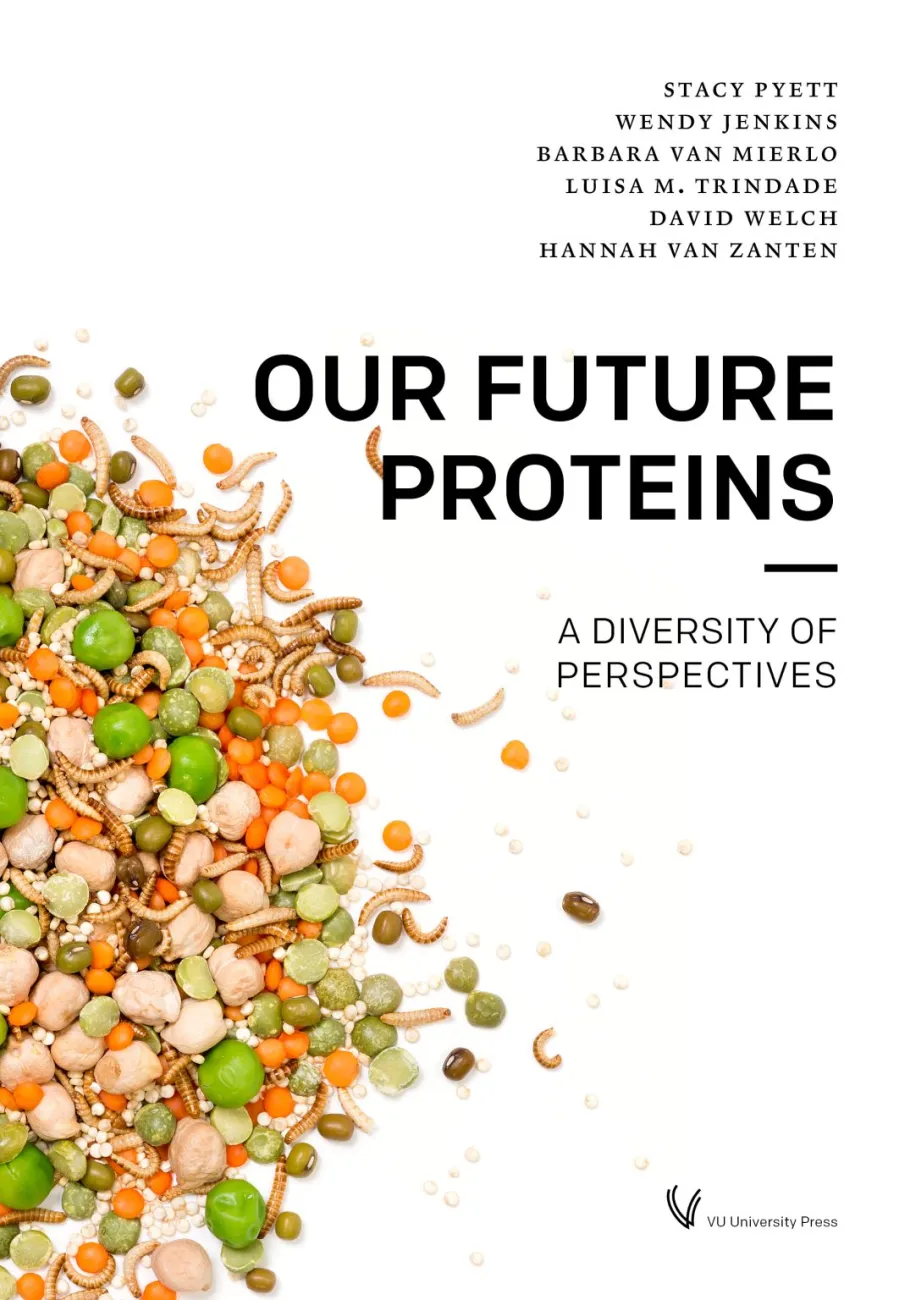
Our Future Proteins: A Diversity of Perspectives
Books
Our Future Proteins: A Diversity of Perspectives
Former TABLE intern Wendy Jenkins has recently contributed to an open-access book looking at the many visions on the protein transition, in which over 100 experts present their views on the transition to sustainable protein production and consumption. Their visions cover a wide range of transition directions, from radically rethinking protein production systems to levers of change in shifting protein consumption.
Read
Image
45 actions to orient food systems towards environmental sustainability: co-benefits and trade-offs
Reports
45 actions for environmental sustainability in food systems
This Research Brief from the Centre for Food Policy, aimed primarily at policymakers, lists 45 actions that have a direct pathway to impact across five environmental sustainability dimensions (greenhouse gas emissions, chemical pollution, freshwater resources, biodiversity and soil health). It groups the actions into five domains: land use in agriculture; the environmental impacts of agriculture; wild fishery and aquaculture sustainability; food loss and waste; and dietary change.
Read
Image
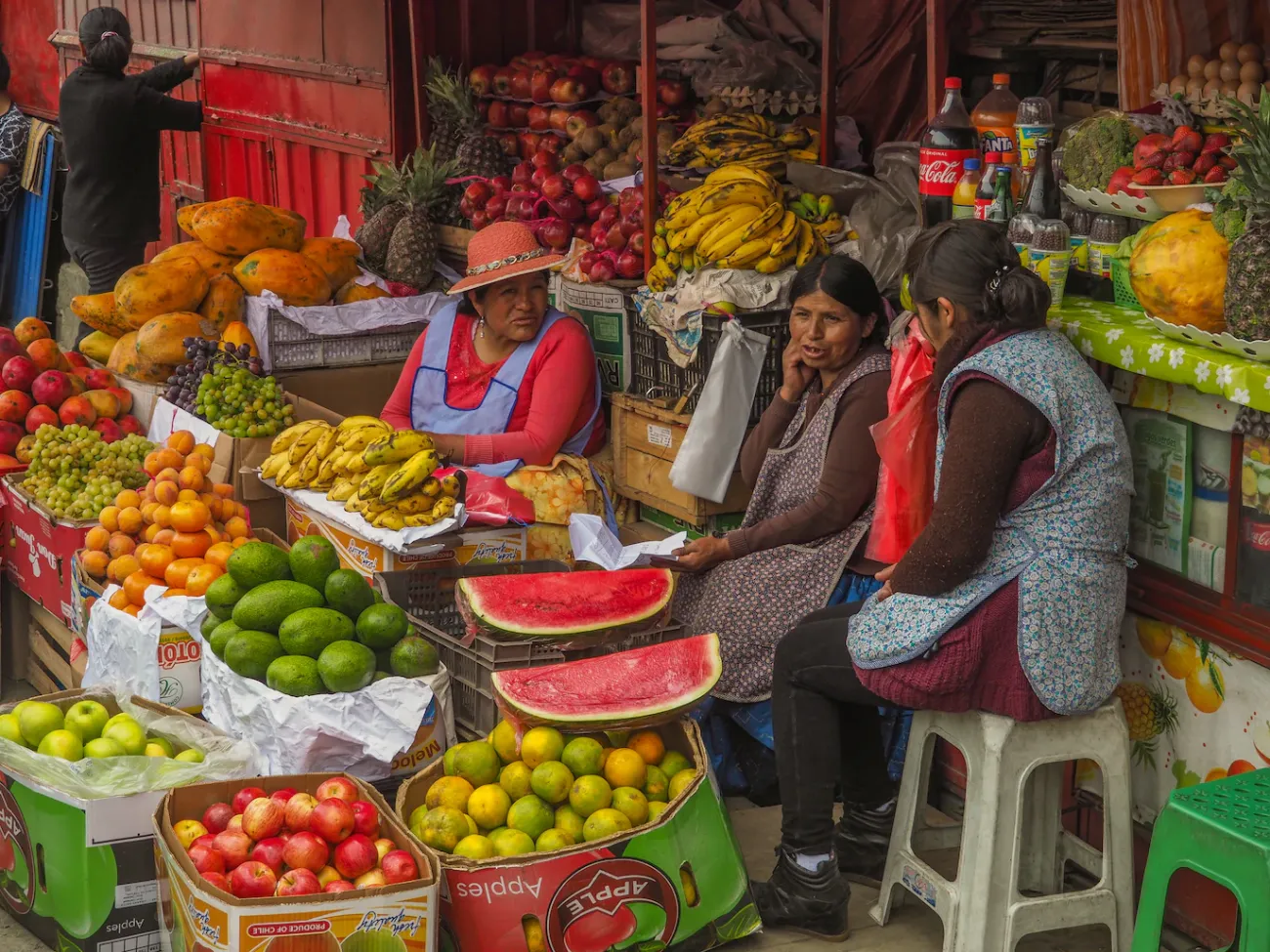
Three women sit at a market stall selling fruit in La Paz, Bolivia. Image credits: Lesly Derksen, Unsplash, Unsplash Licence.
Journal articles
Explaining a failed food sovereignty policy in Bolivia
This paper studies how a top-down (i.e. state-led) food sovereignty policy in Bolivia was negatively impacted by the “corporate food regime”. Food sovereignty was included as a central element of Bolivia’s new constitution in 2009, and regulations were introduced to prioritise food from small-scale farmers in school feeding programmes.
Read
Image
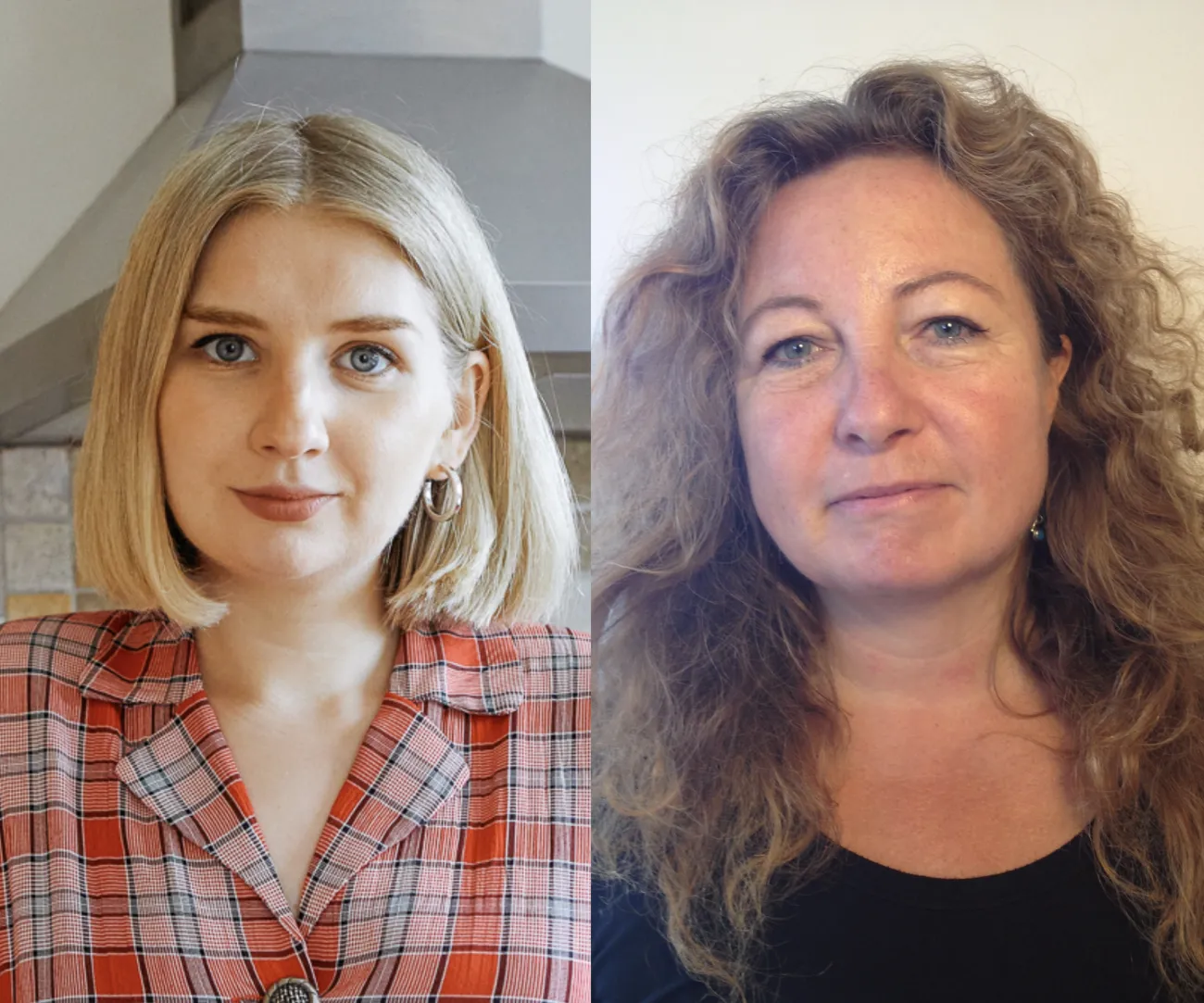
Lucy Vincent (left) and Linda Kjaer Minke (right)
Podcast episode
Ep38: Lucy Vincent and Linda Kjær Minke on Food in Prisons
How is food in UK and Danish prisons procured, prepared and eaten?
Read
Image
Convention on Biological Diversity
News and resources
COP15 reaches global biodiversity deal
December 2022 saw the signing of the Kunming-Montreal Global Biodiversity Framework, an international agreement on tackling biodiversity loss, at the COP15 meeting of parties to the UN Convention on Biological Diversity. The framework sets out four goals for 2050, relating to the maintenance and restoration of natural ecosystems, achieving sustainable development, fair and equitable sharing of the benefits from genetic resources and traditional knowledge, and securing equitable access for all framework parties to the financial and other resources needed to implement the framework.
Read
Image
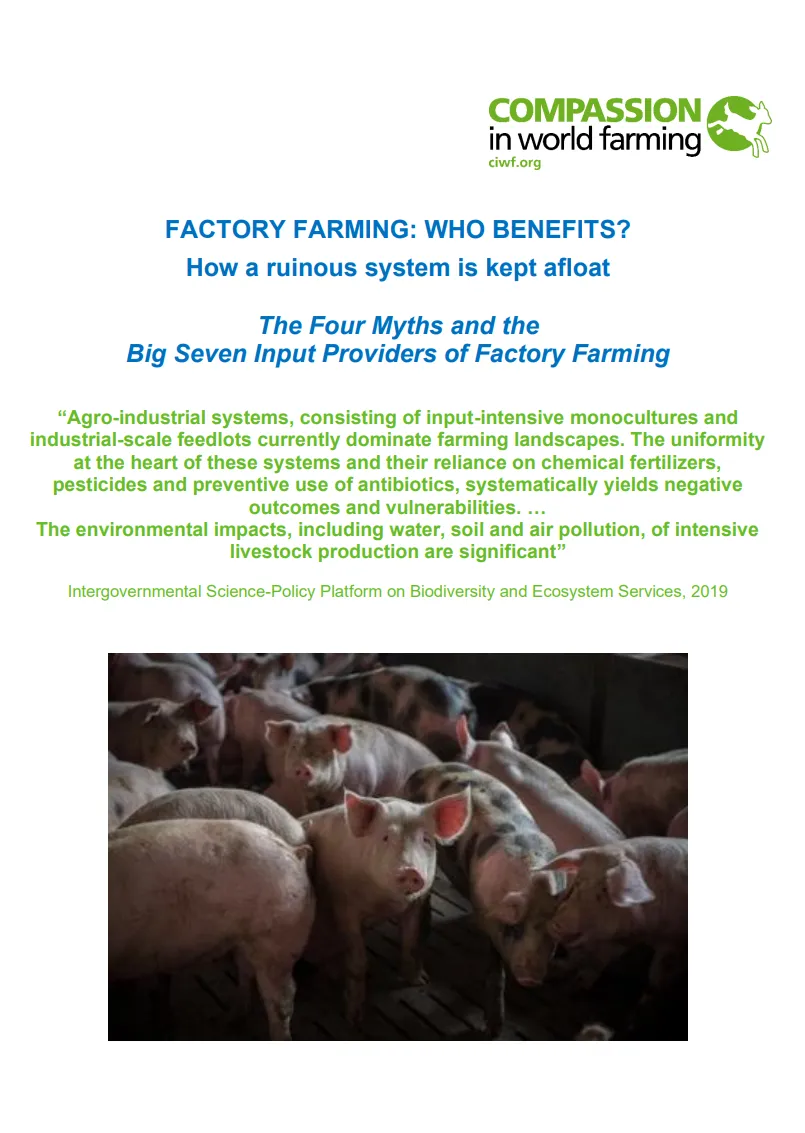
Factory Farming: Who benefits? How a ruinous system is kept afloat
Reports
Four narratives used to support factory farming
This report by the animal welfare campaign group Compassion in World Farming outlines and makes counterarguments to four narratives that it argues are being used to justify factory farming, i.e. intensive livestock farming based on high levels of edible crops as feed inputs. The four narratives are: that factory farming is necessary to feed a growing global population; that it is efficient; that it is a source of cheap food; and that it is compatible with climate mitigation targets. The report also examines the influence of large animal feed production companies on the food system.
Read
Image
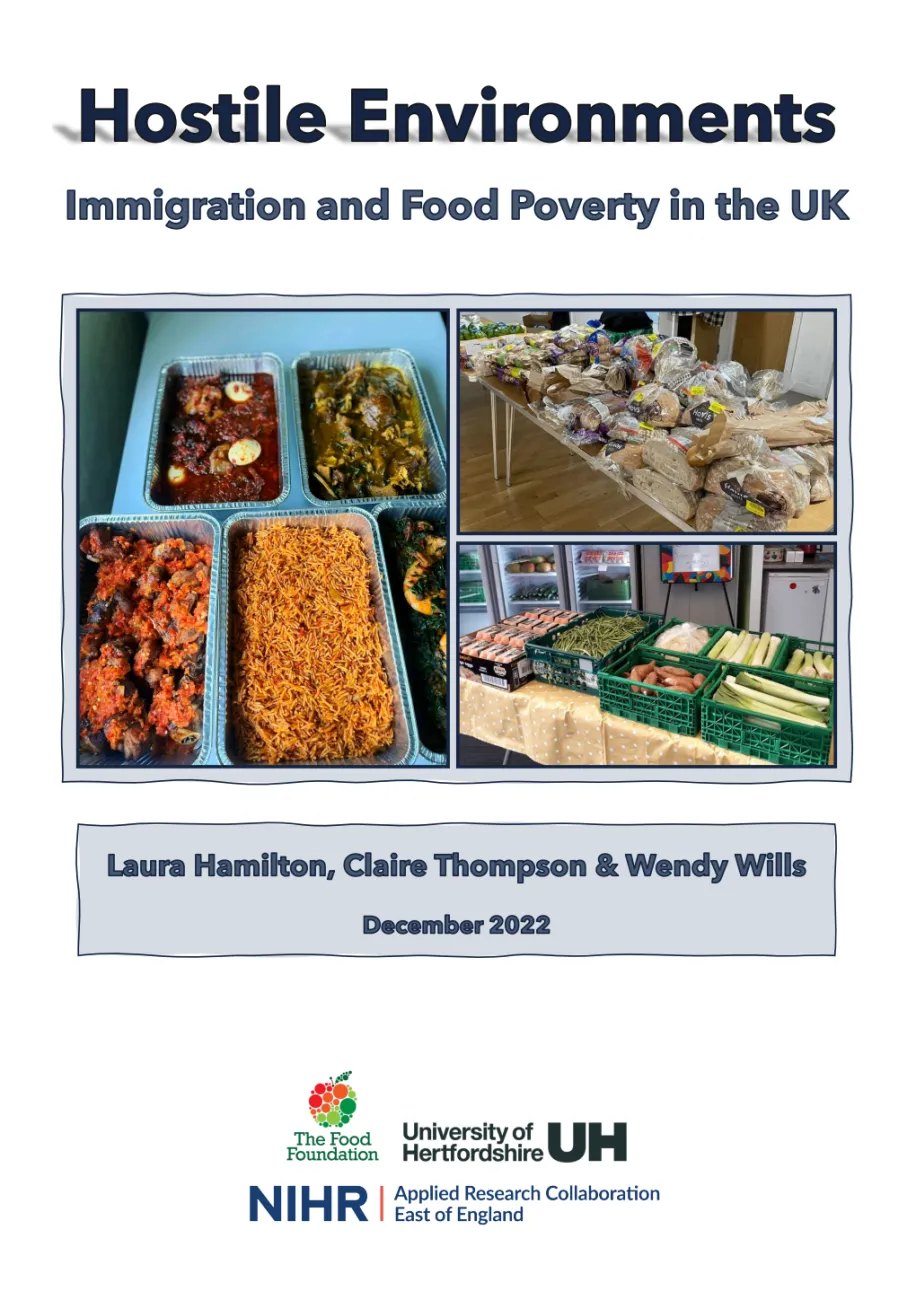
Hostile Environment: UK immigration policy and food insecurity
Reports
Hostile Environment: UK immigration policy and food insecurity
This report by the UK’s Food Foundation examines the challenges faced by families in the UK who are unable to access certain public services as a result of the “No Recourse to Public Funds” (NRPF) conditions attached to their immigration status, for example while seeking asylum. Based on interviews with affected families, the study finds that the hostile environment towards immigrants created by UK government policy contributes to a “state of perpetual instability” in relation to people’s ability to access adequate shelter and income - and hence contributing to food insecurity and dietary inequalities.
Read
Image
Jason Clay
Podcast episode
Ep36: Jason Clay on "Building and flying the plane as we go"
Ideas to increase transparency for consumers, improve livelihoods for farmers, and urgently scale up and out systems-level solution.
Read
Image
Image: Aymanejed, Laptop office hand, Pixabay, Pixabay Licence
Journal articles
How food lobbyists weakened Dutch overweight measures
This paper explores how the food industry was able to influence and weaken the 2018 Dutch prevention agreement on overweight, using documents obtained through Freedom of Information requests. It argues that so-called voluntary agreements - a form of governance developed through negotiation between public and private stakeholders - is too susceptible to industry influence, and that stronger public regulation is a better alternative.
Read
  • VIEW MORE

Sign up for Fodder, our newsletter covering sustainable food news.

Sign up
  • Glossary
  • About
  • Our Writing
  • Podcasts
  • Resources

Social

YouTube Facebook Instagram

© Copyright 2025

A collaboration between: