Close
Login Register
Search
  • About
    • What We Do
    • Who We Are
    • FAQs
  • Our Writing
    • Explainers
    • Essays
    • Letterbox
    • Reports & More
  • Podcasts
  • Our Events
  • Projects
    • Power In The Food Systems
    • Local-Global Scale Project
    • MEAT: The Four Futures Podcast
    • Fuel To Fork
    • Nature
    • Reckoning with Regeneration
    • SHIFT
    • Games at TABLE
    • Rethinking the Global Soy Dilemma
  • Resources
  • Opportunities
    • Jobs
    • Funding
    • Courses
    • Collaborations
    • Events
  • Newsletter
  • TABLE (EN)
Search
Back

Governance, policy, and power

Image
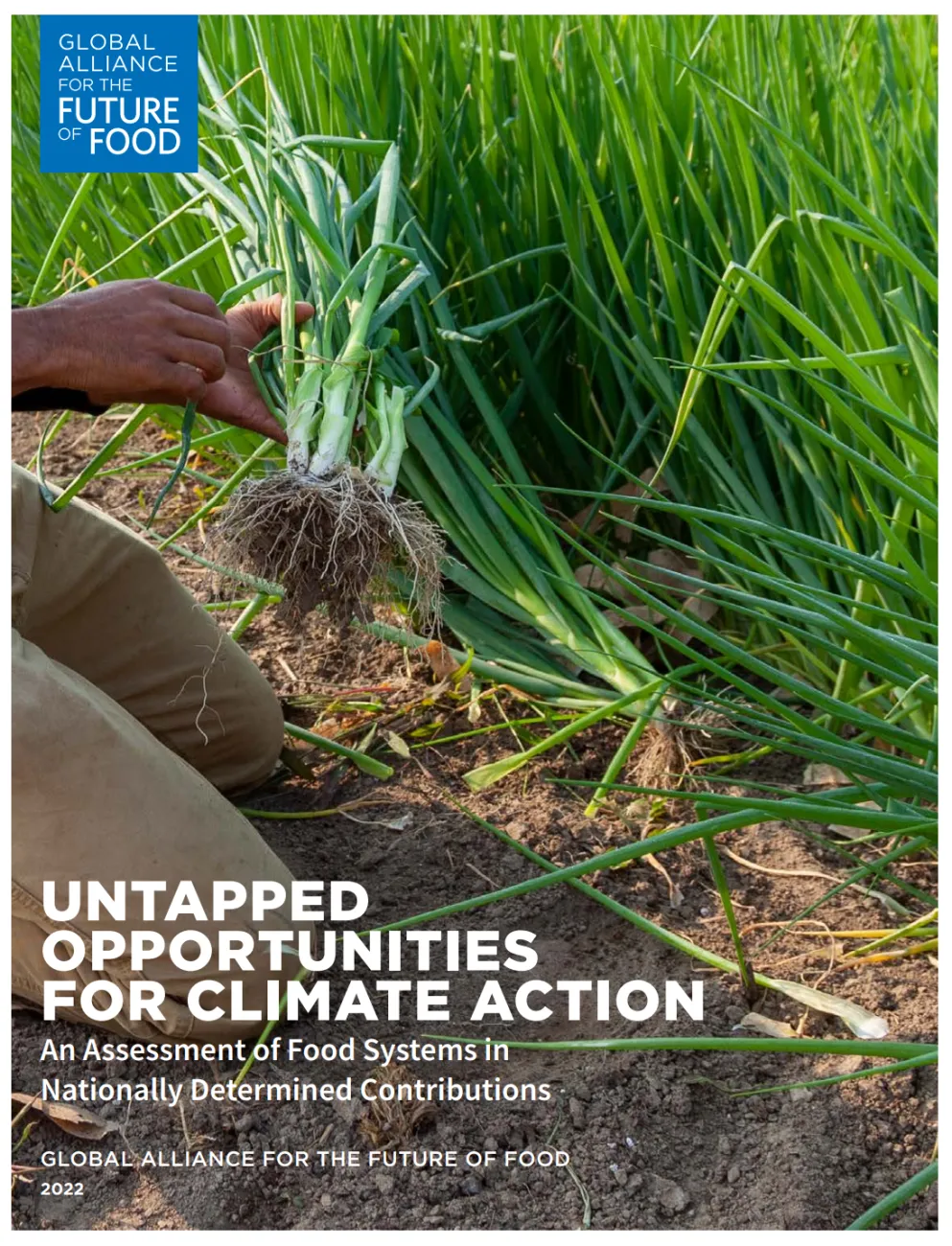
Untapped Opportunities
Reports
Food Systems in Nationally Determined Contributions
This report from the Global Alliance for the Future of Food presents 14 case studies of countries that have incorporated food systems into their nationally determined contributions (NDCs) towards meeting the climate goals of the Paris Agreement. It finds that most of the 14 countries have focused their climate efforts on food production as opposed to other parts of the food system such as diet, waste, processing and transport. Many of the assessed NDCs emphasise agroecology and regenerative agriculture as well as ecosystem protection. While many NDCs discuss food systems resilience in the face of climate change, few have put concrete adaptation measures in place.
Read
Image
Sustain
News and resources
Tackling the UK’s cost of living crisis
In this blog post, Kath Dalmeny, Chief Executive of UK NGO Sustain, argues that the cost of living crisis in the UK should be tackled using windfall taxes on large corporations that are reporting record profits; Real Living Wages that are linked to the cost of living; strong safety nets such as free school meals for all children; extending the principle of “public money for public goods” to cover more state spending on food; joined-up local responses to food crises, e.g. through local food poverty alliances; and strong accountability in government for action on food poverty.
Read
Image
12 tools for connecting food policy: A typology of mechanisms
Reports
12 tools for connecting food policy: A typology of mechanisms
This report, by Dr Kelly Parsons from the University of Hertfordshire for the UK’s Food Research Collaboration, examines 12 ways in which food policy can become more coherent across UK government departments, including informal communications, redesigning ministerial portfolios, and multi-stakeholder advisory groups.
Read
Image
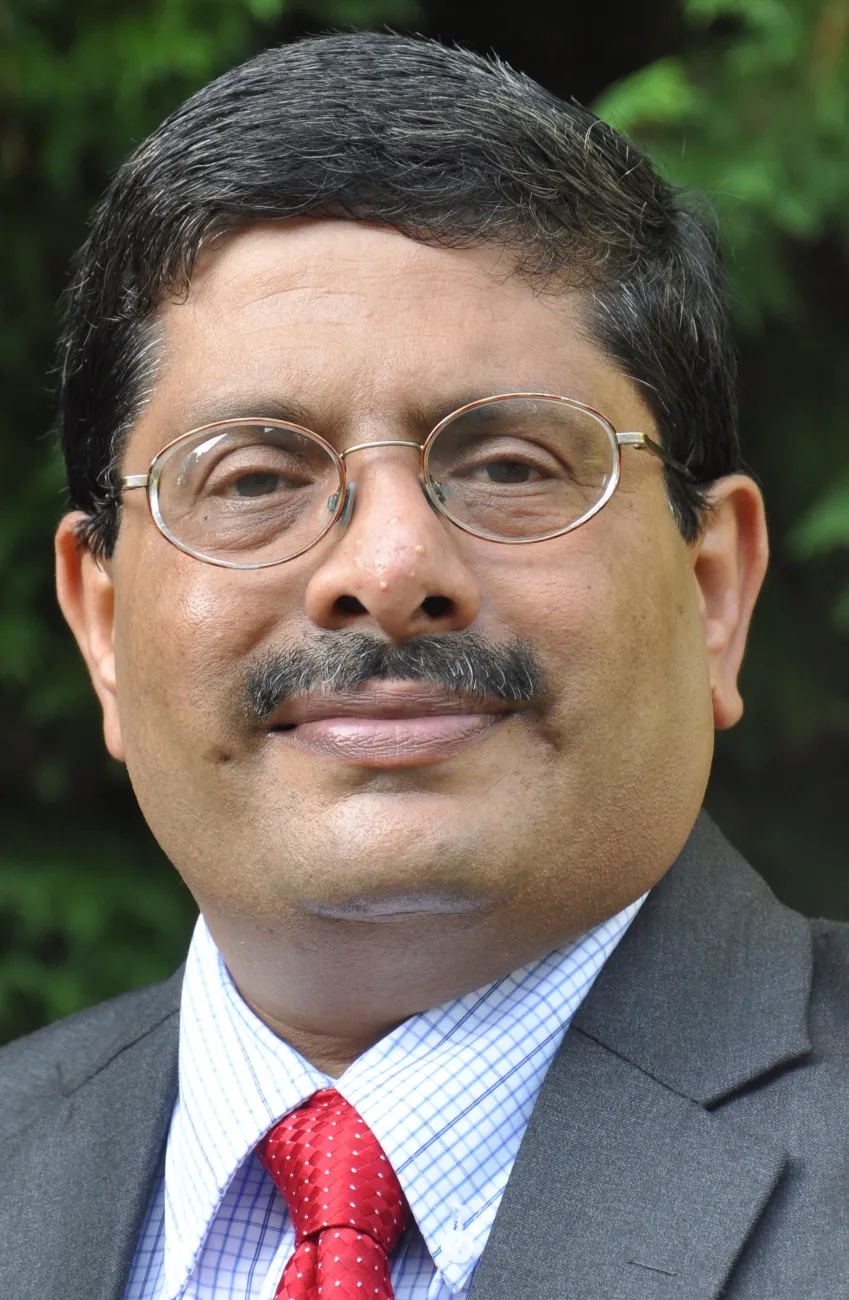
Channa
Podcast episode
Ep22: Channa Prakash on GMs, Golden Rice, and the Green Revolution
When it comes to GM debates, is ideology getting in the way of science?
Read
Image
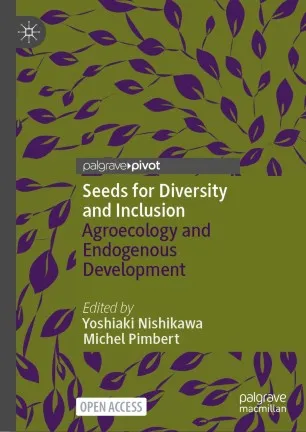
Open access: Seeds for Diversity and Inclusion
Books
Open access: Seeds for Diversity and Inclusion
This open-access book reflects on how seeds are governed, seeking to move beyond simple descriptions of competing seed system types as traditional or modern, subsistence or commercial, or local or global. It focuses on case studies from Japan.
Read
Image
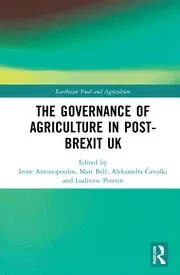
The Governance of Agriculture in Post-Brexit UK
Books
The Governance of Agriculture in Post-Brexit UK
This book discusses how the governance of British agriculture will be affected by the UK’s exit from the European Union. It looks at profitability, farmers’ rights, environmental protection and animal welfare.
Read
Image
Julie
Podcast episode
Ep21: Julie Guthman on Capital, Tech and Alternative Food
How do Silicon Valley and the Organics movement think about food systems sustainability differently?
Read
Image
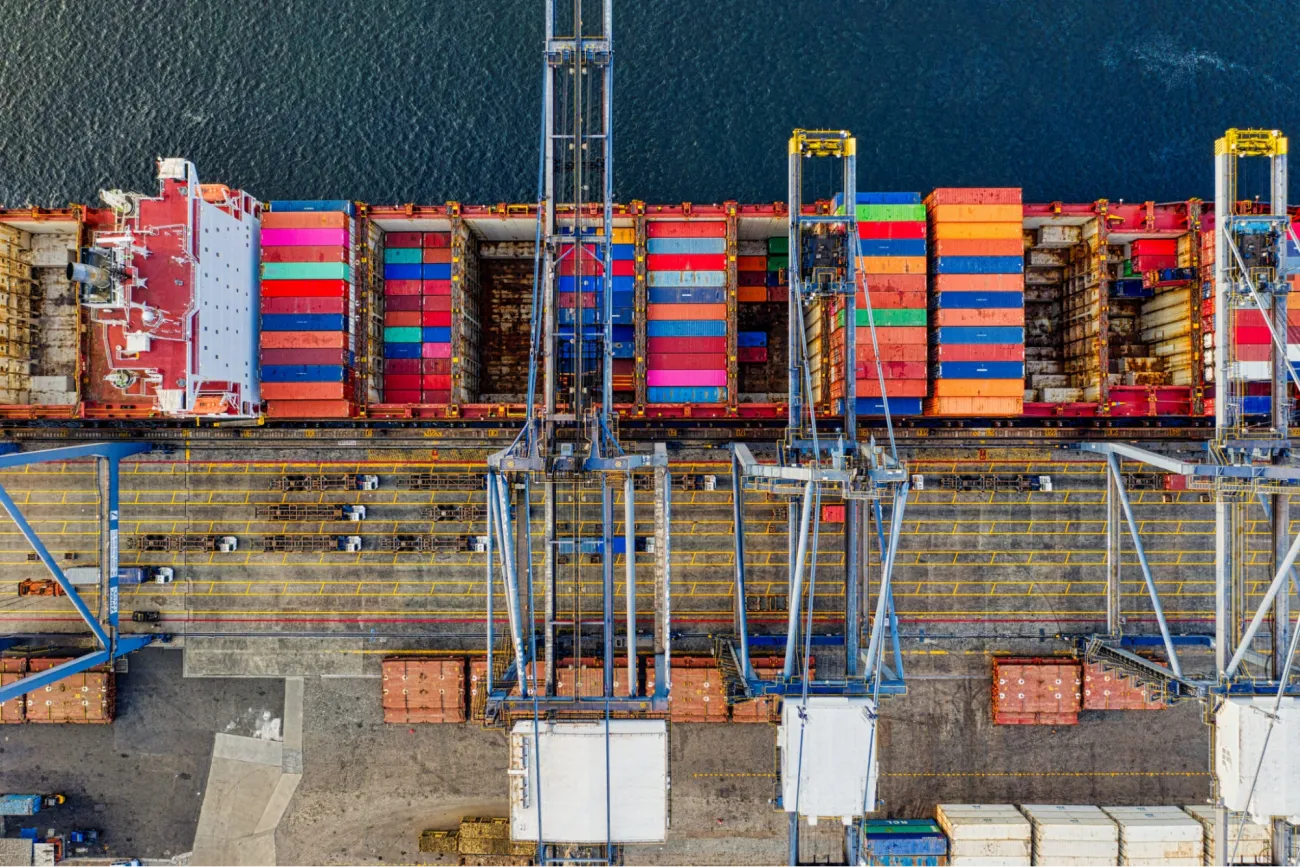
Image: Tom Fisk, Top-view Photography of Cargo Ship With Intermodal Containers, Pexels, Pexels Licence
Journal articles
Imperialist appropriation in the world economy
This paper quantifies the resources (raw materials, land, energy and labour) exchanged between the global North and South. It argues that despite the popular perception that imperialist extraction of resources ended when colonial powers withdrew from the global South, rich countries and large corporations exert power to depress the price of resources and labour in the global South. The result is “unequal exchange”: for each unit (defined below) of resources the South imports from the North, the South must export many more units to pay for it.
Read
Image
Phil
Podcast episode
Ep20: Phil Howard on Corporate Consolidation
How do food corporations cope with the fact that human stomachs remain the same size?
Read
  • VIEW MORE

Sign up for Fodder, our newsletter covering sustainable food news.

Sign up
  • Glossary
  • About
  • Our Writing
  • Podcasts
  • Resources

Social

YouTube Facebook Instagram

© Copyright 2025

A collaboration between: