Close
Login Register
Search
  • About
    • What We Do
    • Who We Are
    • FAQs
  • Our Writing
    • Explainers
    • Essays
    • Letterbox
    • Reports & More
  • Podcasts
  • Our Events
  • Projects
    • MEAT: The Four Futures Podcast
    • Fuel To Fork
    • Reckoning with Regeneration
    • SHIFT
    • Games at TABLE
    • Rethinking the Global Soy Dilemma
    • Mosaic
    • More projects
  • Resources
  • Opportunities
    • Jobs
    • Funding
    • Courses
    • Collaborations
    • Events
  • Newsletter
  • TABLE (EN)
Search
Back

Food nutrients

Image
Photo: Maria Eklind, Crepes at Patisserie David Malmö Sweden, Flickr, Creative Commons License 2.0 generic.
Resource
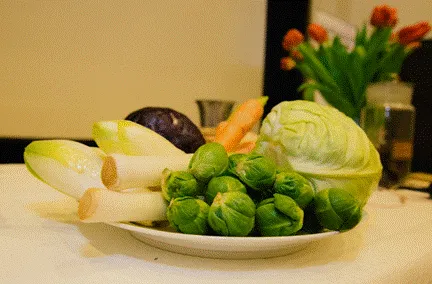
Is a diet low in greenhouse gas emissions a nutritious diet? – Analyses of self-selected diets in the LifeGene study
This research links the self-reported Food Frequency Questionnaire (FFQ) data of Swedish participants, to Life Cycle Assessment (LCA) data of carbon footprint for food products. The results of this study indicate that a self-selected diet low in diet related greenhouse gas emissions (GHGE) provides comparable intake of nutrients as a diet high in GHGE, and adheres to dietary guidelines for most nutrients.
Read
Image
Resource
Featured Reports FAO report on ‘Nutrition-sensitive agriculture and food systems in practice: options for intervention’
This report by the FAO aims to equip policymakers in ministries of agriculture and rural development, development partners and others with the tools they need to design nutrition-sensitive food and agriculture policies and programmes.
Read
Image
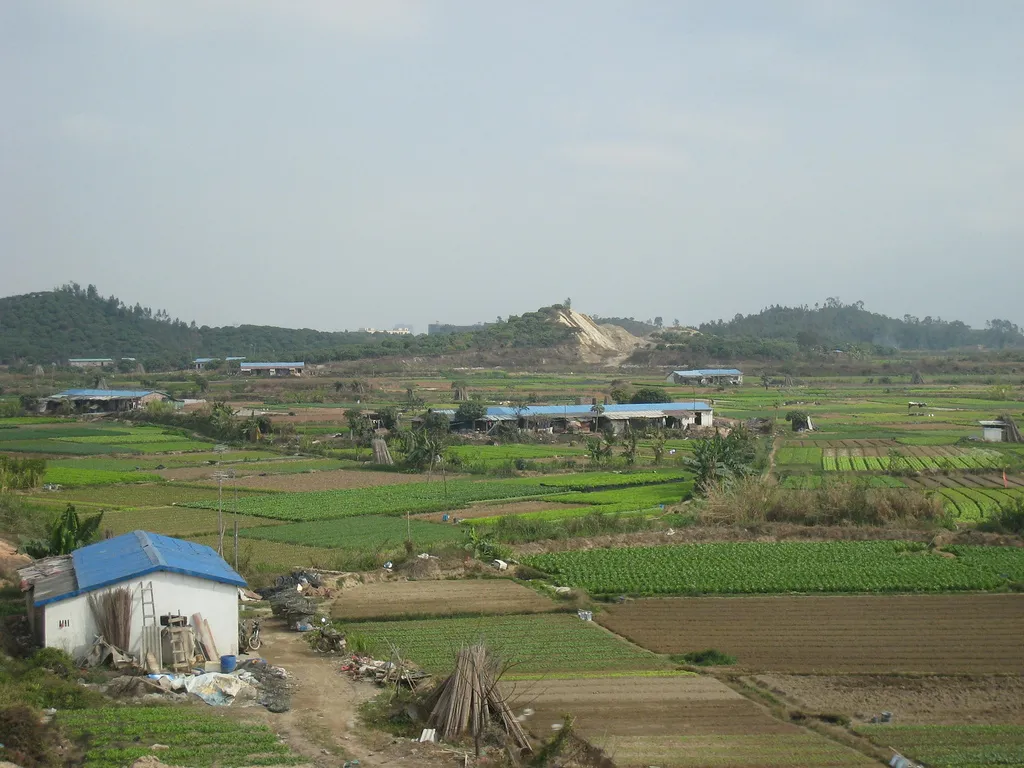
Photo: Connie, polyculture, Flickr, Creative Commons License 2.0 generic.
Resource
Farming and the geography of nutrient production for human use: a transdisciplinary analysis
This paper, taken from an inaugural edition on planetary health in the Lancet, analyses global food and nutrient production and diversity by farm size, providing evidence on how smallholder farmers contribute to the quantity and quality of our global food supply and discussing the structural impacts of agriculture on nutrient availability.
Read
Image
Resource
Nestlé intends to cut sugar in chocolate by 40% by 2018
A new patent by Nestlé scientists promises a reduction in sugar content in their chocolate and confectionary within years. 
Read
Image
Resource
Index aiming to reflect both climate impact and nutritional impact of food products
This paper by FCRN member Corné van Dooren and colleagues reports that higher greenhouse gas emissions tend to be generated in the production of energy dense foods and lower in nutrient dense foods, and that emissions show significant correlations with 15 nutrients, including saturated fat, animal protein and sodium. Using these finding, the authors propose a ‘Sustainable Nutrient Rich Foods’ (SNRF) index, which summarises both climate and nutritional impacts of individual foods.
Read
Image
Resource
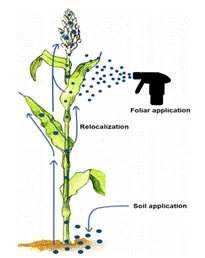
Consideration of the potential for micronutrient fertilisers to fight hidden hunger in sub-Saharan Africa
In this evidence review, co-written by FCRN member Ken Giller, the authors assess the extent to which agronomic fortification, the application of micronutrient fertiliser to crops, can improve the nutritional quality of diets in sub-Saharan Africa. They find that, while the technique has been shown to be effective in increasing the nutritional content and yield of crops, more research is required to establish the degree to which it can alleviate micronutrient deficiencies in humans.
Read
Image
Resource
European Council endorses measures for “positive nutrition” to improve food products
While regulation aimed at improving food products has traditionally focused on decreasing unhealthy ingredients such as salt or sugar, a new move to aid food producers to include healthy ingredients is on the way. At a recent workshop organised by Euractiv it was discussed how the addition of, say, protein or fibre in processed food could be policy goal as well.
Read
Image
Resource
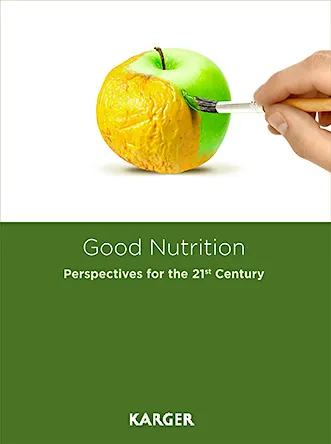
Free eBook on Good Nutrition: Perspectives for the 21st Century
This newly released free eBook aims to provide the latest perspectives on the nutrition challenges that are now common to all societies worldwide. It argues that the case for good nutrition for all people, in all parts of the globe and throughout the entire life-cycle, is growing stronger and includes contributions from some of the world’s most influential and respected experts in the field.
Read
Image
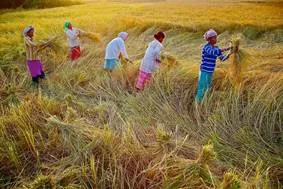
Photo credit: Michael Foley, Paddy harvest ballet, Flickr, Creative Commons licence 2.0
Resource
Using the concept of ‘nutritional yield’ as a metric to evaluate synergies and tradeoffs for sustainable agriculture
Over the past half-century, the paradigm for agricultural development has been to maximize yields through intensifying production, especially for cereal crops. But achieving food security and building a healthy, resilient global food supply is about more than just the quantity of calories provided. New metrics of success and methods of evaluation are needed in order to measure progress towards meeting the world’s nutritional needs within environmental limits.
Read
  • VIEW MORE

Sign up for Fodder, our monthly newsletter unpacking the future of food.

Tick below to opt-in to email communications.

You can change your mind at any time by clicking the unsubscribe link in the footer of any email you receive from us, or by contacting us at info@tabledebates.org.

We use Mailchimp as our marketing platform. By clicking below to subscribe, you acknowledge that your information will be transferred to Mailchimp for processing. Learn more about Mailchimp's privacy practices.

  • Glossary
  • About
  • Our Writing
  • Podcasts
  • Resources

Social

YouTube Facebook Instagram

© Copyright 2025

A collaboration between: