Close
Login Register
Search
  • About
    • What We Do
    • Who We Are
    • FAQs
  • Our Writing
    • Explainers
    • Essays
    • Letterbox
    • Reports & More
  • Podcasts
  • Our Events
  • Projects
    • Power In The Food Systems
    • Local-Global Scale Project
    • MEAT: The Four Futures Podcast
    • Fuel To Fork
    • Nature
    • Reckoning with Regeneration
    • SHIFT
    • Games at TABLE
    • Rethinking the Global Soy Dilemma
  • Resources
  • Opportunities
    • Jobs
    • Funding
    • Courses
    • Collaborations
    • Events
  • Newsletter
  • TABLE (EN)
Search
Back

TABLE

Image
Citizen science: a review
Reports
Citizen science and food - A review
This report for the UK’s Food Standards Agency (FSA), co-authored by Table member Christian Reynolds, reviews how citizen science methods can be applied to food policy. Citizen science means actively involving citizens and communities in collecting data and creating new knowledge.
Read
Image
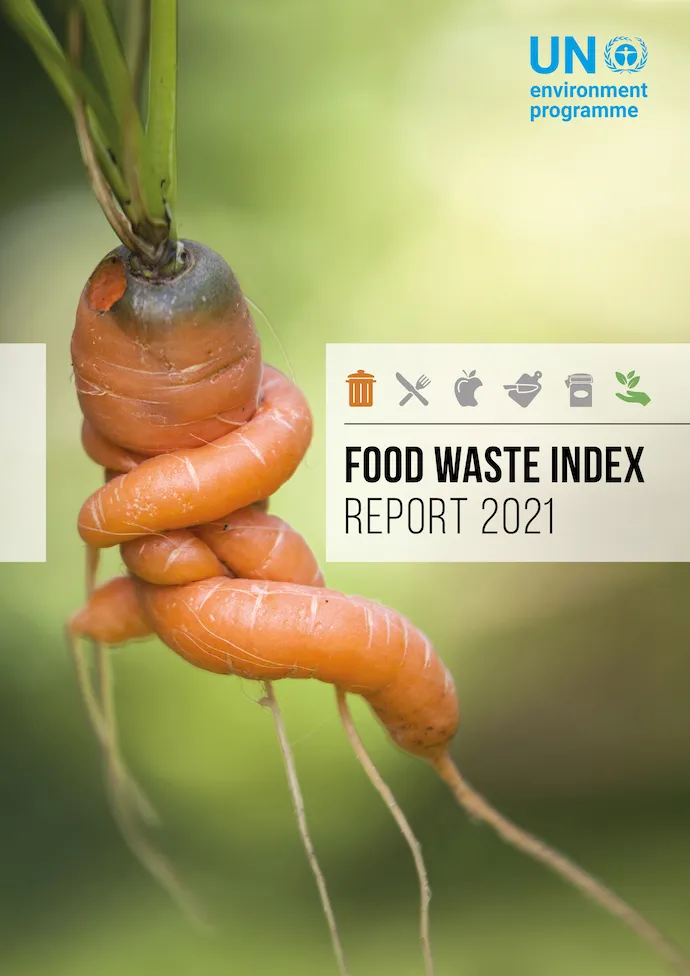
UNEP Food Waste Index Report 2021
Reports
UNEP Food Waste Index Report 2021
Table member Tom Quested has co-authored this report for the United Nations Environment Programme. The report presents up-to-date and comprehensive estimates of food waste around the world, based on the collation of a large number of national estimates of food waste. It also presents a methodology for countries to measure food waste consistently. The report focuses on waste from households, food service and retail.
Read
Image
Image: fcleetus, Pancake breakfast food, Pixabay, Pixabay Licence
Journal articles
Artificial intelligence to explore recipe nutrition & sustainability
This perspective article, co-authored by several Table members including Christian Reynolds, discusses the possibilities and challenges of using natural language processing and artificial intelligence to assess the nutritional and sustainability characteristics of recipes. The authors conclude that an interdisciplinary approach is necessary, combining artificial intelligence with expert domain knowledge.
Read
Image
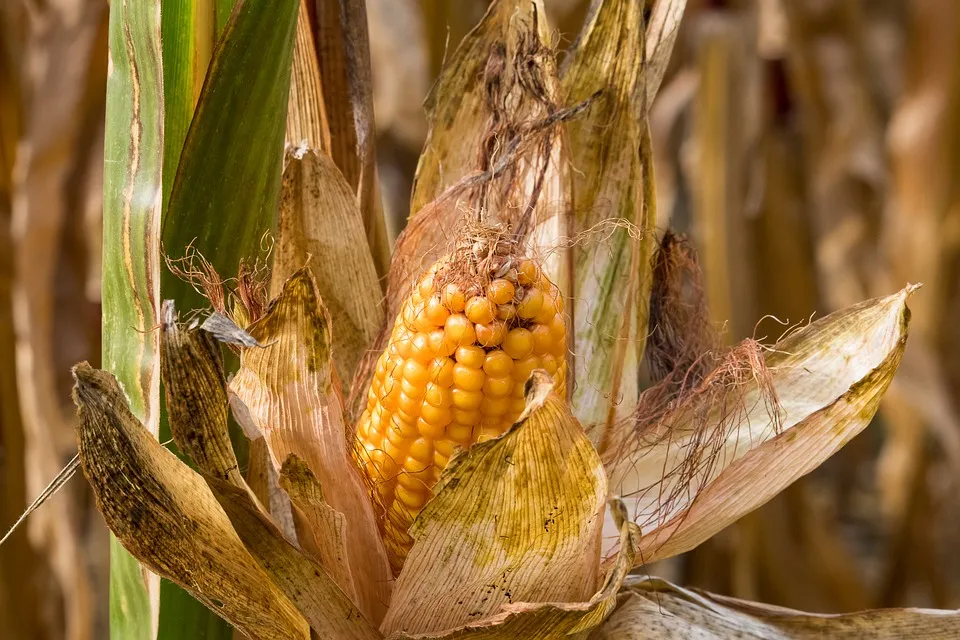
Image: minka2507, Corn on the cob plant, Pixabay, Pixabay Licence
Journal articles
Ecological deskilling from uptake of modern seed varieties
This paper, based on research with smallholder maize farms in South Africa, argues that the introduction of modern seed varieties (including hybrid and genetically modified seeds) can contribute to “ecological deskilling” and undermine food sovereignty.
Read
Image
Ask the author
Event recording
Ask The Author recording: Considering plant-based meat substitutes and cell-based meats
Ask The Author recording: Considering plant-based meat substitutes and cell-based meats On 12 March 2021, TABLE hosted an “Ask The Author” session with Raychel Santo, Brent Kim and Jan Dutkiewicz, co-authors of the paper Considering Plant-Based Meat Substitutes and Cell-Based Meats: A Public Health and Food Systems Perspective.
Read
Image
Image: acandraja, Field valley landscape, Pixabay, Pixabay Licence
Journal articles
Food systems cause a third of global GHG emissions
In 2015, 34% of anthropogenic greenhouse gas emissions were caused by the food system, according to this paper - a proportion that has fallen over time. Most of these emissions (71%) were from agriculture and land use or land use change, with the rest from other supply chain stages.
Read
Image
Institute of Food Technologists
News and resources
The food potential of microbial fermentation
In this article for the Institute of Food Technologists, Liz Specht of the Good Food Institute explores the role that microbial fermentation can play in the alternative protein sector. Specht groups microbial fermentation techniques into three classes: traditional fermentation such as cheese and yoghurt; biomass fermentation such as Quorn and tempeh; and precision fermentation for producing specific molecules, e.g. the heme protein used by Impossible Foods.
Read
Image
Africa Centre for Strategic Studies
News and resources
Food insecurity crisis mounting in Africa
According to this infographic from the Africa Centre for Strategic Studies (an academic institution within the US Department of Defence), acute food insecurity in Africa has increased by 60% from 2019 to 2020. The causes in various regions are conflict, road closures due to COVID-19, flooding, locusts, and hyperinflation. 
Read
Image
Introduction to agroecology
Books
Introduction to agroecology
This book, aimed at first year undergraduate students, defines agroecology and the agricultural practices associated with it.
Read
  • VIEW MORE

Sign up for Fodder, our monthly newsletter unpacking the future of food.

Tick below to opt-in to email communications.

You can change your mind at any time by clicking the unsubscribe link in the footer of any email you receive from us, or by contacting us at info@tabledebates.org.

We use Mailchimp as our marketing platform. By clicking below to subscribe, you acknowledge that your information will be transferred to Mailchimp for processing. Learn more about Mailchimp's privacy practices.
  • Glossary
  • About
  • Our Writing
  • Podcasts
  • Resources

Social

YouTube Facebook Instagram

© Copyright 2025

A collaboration between: