Close
Login Register
Search
  • About
    • What We Do
    • Who We Are
    • FAQs
  • Our Writing
    • Explainers
    • Essays
    • Letterbox
    • Reports & More
  • Podcasts
  • Our Events
  • Projects
    • Power In The Food Systems
    • Local-Global Scale Project
    • MEAT: The Four Futures Podcast
    • Fuel To Fork
    • Nature
    • Reckoning with Regeneration
    • SHIFT
    • Games at TABLE
    • Rethinking the Global Soy Dilemma
  • Resources
  • Opportunities
    • Jobs
    • Funding
    • Courses
    • Collaborations
    • Events
  • Newsletter
  • TABLE (EN)
Search
Back

TABLE

Image
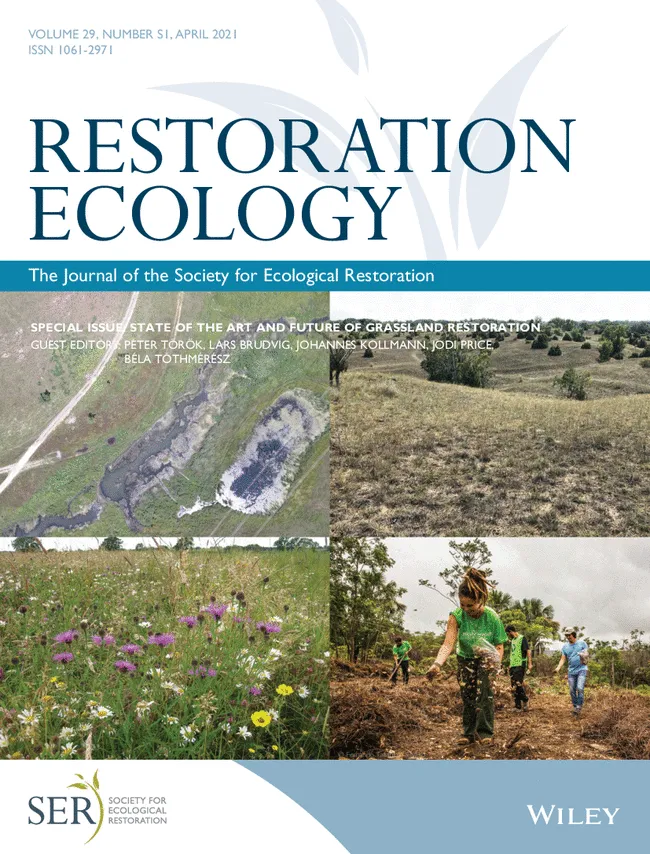
Restoration Ecology
Journal articles
State of the art and future of grassland restoration
This special issue of the journal Restoration Ecology examines trends, opportunities and research gaps in the restoration of grassland ecosystems. TABLE readers may be particularly interested in the special issue’s coverage of grazing and land-use legacies.
Read
Image
Image: Kyle Glenn, Desk global on table, Unsplash, Unsplash Licence
Journal articles
UNFSS: Resetting corporate control of food systems
This paper argues that the 2021 United Nations Food Systems Summit (UNFSS) is being used by large corporations, philanthropic organisations and export-oriented countries to take control of the narrative around food systems transformation and undermine more democratic forms of food systems governance. It analyses how the Summit was organised and how stakeholders were selected to take part.
Read
Image
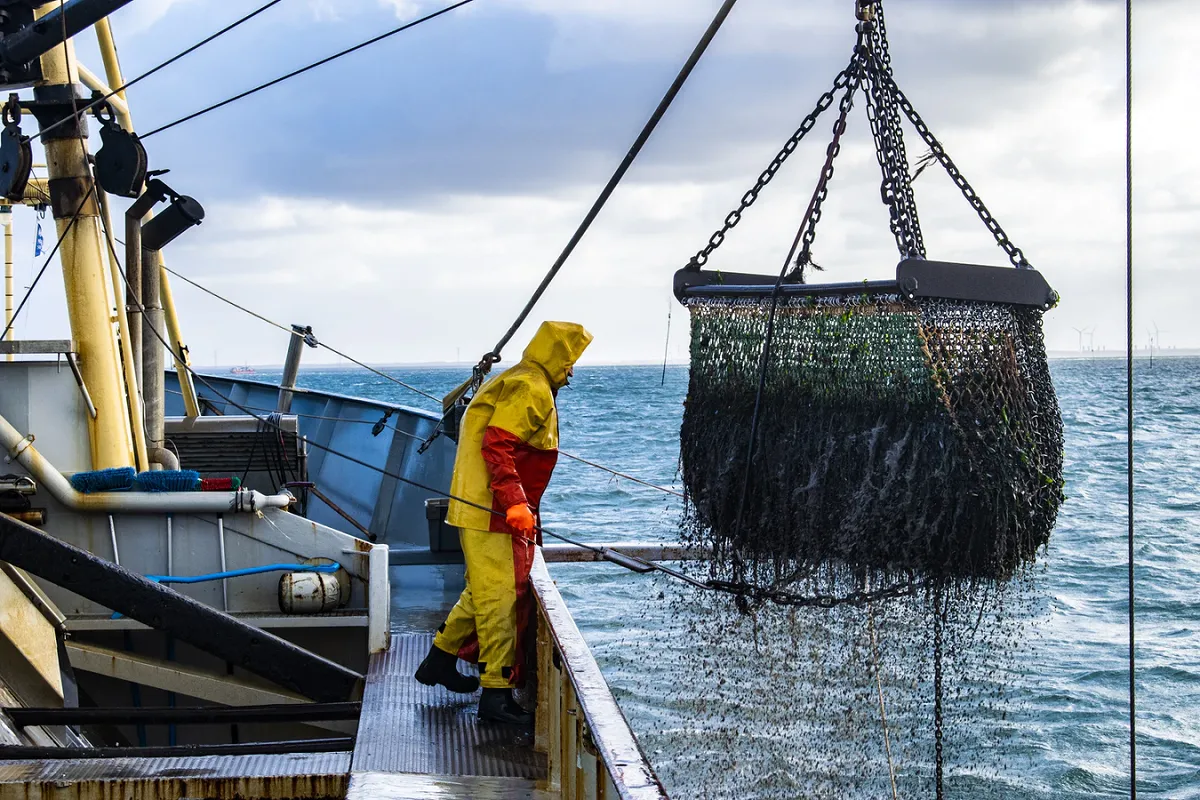
Image: Paul Einerhand, Fishing for mussels, Unsplash, Unsplash Licence.
Journal articles
Circular economy principles for a resilient seafood sector
The paper, co-authored by TABLE member Rebecca St. Clair, reviews the literature on business models in the seafood sector (covering both fisheries and aquaculture) and draws links between the principles of circular economy and resilience through a new Circular Economy Resilience Framework for Business Models (CERF-BM). It hypothesises that seafood businesses could increase their resilience (i.e. the ability to keep functioning despite external shocks and pressures) by using circular economy principles.
Read
Image
Table logo 300px
Event recording
Recording: A dialogue on Regenerative Agriculture
On 11 May 2021, TABLE and LEAP facilitated a dialogue between Ken Giller (Wageningen University) and Yichao Rui (Rodale Institute) on the topic of Regenerative Agriculture. We asked: why is it taking the world by storm and what are the broader implications for farmers and food systems?
Read
Image
WUR
News and resources
Simon Bush: Boycotting seafood will not save the seas
Prof Simon Bush, Chair of the Environmental Policy Group at Wageningen University, has written an opinion piece critically reflecting on the Netflix documentary Seaspiracy and its argument that we should stop eating fish to protect ocean ecosystems. Bush queries some of the factual claims of the film, including statements about whether fish stocks will collapse by 2048, the fraction of fish that is illegally caught and the presence of pollutants in fish. He argues that seafood is an essential source of nutrition for billions of people, including many of the poorest people.
Read
Image
International Council of Voluntary Agencies
News and resources
Aid organisations call for urgent government action on famine
NGOs have warned in an open letter to state leaders that 34 million people are currently at risk of famine, with many more experiencing hunger. The letter says “These people are not starving, they are being starved” and points to drivers including violence, inequality, the impacts of climate change, loss of land or jobs, and the impacts of COVID-19. They call for $5.5 billion to be provided to support immediate food assistance.
Read
Image
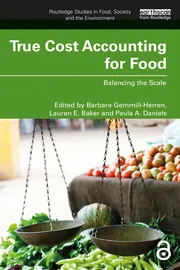
True Cost Accounting for Food: Balancing the Scale
Books
True Cost Accounting for Food: Balancing the Scale
This book explains how True Cost Accounting - i.e. the practice of tallying up all of the environmental and social costs and benefits associated with the production of a good or service - can be used to reform the food system.
Read
Image
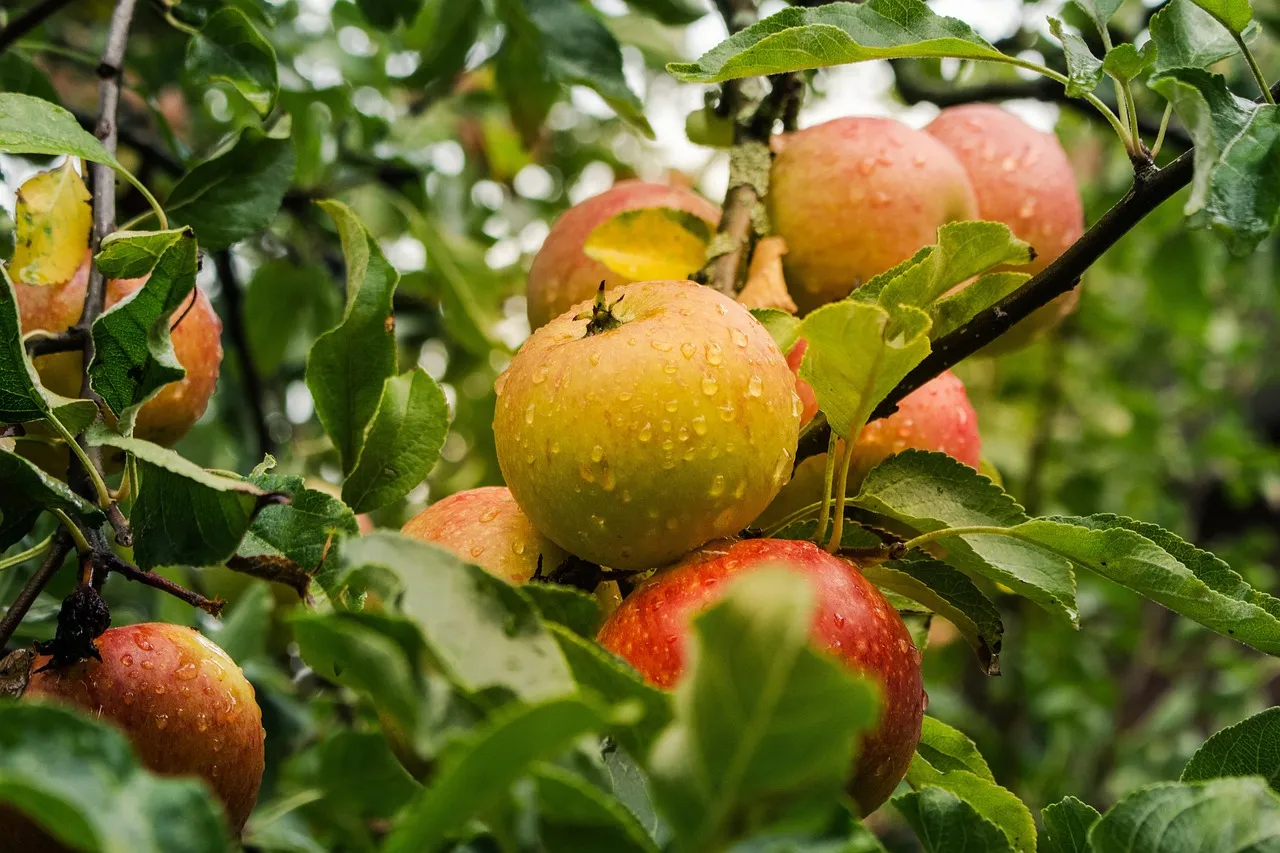
Several red-gold apples on a branch. Photo by Lichtsammler via Pixabay.
Reports
A One Health approach to food
This report by the Barilla Center for Food & Nutrition presents a “Double Pyramid” of food systems, which aims to illustrate eating styles that are both healthy and environmentally sustainable. The model (view it here) uses a “health” pyramid and a “climate pyramid”. In both, foods are placed vertically according to whether it is advised to eat them more frequently (towards the bottom of the pyramids) or less frequently (towards the top of the pyramids).
Read
Image
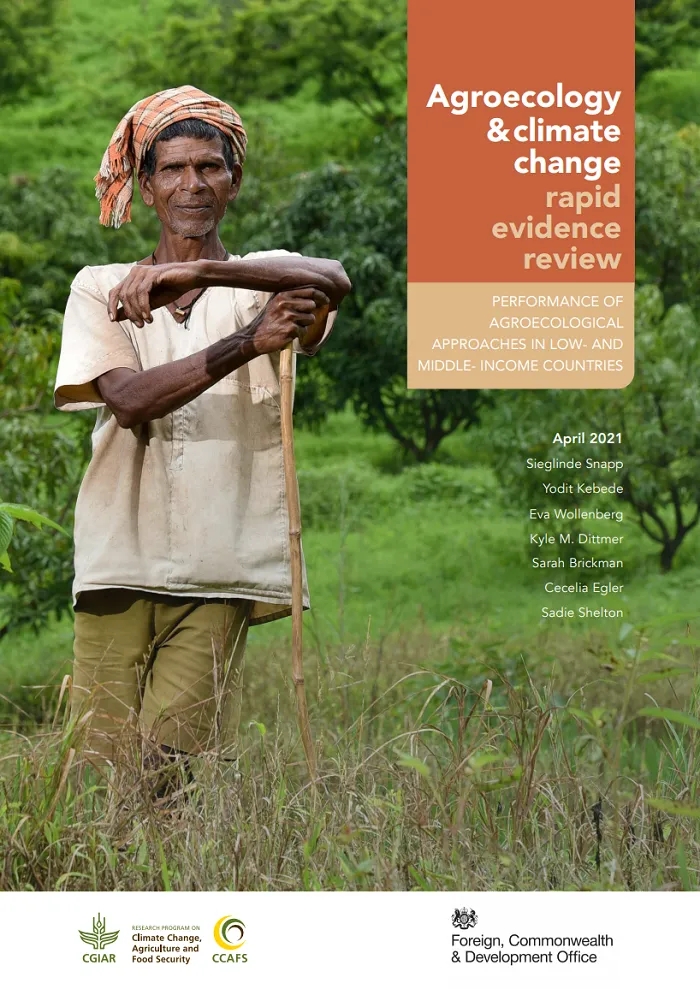
Agroecology & climate change rapid evidence review: Performance of agroecological approaches in low- and middle-income countries
Reports
Performance of agroecological approaches in LMICs
This rapid evidence review from CCAFS Low-Emissions Development assesses the performance of agroecological approaches in low- and middle- income countries. Based on over 10,000 studies, it finds that agroecological practices such as farm diversification, agroforestry and organic agriculture can help low- and middle-income countries (LMICs) in both mitigating and adapting to climate change through their food systems.
Read
  • VIEW MORE

Sign up for Fodder, our monthly newsletter unpacking the future of food.

Tick below to opt-in to email communications.

You can change your mind at any time by clicking the unsubscribe link in the footer of any email you receive from us, or by contacting us at info@tabledebates.org.

We use Mailchimp as our marketing platform. By clicking below to subscribe, you acknowledge that your information will be transferred to Mailchimp for processing. Learn more about Mailchimp's privacy practices.
  • Glossary
  • About
  • Our Writing
  • Podcasts
  • Resources

Social

YouTube Facebook Instagram

© Copyright 2025

A collaboration between: