Close
Login Register
Search
  • About
    • What We Do
    • Who We Are
    • FAQs
  • Our Writing
    • Explainers
    • Essays
    • Letterbox
    • Reports & More
  • Podcasts
  • Our Events
  • Projects
    • Power In The Food Systems
    • Local-Global Scale Project
    • MEAT: The Four Futures Podcast
    • Fuel To Fork
    • Nature
    • Reckoning with Regeneration
    • SHIFT
    • Games at TABLE
    • Rethinking the Global Soy Dilemma
  • Resources
  • Opportunities
    • Jobs
    • Funding
    • Courses
    • Collaborations
    • Events
  • Newsletter
  • TABLE (EN)
Search
Back

TABLE

Image
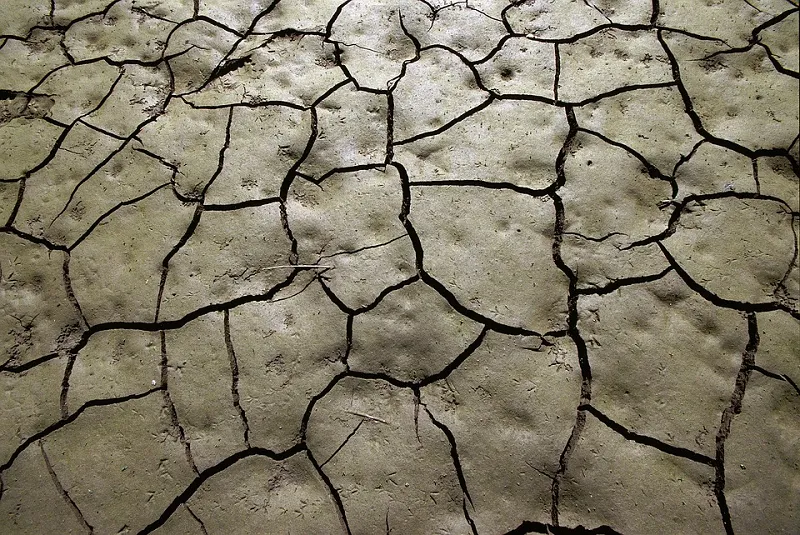
Image: ByMotion_Juanpa-vg, Mud drought soil, Pixabay, Pixabay Licence
Journal articles
Outside the climate safe space for food production
This paper sets out a “safe climatic space” for food production and finds that, while climate change could put around one third of global crop and livestock production at risk, keeping to the Paris Agreement could reduce this risk considerably.
Read
Image
Civil Eats
News and resources
Is agroecology being co-opted by Big Ag?
This article published by Civil Eats asks whether the concept of agroecology is being co-opted by proponents of marginal improvements to industrial agriculture systems. Some NGOs have introduced the term “junk agroecology” to refer to corporate forms of agroecology that do not inherently require a simultaneous social justice transformation.
Read
Image
Climate Proof-Food Podcast
News and resources
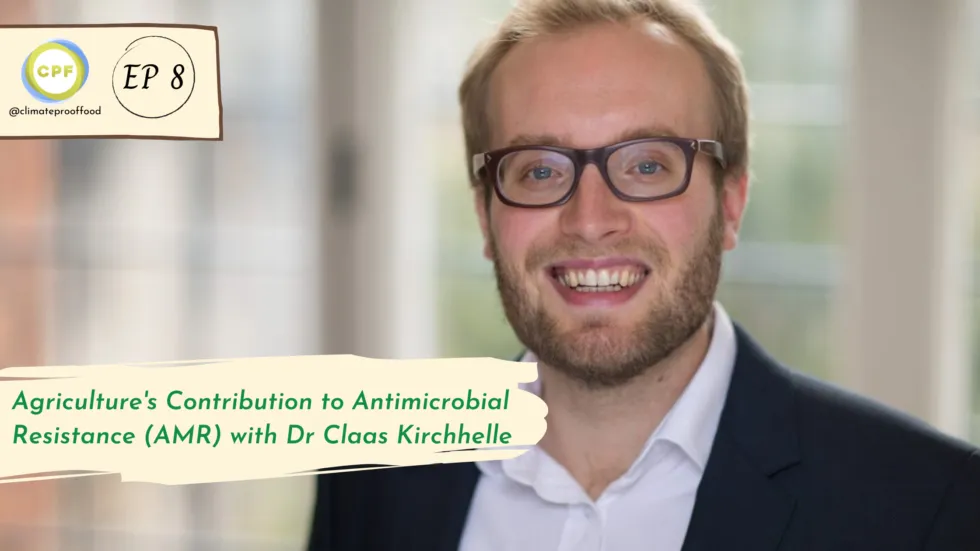
Podcast: Agriculture’s contribution to antimicrobial resistance
TABLE member Luke Spajic has hosted an episode of the Climate Proof-Food Podcast, in which Dr Claas Kirchelle, historian of science, medicine, and technology at University College Dublin, speaks about the contribution of agriculture to antimicrobial resistance.
Read
Image
Great Green Questions
News and resources
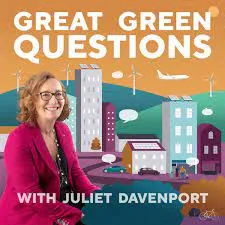
Podcast: Is being vegan the only way to save the planet?
TABLE’s Tara Garnett has been interviewed on an episode of the podcast Great Green Questions, tackling the question: "Is being vegan the only way to save the planet?" The podcast episode covers the impacts of the production and consumption of both livestock and vegan alternatives, the ‘’tyranny of choice” and the implications of click and collect culture, and whether it is possible to farm without animals.
Read
Image
Growing Resilience: Feeding the city in challenging times
Books
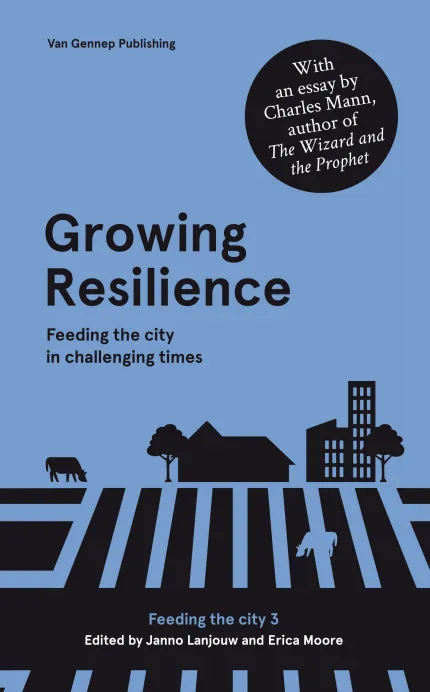
Growing Resilience: Feeding the city in challenging times
This essay collection from Dutch food innovation centre Flevo Campus discusses how the food system can become more resilient, bearing in mind the important events of 2020, including Brexit, the Black Lives Matter movement, and the COVID-19 pandemic.
Read
Image
IDH
Reports
Inclusive investments in sustainable land management
This report from IDH, the sustainable trade initiative sets out lessons learned from the work of the Land Degradation Neutrality Fund, a tool for market investment in sustainable land management such as sustainable forestry, climate mitigation projects and payments for ecosystems services. The report includes case studies on hazelnut production in Bhutan, cocoa and coffee agroforestry in Nicaragua, and sustainable forestry landscapes in Ghana and Sierra Leone.
Read
Image
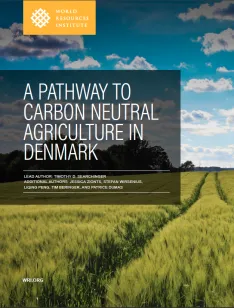
A pathway to carbon neutral agriculture in Denmark
Reports
A pathway to carbon neutral agriculture in Denmark
This report from the World Resources Institute discusses how agriculture in Denmark can become carbon neutral, in line with the net zero commitments made by many Danish agricultural organisations. It stresses the need to continuously improve agricultural technologies by supporting cooperation between researchers, farmers and businesses.
Read
Image
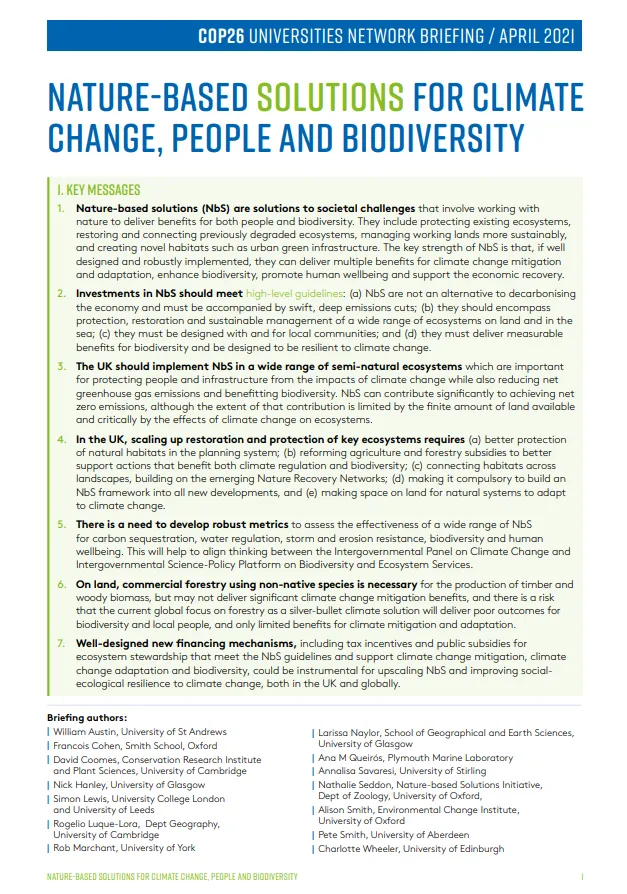
Nature-Based Solutions for Climate Change, People and Biodiversity
Reports
Nature-based solutions for climate, people and biodiversity
This briefing paper by the COP26 Universities Network explains what nature-based solutions (NbS) are and sets out policy recommendations for their implementation in the UK, spanning the UK’s chance to use the COP26 summit to promote the global adoption of good practice principles for NbS, strategic planning at the landscape scale, the economic incentives needed for NbS schemes to be effective, metrics and monitoring, and involving communities.
Read
Image
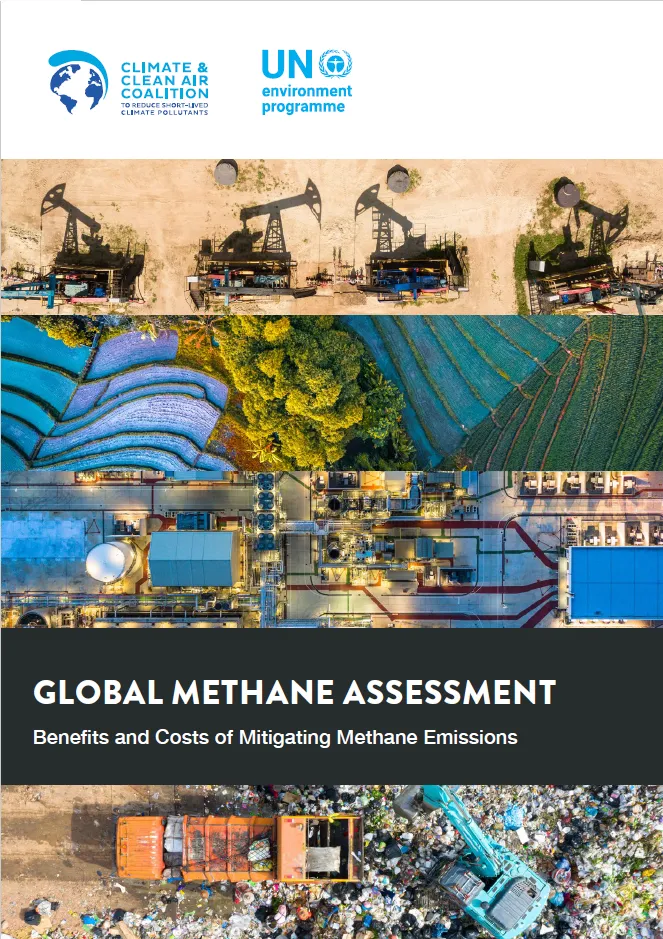
Global Methane Assessment: Benefits and Costs of Mitigating Methane Emissions
Reports
Benefits and costs of mitigating global methane emissions
This report from the United Nations Environment Programme assesses the implications of cutting global methane emissions, including those from agriculture, fossil fuels and waste. It finds that reducing human-caused methane emissions by 45% this decade would avoid nearly 0.3°C of warming by the 2040s as well as have significant co-benefits in reducing premature deaths, asthma-related hospital visits and crop losses (related to ozone exposure, as methane promotes ground-level ozone formation) and work hours lost to extreme heat (related to climate change).
Read
  • VIEW MORE

Sign up for Fodder, our monthly newsletter unpacking the future of food.

Tick below to opt-in to email communications.

You can change your mind at any time by clicking the unsubscribe link in the footer of any email you receive from us, or by contacting us at info@tabledebates.org.

We use Mailchimp as our marketing platform. By clicking below to subscribe, you acknowledge that your information will be transferred to Mailchimp for processing. Learn more about Mailchimp's privacy practices.
  • Glossary
  • About
  • Our Writing
  • Podcasts
  • Resources

Social

YouTube Facebook Instagram

© Copyright 2025

A collaboration between: