Close
Login Register
Search
  • About
    • What We Do
    • Who We Are
    • FAQs
  • Our Writing
    • Explainers
    • Essays
    • Letterbox
    • Reports & More
  • Podcasts
  • Our Events
  • Projects
    • Power In The Food Systems
    • Local-Global Scale Project
    • MEAT: The Four Futures Podcast
    • Fuel To Fork
    • Nature
    • Reckoning with Regeneration
    • SHIFT
    • Games at TABLE
    • Rethinking the Global Soy Dilemma
  • Resources
  • Opportunities
    • Jobs
    • Funding
    • Courses
    • Collaborations
    • Events
  • Newsletter
  • TABLE (EN)
Search
Back

TABLE

Image
Less meat and more plants in public sector meals
Reports
Less meat and more plants in public sector meals
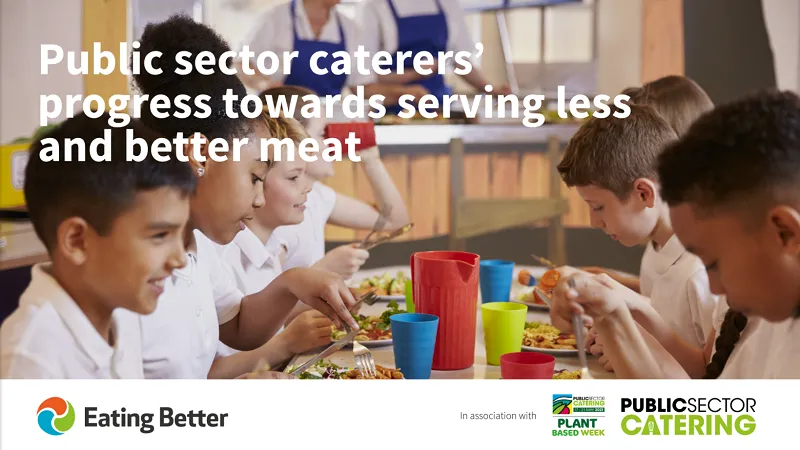
This report from UK NGO Eating Better finds that 80% of UK public sector caterers surveyed  - including schools, healthcare and universities - have committed to reducing meat content in their menus, with 83% increasing the amount of beans and pulses they offer. 60% have been using more meat replacement products, 60% said they were using less pork and processed meat, and 56% said they were reducing or removing meat-based dishes from the menu cycle. Over 20% of caterers say they are using more chicken in their dishes. The changes are attributed primarily to concerns about climate, health, nature and animal welfare. 
Read
Image
Becoming #GenerationRestoration
Reports
Becoming #GenerationRestoration
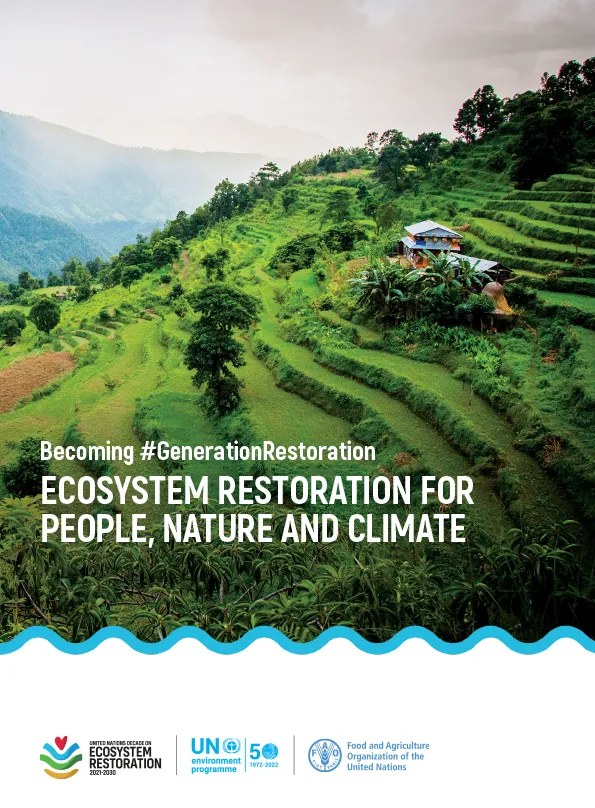
This report from the UN Environment Programme synthesises evidence on the degradation of the world’s ecosystems, sets out the economic, environmental and social benefits of ecosystem restoration, and calls for individuals and organisations to contribute - including by reducing food waste, using farmland more efficiently, and encouraging a shift towards more plant-based diets.
Read
Image
State of finance for nature
Reports
State of finance for nature
Investments in nature-based solutions such as ecosystem restoration and afforestation need to triple by 2030 to meet the world’s climate, biodiversity and land degradation targets, finds this report from the UN Environment Programme. By 2050, annual spending will need to reach US $536 billion - around four times today’s spending levels.
Read
Image
Stories of food systems transformation during COVID-19
Reports
Stories of food systems transformation during COVID-19
This report from the Global Alliance for the Future of Food profiles how various food initiatives have responded to the COVID-19 pandemic, with the aim of demonstrating that transformative food system change is possible. Case studies include a non-profit distributor of sustainably grown food in Philadelphia, a food bank in Lagos, Fiji’s Ministry of Agriculture and “solidarity kitchens” in Rio de Janeiro.
Read
Image
Image: dima_goroziya, Compass hand travel, Pixabay, Pixabay Licence
Journal articles
A Sustainability Compass for food policy navigation
This paper proposes a “Sustainability Compass” that uses a hierarchical approach to define sustainability scores for four aspects of food systems: health, environment, economy and equity. The framework is designed to evaluate food policies, including by drawing attention to trade-offs and synergies across different goals. The paper suggests that the Compass can be used during agenda setting, policy formulation, decision-making and policy evaluation.
Read
Image
Image: estheri, Cows pasture, Pixabay, Pixabay licence
Journal articles
Taxing food consumption to reduce environmental impacts
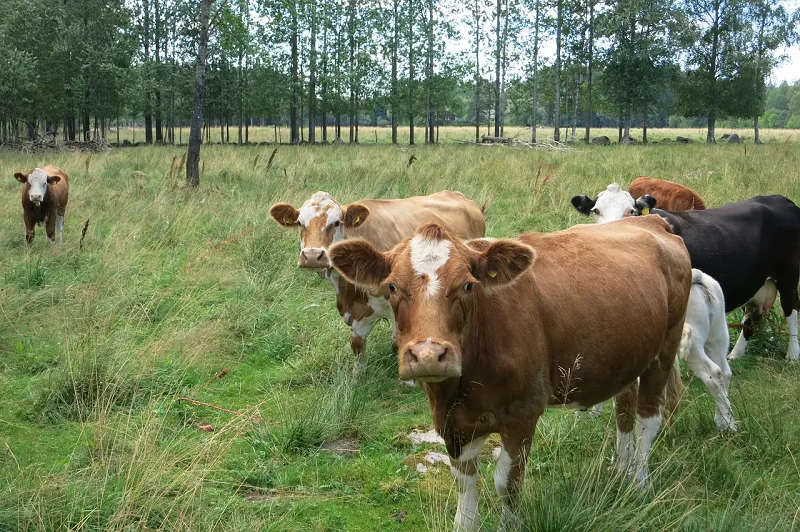
This modelling paper, co-authored by TABLE member Elin Röös, examines the synergies and goal conflicts that could arise from different food taxation scenarios in Sweden. It finds that while taxing foods can reduce most environmental impacts, one scenario - reducing tax on plant-based products - might cause increases in environmental impacts by encouraging higher total food consumption. It also examines the trade-offs for land use and biodiversity protection associated with limiting beef consumption through taxation.
Read
Image
Image: Peggychoucair, Cereals corn stalks, Pixabay, Pixabay licence
Journal articles
Effects of a consolidated seed sector on the food system
This perspective article by Jennifer Clapp examines the effects of corporate consolidation in the global seed and agrochemical industry. Clapp argues that corporations in this sector with concentrated power can influence the wider food system in many ways, including by influencing markets, technology and governance. The global seed and agrochemical sector is dominated by just four firms - Bayer, Corteva, ChemChina-Syngenta and BASF - down from six in the early 2000s. 
Read
Image
Table logo 300px
Event recording
Recording: TABLE launch event: Should the future of food be global or local?
TABLE's official launch event on 2 June 2021 celebrated the transition from the Food Climate Research Network into TABLE. The event centred on perhaps one of the most complex questions around food and sustainability: At what scale should the food system operate? In other words, should the future food system be more globalised or localised, and why? Please leave your comments and reflections on this question or the event in the commenting section at the bottom of this page.
Read
Image
Mootral
News and resources
CowCredits approved to offset flights
Carbon credits generated through feed supplementation to reduce methane emissions from cattle farming have been approved under the CORSIA scheme, which is an international agreement on offsetting increases in carbon dioxide emissions from aviation. The feed supplement, created by Swiss company Mootral, is based on compounds from garlic and citrus and has been found to reduce methane emissions by an average of 30% in a trial on a commercial dairy farm. 
Read
  • VIEW MORE

Sign up for Fodder, our monthly newsletter unpacking the future of food.

Tick below to opt-in to email communications.

You can change your mind at any time by clicking the unsubscribe link in the footer of any email you receive from us, or by contacting us at info@tabledebates.org.

We use Mailchimp as our marketing platform. By clicking below to subscribe, you acknowledge that your information will be transferred to Mailchimp for processing. Learn more about Mailchimp's privacy practices.
  • Glossary
  • About
  • Our Writing
  • Podcasts
  • Resources

Social

YouTube Facebook Instagram

© Copyright 2025

A collaboration between: