Close
Login Register
Search
  • About
    • What We Do
    • Who We Are
    • FAQs
  • Our Writing
    • Explainers
    • Essays
    • Letterbox
    • Reports & More
  • Podcasts
  • Our Events
  • Projects
    • Power In The Food Systems
    • Local-Global Scale Project
    • MEAT: The Four Futures Podcast
    • Fuel To Fork
    • Nature
    • Reckoning with Regeneration
    • SHIFT
    • Games at TABLE
    • Rethinking the Global Soy Dilemma
  • Resources
  • Opportunities
    • Jobs
    • Funding
    • Courses
    • Collaborations
    • Events
  • Newsletter
  • TABLE (EN)
Search
Back

TABLE

Image
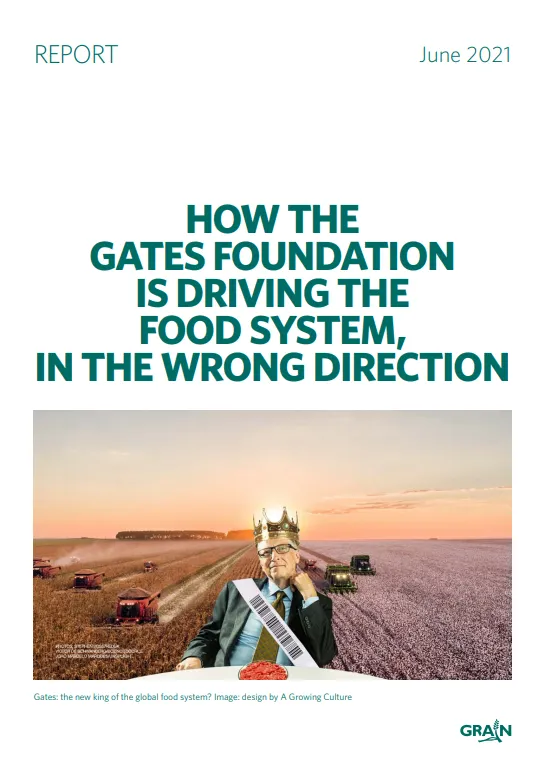
How the Gates Foundation is driving the food system
Reports
How the Gates Foundation is driving the food system
This report from international non-profit GRAIN analyses all food and agriculture grants made by the Bill & Melinda Gates Foundation, aiming to understand how the Foundation is influencing the food system. It finds that while most of the grants are supposedly targeted towards African farmers, most of the funding actually goes to groups in North America and Europe, including research, development and policy organisations. The report argues that the Foundation has a harmful influence and that its activities gloss over the knowledge, technologies and biodiversity that farmers in the Global South already possess.
Read
Image
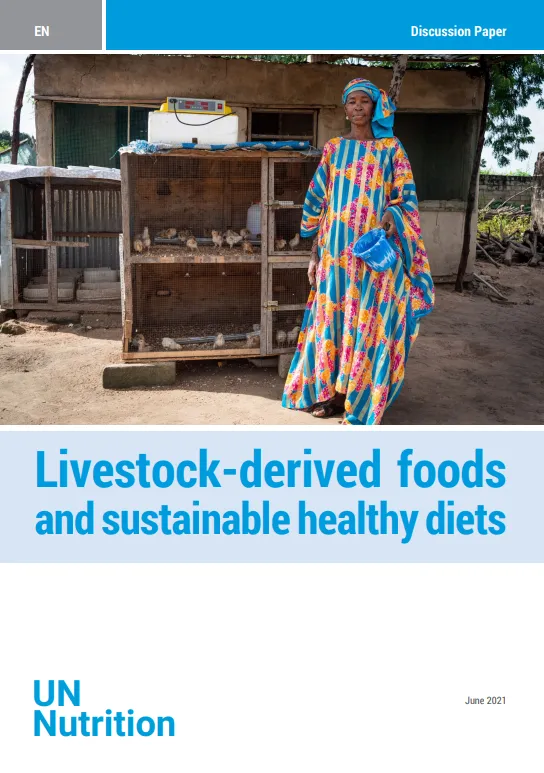
Livestock-derived foods and sustainable healthy diet
Reports
Livestock-derived foods and sustainable healthy diet
This discussion paper from UN Nutrition examines the role that livestock can play in contributing to nutrition, particularly for young children and in low-income settings, and the impacts of livestock on the environment. It aims to go beyond blanket messages about livestock-derived food and instead provide a nuanced overview of how the role of livestock in sustainable healthy diets depends on local context and specific production methods. It concludes that some groups of people - such as those already eating high levels of livestock-derived foods - could improve both health and environmental impacts by reducing their consumption.
Read
Image
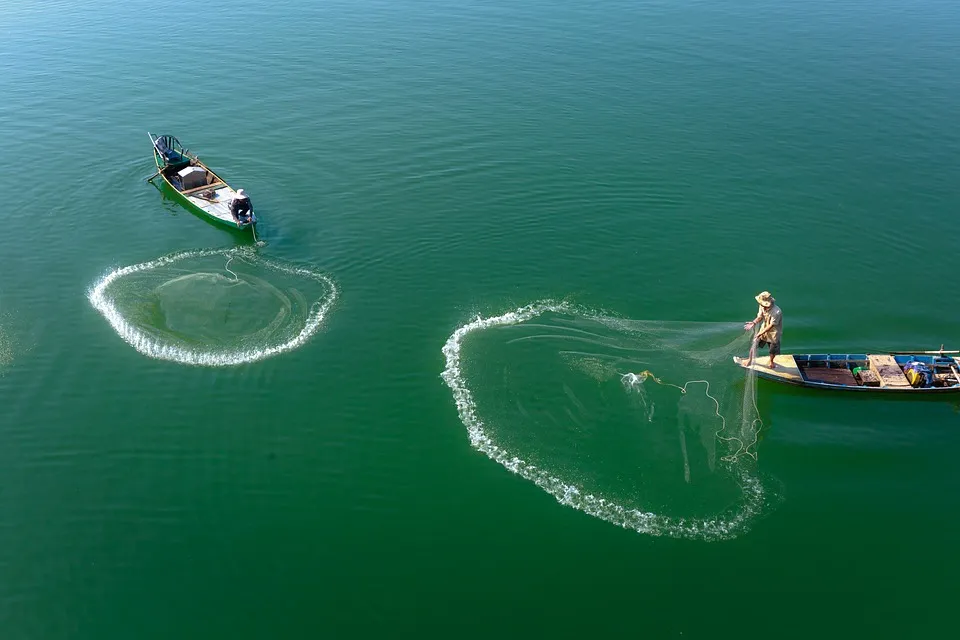
Image: Quangpraha, Outdoor fish fishing, Pixabay, Pixabay Licence
Journal articles
Paradigm shifts in aquatic food production
This paper presents two qualitative narratives for possible futures of seafood production: a transition from fisheries towards aquaculture, and the co-existence of both fisheries and aquaculture. Within each narrative, the authors examine what could happen in the presence or absence of regulation.
Read
Image
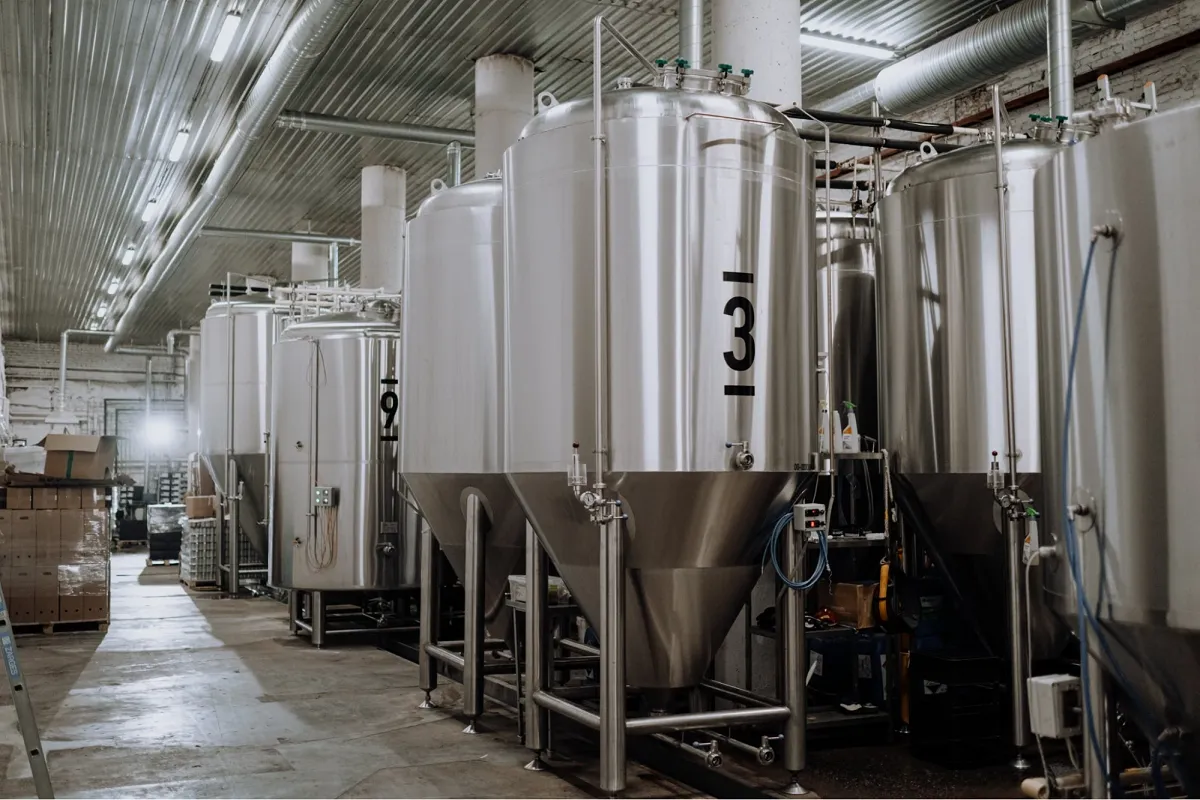
Image: cottonbro, Stainless Steel and Black Industrial Machine, Pexels, Pexels Licence
Journal articles
Solar-powered microbial biomass offers low-impact protein
This paper models the resource use of solar-powered single-cell protein (SCP) production and finds that SCP can produce 10 times more protein and double the calories per unit of land, compared to conventional crop production. SCP is any form of edible biomass from microbes such as algae, fungi or bacteria.
Read
Image
BIOMILQ
News and resources
BIOMILQ produces first milk from cultured human cells
US-based startup BIOMILQ says it has produced the world’s first milk made from lab-cultured human mammary cells. The product, made by culturing human mammary cells in the laboratory, has a similar composition of “proteins, complex carbohydrates, fatty acids and other bioactive lipids” to breast milk. BIOMILQ stresses that its product is not identical to breastmilk, the composition of which can be influenced by hormones, baby behaviour, skin contact and so on. Furthermore, it does not contain the antibodies that breast milk does.
Read
Image
The Consumer Council
News and resources
Short film: Accessing healthy, affordable food on a low income
This short film from the Consumer Council explores the difficulties that low-income households in Northern Ireland face in accessing healthy and affordable food, particularly with the financial impacts of the COVID-19 pandemic. It features parents, academics and people working in local communities.
Read
Image
Can fixing dinner fix the planet?
Books
Can fixing dinner fix the planet?
This free online book explores how consumers, nations, and international organisations can work together to improve food systems and restore ecosystems and their ability to provide for people.
Read
Image
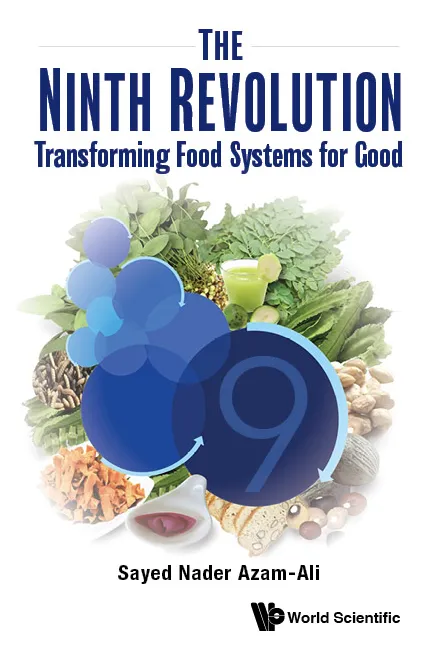
The Ninth Revolution: Transforming food systems for good
Books
The Ninth Revolution: Transforming food systems for good
This book outlines historical revolutions in the global food system and calls for the global food system to become more diverse in many aspects, including crop species, production systems and farming cultures. 
Read
Image
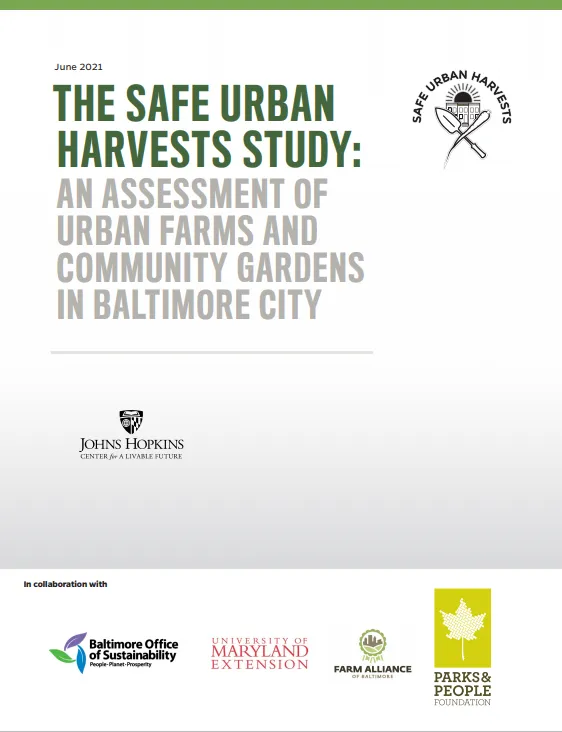
The safe urban harvests study
Reports
Metal levels in soil, water and food from urban farms
This report from the John Hopkins Center for a Livable Future addresses a common concern among urban farming communities: is food grown in the city safe to eat? Focusing on Baltimore, it finds that soil, water and produce from the urban farms and gardens studied have safe levels of harmful metals, with some rare exceptions. TABLE staff member Matthew Kessler contributed to this project. 
Read
  • VIEW MORE

Sign up for Fodder, our monthly newsletter unpacking the future of food.

Tick below to opt-in to email communications.

You can change your mind at any time by clicking the unsubscribe link in the footer of any email you receive from us, or by contacting us at info@tabledebates.org.

We use Mailchimp as our marketing platform. By clicking below to subscribe, you acknowledge that your information will be transferred to Mailchimp for processing. Learn more about Mailchimp's privacy practices.
  • Glossary
  • About
  • Our Writing
  • Podcasts
  • Resources

Social

YouTube Facebook Instagram

© Copyright 2025

A collaboration between: