Close
Login Register
Search
  • About
    • What We Do
    • Who We Are
    • FAQs
  • Our Writing
    • Explainers
    • Essays
    • Letterbox
    • Reports & More
  • Podcasts
  • Our Events
  • Projects
    • Power In The Food Systems
    • Local-Global Scale Project
    • MEAT: The Four Futures Podcast
    • Fuel To Fork
    • Nature
    • Reckoning with Regeneration
    • SHIFT
    • Games at TABLE
    • Rethinking the Global Soy Dilemma
  • Resources
  • Opportunities
    • Jobs
    • Funding
    • Courses
    • Collaborations
    • Events
  • Newsletter
  • TABLE (EN)
Search
Back

TABLE

Image
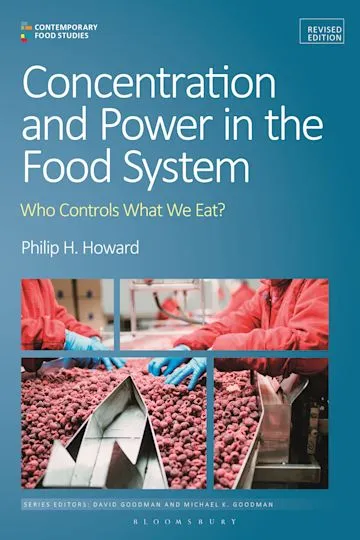
Concentration and power in the food system
Books
Concentration and power in the food system
This book - which has been revised and updated since its first publication in 2016 - explores how large firms exert control over the food system, how initiatives such as microbreweries and seed saving networks are opposing these power dynamics, and how Big Data and automation might shape the food system.
Read
Image
The role of food environments for sustainable food systems
Reports
The role of food environments for sustainable food systems
This policy briefing produced by the EU Food Policy Coalition provides an evidence-driven review of how food environments - i.e. the physical, economic, political and socio-cultural context in which people make decisions about consuming food - shape food demand. It argues that food environments are key to transforming the food system, by making healthy, sustainable foods the options that are the most available, accessible, affordable, enjoyable and widely promoted.
Read
Image
Are livestock always bad for the planet?
Reports
Are livestock always bad for the planet?
Research programme PASTRES (Pastoralism, Uncertainty and Resilience: Global Lessons from the Margins) has produced this report, which argues that debates around livestock’s climate impacts are distorted by a focus on intensive production systems in rich countries. It argues that these debates ignore the millions of people who depend on relatively low-impact forms of extensive livestock production, and makes suggestions for how to include pastoralists in debates on the future of food.
Read
Image
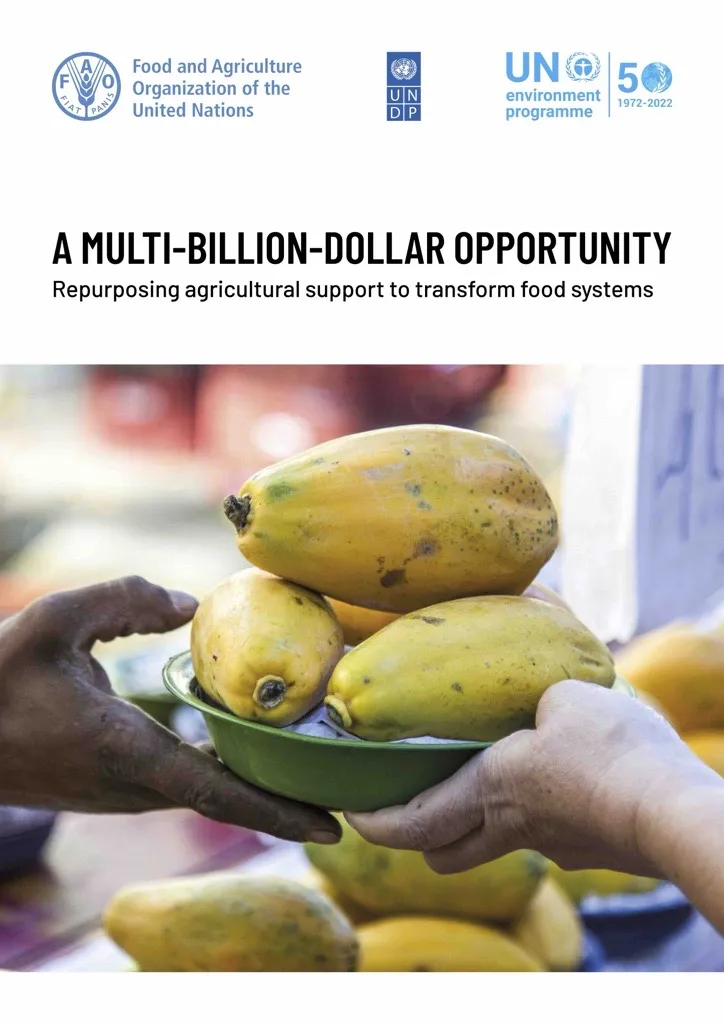
Repurposing agricultural support to transform food systems
Reports
Repurposing agricultural support to transform food systems
This report by the Food and Agriculture Organisation (FAO), the UN Development Programme (UNDP) and the UN Environment Programme (UNEP) finds that 87% of current global government support for farming includes measures that are harmful to nature or health. It argues that redirecting - rather than eliminating - agricultural subsidies is key to making the global food system more healthy, sustainable and equitable.
Read
Image
Food Systems Handbook
Reports
Crop Diseases & Pests - Roundtable Report on Interventions
This report from the Food Systems Handbook examines the impacts of crop pests and diseases on food security and farmer livelihoods, drawing on a roundtable of experts held in August 2021. It discusses the scale of the problems, the additional impacts that climate change is likely to have, and various interventions including genetic engineering, early warning systems, integrated pest management, post-harvest storage techniques, crop diversity, and legumes to enhance the soil biome.
Read
Image
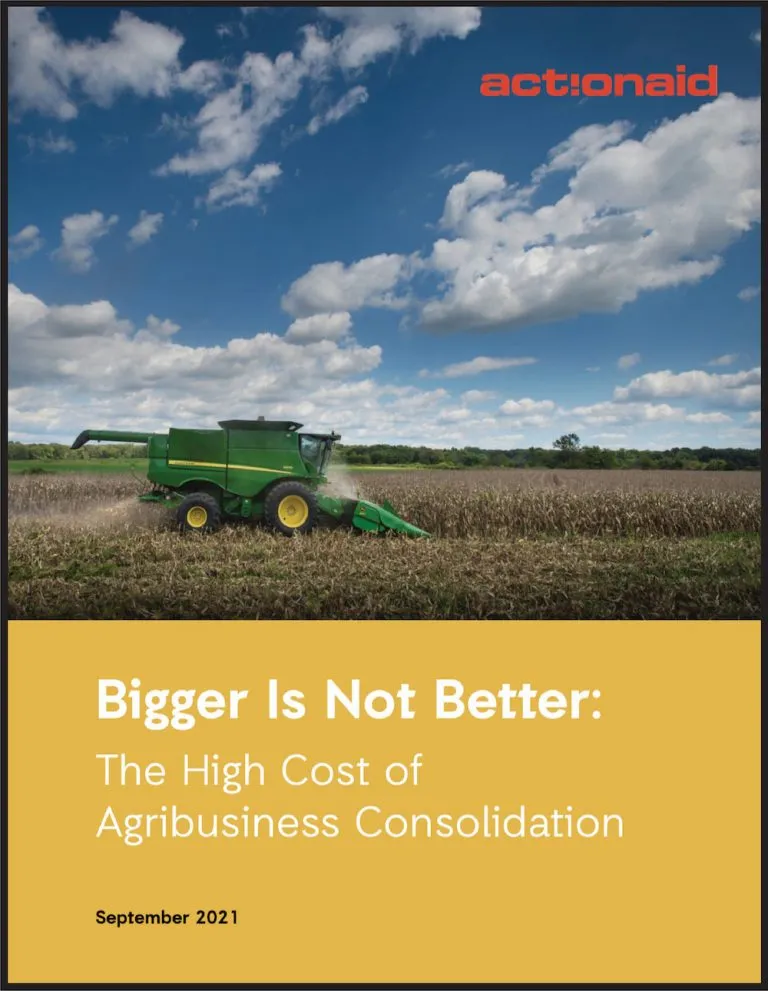
The high cost of agribusiness consolidation in the US
Reports
The high cost of agribusiness consolidation in the US
This report by ActionAid USA examines corporate consolidation by US agribusinesses. It attributes the high degree of market control by a small number of multinational companies to decades of policy choices that supported corporate consolidation and larger farms. The report summarises the impacts on rural communities, such as loss of autonomy for farmers when using pricing models based on data-driven corporate recommendations. It also sets out an alternative model: a network of small-scale, localised farms and markets.
Read
Image
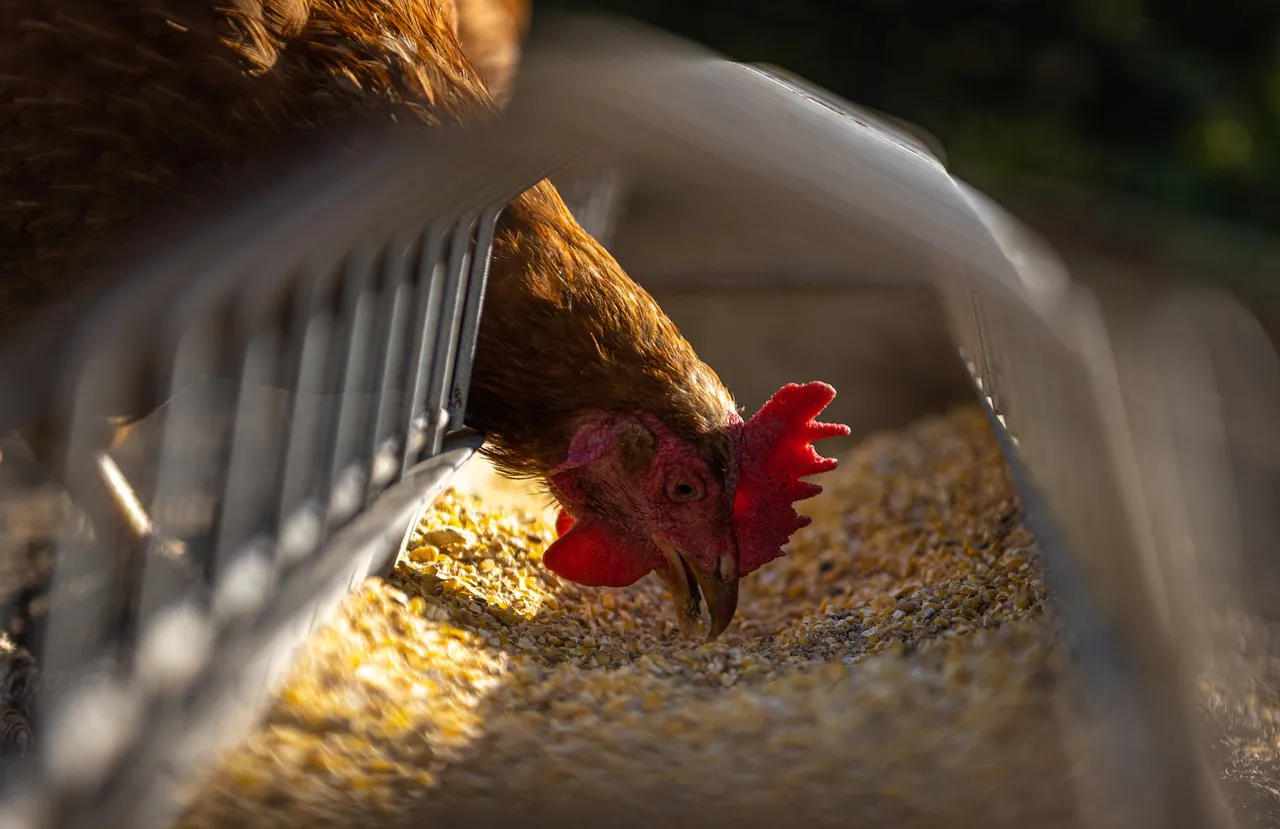
Image: AndreaGoellner, Hen chicken feeding, Pixabay, Pixabay Licence
Journal articles
Can insect protein reduce chicken’s carbon footprint?
This paper compares the carbon footprint of broiler meat production in Europe with two uses of insect protein: either as chicken feed (in the place of soybean meal), or as food for direct consumption by humans. There is high variation in performance between insect species. On average, the carbon footprint per kg of protein produced for human consumption is lowest in the case of consuming insect protein directly as food, where the insects are fed on low-value industrial side streams. Replacing soybean meal chicken feed with insects can increase the carbon footprint, especially if the insects are fed on industrially produced composite feed as opposed to a waste stream.
Read
Image
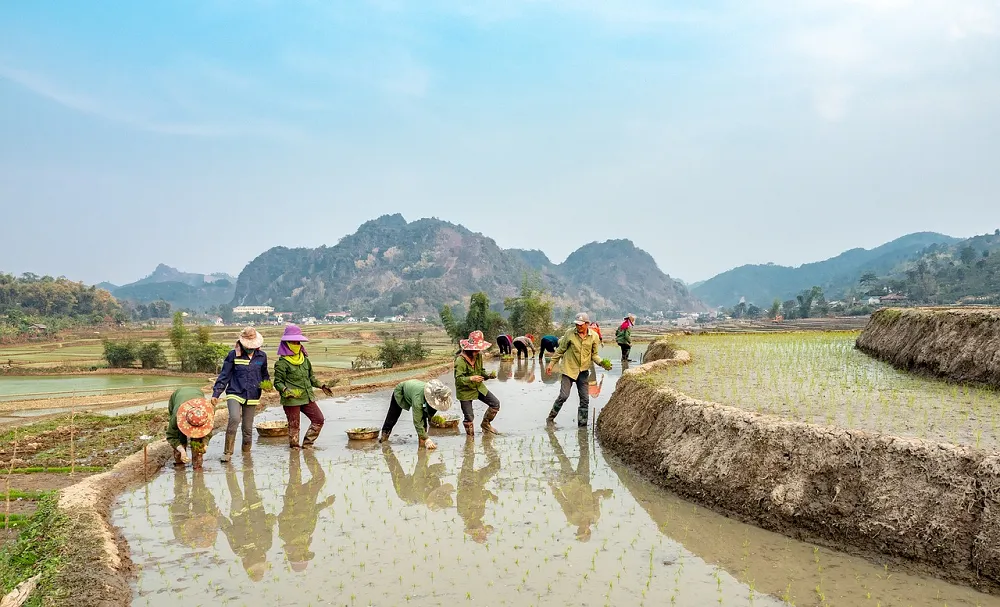
Image: TranDuyet, Farmers rice fields, Pixabay, Pixabay Licence
Journal articles
The future of farming: Who will produce our food?
This paper, co-authored by TABLE’s Ken Giller, looks at trends in farming systems and land ownership to explore who the farmers of the future might be, with a focus on the future of smallholder farming. 
Read
Image
Image: analogicus, Shopping cart, Pixabay, Pixabay Licence
Journal articles
How does market power affect the resilience of food supply?
This paper explores the links between market power - i.e. the influence that a firm or group of firms has over customers or suppliers - and the resilience of food supply chains to shocks, focusing on the UK as an example. It finds that market power can produce both positive and negative effects on resilience. 
Read
  • VIEW MORE

Sign up for Fodder, our monthly newsletter unpacking the future of food.

Tick below to opt-in to email communications.

You can change your mind at any time by clicking the unsubscribe link in the footer of any email you receive from us, or by contacting us at info@tabledebates.org.

We use Mailchimp as our marketing platform. By clicking below to subscribe, you acknowledge that your information will be transferred to Mailchimp for processing. Learn more about Mailchimp's privacy practices.
  • Glossary
  • About
  • Our Writing
  • Podcasts
  • Resources

Social

YouTube Facebook Instagram

© Copyright 2025

A collaboration between: