Close
Login Register
Search
  • About
    • What We Do
    • Who We Are
    • FAQs
  • Our Writing
    • Explainers
    • Essays
    • Letterbox
    • Reports & More
  • Podcasts
  • Our Events
  • Projects
    • Power In The Food Systems
    • Local-Global Scale Project
    • MEAT: The Four Futures Podcast
    • Fuel To Fork
    • Nature
    • Reckoning with Regeneration
    • SHIFT
    • Games at TABLE
    • Rethinking the Global Soy Dilemma
  • Resources
  • Opportunities
    • Jobs
    • Funding
    • Courses
    • Collaborations
    • Events
  • Newsletter
  • TABLE (EN)
Search
Back

TABLE

Image
Image: Ehrecke, Plough plow agriculture, Pixabay, Pixabay Licence
Journal articles
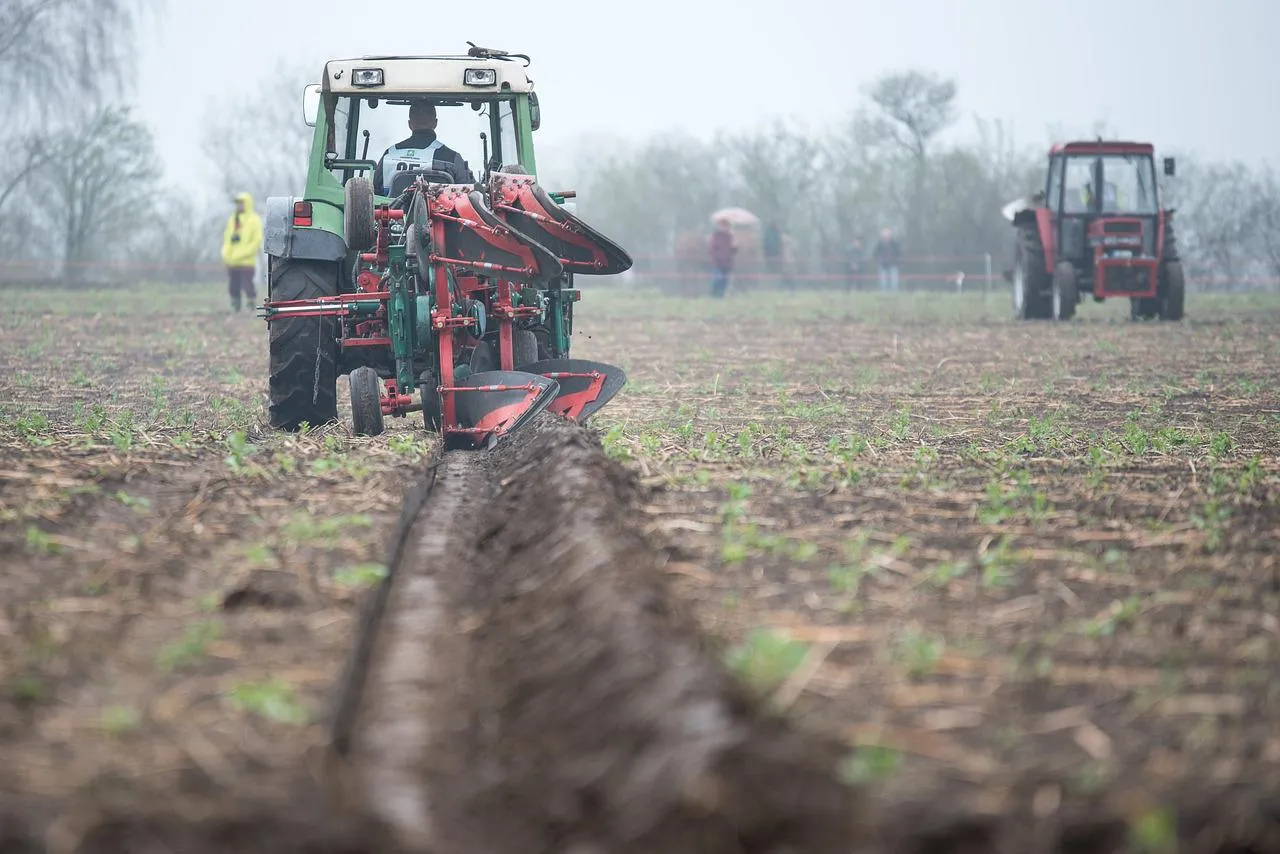
Rock weathering on cropland can sequester carbon
Enhanced rock weathering (ERW) on UK cropland, i.e. adding crushed rocks to soils (read more about the process here), could sequester 6–30 MtCO2 yr−1 by 2050, providing up to 45% of the atmospheric carbon removal necessary to reach national net zero goals. ERW can also reduce nitrous oxide emissions from soils, reduce soil acidification (through formation of carbonate) and reduce fertiliser requirements (by increasing supply of phosphorus and potassium). The paper questions the need for energy-intensive milling of rocks into fine particles, finding that particles on sites with high weathering potential are weathered rapidly regardless of size.
Read
Image
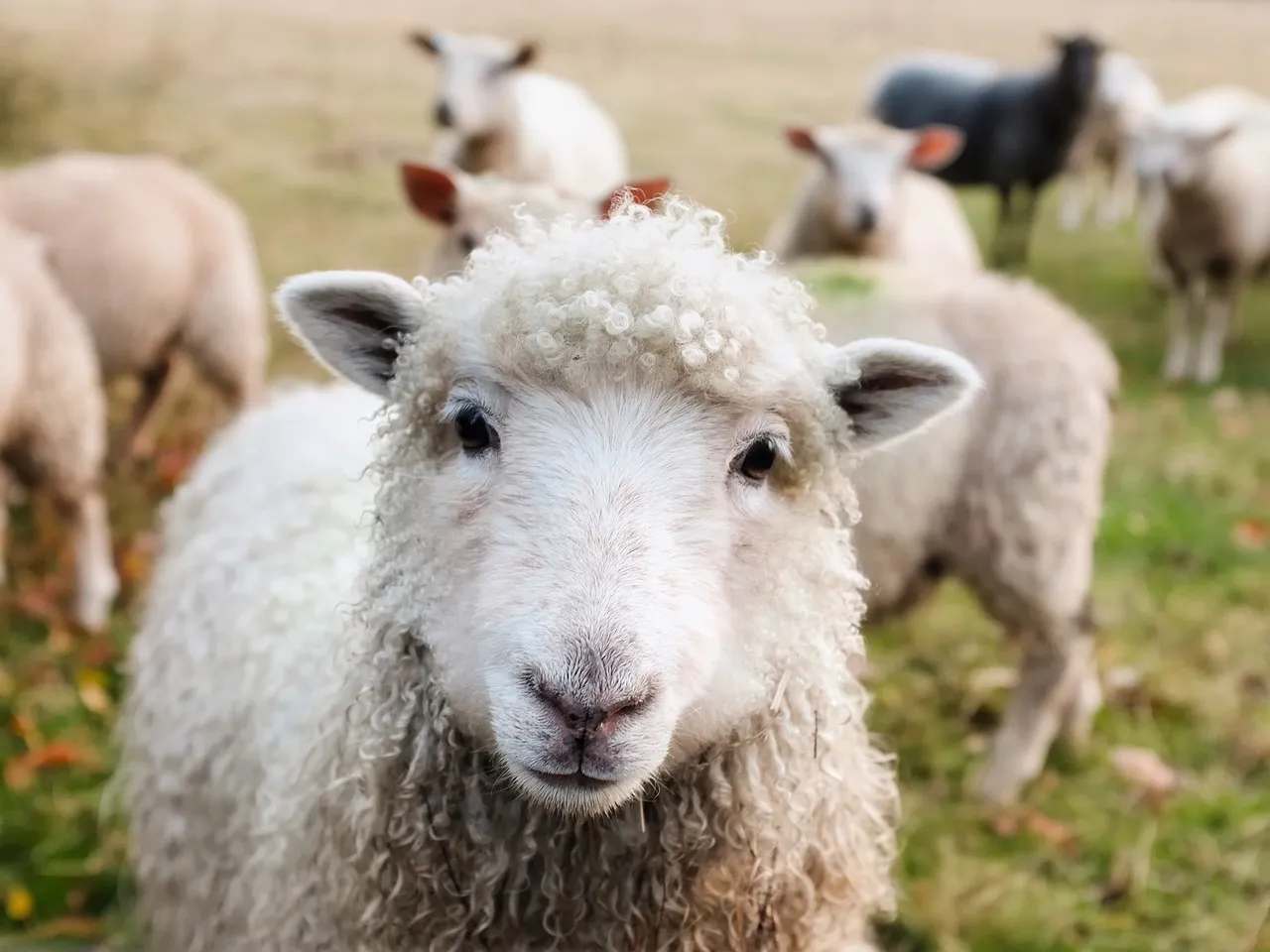
Image: 12019, Ireland Sheep Lambs, Pixabay, Pixabay Licence
Journal articles
Age-related differences in the moral view of animals
This paper explores how people’s moral views towards different animals change between childhood and adulthood. Based on surveys with participants in the UK, children were found to be less likely than adults to show speciesism (defined as assigning moral worth to beings based on their species), less likely to categorise farm animals as food as opposed to as pets, more likely to think farm animals should be treated better (than adults would treat them), and less likely to think it is morally acceptable to eat meat or animal products. The authors hypothesise that people learn to reconcile inner moral conflicts about eating animal products by forming a hierarchy in which some animals are given a lower moral standing.
Read
Image
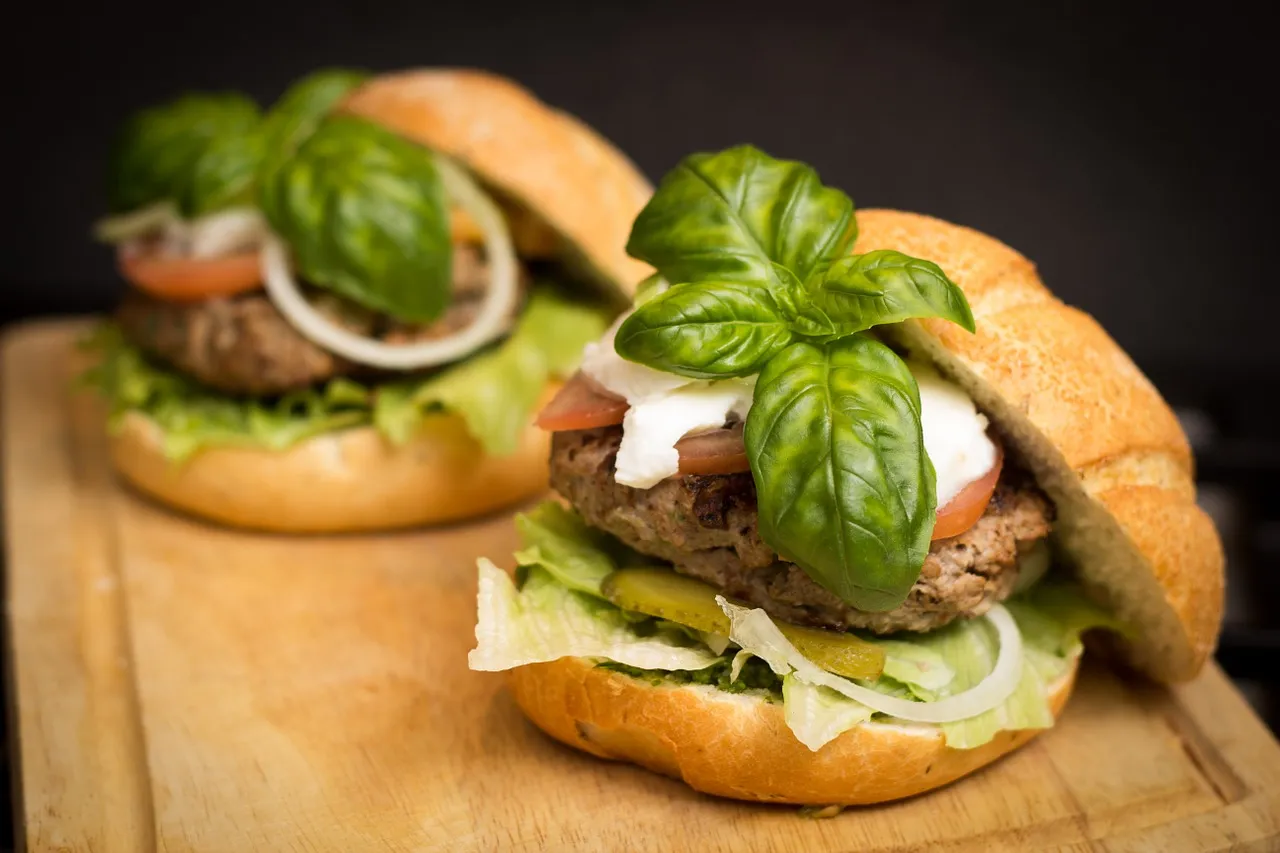
Image: niekverlaan, Hamburger snack burger, Pixabay, Pixabay Licence
Journal articles
Replacing some beef with mycoprotein reduces deforestation
Replacing 20% of ruminant meat consumption with microbial protein - specifically mycoprotein from fungal mycelium - could offset increases in global pasture area, reduce methane emissions, and halve annual CO2 emissions from deforestation, according to this life cycle assessment (LCA). However, reductions in emissions from deforestation may plateau as the proportion of meat replaced by microbial protein grows. The paper discusses the methodological limitations of static (as opposed to dynamic) LCA.
Read
Image
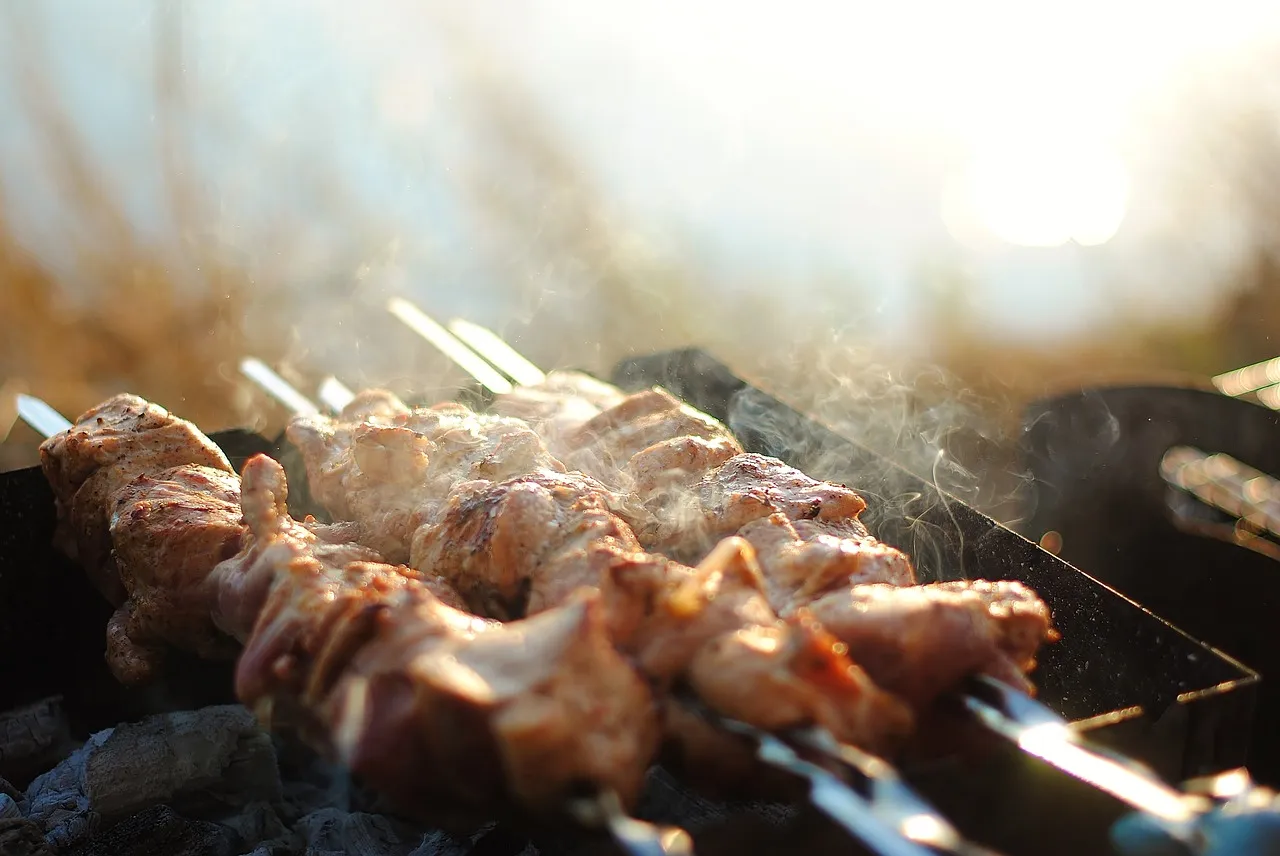
Image: nikitozawr, Shish kebab meat, Pixabay, Pixabay Licence
Journal articles
A review of global meat consumption and sustainability
This paper offers a global review of the environmental, economic, social, health and ethical impacts of meat consumption, including trends in consumption over the past few decades. It also explores how the sector can become more sustainable by changing both production and consumption practices.
Read
Image
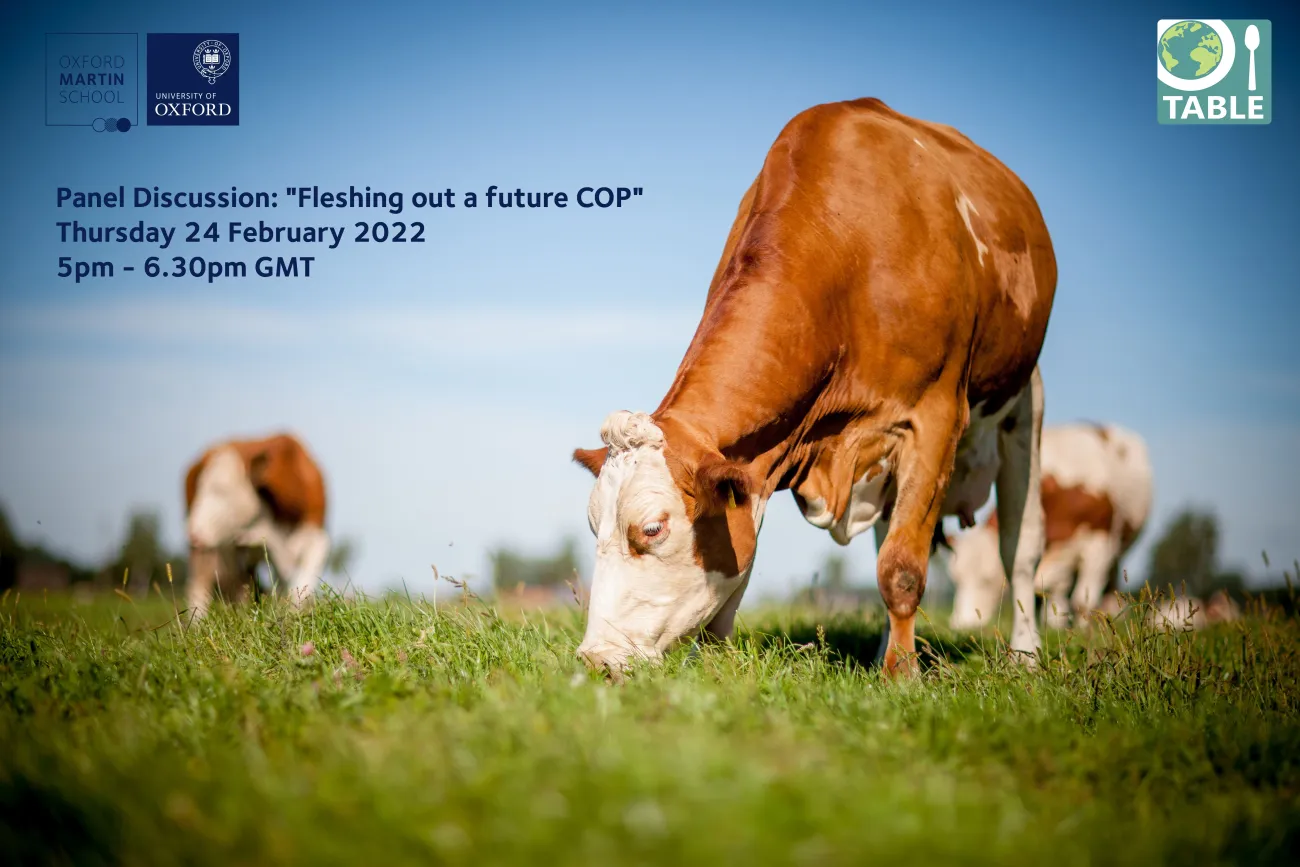
Fleshing out a future COP event advert
Event recording
Recording: Fleshing out a future COP
This joint event with TABLE and the Oxford Martin School on 24 February 2022 took the format of a panel discussion with: Dr Tara Garnett (director of TABLE and fellow of the Oxford Martin School); Dr Helena Wright, Policy Director at the FAIRR Initiative; Dr Pablo Manzano, Ikerbasque Research Fellow at the Basque Centre for Climate Change; and Dan Blaustein-Rejto, Director of Food and Agriculture at the Breakthrough Institute.
Read
Image
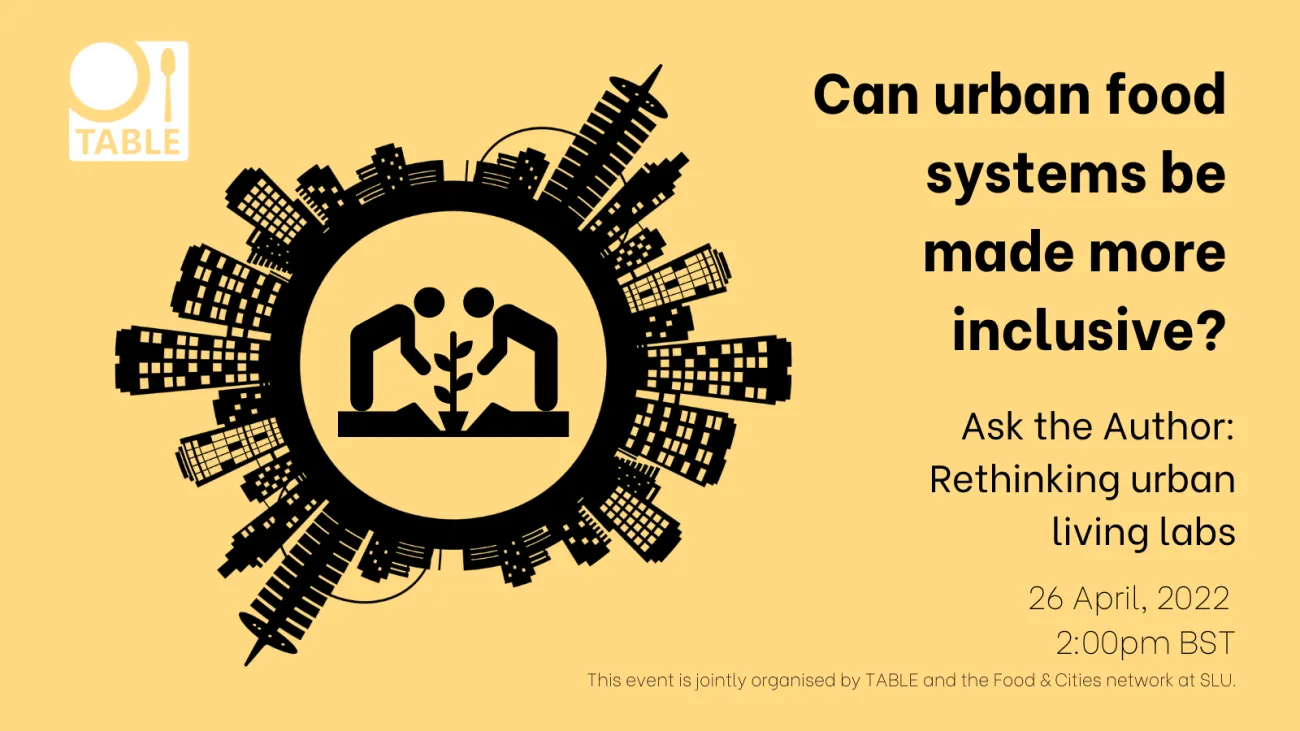
Can urban food systems be made more inclusive?
Event recording
Recording: TABLE and SLU Food & Cities present Ask the Author: Rethinking urban living labs
On 26 April 2022, TABLE and Food & Cities network at SLU jointly organised an Ask the Author session to discuss A tale of two labs: Rethinking urban living labs for advancing citizen engagement in food system transformation with co-authors Anke Brons and Koen van der Gaast.
Read
Image
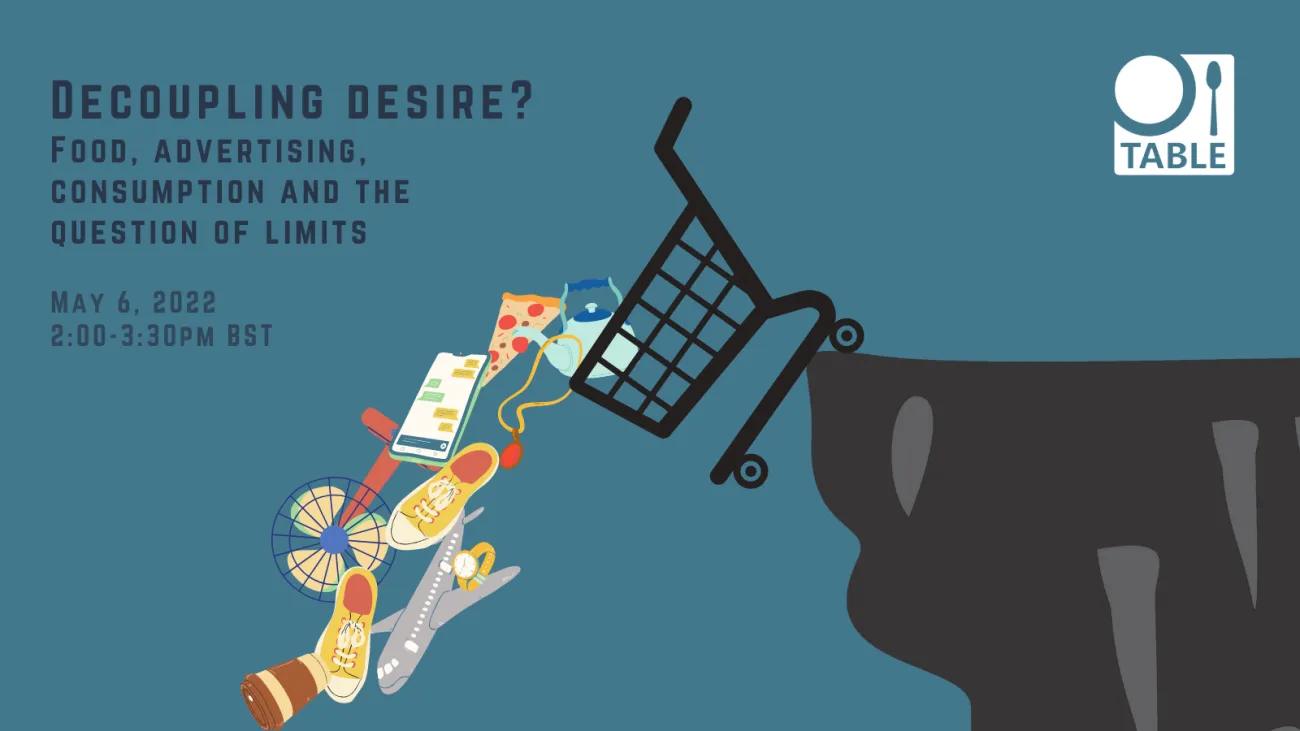
A flyer advertising an upcoming event titled "Decoupling desire? Food, advertising, consumption and the question of limits" on May 6, 2022, at 2pm BST. The image next to the text is of a shopping cart tipping over a cliff, spilling consumer goods like shoes, a phone, a piece of pizza, a tea pot, a fan and a toy plane into an abyss. The TABLE logo is in the top right.
Event recording
Recording: Decoupling desire? Food, advertising, consumption and the question of limits
On 6 May 2022, TABLE held a panel discussion, which brought together representatives from the advertising and food industries, from social enterprise and academia to explore advertising, food, desire and the question of ecological limits.  
Read
Image
Image: stokpic, Blackboard chalk board, Pixabay, Pixabay Licence
News and resources
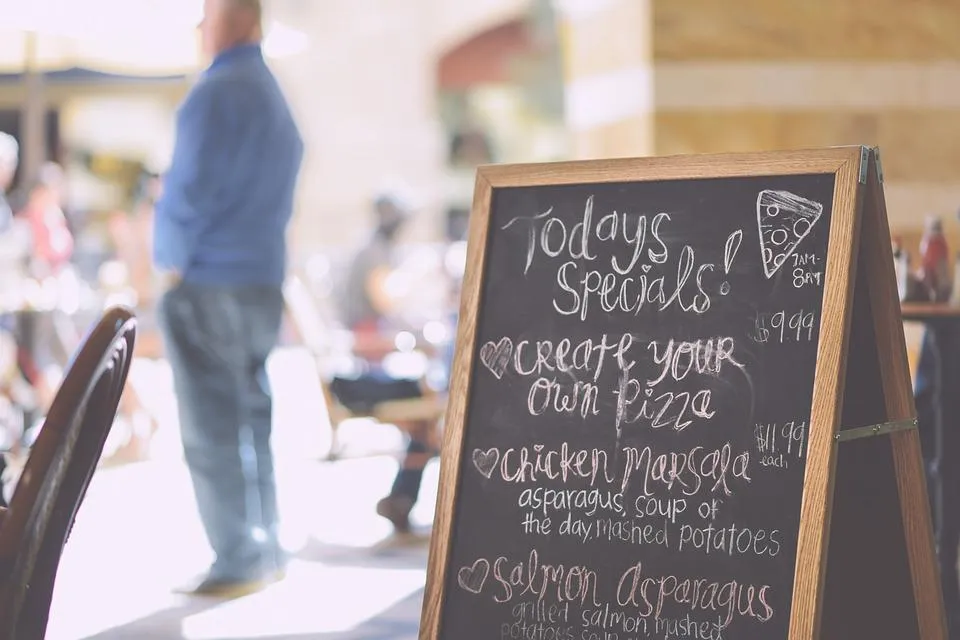
Mandatory calorie labelling in restaurants prompts backlash
Content warning: eating disorders. From April 2022, large food service businesses (including restaurants, cafes and takeaways) in England are required to display calorie information for food intended for immediate consumption. The legislation is part of the government’s strategy to tackle obesity. Critics say the move may make it difficult for people who experience eating disorders to visit restaurants.
Read
Image
Subsistence Agriculture in the United States
Books
Subsistence Agriculture in the United States
This book examines subsistence agriculture practices in the United States, including hunting, fishing, gardening, gathering, and keeping livestock. It frames subsistence activities as “shadow structures” in response to industrial capitalism.
Read
  • VIEW MORE

Sign up for Fodder, our monthly newsletter unpacking the future of food.

Tick below to opt-in to email communications.

You can change your mind at any time by clicking the unsubscribe link in the footer of any email you receive from us, or by contacting us at info@tabledebates.org.

We use Mailchimp as our marketing platform. By clicking below to subscribe, you acknowledge that your information will be transferred to Mailchimp for processing. Learn more about Mailchimp's privacy practices.
  • Glossary
  • About
  • Our Writing
  • Podcasts
  • Resources

Social

YouTube Facebook Instagram

© Copyright 2025

A collaboration between: