Close
Login Register
Search
  • About
    • What We Do
    • Who We Are
    • FAQs
  • Our Writing
    • Explainers
    • Essays
    • Letterbox
    • Reports & More
  • Podcasts
  • Our Events
  • Projects
    • Power In The Food Systems
    • Local-Global Scale Project
    • MEAT: The Four Futures Podcast
    • Fuel To Fork
    • Nature
    • Reckoning with Regeneration
    • SHIFT
    • Games at TABLE
    • Rethinking the Global Soy Dilemma
  • Resources
  • Opportunities
    • Jobs
    • Funding
    • Courses
    • Collaborations
    • Events
  • Newsletter
  • TABLE (EN)
Search
Back

TABLE

Image
Low opportunity cost feed for a resilient UK food system
Reports
Low opportunity cost feed for a resilient UK food system
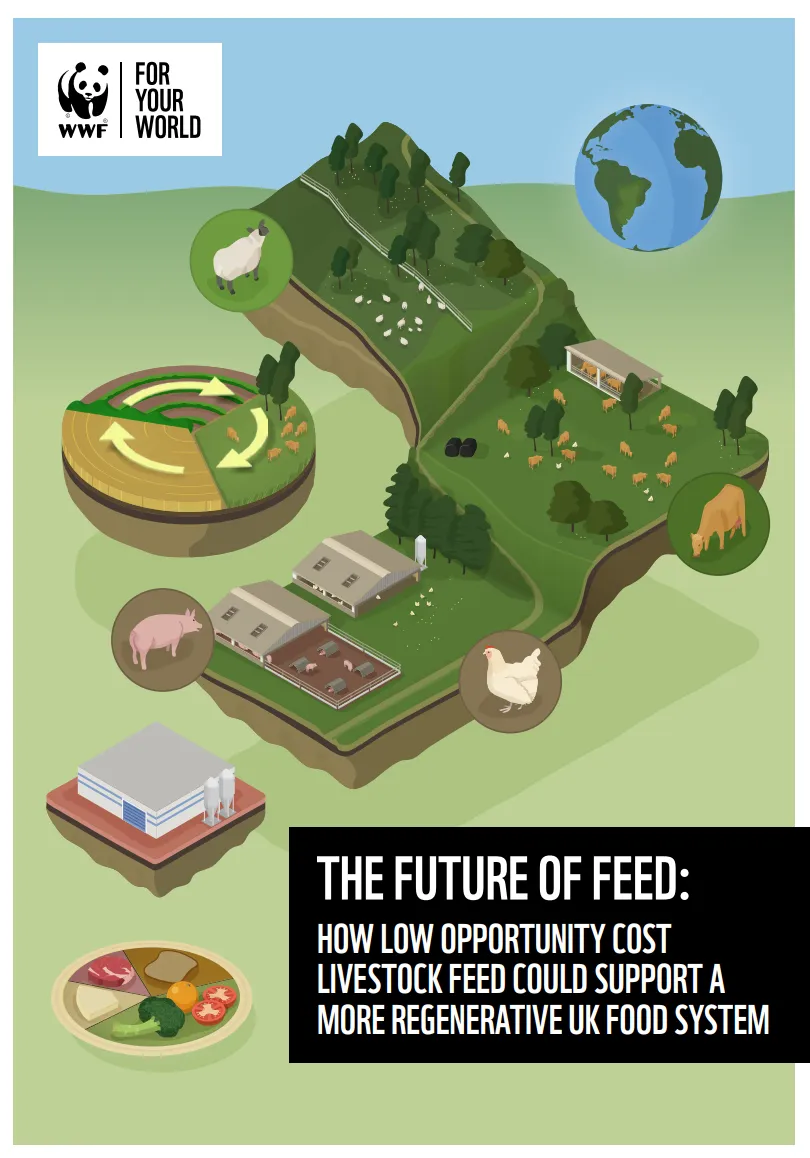
In this report, WWF explores what would happen if the UK were to feed livestock only on “low opportunity cost” feed sources such as grass, food waste and industrial byproducts. It argues that pressures on arable land could be reduced while producing more food overall than in a completely vegan food system; that a reduced livestock population would free up land for nature restoration; that the UK’s impacts on ecosystems in other countries would be reduced; and that space would be made for more extensive forms of grazing and mixed farming, such as agroecological farming using crop rotations. For comparison, see the Sustainable Food Trust report Feeding Britain from the ground up for a similar vision for the UK’s food system (albeit with a non-zero level of grain-fed livestock production).
Read
Image
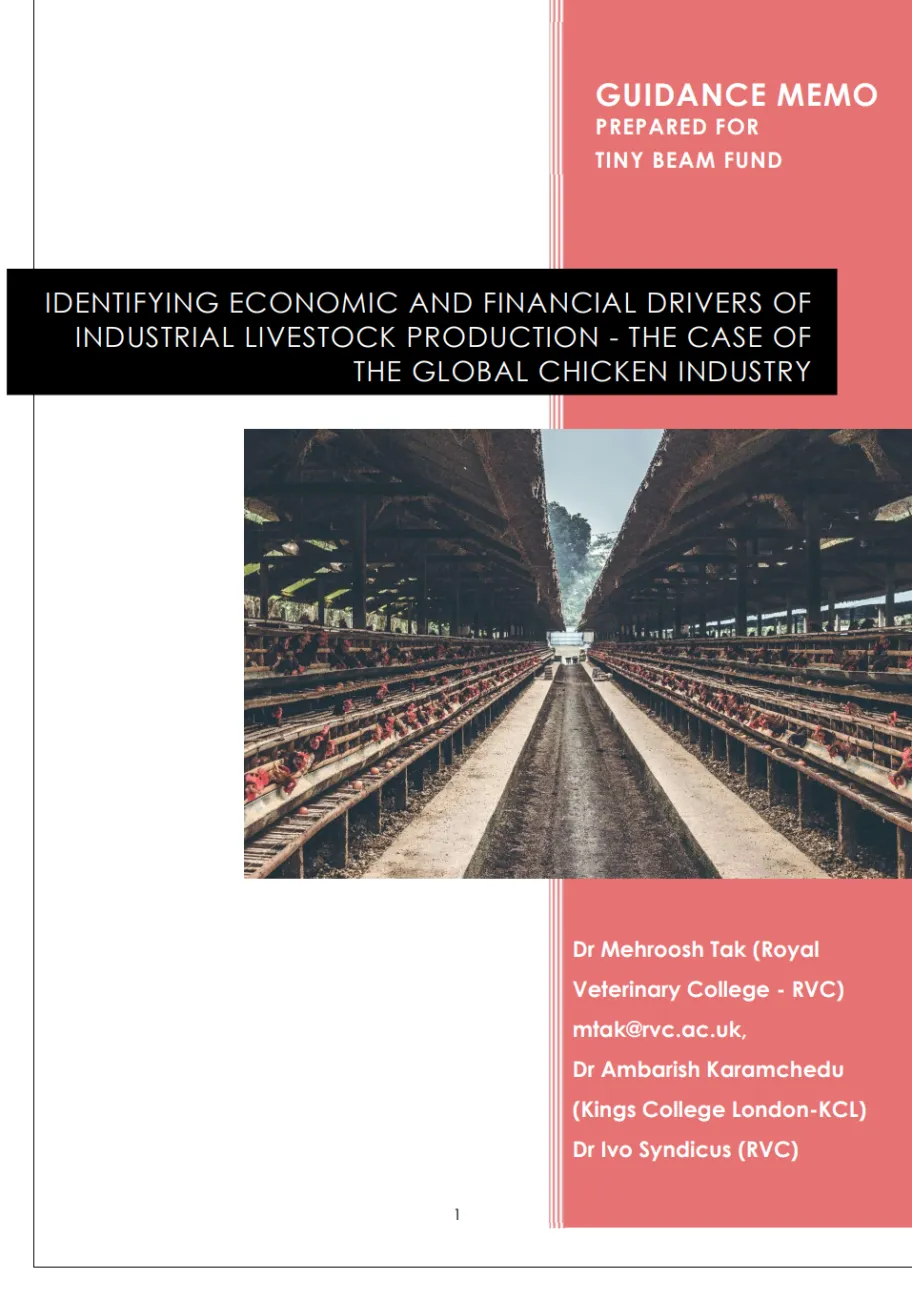
Identifying economic and financial drivers of industrial livestock production – the case of the global chicken industry
Reports
Economic and financial drivers of industrial chicken production
This memo from the One Health Poultry Hub explores the power dynamics that lead to corporate concentration in the livestock industries in low- and middle-income countries, using poultry in India as a case study. It uses an analytical framework that examines agricultural subsidies, financialisation, trade liberalisation and infrastructure at the global, national and subnational levels.
Read
Image
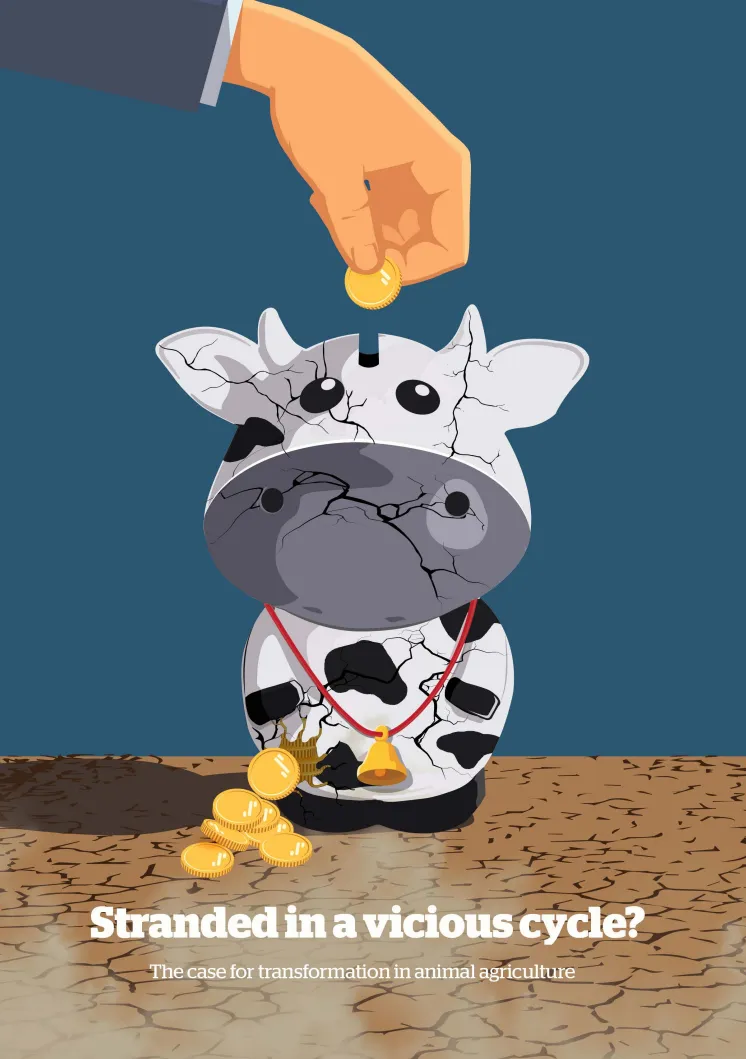
Stranded in a vicious cycle? The case for transformation in animal agriculture
Reports
Investors fear impacts of climate change on meat and dairy
This investor briefing by the Changing Markets Foundation surveyed over 200 respondents from the investment community on their perceptions of how climate change may affect the meat and dairy industry. 82% agreed that climate change presents risks to the industry. 84% are concerned that a lack of climate mitigation could lead to stranded assets (investments or resources that become unprofitable, in this case due to water shortages or temperature increases; the term is commonly used to refer to fossil fuel resources that cannot be burned). 94% think that reducing methane as well as carbon dioxide emissions is important.
Read
Image
IPBES
Reports
IPBES reports: valuing nature & using wild species sustainably
The Intergovernmental Science-Policy Platform on Biodiversity and Ecosystem Services (IPBES) has released two reports. One offers insights and tools to support the more sustainable use of wild plants, animals, fungi and algae, arguing that the biodiversity crisis threatens the billions of people who benefit from the use of wild species for food, fuel or income. The other reports that there is a global focus on short-term profits and economic growth, meaning that market prices do not fully reflect the many ways in which nature is of value to people’s quality of life.
Read
Image
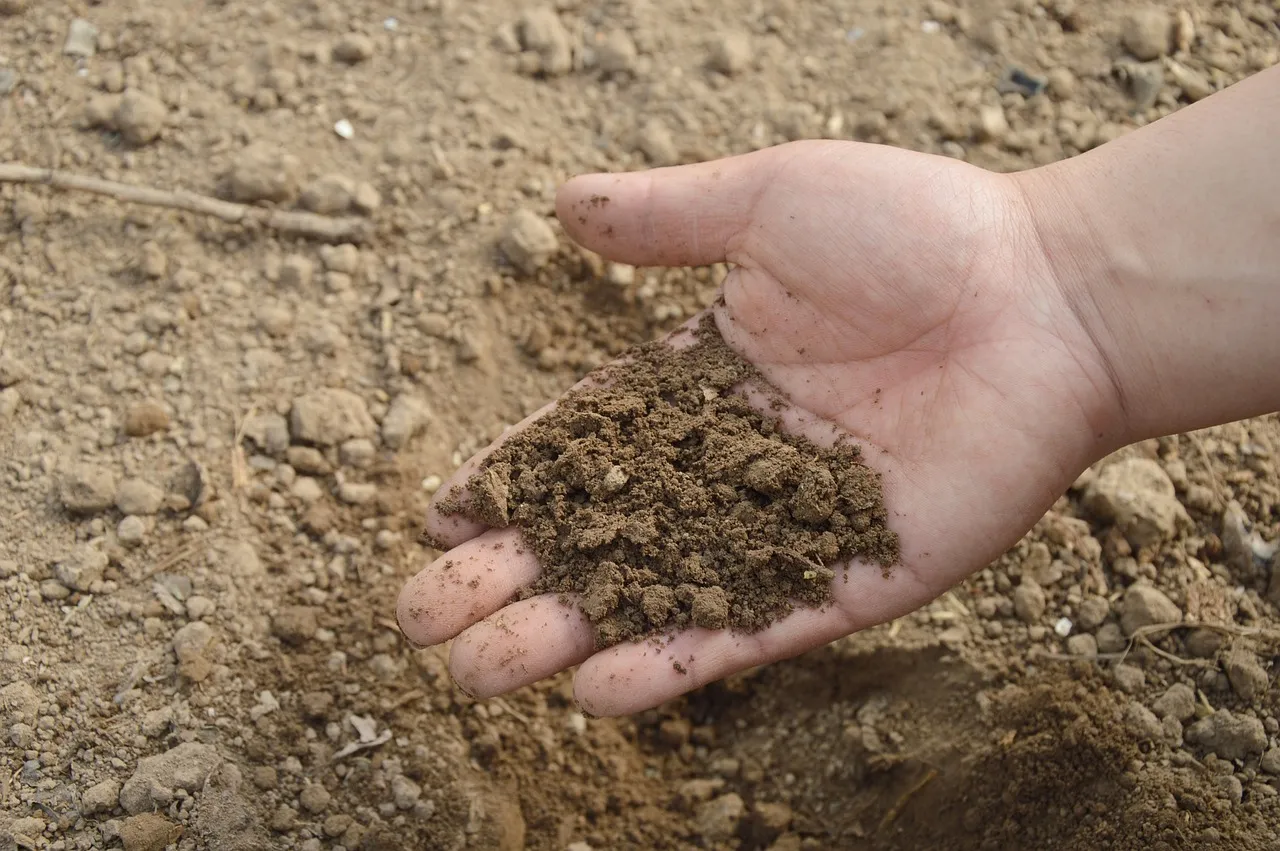
Image: Jing, Soil hand farm, Pixabay, Pixabay Licence
Journal articles
How does soil pollution affect human health?
This paper summarises what we know about the links between soil pollution and human health, with a focus on cardiovascular disease. The main issues it considers are macroplastics, microplastics, deforestation, pesticides, overfertilisation and heavy metal toxins.
Read
Image
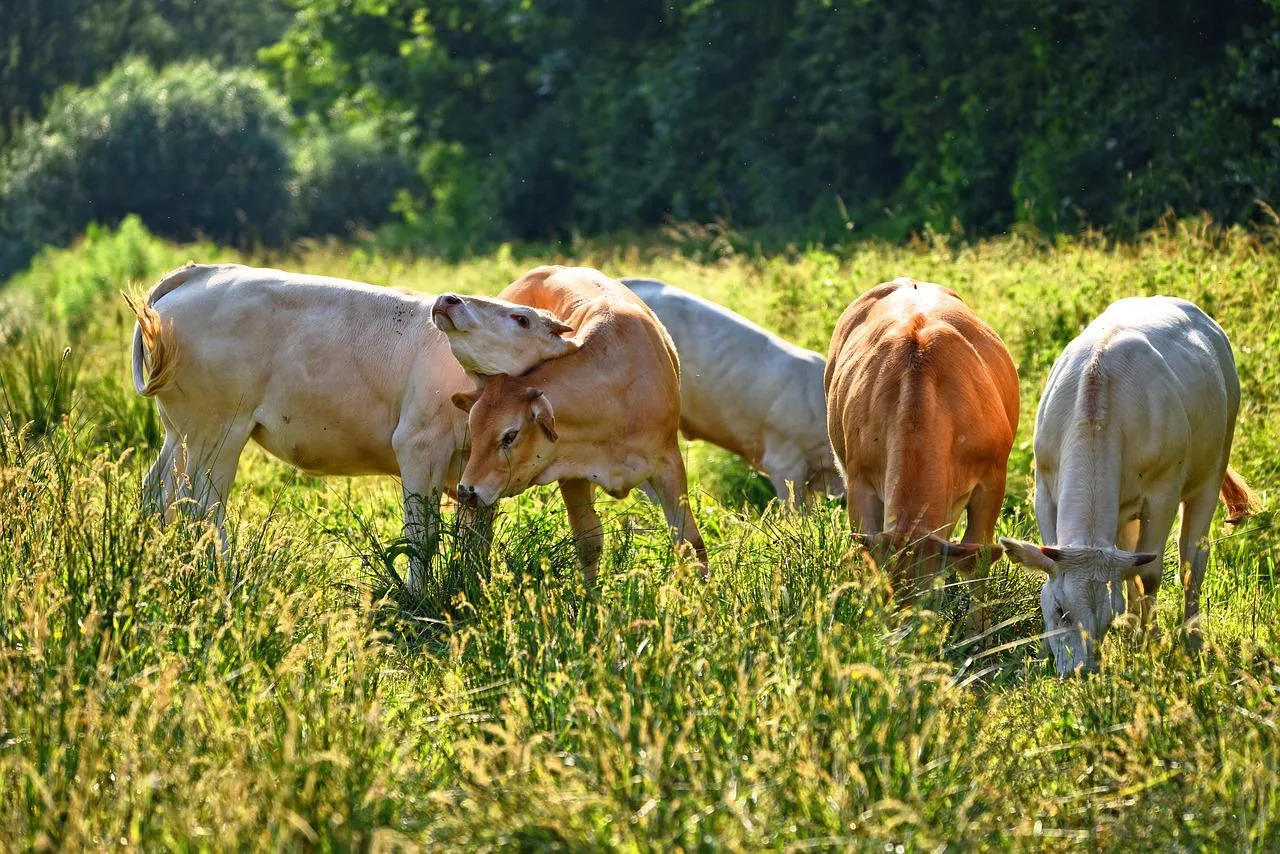
Image: MabelMaber, Cow animal mammal, Pixabay, Pixabay Licence
Journal articles
Rotational grazing and herbal leys increase productivity
TABLE community member Matthew Jordon has co-authored this study, which finds that two practices linked to regenerative agriculture are linked to higher productivity: rotational grazing, where animals are frequently moved around pastures to allow areas to recover from grazing, and herbal leys, where multiple species of perennial flowering plants are grown as part of the pasture. The study focuses on sheep and cattle in temperature climates, and analyses data from 84 articles identified in the literature.
Read
Image
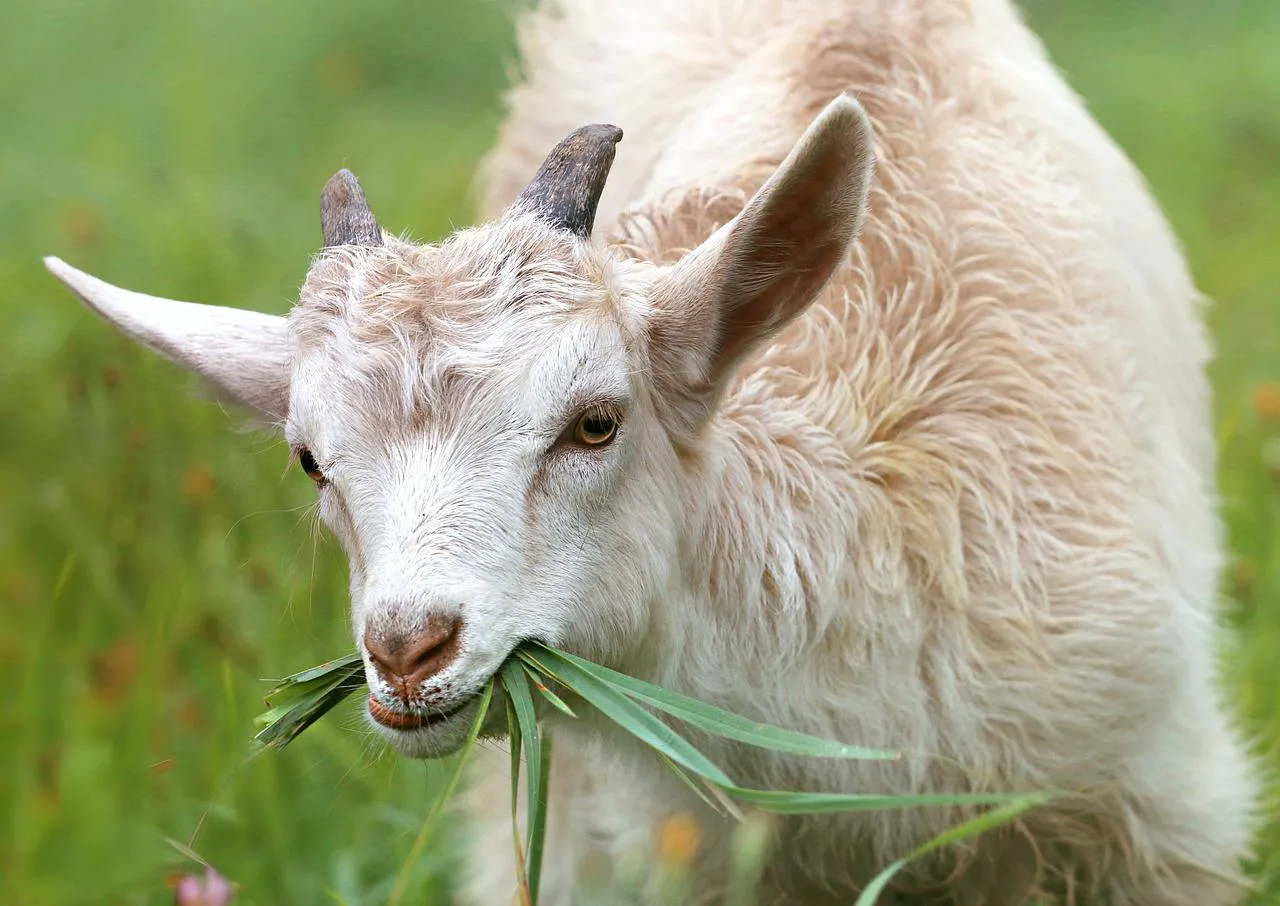
Image: klimkin, Goat grass livestock, Pixabay, Pixabay Licence
Journal articles
Low opportunity cost animal feed in five European countries
This paper assesses the extent to which national dietary recommendations for animal products could be met by livestock fed with low opportunity cost biomass (LOCB) such as food waste, grass and by-products. It finds that animal products fed with domestically available LOCB could provide between 22% (Netherlands) and 47% (Switzerland) of nationally recommended protein intakes.
Read
Image
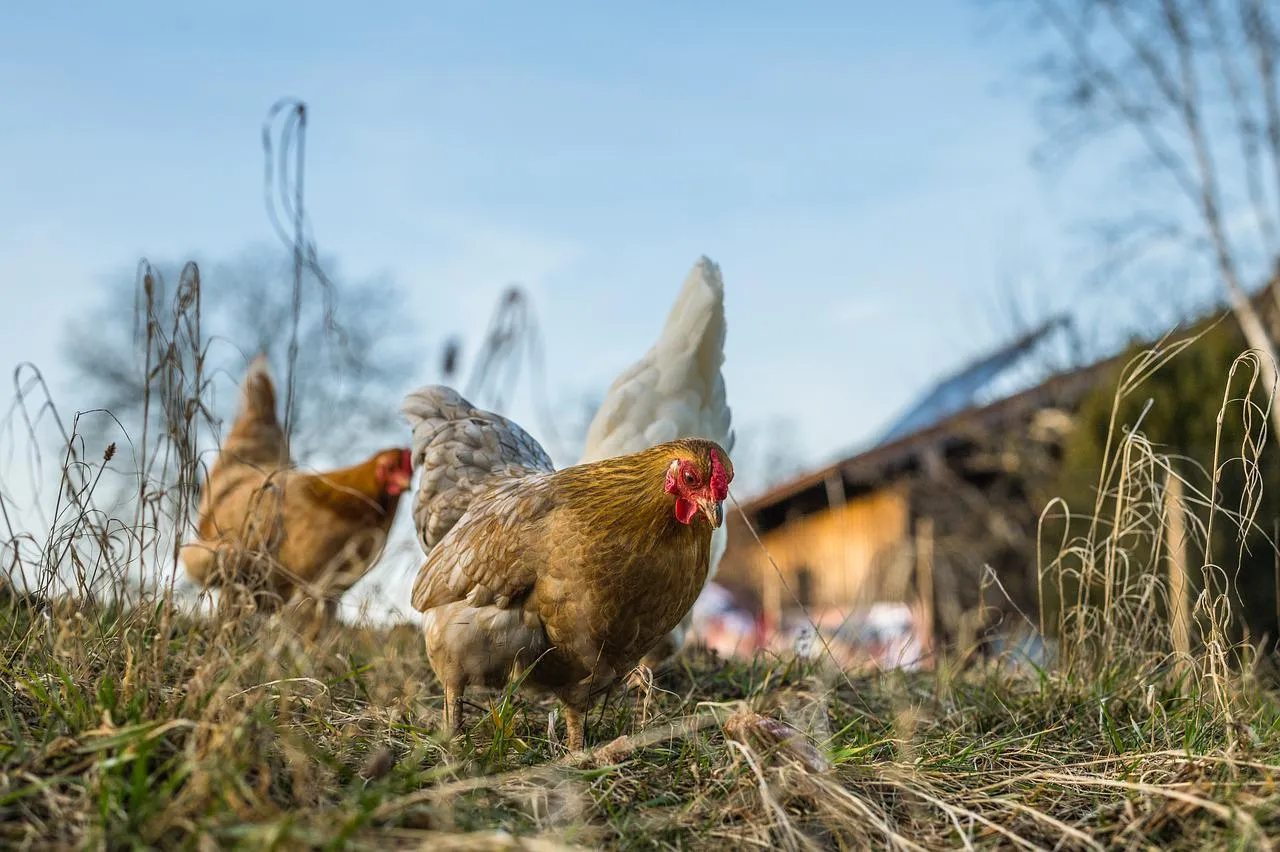
Image: munzelminka, Chickens hens birds, Pixabay, Pixabay Licence
Journal articles
Which livestock models have lower zoonotic disease risks?
This paper reviews the evidence linking different types of livestock production systems to the emergence of new infectious diseases. It concludes that there is not currently enough evidence to show whether extensive or intensive systems would better protect against future pandemics. Both systems present different types of risk: low-yield farms generally have a higher risk of interspecies contact, but tend to keep more diverse livestock at lower stocking densities; while high-yield farms have a lower risk of livestock picking up a disease in the first place as the animals are often kept indoors, but the risk of any disease being spread is higher because of greater stocking densities, lower livestock diversity and sometimes poorer health and welfare.
Read
Image
Image: alleksana, Burger on white ceramic plate, Pexels, Pexels Licence
Journal articles
How does the UK media talk about meat and health?
This paper by researchers at Oxford’s Livestock, Environment and People (LEAP) programme studies how meat and health are represented in eight UK news websites. It finds a variety of both pro- and anti-meat narratives, with 50.8% of articles assessed having a neutral stance towards meat, 29.7% being anti-meat and 19.5% being pro-meat.
Read
  • VIEW MORE

Sign up for Fodder, our monthly newsletter unpacking the future of food.

Tick below to opt-in to email communications.

You can change your mind at any time by clicking the unsubscribe link in the footer of any email you receive from us, or by contacting us at info@tabledebates.org.

We use Mailchimp as our marketing platform. By clicking below to subscribe, you acknowledge that your information will be transferred to Mailchimp for processing. Learn more about Mailchimp's privacy practices.
  • Glossary
  • About
  • Our Writing
  • Podcasts
  • Resources

Social

YouTube Facebook Instagram

© Copyright 2025

A collaboration between: