Close
Login Register
Search
  • About
    • What We Do
    • Who We Are
    • FAQs
  • Our Writing
    • Explainers
    • Essays
    • Letterbox
    • Reports & More
  • Podcasts
  • Our Events
  • Projects
    • Power In The Food Systems
    • Local-Global Scale Project
    • MEAT: The Four Futures Podcast
    • Fuel To Fork
    • Nature
    • Reckoning with Regeneration
    • SHIFT
    • Games at TABLE
    • Rethinking the Global Soy Dilemma
  • Resources
  • Opportunities
    • Jobs
    • Funding
    • Courses
    • Collaborations
    • Events
  • Newsletter
  • TABLE (EN)
Search
Back

TABLE

Image
Resource
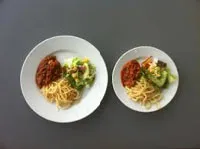
Study: smaller plate sizes in buffet-style restaurants reduce food waste
The authors of this study looked at the impact of measures introduced by Scandinavia’s largest hotel chain to reduce food waste.  Plate sizes were reduced while signs were also posted encouraging customers to help themselves to food more than once (ie. signalling that they didn’t have to overload their plates the first time because they could always come back for more): the effect of these measures in combination was a 20% reduction in food waste.
Read
Image
Resource
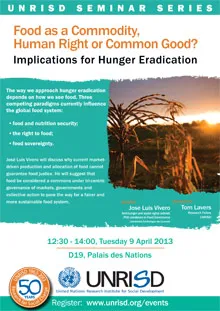
Food as a Commodity, Human Right or Common Good? Implications for Hunger Eradication
The United Nations Research Institute for Social Development (UNRISD) has released a podcast and power point presentation following a seminar held last week on the theme of "Food as a Commodity, Human Right or Common Good? Implications for Hunger Eradication".
Read
Resource
Food, scarcity and abundance
Louise Fresco provides an overview of historical and future food security trends in her speech at the 200th commemorative meeting of the Royal Swedish Academy of Agriculture and Forestry entitled Food, scarcity and abundance.
Read
Image
Resource
Vertical farming: World's largest indoor vertical farm opens
A new 90,000-square-foot indoor farm called FarmedHere has recently opened in Chicago and is expected to produce 1 million pounds a year of organic greens like basil, lettuce, mint, and spinach. It is also expected that it will provide hundreds of local jobs. 
Read
Resource
Report: Review of the evidence on indicators, metrics and monitoring systems
This report on how to improve data monitoring for sustainable intensification of agriculture has been released by the World Agroforestry Centre (ICRAF) under the auspices of the CGIAR Research Program on Water, Land and Ecosystem (WLE).
Read
Resource
Study: Reality Check - There is no such thing as a miracle food
This commentary in the Nutrition and Cancer journal discusses some of the concerns related to the promotion of “miracle foods” by the media. The recommendation made in the study is that nutritional scientists and epidemiologists should be cognizant of the public health messages that are taken from their individual studies and not sensationalize the findings of a single study.
Read
Image
Resource
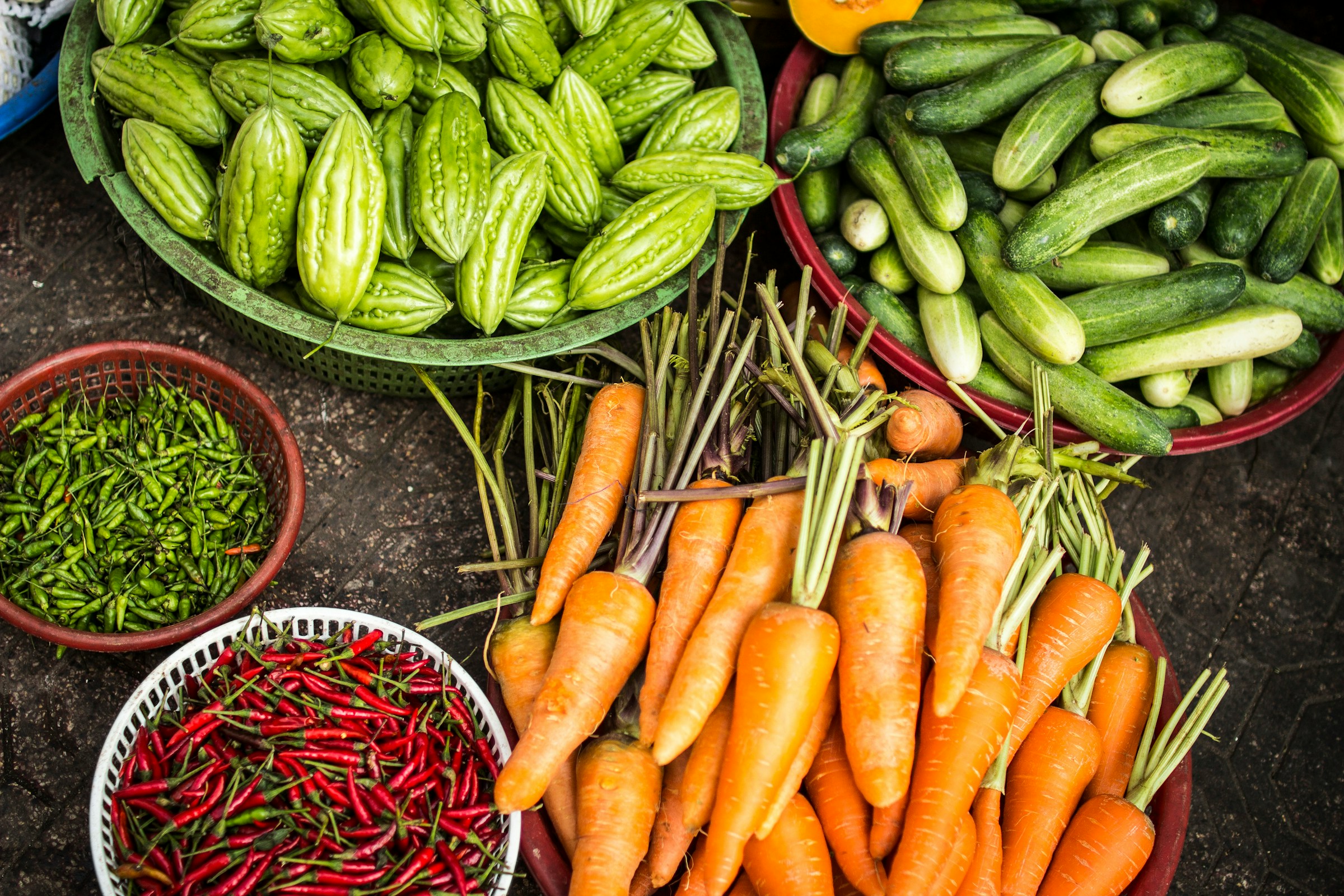
Study: Discount healthy foods to improve diets
Reducing the cost of healthy foods in supermarkets and retail outlets increases the amount of healthy fruits, vegetables and whole grains that people eat while lowering consumption of foods with low nutritional value, say researchers at RAND Corporation South Africa.
Read
Image
Resource
Report: Impacts of climate change on land-based sectors and adaptation options
New Zealand’s temperatures are warming, and its weather patterns shifting – trends consistent with those recorded around the globe. While a reliable water source – our surrounding oceans – will protect us from the severe aridity expected in some other parts of the world, it will not insulate land-based sectors from a more intense and variable climate. Temperatures will continue to warm, and carbon dioxide concentrations will increase.
Read
Image
Resource
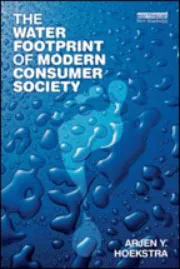
The water footprint of modern consumer society
Water is not only used in the domestic context, but also in agriculture and industry in the production of commercial goods, from food to paper. The water footprint is an indicator of freshwater use that looks at both direct and indirect use of water by a consumer or producer.
Read
  • VIEW MORE

Sign up for Fodder, our monthly newsletter unpacking the future of food.

Tick below to opt-in to email communications.

You can change your mind at any time by clicking the unsubscribe link in the footer of any email you receive from us, or by contacting us at info@tabledebates.org.

We use Mailchimp as our marketing platform. By clicking below to subscribe, you acknowledge that your information will be transferred to Mailchimp for processing. Learn more about Mailchimp's privacy practices.
  • Glossary
  • About
  • Our Writing
  • Podcasts
  • Resources

Social

YouTube Facebook Instagram

© Copyright 2025

A collaboration between: