Close
Login Register
Search
  • About
    • What We Do
    • Who We Are
    • FAQs
  • Our Writing
    • Explainers
    • Essays
    • Letterbox
    • Reports & More
  • Podcasts
  • Our Events
  • Projects
    • Power In The Food Systems
    • Local-Global Scale Project
    • MEAT: The Four Futures Podcast
    • Fuel To Fork
    • Nature
    • Reckoning with Regeneration
    • SHIFT
    • Games at TABLE
    • Rethinking the Global Soy Dilemma
  • Resources
  • Opportunities
    • Jobs
    • Funding
    • Courses
    • Collaborations
    • Events
  • Newsletter
  • TABLE (EN)
Search
Back

TABLE

Image
Resource
Nasdaq warns investors in light of “Death of Meat” threat from proposed USDA dietary guidelines
This article from Nasdaq describes what they call a “shocking” reduction in meat consumption and how this may impact the meat industry and other sectors. The potential catalyst they argue is the release of preliminary recommendations from the committee of medical and nutrition experts involved in developing USDA dietary guidelines.
Read
Image
Resource
Evaluation of the environmental impact of weekly food consumption in different socio-economic households in Australia using environmentally extended input–output analysis
This paper investigates the environmental impact of the diets of Australian households at different income quintiles. The paper looked at 2003 household consumption and argues that income affects the environmental impacts of household diet, with higher income corresponding to higher impacts. The higher the income bracket the more was spent on food and this translated through to a higher environmental impact (GHG CO2e, water, waste, energy) at higher incomes.
Read
Image
Resource
Global diets link environmental sustainability and human health –new study compares Mediterranean, vegetarian and pescetarian diets
This major study compiles and analyses global-level data to assess relationships among diet, environmental sustainability and human health.  It evaluates the potential future environmental impacts of the global dietary transition before exploring some possible solutions to the diet–environment–health trilemma. 
Read
Image
Resource
Blog-post by Timothy Lang: “Sustainable Diets: Integrity has a sustainability dimension, too”
In this blog-post for the The Institute of Food Safety, Integrity & Protection (TiFSiP) Tim Lang, Professor of Food Policy at the City University London and FCRN advisory board member, discusses sustainable diets.  He argues that the pursuit of food integrity and authenticity is also the pursuit of sustainability.
Read
Image
Resource
Chinas growing appetite for pork
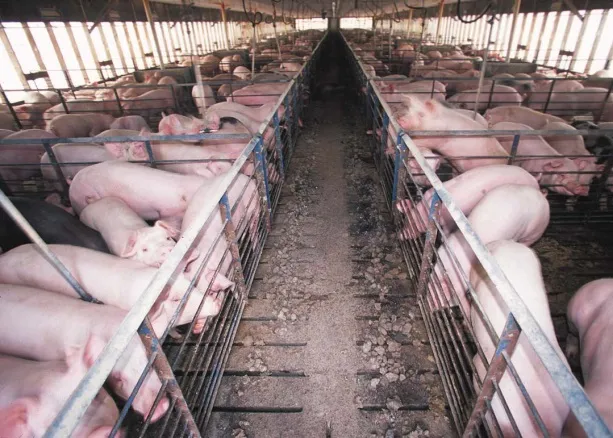
In his article in The Economist, it is argued that China’s insatiable appetite for pork is not only a symbol of the country’s rise, but also a danger to the world from a sustainability perspective. The article discusses the history of pork consumption in China, its cultural and economic importance as well as how it impacts land use and large scale land acquisitions abroad.
Read
Image
Resource
Global best practice guidelines for reducing greenhouse gas emissions from livestock
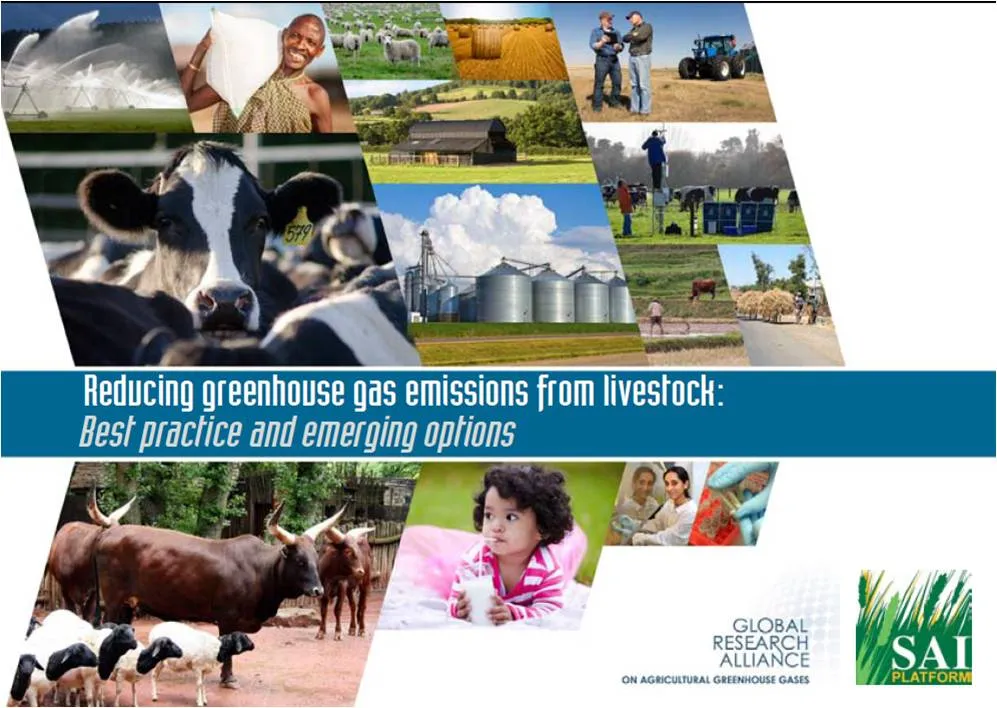
The Livestock Research Group (LRG) of the Global Research Alliance on Agricultural Greenhouse Gases (GRA) and Sustainable Agriculture Initiative (SAI) Platform have together compiled information about greenhouse gas (GHG) mitigation options currently available for the livestock sector, and produced a roadmap of emerging options based on current research. The aim is to help make progress on meeting global food demand while reducing the food industry’s contribution to global climate change.
Read
Image
Resource
Online knowledge platform for sustainable food value chains
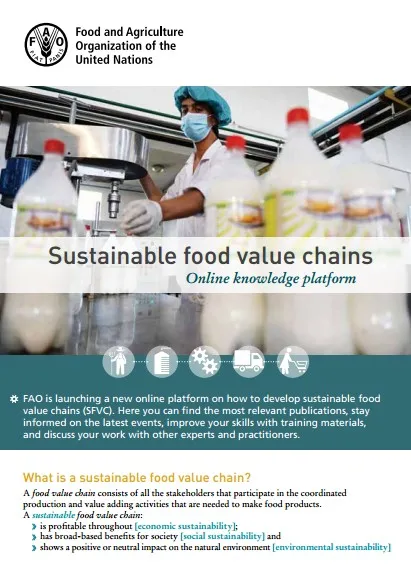
FAO has launched a new online platform, which provides access to resources on developing sustainable food value chains (SFVC). The goal is for SFVC development to provide a flexible framework to improve food systems, reducing poverty and hunger in a sustainable manner.  FAO’s platform will include:
Read
Image
Resource
Little change in fast food portion size and product formulation between 1996 and 2013
Two new papers from researchers at the USDA Human Nutrition Research Center on Aging at Tufts University have analysed the portion sizes and nutritional contents (including calories, sodium, saturated fats and trans fats) of popular menu items served at three national fast-food chains between 1996 and 2013. The researchers found that average calories, sodium, and saturated fat stayed relatively constant, at high levels and the only decline seen was of trans fat of fries that took place between 2000-2009. The products analysed were: French fries, cheeseburgers, grilled chicken sandwich, and regular cola.
Read
Image
Resource
World’s Largest Indoor Farm is 100 Times More Productive
This article from the Urbanist takes a look at Japan’s indoor farming is portrayed. The successful indoor farming endeavor in Japan is shown through some staggering statistics: 25,000 square feet producing 10,000 heads of lettuce per day (100 times more per square foot than traditional methods) with 40% less power, 80% less food waste and 99% less water usage than outdoor fields.
Read
  • VIEW MORE

Sign up for Fodder, our monthly newsletter unpacking the future of food.

Tick below to opt-in to email communications.

You can change your mind at any time by clicking the unsubscribe link in the footer of any email you receive from us, or by contacting us at info@tabledebates.org.

We use Mailchimp as our marketing platform. By clicking below to subscribe, you acknowledge that your information will be transferred to Mailchimp for processing. Learn more about Mailchimp's privacy practices.

  • Glossary
  • About
  • Our Writing
  • Podcasts
  • Resources

Social

YouTube Facebook Instagram

© Copyright 2025

A collaboration between: