Close
Login Register
Search
  • About
    • What We Do
    • Who We Are
    • FAQs
  • Our Writing
    • Explainers
    • Essays
    • Letterbox
    • Reports & More
  • Podcasts
  • Our Events
  • Projects
    • Power In The Food Systems
    • Local-Global Scale Project
    • MEAT: The Four Futures Podcast
    • Fuel To Fork
    • Nature
    • Reckoning with Regeneration
    • SHIFT
    • Games at TABLE
    • Rethinking the Global Soy Dilemma
  • Resources
  • Opportunities
    • Jobs
    • Funding
    • Courses
    • Collaborations
    • Events
  • Newsletter
  • TABLE (EN)
Search
Back

TABLE

Image
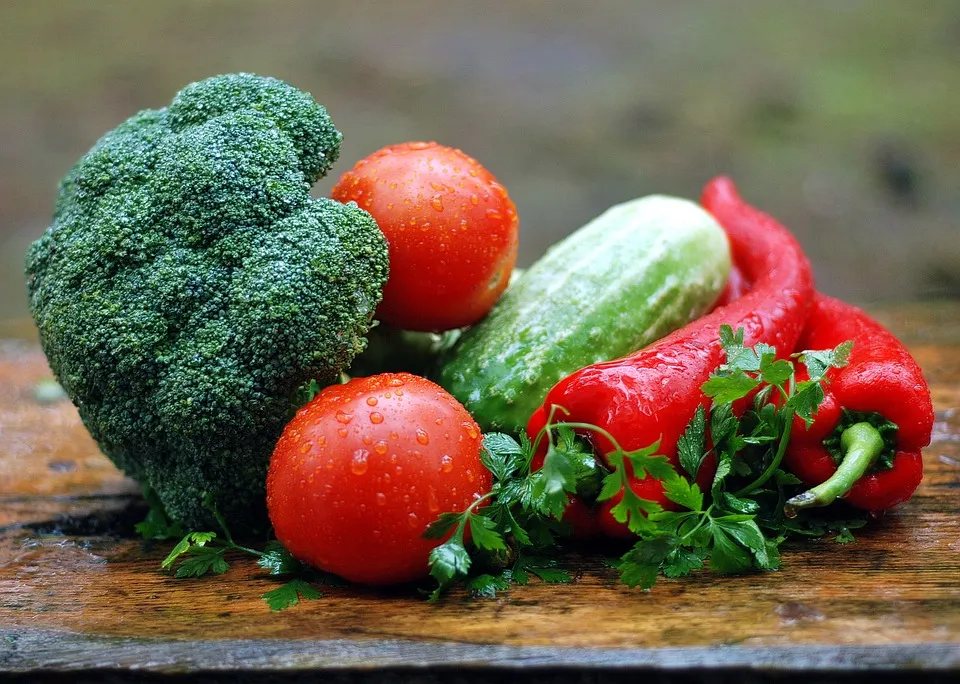
Image: JerzyGorecki, Vegetables water droplets, Pixabay, Pixabay Licence
Journal articles
Sustainable diets often linked to moderately lower cancer risk
This paper reviews the evidence on how consumption of sustainable diets links to the risk of cancer in adults. It identified eight cohort studies, which were conducted in Europe and the United States and which used differing definitions of sustainable diets including definitions based on greenhouse gas emissions, food biodiversity, land use, pesticide exposure, adherence to the EAT-Lancet diet and score on a sustainability index. Most studies showed a modest correlation between higher adherence to sustainable diets and lower incidence of cancer and cancer mortality. However, most of the studies were considered to have a serious risk of bias because of confounding factors.
Read
Image
Image: USAID in Africa, Orange-Fleshed Sweet Potato Value Chain, Flickr, United States Government Work
Journal articles
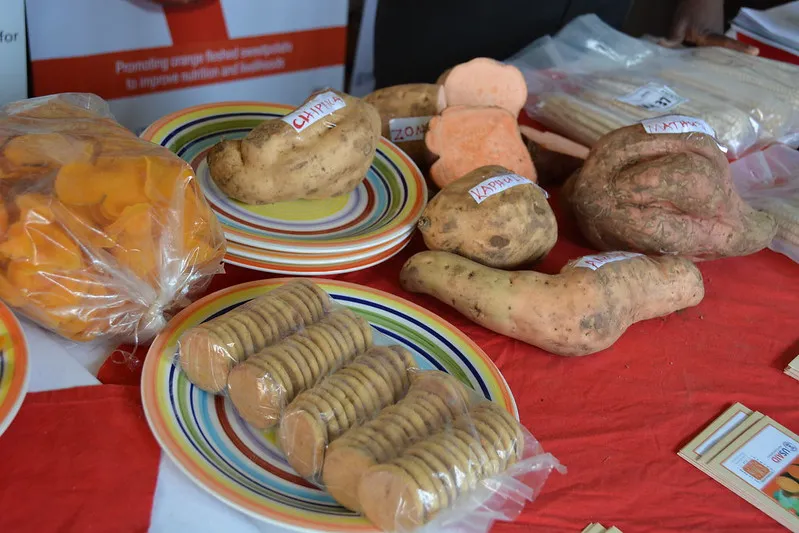
Agriculture for nutrition interventions are too narrow
This paper argues that “agriculture for nutrition” interventions in low and middle income countries are overly narrow in scope and neglect the wider political, economic, social and cultural factors that affect food and (mal)nutrition.
Read
Image
Image: Aymanejed, Laptop office hand, Pixabay, Pixabay Licence
Journal articles
How food lobbyists weakened Dutch overweight measures
This paper explores how the food industry was able to influence and weaken the 2018 Dutch prevention agreement on overweight, using documents obtained through Freedom of Information requests. It argues that so-called voluntary agreements - a form of governance developed through negotiation between public and private stakeholders - is too susceptible to industry influence, and that stronger public regulation is a better alternative.
Read
Image
food4climate pavilion
News and resources
Event recording: No More Omissions
A recording of the event “No More Omissions: Real Policy Action on Land Use, Animal Agriculture & GHGs–with a Focus on Methane” is now available. The event was held on 11 November 2022 at the COP27 Food4Climate Pavilion, organised by Brighter Green and the Global Forest Coalition.
Read
Image
GFI
News and resources
Cultivating a future where antibiotics still work
This blog post from The Good Food Institute addresses the question of whether cultivated meat (and other lab-grown foods) can reduce the risk of antibiotic resistance compared to livestock production. Antibiotics are often added to cell culture media in laboratories to prevent infection, but over a dozen cultivated food companies claim to have antibiotic-free processes.
Read
Image
Reboot Food: The Full Report
News and resources
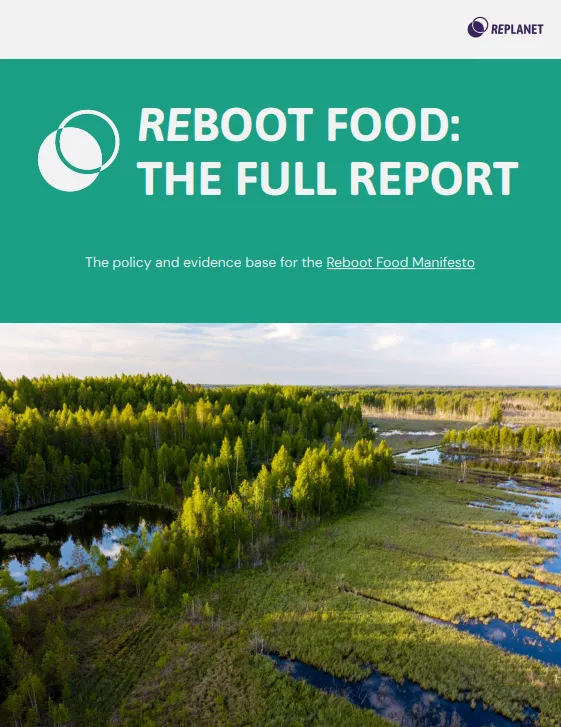
Reboot Food supports open-source precision fermentation
A group of campaigners known as Reboot Food has published a manifesto calling for open-source precision fermentation technology to be used widely to transform the food system away from reliance on animal agriculture and free up land for nature restoration. Precision fermentation technology, which is already used to produce insulin and rennet as well as some new food products, could in theory produce all of the world’s protein on an area of land smaller than Greater London, says the manifesto.
Read
Image
Image: Chicken - UPSIDE Foods press kit.
News and resources
Cultivated meat moves one step closer to sale in the US
The United States Food & Drug Administration (FDA) has completed its first pre-market consultation for a food product made from cultivated animal cells. The cultivated chicken product, made by UPSIDE Foods, still has to pass further approval stages before it can be sold to consumers in the US, including inspection of the manufacturing facilities by the United States Department of Agriculture Food Safety and Inspection Service. The process described in the consultation documents uses genetic engineering, antibiotics and bovine serum at various stages, although antibiotics are not used in the main cell growth and differentiation phases.
Read
Image
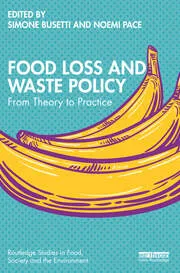
Food Loss and Waste Policy: From Theory to Practice
Books
Food Loss and Waste Policy: From Theory to Practice
This book explores policies on food waste and loss from around the world, including France, Italy, Romania, Japan, China and the United States. It is aimed at students, academics and policymakers.
Read
Image
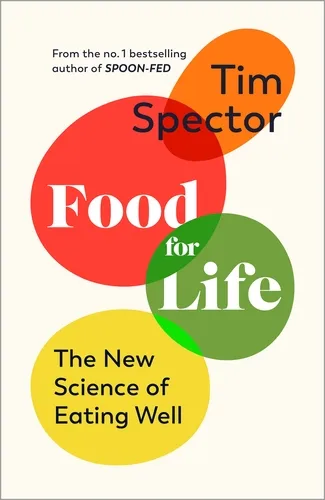
Food for Life: The New Science of Eating Well
Books
Food for Life: The New Science of Eating Well
In this book, epidemiologist Tim Spector sets out his approach to nutrition. He describes the importance of the microbiome, explores which foods are really “healthy” and “unhealthy” and discusses the impacts of food consumption on the environment. The book also contains many short chapters dedicated to specific food types, including fruit, legumes, fungi, meat and fermented dairy.
Read
  • VIEW MORE

Sign up for Fodder, our monthly newsletter unpacking the future of food.

Tick below to opt-in to email communications.

You can change your mind at any time by clicking the unsubscribe link in the footer of any email you receive from us, or by contacting us at info@tabledebates.org.

We use Mailchimp as our marketing platform. By clicking below to subscribe, you acknowledge that your information will be transferred to Mailchimp for processing. Learn more about Mailchimp's privacy practices.
  • Glossary
  • About
  • Our Writing
  • Podcasts
  • Resources

Social

YouTube Facebook Instagram

© Copyright 2025

A collaboration between: