Close
Login Register
Search
  • About
    • What We Do
    • Who We Are
    • FAQs
  • Our Writing
    • Explainers
    • Essays
    • Letterbox
    • Reports & More
  • Podcasts
  • Our Events
  • Projects
    • Power In The Food Systems
    • Local-Global Scale Project
    • MEAT: The Four Futures Podcast
    • Fuel To Fork
    • Nature
    • Reckoning with Regeneration
    • SHIFT
    • Games at TABLE
    • Rethinking the Global Soy Dilemma
  • Resources
  • Opportunities
    • Jobs
    • Funding
    • Courses
    • Collaborations
    • Events
  • Newsletter
  • TABLE (EN)
Search
Back

TABLE

Image
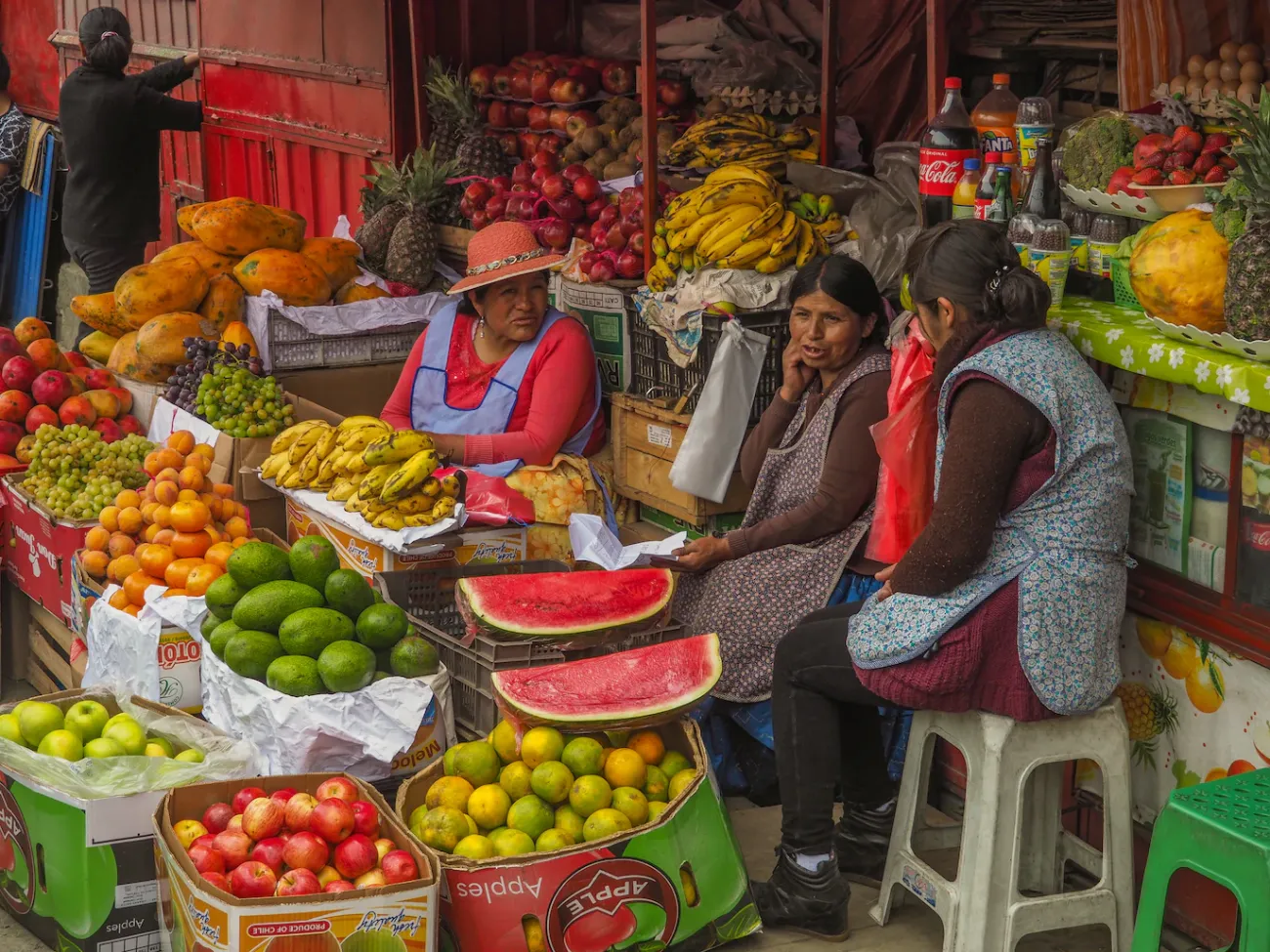
Three women sit at a market stall selling fruit in La Paz, Bolivia. Image credits: Lesly Derksen, Unsplash, Unsplash Licence.
Journal articles
Explaining a failed food sovereignty policy in Bolivia
This paper studies how a top-down (i.e. state-led) food sovereignty policy in Bolivia was negatively impacted by the “corporate food regime”. Food sovereignty was included as a central element of Bolivia’s new constitution in 2009, and regulations were introduced to prioritise food from small-scale farmers in school feeding programmes.
Read
Image
Cooked salmon on a dish with a green salad. Image credit: cattalin, Pixabay, Pixabay Licence.
Journal articles
Wide variation in carbon footprint and quality of US diets
This paper calculates the carbon footprints and dietary quality score of six dietary patterns based on consumption data from the United States: vegan, vegetarian, pescatarian, keto, paleo and omnivorous diets. All of these diets were loosely defined (e.g. vegetarian diets are those with less than 14 grams of meat and seafood per day) to allow some deviation from the strict conventional definitions of these diets. Pescatarian diets scored as the most healthy, and vegan diets had the lowest carbon footprint.
Read
Image
Fried egg. Image credits: rishigarfield, Pixabay, Pixabay Licence.
Journal articles
Micronutrient gaps in the EAT–Lancet planetary health diet
This paper estimates that the EAT-Lancet planetary health diet, which is low in animal products, does not provide sufficient levels of vitamin B12, calcium, iron and zinc. The calculations assume no supplementation or fortification. The authors recommend modifying the EAT-Lancet diet by increasing the levels of animal sourced foods and reducing foods high in phytate.
Read
Image
GFI
News and resources
Alternative protein investment trends in 2022
This article by The Good Food Institute explores global trends in investment in alternative proteins during 2022. Alternative protein companies raised $2.9 billion globally in 2022 - a 42% decrease compared to 2021, which followed several years of increasing global investment in alternative proteins. The article attributes 2022’s lower investment to broader market conditions, as economy-wide private venture funding also declined 35% in 2022. The article also sets out the results of an investor survey showing that 99% of respondents remain optimistic about the alternative protein sector in the long term.
Read
Image
WWF
News and resources
A consensus on food, farming and nature
A consensus statement on a shared vision of the future for the food system has been published by WWF-UK and co-signed by representatives of several UK organisations, including Pasture for Life, the Soil Association, the Eating Better Alliance and the Food, Farming and Countryside Commission. The statement says that the food system should make space for nature both on farms and in wider landscapes; that farmers should be supported in reducing their use of pesticides and synthetic fertilisers; that regenerative soil management should become the norm; and that technology can play a role in sustainable food production. The statement also criticises intensive livestock production and the marketing of unhealthy ultra-processed foods. It does not call for a reduction in animal product consumption.
Read
Image
Big Livestock's Big Greenwash
News and resources
Big Livestock's Big Greenwash
NGO Feedback has published a website, Big Livestock's Big Greenwash, outlining the marketing strategies used by large livestock companies, including: reporting emissions and climate targets in ways that appear to show more progress than has happened; focusing on technological options (e.g. feed additives) to increase efficiency without reducing meat and dairy production; downplaying the climate impact of livestock; and building narratives that argue livestock production is good for farmer wellbeing, food security and traditional meat-based diets. Feedback argues that these strategies amount to greenwash.
Read
Image
Oxford Real Farming Conference
News and resources
Recordings: 2023 Oxford Real Farming Conference
Video recordings from the 2023 Oxford Real Farming Conference are now available online, covering a wide range of topics from agroecology and seaweed to land justice, regenerative farming and philanthropy.
Read
Image
Food System Transformations: Social Movements
Books
Food System Transformations: Social Movements
This book looks at how a “second generation” of local food movements aims to make the global food system more socially just and healthy.
Read
Image
Hoofprints on the Land
Books
Hoofprints on the Land
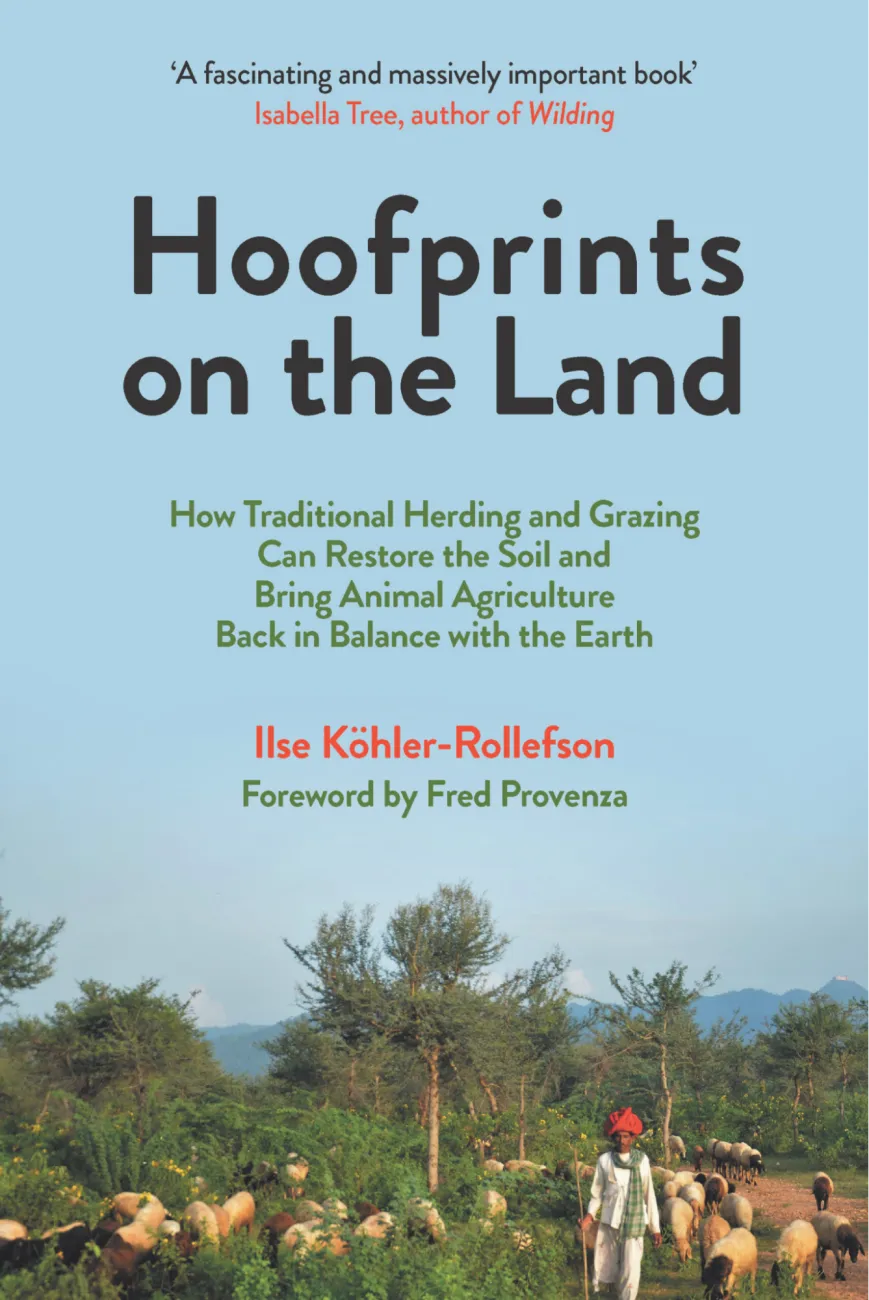
This book argues that traditional nomadic herding practices offer lessons for regenerating a healthy planet and producing food sustainably.
Read
  • VIEW MORE

Sign up for Fodder, our monthly newsletter unpacking the future of food.

Tick below to opt-in to email communications.

You can change your mind at any time by clicking the unsubscribe link in the footer of any email you receive from us, or by contacting us at info@tabledebates.org.

We use Mailchimp as our marketing platform. By clicking below to subscribe, you acknowledge that your information will be transferred to Mailchimp for processing. Learn more about Mailchimp's privacy practices.
  • Glossary
  • About
  • Our Writing
  • Podcasts
  • Resources

Social

YouTube Facebook Instagram

© Copyright 2025

A collaboration between: