Close
Login Register
Search
  • About
    • What We Do
    • Who We Are
    • FAQs
  • Our Writing
    • Explainers
    • Essays
    • Letterbox
    • Reports & More
  • Podcasts
  • Our Events
  • Projects
    • Power In The Food Systems
    • Local-Global Scale Project
    • MEAT: The Four Futures Podcast
    • Fuel To Fork
    • Nature
    • Reckoning with Regeneration
    • SHIFT
    • Games at TABLE
    • Rethinking the Global Soy Dilemma
  • Resources
  • Opportunities
    • Jobs
    • Funding
    • Courses
    • Collaborations
    • Events
  • Newsletter
  • TABLE (EN)
Search
Back

TABLE

Image
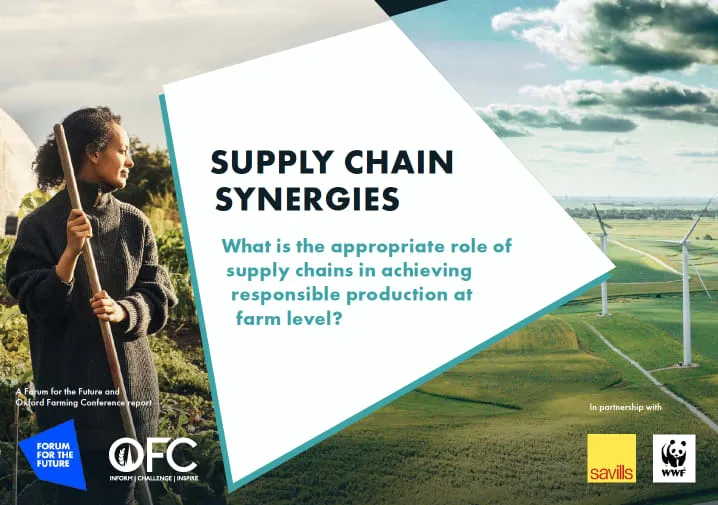
Supply Chain Synergies – What is the appropriate role of supply chains in achieving responsible production at farm level?
Reports
Achieving fair, resilient food supply chains in the UK
This report from Forum for the Future, based on a series of interviews as well as desk research, identifies barriers to food supply chain transformation in the UK as well as options for voluntary action and policy to support change.
Read
Image
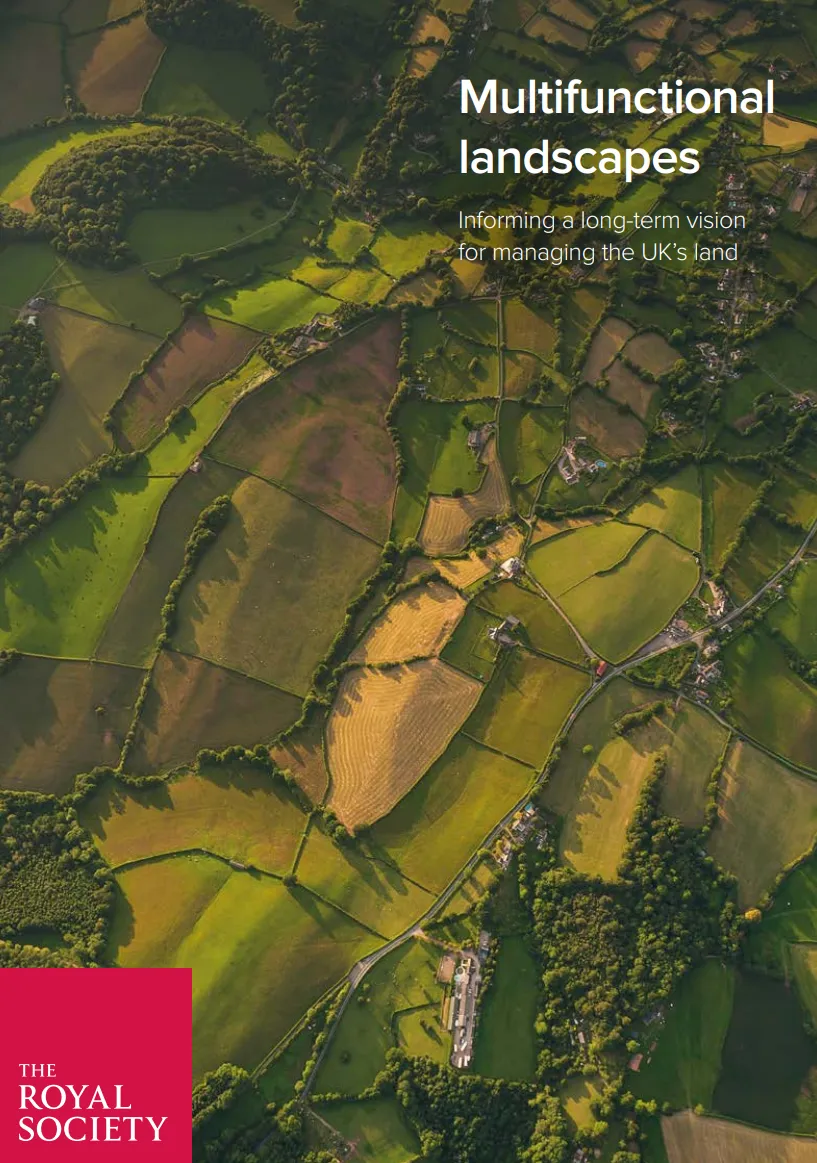
Multifunctional landscapes: Informing a long-term vision for managing the UK’s land
Reports
Multifunctional landscapes
This report from The Royal Society sets out a “multifunctional” approach to land use (with a focus on the UK) - i.e. an approach that considers how land can produce not only goods with a market value (such as food) but also a wide range of products and services that for the most part do not have a market value (e.g. biodiversity provision, carbon sequestration and flood alleviation).
Read
Image
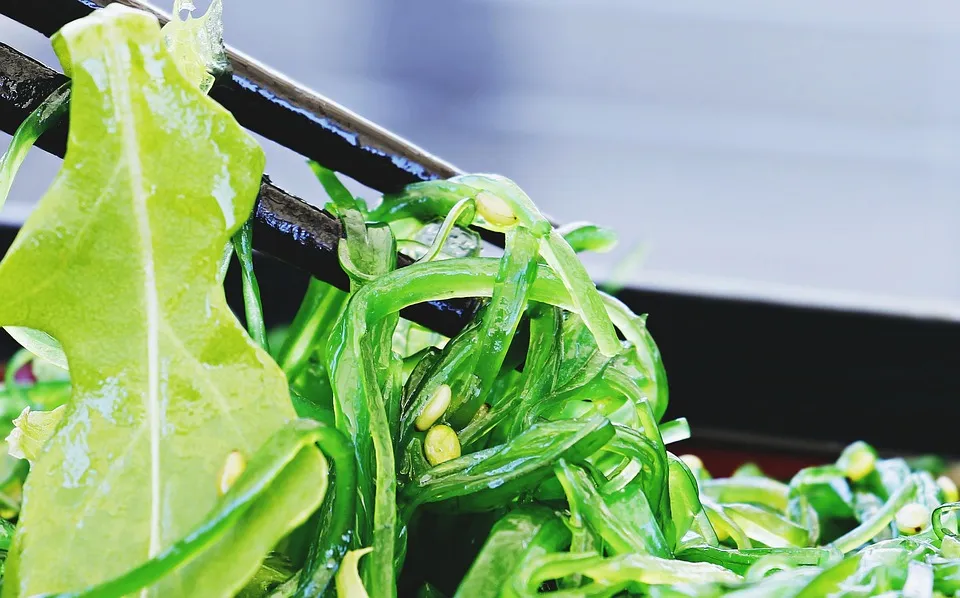
Image: NoName_13, Salad chuka wakame, Pixabay, Pixabay Licence
Journal articles
Reducing global land-use pressures with seaweed farming
This paper maps the global potential for producing 34 varieties of seaweed and uses five scenarios to model the impacts of expanding the use of seaweed for human food (10% of diets), animal feed (10% of intake), transport fuels (50%), all three of the previous uses, or supplementing ruminant feed (0.5% of feed) to reduce enteric methane production and increase feed conversion efficiency.
Read
Image
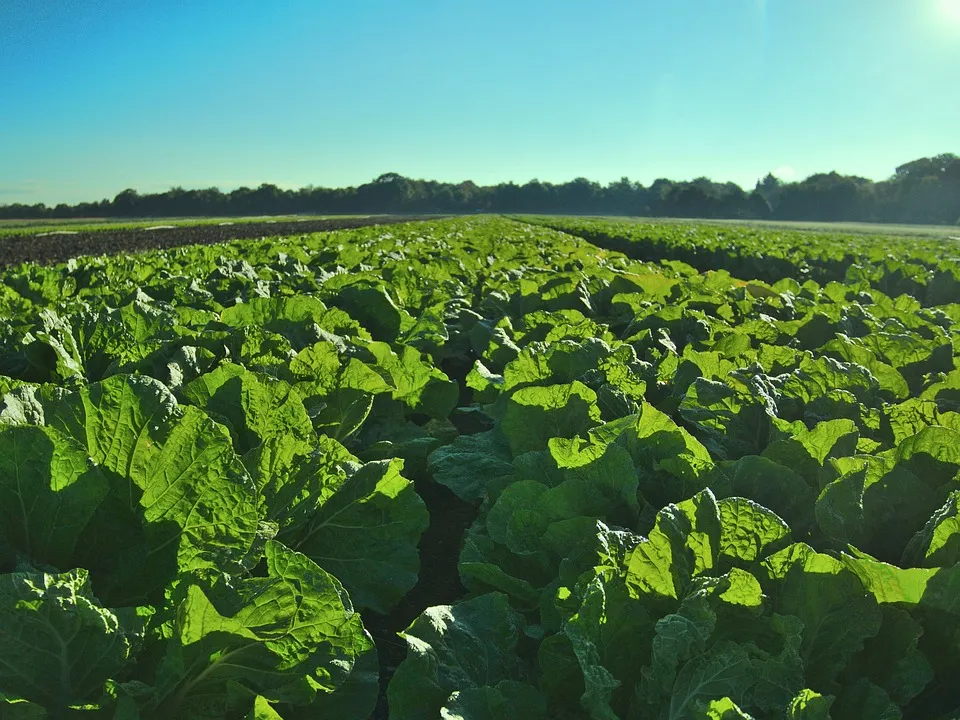
Image: joffi, Salad field, Pixabay, Pixabay Licence
Journal articles
Impacts of the EAT-Lancet diet on European farming
This paper explores how the agricultural sector in the European Union (EU) might be affected by partial shifts in European consumers’ diets towards the EAT-Lancet reference diet. The impacts vary by sector, with the production of animal-sourced foods likely to fall and production of fruit and vegetables likely to increase. Overall, agricultural income is projected to rise as a result of the dietary shifts.
Read
Image
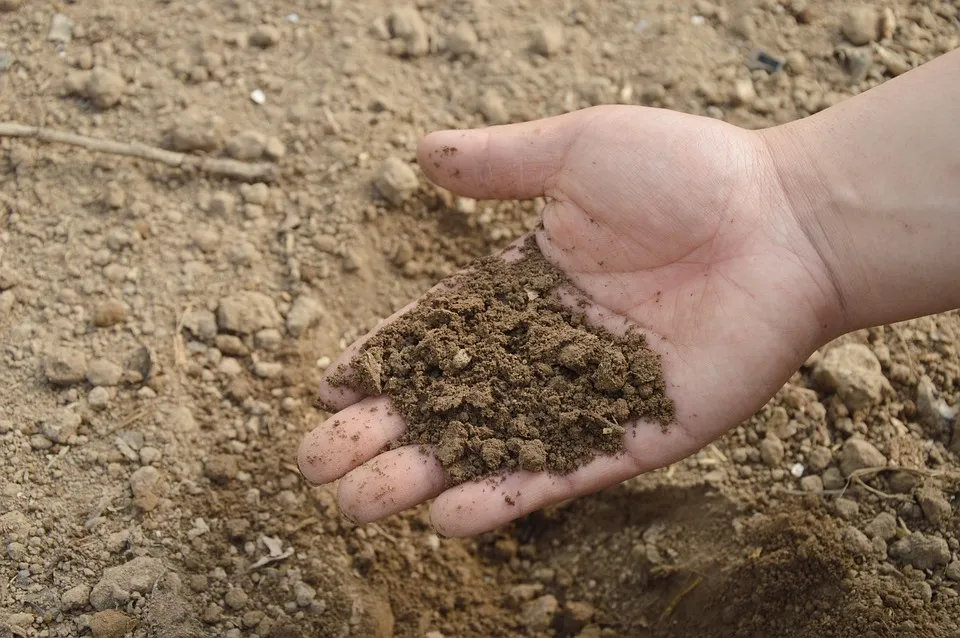
Image: Jing, Soil hand farm, Pixabay, Pixabay Licence
Journal articles
Soil carbon sequestration is not always a win-win
This paper critiques the narrative of soil carbon sequestration as a win-win solution offering climate mitigation as well as improving multiple “soil functions” such as fertility, biodiversity and water retention. It argues that accounting for the likely saturation of soil organic carbon over time significantly reduces the estimated potential contribution of soil carbon sequestration to climate mitigation. Furthermore, it finds that the literature does not show a general positive association between soil organic carbon sequestration and improved crop yields - rather, the effects on yields can be positive, neutral or negative depending on the situation.
Read
Image
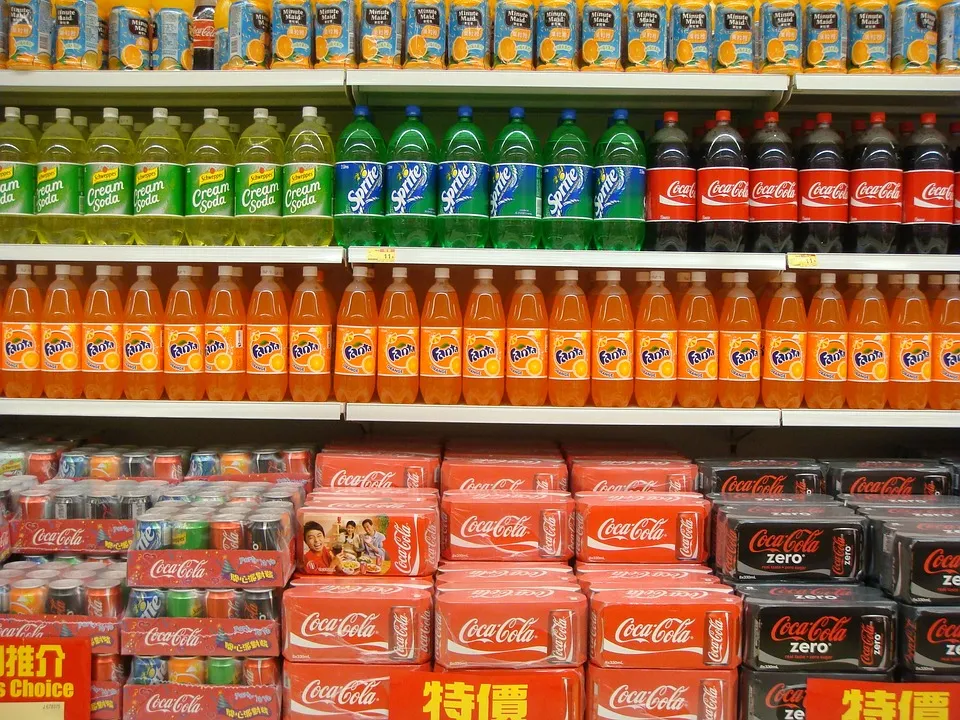
Image: evelynlo, Supermarket Cola Soft Drink, Pixabay, Pixabay Licence
Journal articles
Ultra-processed food consumption and cancer risk
This study assesses the associations between the consumption of ultra-processed foods (as defined by the NOVA classification system) and the incidence of and mortality from 34 specific types of cancer, as well as overall cancer risk, in a sample of nearly 200,000 British adults. After correcting for a wide range of confounding factors such as smoking status and physical activity levels, greater UPF intake was found to have a statistically significant association with overall cancer incidence and mortality, as well as with some (but not most) of the specific cancers assessed.
Read
Image
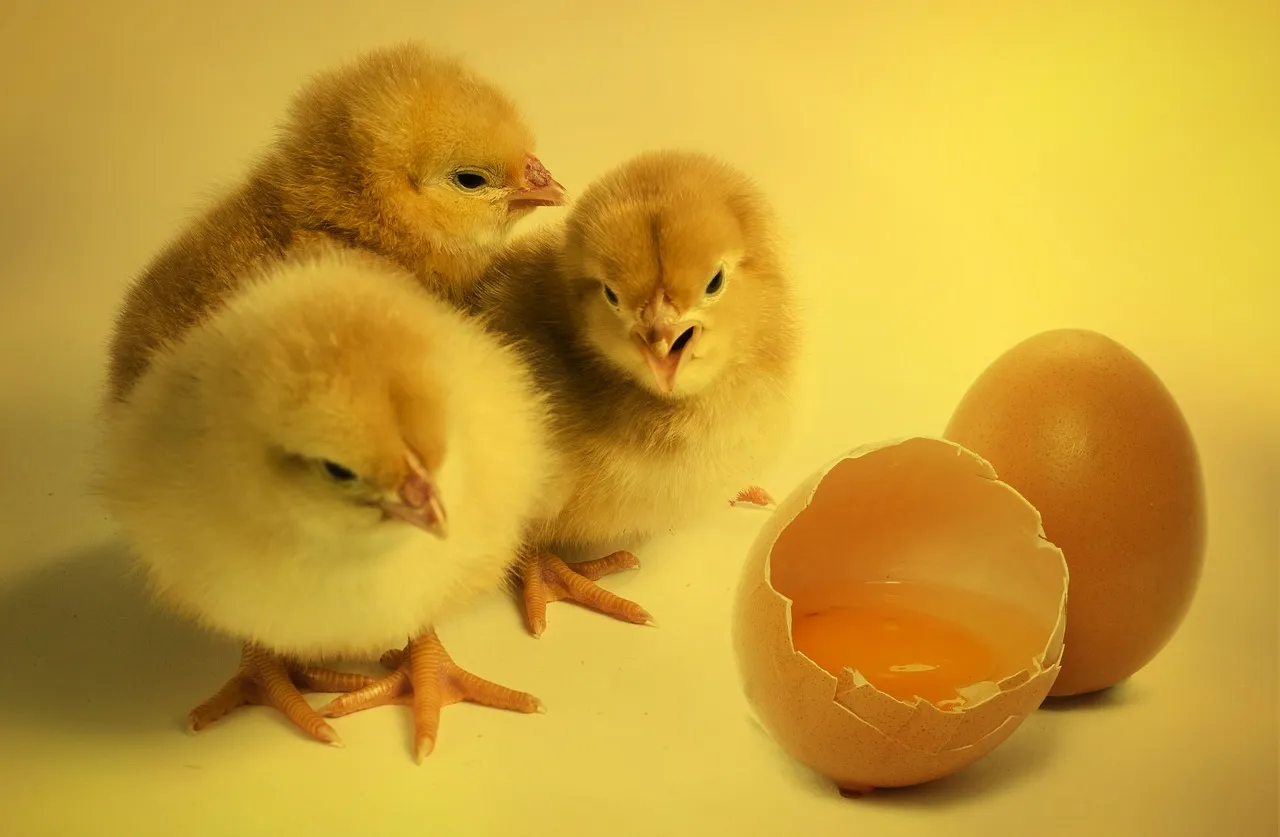
Image: Chick bird chicken, cocoparisienne, Pixabay, Pixabay Licence
News and resources
Gene-edited hens can avoid production of male chicks
Researchers from the Agricultural Research Organization - Volcani Center in Israel have developed a genetically edited hen that lays eggs from which only female chicks hatch. The genetic editing works in such a way that the female offspring do not carry any of the edits themselves. Any male embryos in eggs carry a different chromosome that stops their development at a very early stage when the eggs are exposed to blue light. The news has been welcomed by Compassion in World Farming, which says the technology could avoid the current system of slaughtering male chicks shortly after hatching.
Read
Image
Convention on Biological Diversity
News and resources
COP15 reaches global biodiversity deal
December 2022 saw the signing of the Kunming-Montreal Global Biodiversity Framework, an international agreement on tackling biodiversity loss, at the COP15 meeting of parties to the UN Convention on Biological Diversity. The framework sets out four goals for 2050, relating to the maintenance and restoration of natural ecosystems, achieving sustainable development, fair and equitable sharing of the benefits from genetic resources and traditional knowledge, and securing equitable access for all framework parties to the financial and other resources needed to implement the framework.
Read
Image
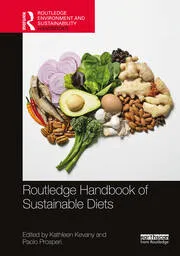
Routledge Handbook of Sustainable Diets
Books
Routledge Handbook of Sustainable Diets
This book gives an overview of current thinking on sustainable diets, including sections on environmental sustainability, health and wellbeing, education and public engagement, social policies and food environments, alternative food movements, economics and trade, measuring food sustainability, and case studies on food sovereignty around the world.
Read
  • VIEW MORE

Sign up for Fodder, our monthly newsletter unpacking the future of food.

Tick below to opt-in to email communications.

You can change your mind at any time by clicking the unsubscribe link in the footer of any email you receive from us, or by contacting us at info@tabledebates.org.

We use Mailchimp as our marketing platform. By clicking below to subscribe, you acknowledge that your information will be transferred to Mailchimp for processing. Learn more about Mailchimp's privacy practices.
  • Glossary
  • About
  • Our Writing
  • Podcasts
  • Resources

Social

YouTube Facebook Instagram

© Copyright 2025

A collaboration between: