Close
Login Register
Search
  • About
    • What We Do
    • Who We Are
    • FAQs
  • Our Writing
    • Explainers
    • Essays
    • Letterbox
    • Reports & More
  • Podcasts
  • Our Events
  • Projects
    • Power In The Food Systems
    • Local-Global Scale Project
    • MEAT: The Four Futures Podcast
    • Fuel To Fork
    • Nature
    • Reckoning with Regeneration
    • SHIFT
    • Games at TABLE
    • Rethinking the Global Soy Dilemma
  • Resources
  • Opportunities
    • Jobs
    • Funding
    • Courses
    • Collaborations
    • Events
  • Newsletter
  • TABLE (EN)
Search
Back

TABLE

Image
Photo: Joshua Rappeneker, Beef, Flickr, Creative Commons License 2.0
Resource
The debate continues: beef production intensification for decreased GHG emissions?
An academic debate on the controversial possibility of decreasing greenhouse gas emissions via increased beef production in the Brazilian Cerrado finds a new set of commentators, who have responded to an original paper by de Oliveira Silva et al. earlier in 2016 in the same journal, Nature Climate Change.
Read
Image
Photo: South African Tourism, Northern Cape, Flickr, Creative Commons License 2.0
Resource
Climate-smart soils
Recent assessments have strongly suggested that meeting the widely agreed target of limiting global warming to less than 2°C will require the deployment of substantial carbon sinks in addition to measures to curb greenhouse gas (GHG) emissions. This perspective article examines the latest research and thinking on the ability of agricultural soil management to reduce GHG emissions and promote soils as carbon sinks, and the practical feasibility of implementing available soil management practices
Read
Image
Photo: David Leo Veksler, Binjang Forest Park, Flickr, Creative Commons License 2.0
Resource
Untapped potential for largest reforestation program in the world in China
Initiated in 1999, the Grain-for-Green Program was set up primarily to reduce soil erosion and uses cash payments to incentivise people to replant trees on sloped crop and scrubland. This study examines the effects on bird and bee species in the scheme across the country. It finds that the program has not greatly benefited birds and bees due to the common practice of monoculture tree planting.
Read
Image
 Photo: Global Water Forum, Agriculture in China, Creative Commons License 2.0
Resource
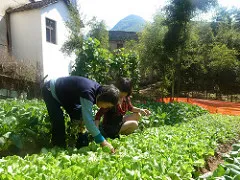
China investing US$450 billion to modernise agriculture by 2020
Read
Image
Resource
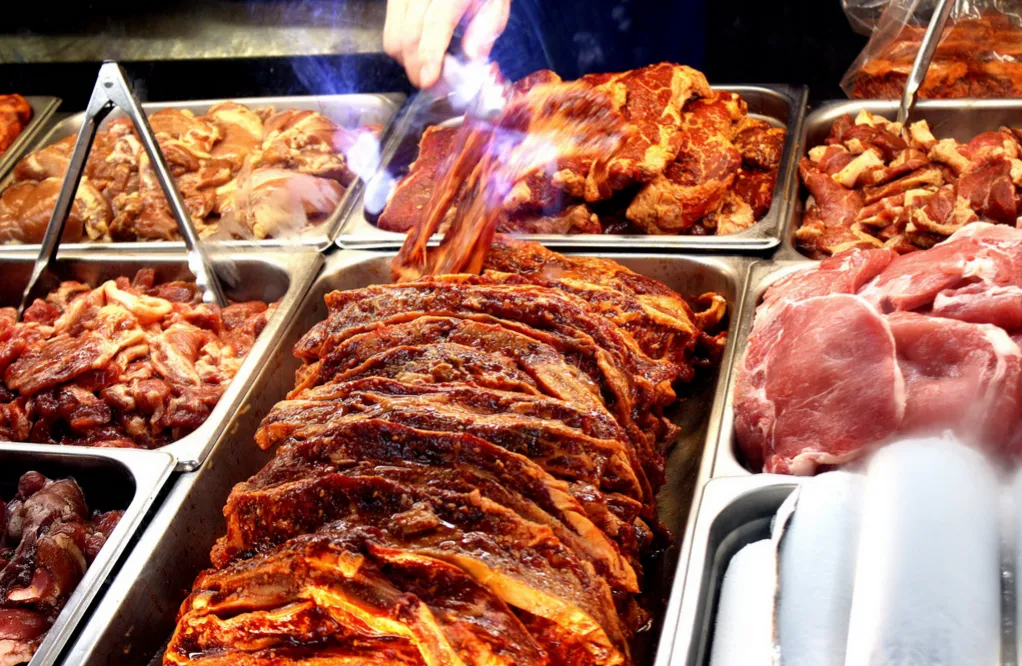
China lifts 13 year ban on U.S. meat
China’s premier has announced that the country will begin accepting U.S. beef from animals under 30 months of age. When speaking to U.S. business groups, Chinese Premier Li Keqiang said China would soon allow imports of U.S. beef.  China has conditionally lifted an import ban on some shipments of U.S. boneless beef and beef on the bone, and will also ease restrictions on Canadian beef, the Asian nation's agriculture ministry and its premier said on Thursday.
Read
Image
Resource
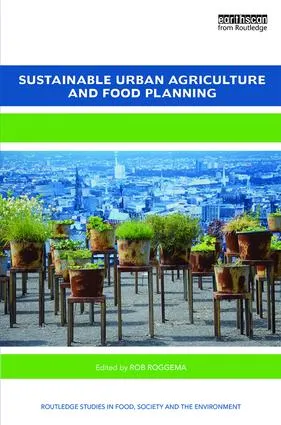
Sustainable Urban Agriculture and Food Planning
New book on sustainable urban agriculture.
Read
Image
Resource
Investors call for new business outlook on protein sourcing: more plants, less meat
A group of investors, worth $1.25 trillion, has contributed to a report calling for food companies to change the way in which they include protein in their products to reduce environmental risk. The FAIRR initiative’s report – The Future of Food: The Investment Case for a Protein Shake Up – argues that forward-looking investors and businesses should act now to help shape a new market in sustainable protein, with less of this macronutrient coming from animals, and more from plants (and perhaps from insects and algae).
Read
Image
Resource
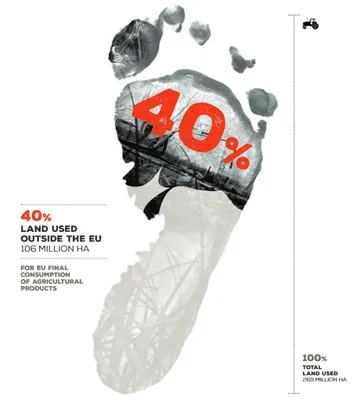
The True Cost of Consumption:The EU’s Land Footprint
The EU uses more than its fair share of global land; in 2010 the amount of land needed to satisfy our consumption of agricultural goods and services was 43% greater than the land available within its boundaries. This report stresses the responsibility that the EU has to measure, monitor and reduce its global land footprint.
Read
Image
Photo: US Army Africa, USAID, FLickr, Creative Commons License 2.0
Resource
No right to food and nutrition in the SDGs: mistake or success?
In this short article, the authors argue that the explicit absence of the ‘right to food’ in the Sustainable Development Goals is unjust and is due to opposition by the US and a self-contradictory position by the EU. The Sustainable Development Goals do name access to water, health and education as universally guaranteed human rights.
Read
  • VIEW MORE

Sign up for Fodder, our monthly newsletter unpacking the future of food.

Tick below to opt-in to email communications.

You can change your mind at any time by clicking the unsubscribe link in the footer of any email you receive from us, or by contacting us at info@tabledebates.org.

We use Mailchimp as our marketing platform. By clicking below to subscribe, you acknowledge that your information will be transferred to Mailchimp for processing. Learn more about Mailchimp's privacy practices.
  • Glossary
  • About
  • Our Writing
  • Podcasts
  • Resources

Social

YouTube Facebook Instagram

© Copyright 2025

A collaboration between: