Close
Login Register
Search
  • About
    • What We Do
    • Who We Are
    • FAQs
  • Our Writing
    • Explainers
    • Essays
    • Letterbox
    • Reports & More
  • Podcasts
  • Our Events
  • Projects
    • Power In The Food Systems
    • Local-Global Scale Project
    • MEAT: The Four Futures Podcast
    • Fuel To Fork
    • Nature
    • Reckoning with Regeneration
    • SHIFT
    • Games at TABLE
    • Rethinking the Global Soy Dilemma
  • Resources
  • Opportunities
    • Jobs
    • Funding
    • Courses
    • Collaborations
    • Events
  • Newsletter
  • TABLE (EN)
Search
Back

TABLE

Image
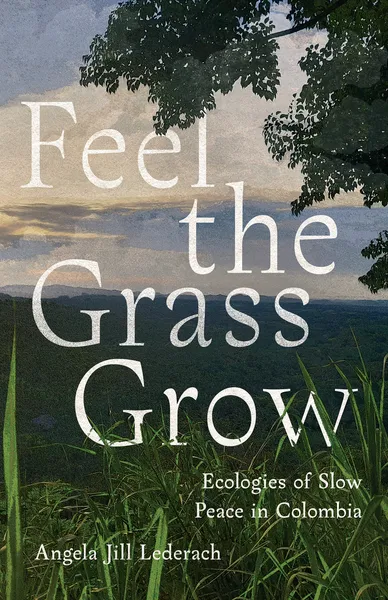
Cover of Feel the Grass Grow by Angela Jill Lederach.
Books
Feel the Grass Grow: Ecologies of Slow Peace in Colombia
This book discusses the ongoing process of achieving peace in Colombia following the 2016 signing of a peace accord by the Colombian government and the Revolutionary Armed Forces of Colombia. It focuses on the role campesinos (peasant farmers) have had in the continued process of peacebuilding, using what Lederach describes as “slow peace” to recenter grassroots practices of peace, grounded in multigenerational struggles for territorial liberation.
Read
Image
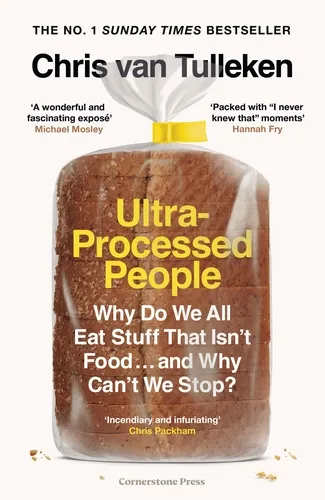
The cover of the book “Ultra-Processed People: Why do we all eat stuff that isn’t food and why can’t we stop?” by Chris van Tulleken featuring a photo of packaged bread.
Books
Ultra-Processed People: Why Do We All Eat Stuff That Isn't Food ... and Why Can't We Stop?
This book explores the origins, science and economics of Ultra-Processed Foods and unpacks the effects that the increased dependence on these foods is having on human and environmental health. The book questions narratives of individual choice and responsibility, demonstrating instead how the increased consumption of Ultra-Processed Foods is driven by addiction, big business and a limiting food environment. A series of solutions for doctors, policy makers, and consumers are presented in order to take action against on a global scale.
Read
Image
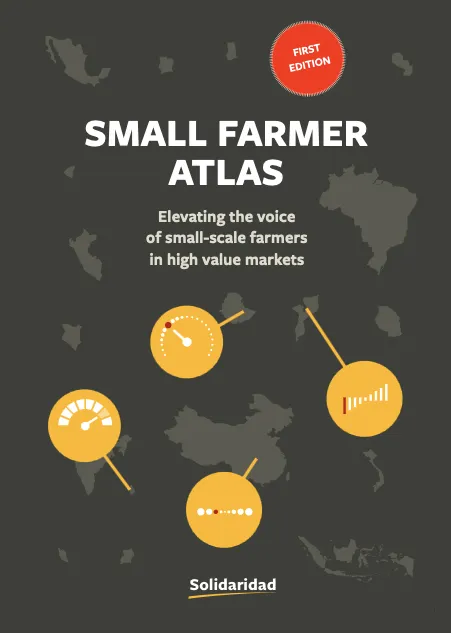
Cover of the Small Farmer Atlas, First Edition, by Solidaridad.
Reports
The Small Farmer Atlas - Solidaridad
Ninety percent of the 570 million farms globally are small-scale operations (defined in terms of low economic output rather than land holding size (which would describe a smallholder instead)) which together are responsible for a significant proportion of total agricultural production. Thus, understanding and incorporating the perspectives and knowledge of small-scale farmers in policies and practices is crucial for achieving sustainable agriculture development.
Read
Image
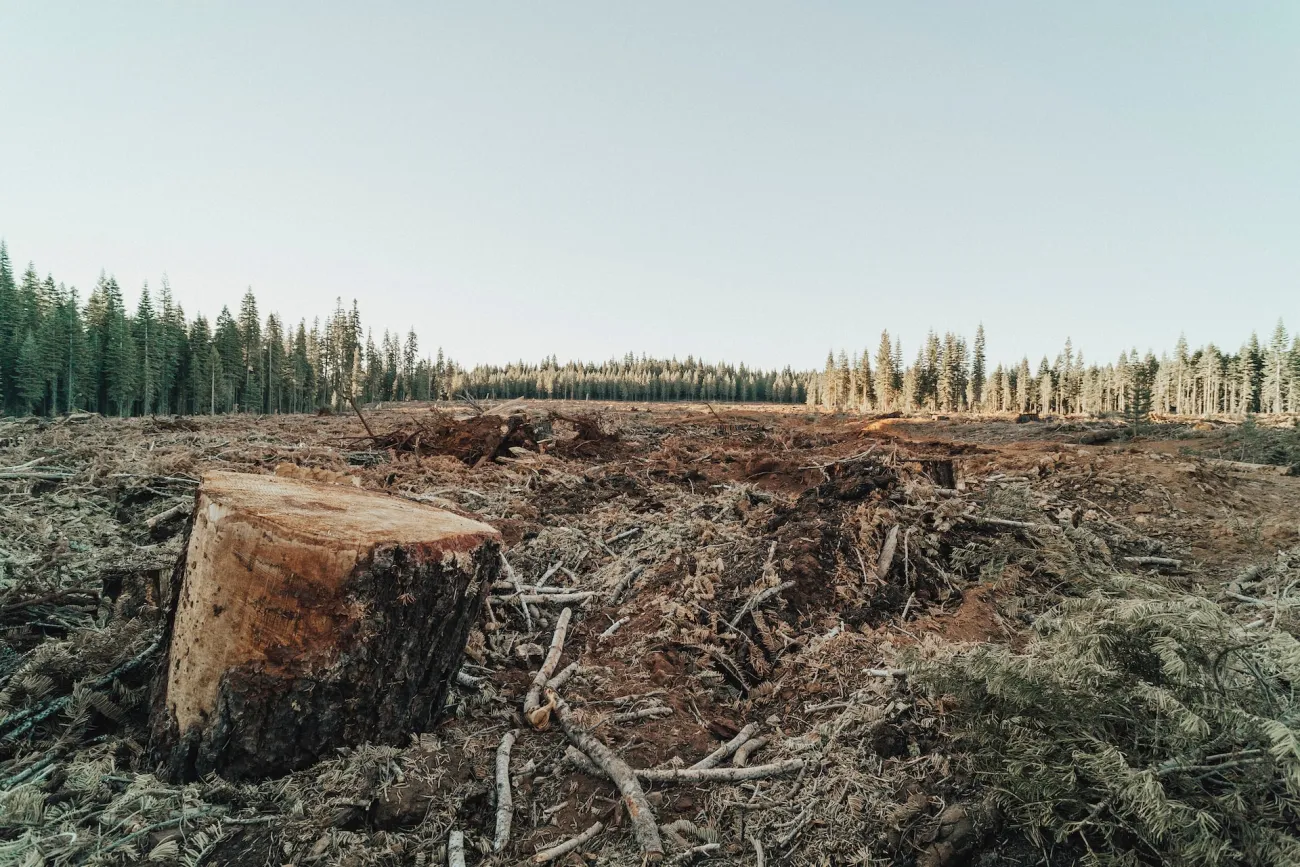
A tree stump sits in the foreground of a deforested landscape with the edge of a forest in the distance. Photo by roya ann miller via Unsplash.
Journal articles
Land owned by Indigenous Peoples limits deforestation
Previous studies have shown conflicting results on whether or not Indigenous Peoples Lands (IPL) can halt deforestation. This study set out to test whether these differing results reflect variations in land tenure.
Read
Image
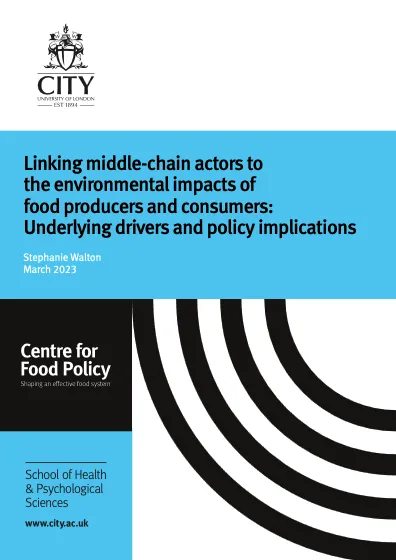
Cover of the Linking middle-chain actors to the environmental impacts of food producers and consumers report by Stephanie Walton of the Centre for Food Policy at City University of London.
Reports
Linking middle-chain actors to the environmental impacts of food producers and consumers: Underlying drivers and policy implications - Centre for Food Policy
This report from the Centre for Food Policy at City University of London discusses the role middle-chain actors, particularly food manufacturers and retailers, play in influencing farmer and consumer behaviours and how this leads to negative environmental impacts. The findings presented in this report highlight the importance of policy approaches that promote mutual responsibility across the entire supply chain to achieve sustainable production and consumption.
Read
Image
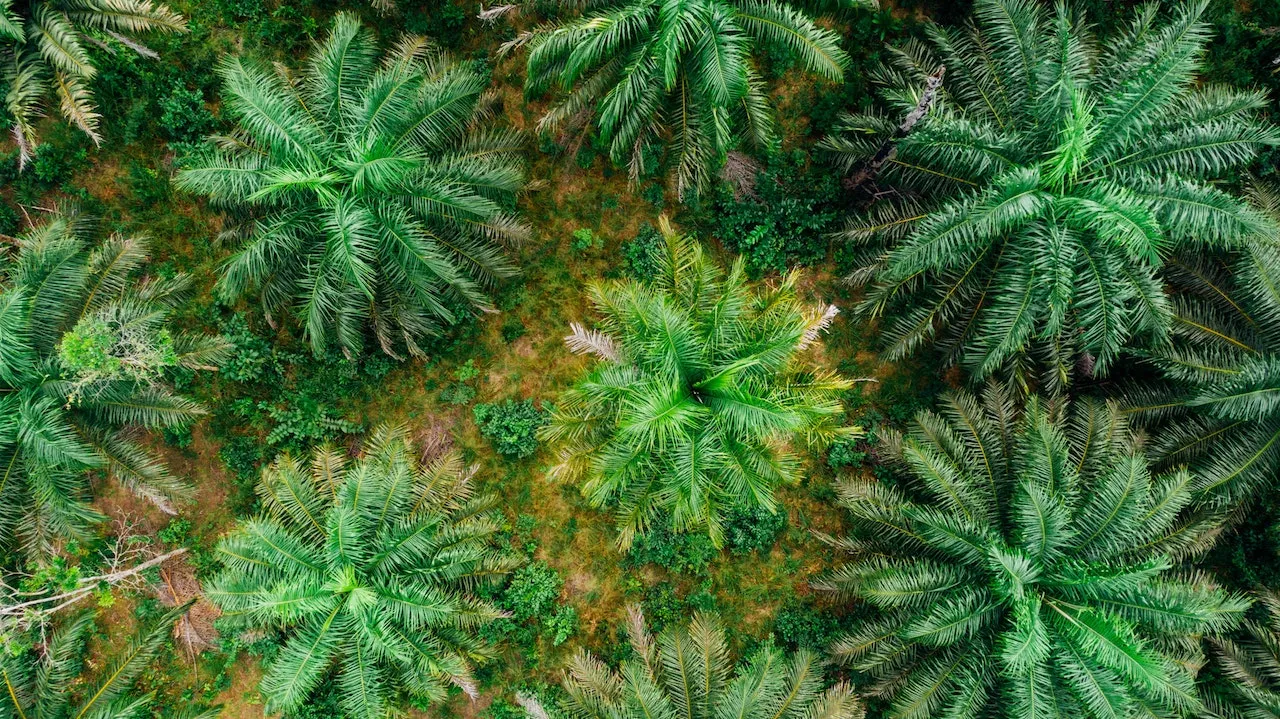
Aerial view of monoculture oil palm plantation. Photo by Kelly Lacy via Pexels.
Journal articles
Tree islands - an agroforestry approach to palm oil production
This study examines the potential of a form of agroforestry wherein tree islands  - small areas where native trees are planted or allowed to regenerate naturally - are interspersed with oil-palm monocultures, in order to benefit biodiversity and ecological functioning.
Read
Image
An animated globe with planes flying between different countries. Image by Mudassar Iqbal via Pixabay.
Journal articles
A global map of the conflict between agriculture and conservation
This study aims to provide a comprehensive global assessment of where food and agricultural production conflicts with biodiversity conservation, and the products and countries that contribute the most to these trends. Spatial models of farming and conservation priority areas were used to estimate how the production and consumption of 48 agricultural commodities across 197 countries conflict with the conservation of 7,143 species.
Read
Image
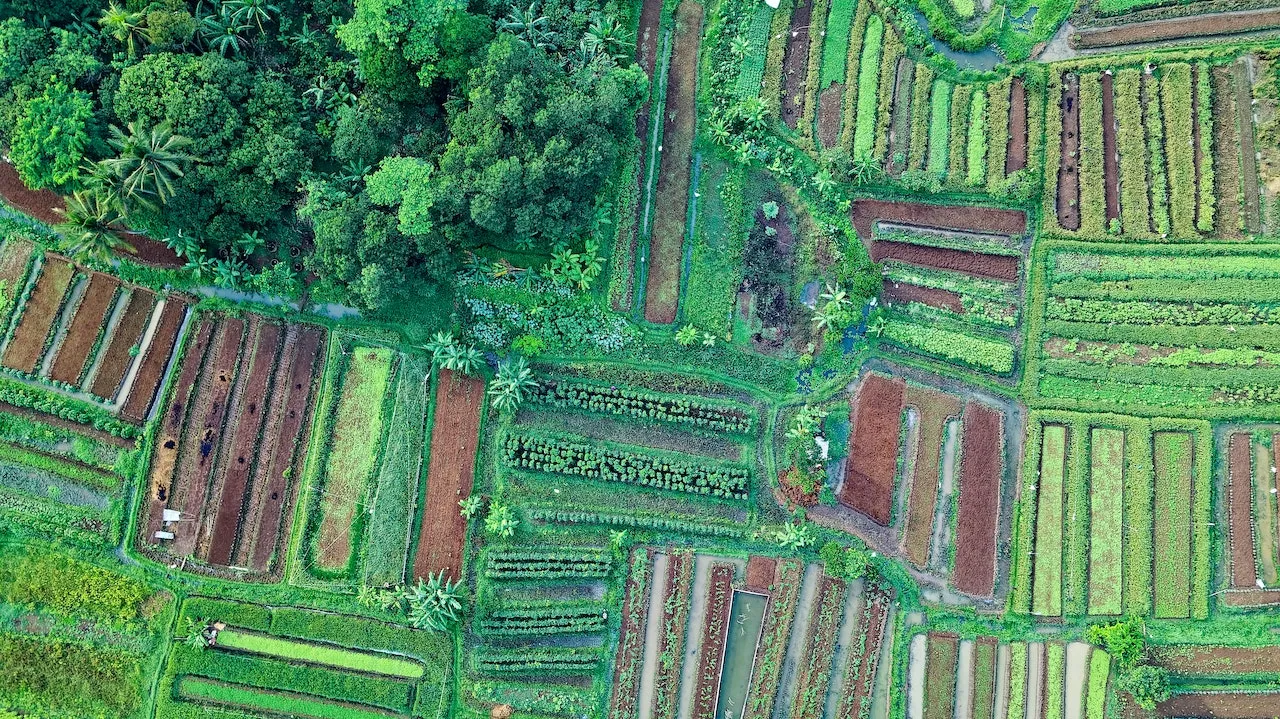
Aerial view of patchwork of small fields, Indonesia. Photo by Tom Fisk via Pexels.
Journal articles
Agroecology Can Promote Climate Change Adaptation Outcomes Without Compromising Yield In Smallholder Systems
This study set out to assess whether agroecology can effectively mitigate the effects of and promote adaptation to climate change without compromising food security.
Read
Image
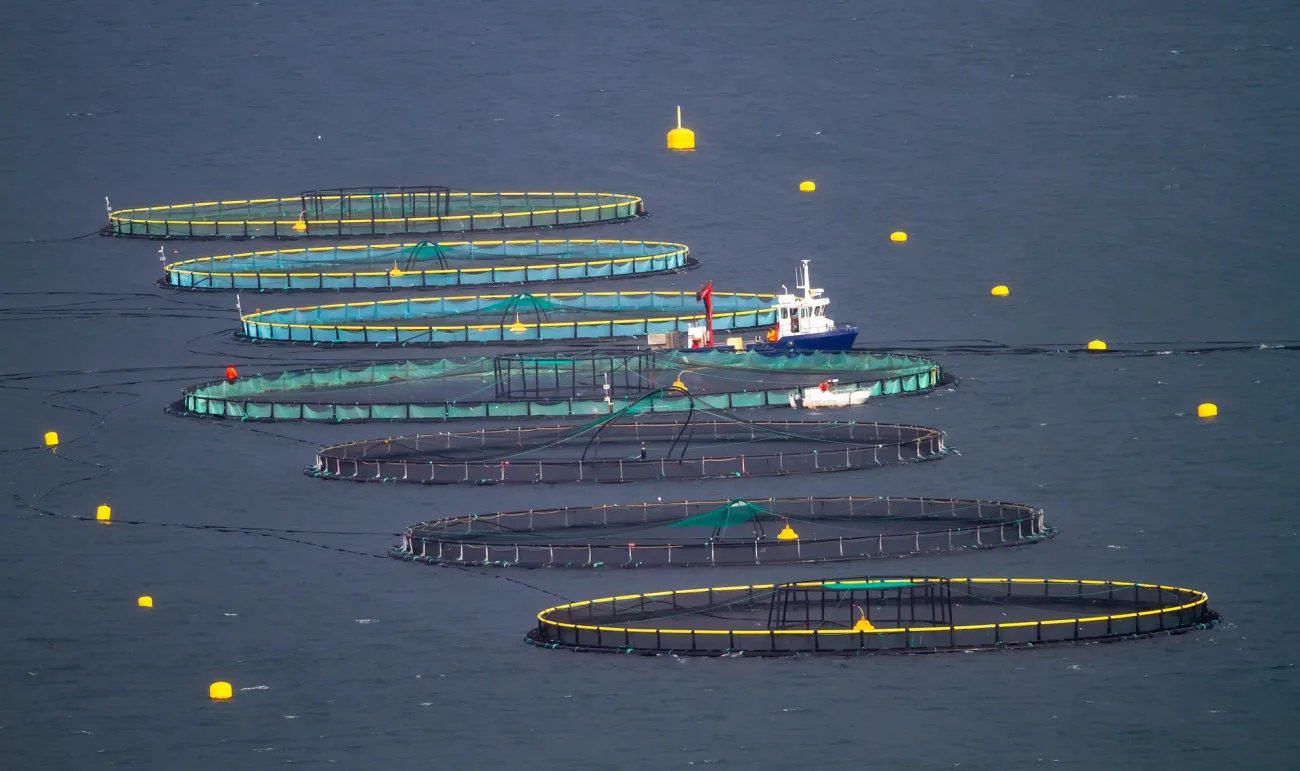
Fish farming cages in the ocean. Photo by Tapani Hellman via Pixabay.
Journal articles
Achieving conservation and restoration outcomes through ecologically beneficial aquaculture
Aquaculture, the culturing of aquatic organisms, was estimated to have a total global production of 122.6 million tonnes in 2020. This makes it crucial to achieving food security but it can have negative environmental impacts and lead to habitat degradation and destruction.
Read
  • VIEW MORE

Sign up for Fodder, our monthly newsletter unpacking the future of food.

Tick below to opt-in to email communications.

You can change your mind at any time by clicking the unsubscribe link in the footer of any email you receive from us, or by contacting us at info@tabledebates.org.

We use Mailchimp as our marketing platform. By clicking below to subscribe, you acknowledge that your information will be transferred to Mailchimp for processing. Learn more about Mailchimp's privacy practices.
  • Glossary
  • About
  • Our Writing
  • Podcasts
  • Resources

Social

YouTube Facebook Instagram

© Copyright 2025

A collaboration between: