Close
Login Register
Search
  • About
    • What We Do
    • Who We Are
    • FAQs
  • Our Writing
    • Explainers
    • Essays
    • Letterbox
    • Reports & More
  • Podcasts
  • Our Events
  • Projects
    • Power In The Food Systems
    • Local-Global Scale Project
    • MEAT: The Four Futures Podcast
    • Fuel To Fork
    • Nature
    • Reckoning with Regeneration
    • SHIFT
    • Games at TABLE
    • Rethinking the Global Soy Dilemma
  • Resources
  • Opportunities
    • Jobs
    • Funding
    • Courses
    • Collaborations
    • Events
  • Newsletter
  • TABLE (EN)
Search
Back

TABLE

Image
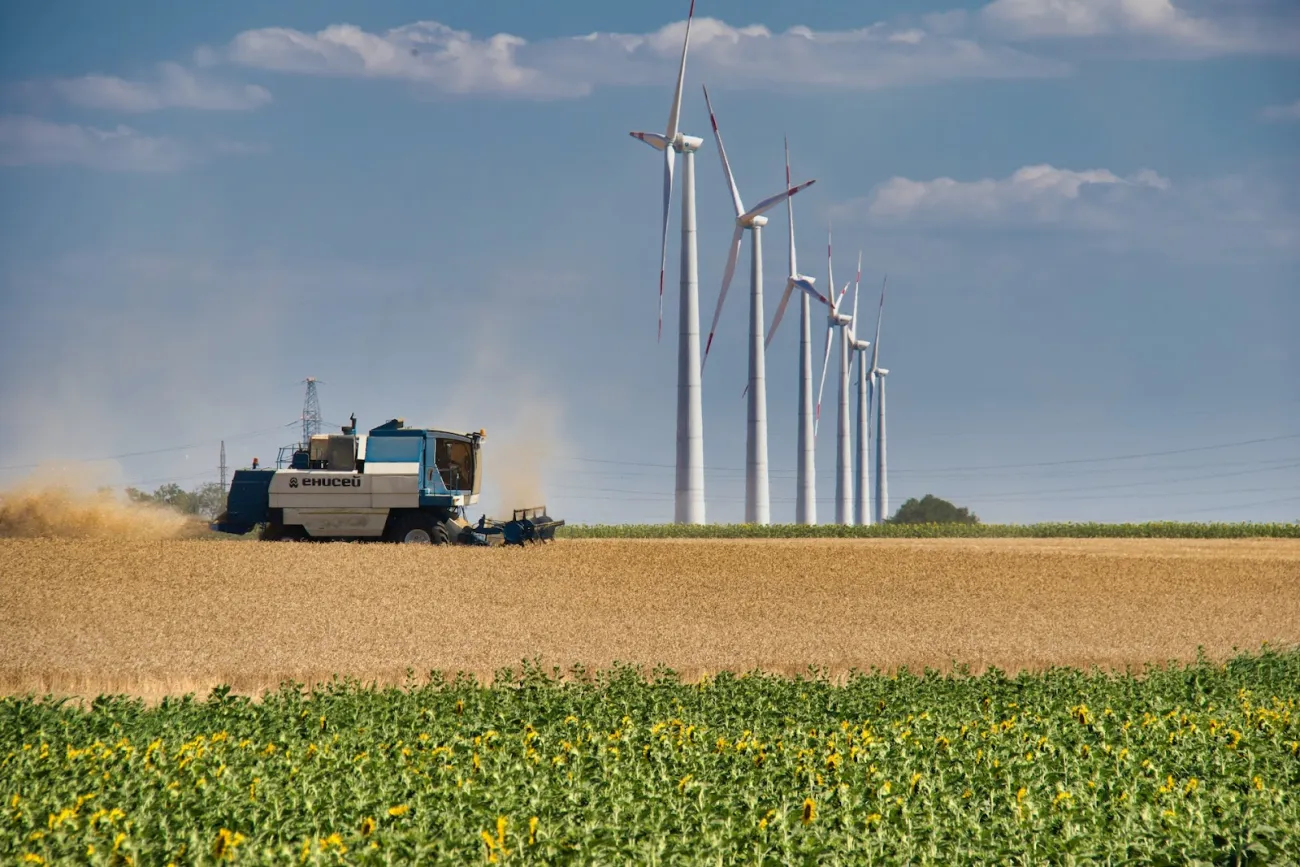
A combine harvests wheat in the foreground with a row of turbines in the distance. Photo by Anton Klyuchnikov via Pexels.
Journal articles
Decarbonising the energy sector threatens food security by reducing the availability of synthetic fertilisers
The dramatic increases in agricultural yields over the 20th century have been supported by the broad spread application of fertiliser containing, amongst other elements, phosphorus. Whilst phosphate can be obtained from mining, the vast majority is obtained from cheap sulphur, which is a byproduct of refining fossil fuels. As the energy sector decarbonises, there will therefore be a large decrease in the availability of sulphur, leading to a rapid increase in price.  
Read
Image
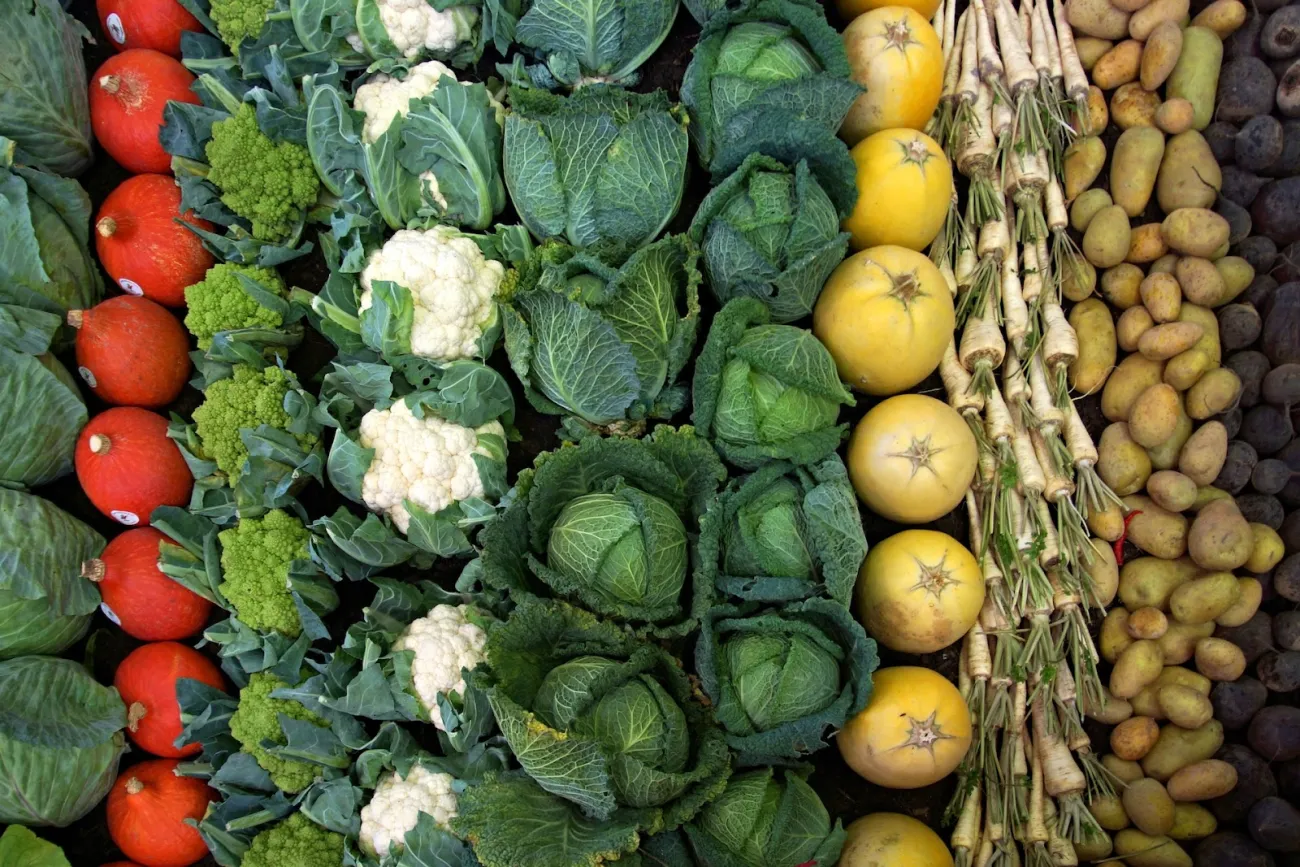
Colourful rows of squash, cauliflower, cabbage, parsnips and potatoes. Photo by Pixabay
Journal articles
How diversifying the agrifood systems can ensure global food security
The conflict in Ukraine has spotlighted significant insecurities in the global food system. Many countries with restricted access to imported staples have seen their food prices soaring and populations become increasingly food insecure, with effects most pronounced in the world’s poorest countries who tend to be import reliant. This paper highlights the impacts of current international crises on food security, highlights over-reliance on imports as the major threat to food security, and offers four suggestions as to how food systems can be diversified to enhance future food security
Read
Image
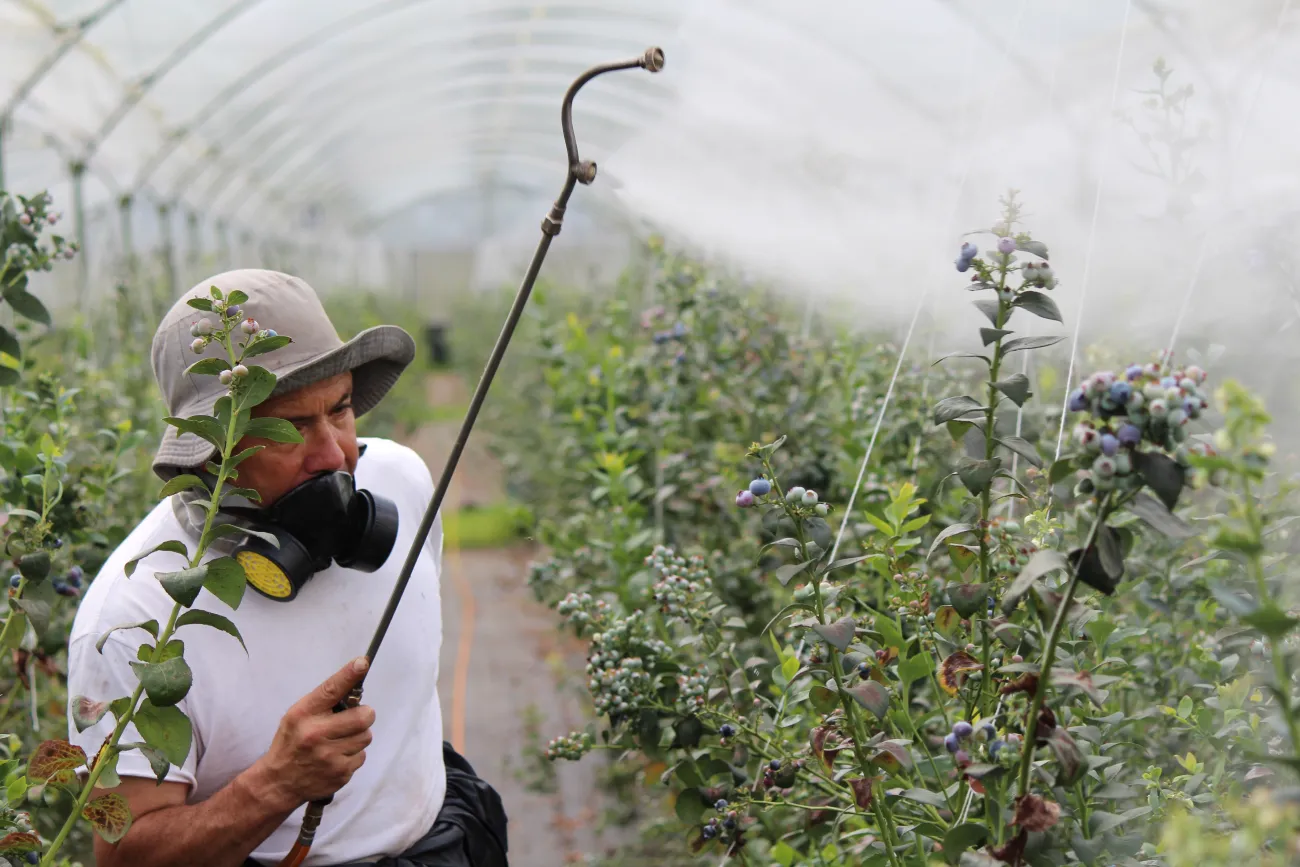
A farmer spraying herbicides on plants. Photo via Laura Arias
News and resources
Research revealing links between weed killer and Parkinsons deliberately suppressed and manipulated by Syngenta
Leaked internal documents from Syngenta reveal how the company has repeatedly buried evidence that links its best selling herbicide Paraquat with Parkinson’s disease. The documents reveal a history of tactics to confound scientific research including; funding scientists and researchers to publish papers on Paraquat without disclosing conflicts of interest, enlisting lawyers to push scientists away from using “problematic language” and preventing a prominent scientist studying Parkinson’s from sitting on the US Environmental Protection Agency advisory panel, which regulates US pesticide usage.
Read
Image
Glass of spilt milk. Photo by Anita Jankovic via Unsplash
News and resources
Campaigners win the right to challenge the UK government for failing to cut consumption of meat and dairy products
The food system campaigners Feedback have won an appeal to challenge the legality of the UK’s Food Strategy, which was published by the Department of Environment, Food and Rural Affairs in June 2022. The campaigners argue that the strategy is unlawful for failing to take into account duties to cut greenhouse gas emissions.
Read
Image
Cover of the book Land Tenure Reform in Sub-Saharan Africa by Steven Lawry et al.
Books
Land Tenure Reform in Sub-Saharan Africa
By analysing the results of several case studies this book assesses the impacts of land tenure reform interventions implemented in Benin, Ethiopia, Rwanda, and Zimbabwe. It focuses on how these interventions impacted tenure security, agricultural productivity, and social inclusion under different socio-political and economic contexts. The authors argue that inadequate attention paid to the core characteristics of rural social systems obscures the benefits of achieving tenure while overlooking the potential for social reform.   
Read
Image
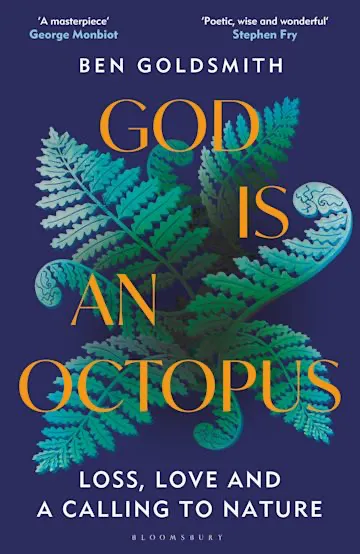
Cover of the book God Is An Octopus: Loss, Love and a Calling to Nature by Ben Goldsmith featuring a drawing of a fern.
Books
God Is An Octopus
In July 2019, Ben Goldsmith lost his fifteen-year-old daughter, Iris, in an accident on their family farm in Somerset. This book explores how he found solace, healing, and hope in nature as he set about rewilding his farm. Ben tells a powerful, immersive and inspiring story of finding comfort and strength in nature in the darkest of times
Read
Image
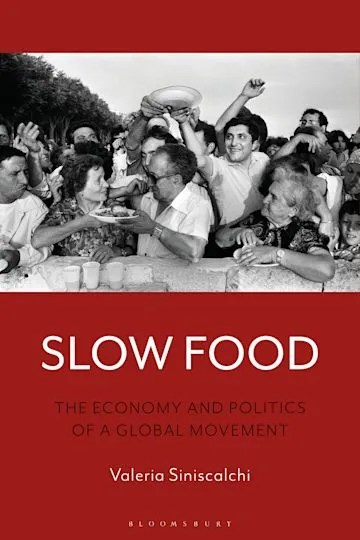
Cover of Slow Food: The Economy and Politics of a Global Movement by Valeria Siniscalchi showing a community sharing food
Books
Slow Food: The Economy and Politics of a Global Movement
Using ethnographic research, Valeria Siniscalchi peels back the curtain on the daily goings on of the famous grassroots food movement, Slow Food. The Slow Food organisation was formed in Italy to promote the values of slow, local and traditional food practices based around community values and sustainable environmental practices. Through engaging with the contradictions, complexities and ambiguities of the movement, Valeria shines a light on one of the most high-profile and controversial food movements of the last thirty years.
Read
Image
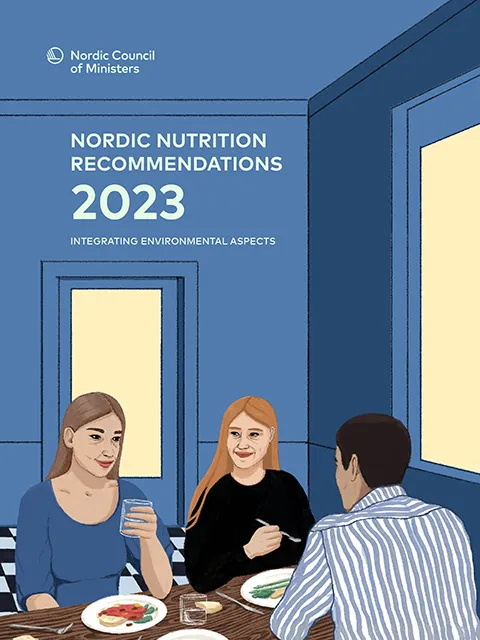
Cover of the Nordic Nutrient Report 2023, featuring a cartoon of three people having a communal meal
Reports
New Nordic Nutrition Recommendations
The Sixth Edition of the Nordic Nutrition Recommendations (NNR2023) is the newest collaboration between Nordic researchers, written over a period of four years and used to determine national dietary guidelines in Baltic and Nordic countries. The report has been ongoing since the 1980s, with the last published in 2012. This edition of the report is the first to take into account environmental factors and it demonstrates the synergies between a healthy diet and one that is low in environmental emissions.
Read
Image
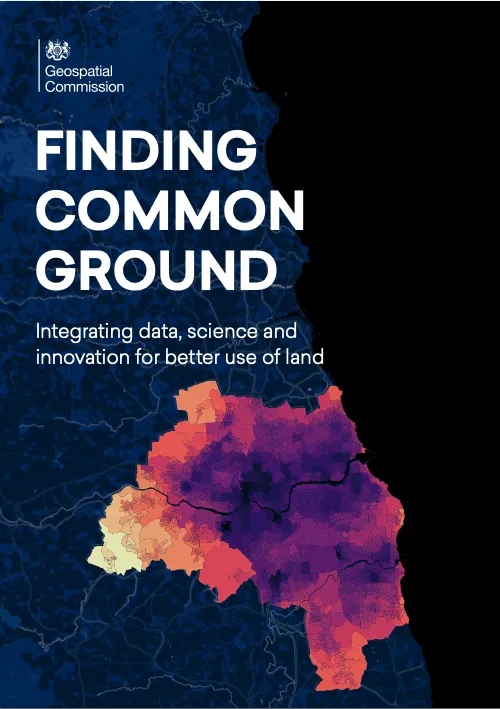
Cover of Finding Common Ground: integrating data, science and innovation for better use of land by The Geospatial Commission. Features image of air pollution outcomes of modelled land use scenarios in Newcastle, developed by The Alan Turing Institute as part of the National Land Data Programme pilot.
Reports
Finding Common Ground: integrating data, science and innovation for better use of land - The Geospatial Commission.
This report is based on the findings of the UK Geospatial Commission’s National Land Data Programme (NLDP). It explores how innovative data science (such as geospatial modelling, combining disparate data sets, and AI) can lead to better land-use management in the UK.
Read
  • VIEW MORE

Sign up for Fodder, our monthly newsletter unpacking the future of food.

Tick below to opt-in to email communications.

You can change your mind at any time by clicking the unsubscribe link in the footer of any email you receive from us, or by contacting us at info@tabledebates.org.

We use Mailchimp as our marketing platform. By clicking below to subscribe, you acknowledge that your information will be transferred to Mailchimp for processing. Learn more about Mailchimp's privacy practices.
  • Glossary
  • About
  • Our Writing
  • Podcasts
  • Resources

Social

YouTube Facebook Instagram

© Copyright 2025

A collaboration between: