Close
Login Register
Search
  • About
    • What We Do
    • Who We Are
    • FAQs
  • Our Writing
    • Explainers
    • Essays
    • Letterbox
    • Reports & More
  • Podcasts
  • Our Events
  • Projects
    • Power In The Food Systems
    • Local-Global Scale Project
    • MEAT: The Four Futures Podcast
    • Fuel To Fork
    • Nature
    • Reckoning with Regeneration
    • SHIFT
    • Games at TABLE
    • Rethinking the Global Soy Dilemma
  • Resources
  • Opportunities
    • Jobs
    • Funding
    • Courses
    • Collaborations
    • Events
  • Newsletter
  • TABLE (EN)
Search
Back

TABLE

Image
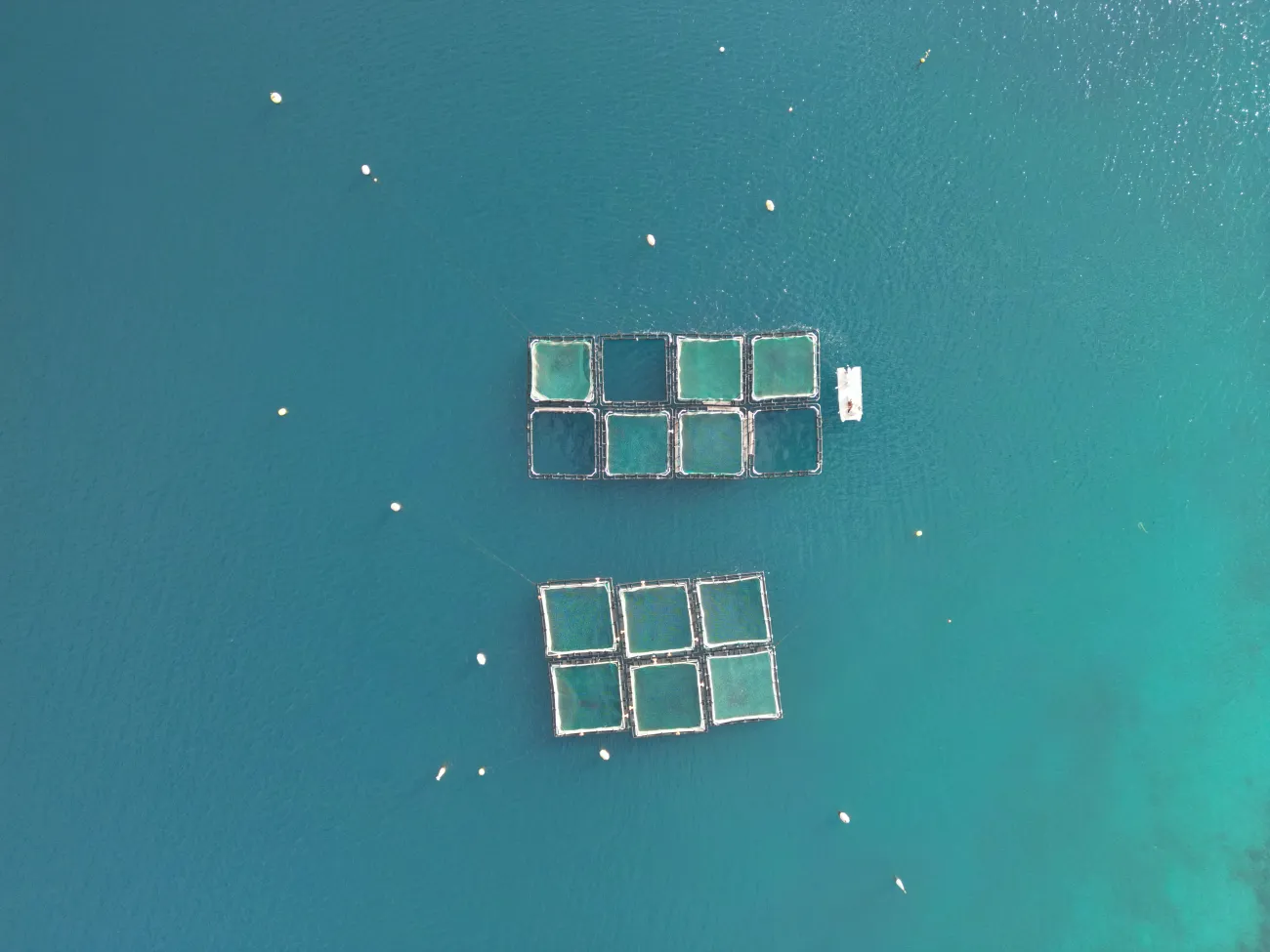
Aerial shot of fish farm. Photo by Deluca G via Pexels
Journal articles
How resilience can align with circular economy principles in UK aquaculture
This paper investigates the resilience of the UK fish farms to risk through their level of adherence to circular economic principles. The authors define circular economics as a shift from a wasteful linear system, to a regenerative closed-loop system, through reduced resource use, the elimination of waste and pollution, and a focus on repair, reuse and recycling rather than disposal. They argue that through aligning with circular economic principles, seafood companies may be able to increase their resilience to future economic and environmental risks whilst simultaneously improving their environmental impacts.
Read
Image
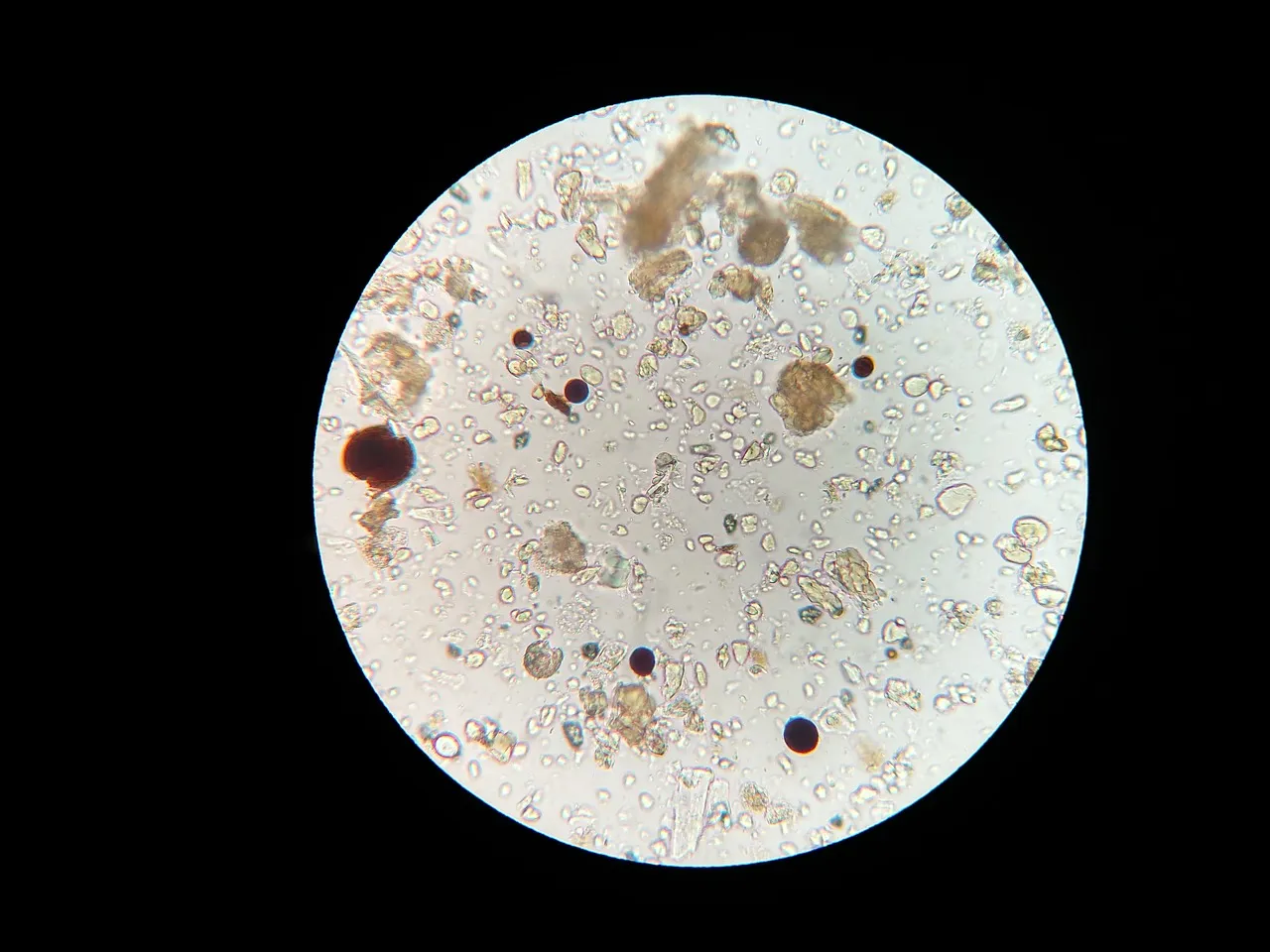
Soil microbes viewed under microscope. Photo by Malucero via Pixabay.
Journal articles
Soil microorganism activity is the most important factor in determining sequestration of carbon in soil
Soil carbon sequestration involves carbon dioxide being removed from the atmosphere and stored in the soil as soil organic carbon (SOC). This process has been shown to help mitigate climate change; however exactly how SOC forms and persists remains uncertain. This study aims to uncover the role soil microorganisms play in SOC formation, preservation and loss.
Read
Image
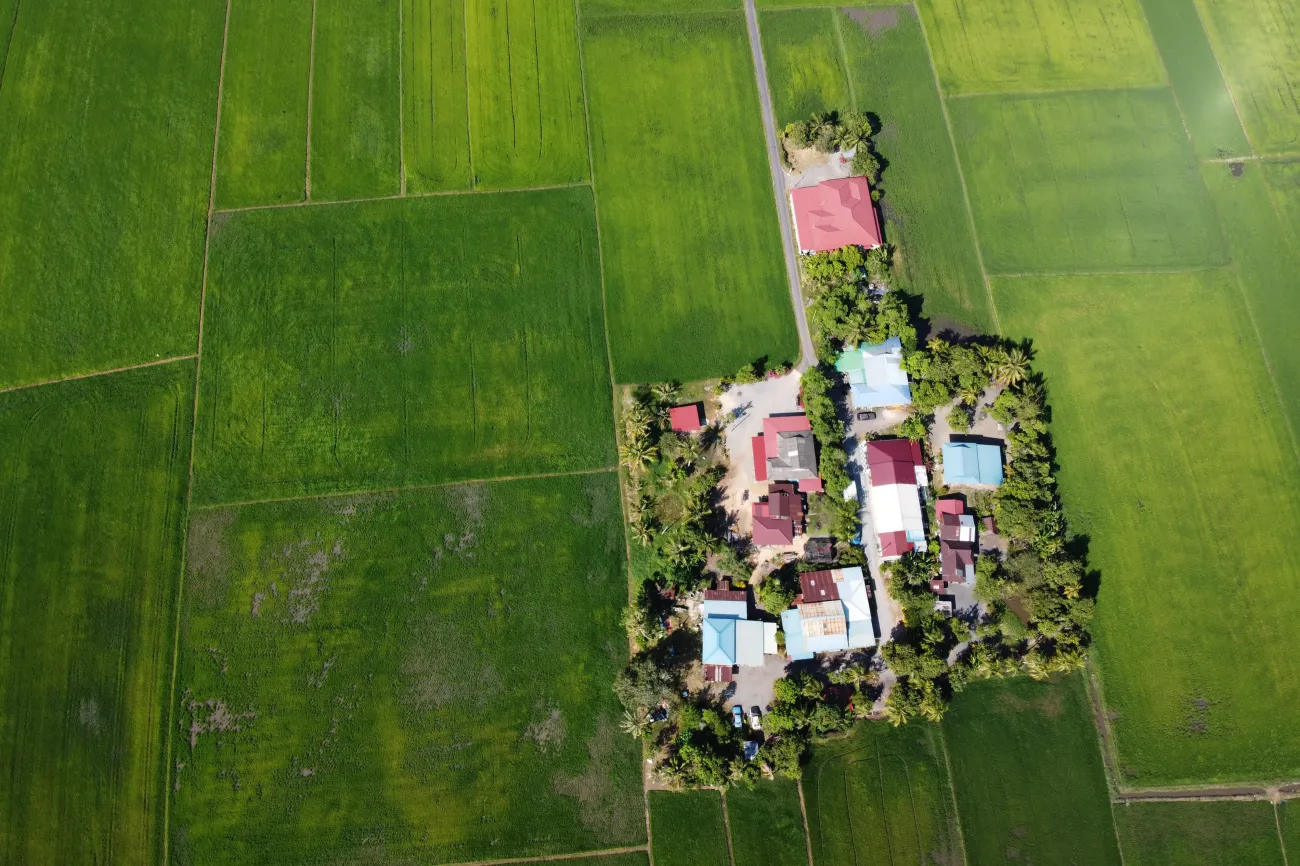
Alt text: Aerial image of green land parcel with small cottages amidst rice fields. Photo by Alor Setar via Pexels.
Journal articles
The number of farms is likely to decline globally by the middle of the century
This study suggests that from 2020 to the end of the century the number of farms globally will approximately halve from the current 616 million in 2020 to around 272 million in 2100, based on current observed trends that are tied to rural population, GDP and agricultural area. The study predicts that a turning point will be reached where farm consolidation outpaces farm creation, causing the average farm size to double.
Read
Image
Image of three hot dogs with various toppings on white surface. Photo by Polina Tankilevitch via Pexels.
Journal articles
What is the role of law in determining the future of cultured meat and dairy in the EU?
Cultured meat and dairy are emerging as disruptive technologies that some argue could accelerate sustainable agrifood transition in Europe. However, in order for the widespread adoption of cultured meat production and consumption to take place, new laws and policies will need to be introduced. This paper explores three interconnected categories of regulatory intervention that are needed to accommodate this transition in the EU
Read
Image
Mini bean burgers on blue platter. Image by Marta Cuesta via Pixabay.
News and resources
Plant-based meat may be struggling but it will come back stronger - Fast Company
Alt-protein or plant-based meat has recently seen a decline in its market shares with flagship companies like Beyond Meat struggling to stay afloat. However, this article argues that this is simply a symptom of hype cycles - as the initial hype following an innovation wanes novel products and technologies commonly experience a “trough of disillusionment”. Those products and technologies that survive this “trough” tend to achieve mainstream acceptance, which this article suggests will be the case for the alt-protein industry.
Read
Image
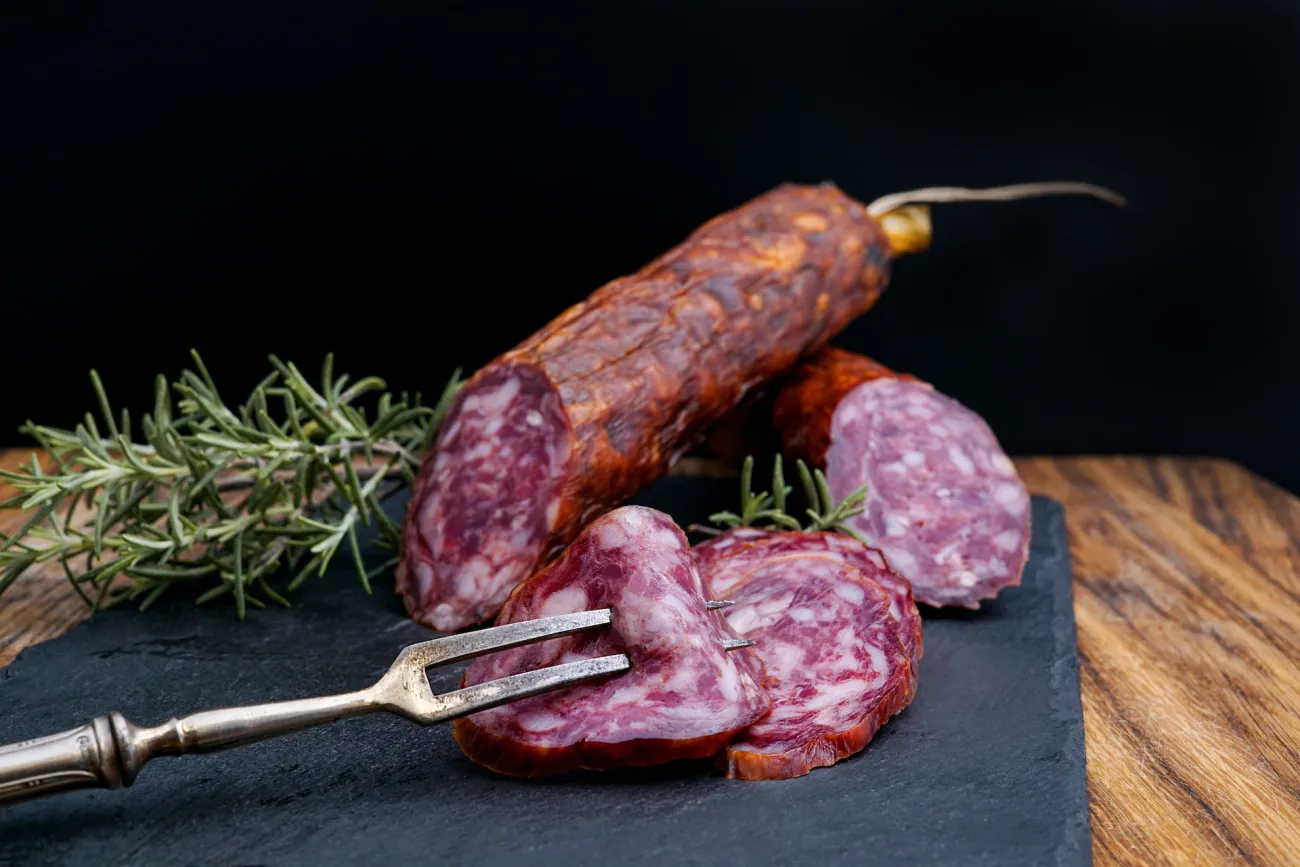
Salami sausage on black chopping board with rosemary and meat fork. Image by Wesual Click via Unsplash.
News and resources
Italy may be the first country to ban lab-grown meat - TIME
The Italian Agriculture and Food Sovereignty Minister, Francesco Lollobrigida, recently proposed a bill that would result in a national ban on the production and marketing of cultivated meat, stating that so-called “synthetic” foods threaten small food producers, the environment, Italian food culture, and even human health. Despite the potential inaccuracy of many of these claims, there are fears that, if passed, the new law would limit the economic potential, scientific progress, and climate mitigation efforts associated with the emerging field of cultivated meat.
Read
Image
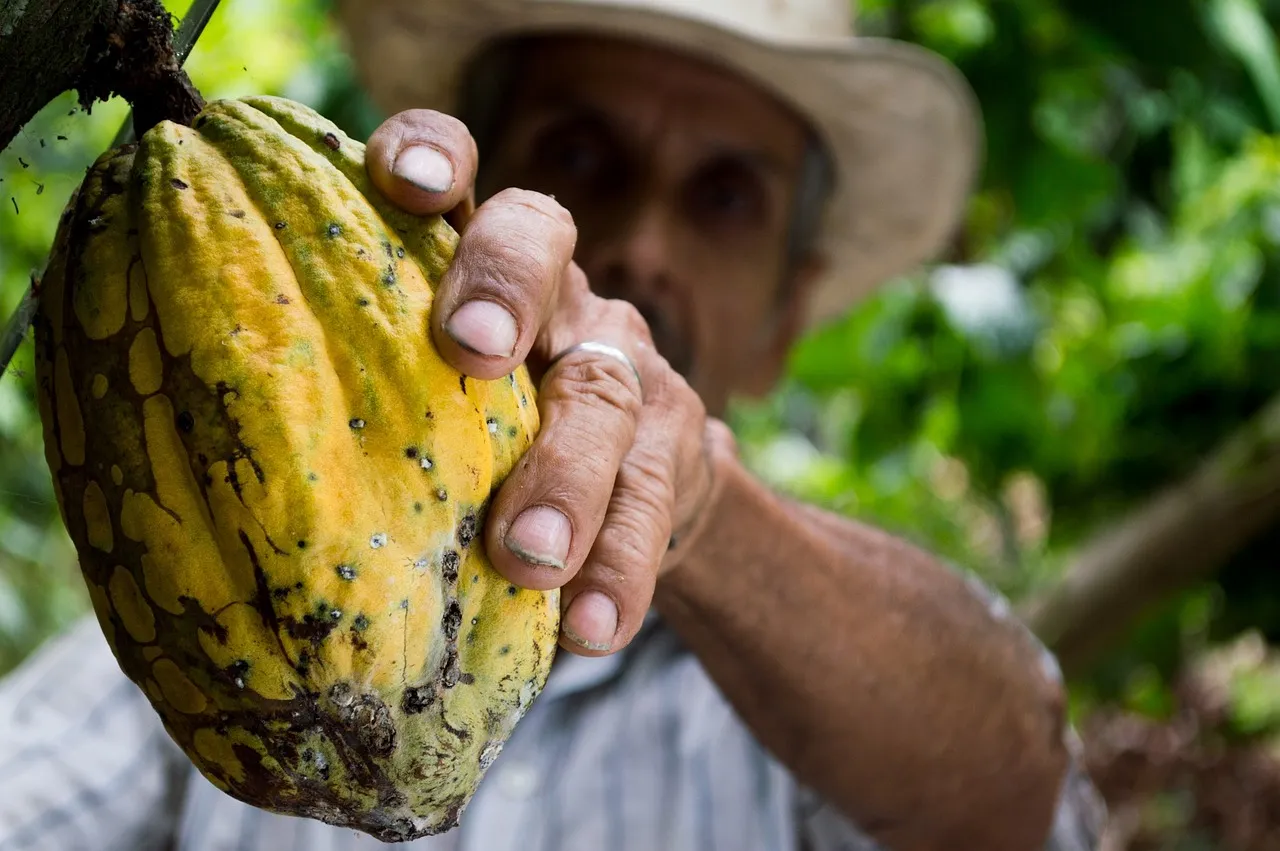
Alt text: farmer picking yellow cocoa pod. Photo by Elias Falla via Pixabay.
Journal articles
Male and stale? Questioning the role of “opinion leaders” in agricultural programs
Programs aiming to drive change within smallholder agri-food systems commonly involve training initiatives with a limited number of selected "model farmers" who then pass on the knowledge they have learned to the wider smallholder community. These model farmers are often chosen as they are seen to be opinion leaders, central individuals within social networks, who are presumed to have greater success in influencing people's behaviour and so driving change. Using data from an experiment implemented among Indonesian cocoa farmers, this study set out to determine whether this assumption is indeed the case.
Read
Image
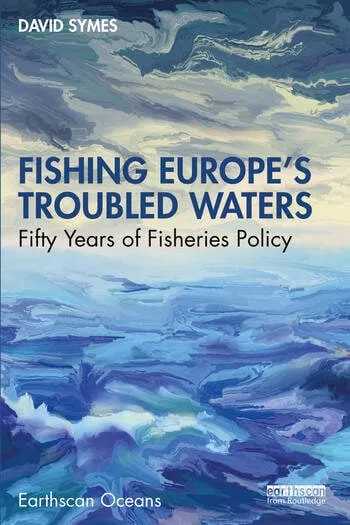
The cover of “Fishing Europe’s Troubled Waters: Fifty Years of Fisheries Policy”
Books
Fishing Europe's Troubled Waters: Fifty Years of Fisheries Policy
This book, coming at the end of the author’s celebrated career in social science, reflects on 50 turbulent years of fisheries management and policy in Europe, across a period in which the globalisation of trade, increasing regulation and declining fish stocks have had a radical impact on North Atlantic fisheries. The author considers the origins of the Common Fisheries Policy and the roots of its failure to deliver sustainable fisheries, the flaws of a centralised system and the consequences of Brexit for the UK fishing industry.
Read
Image
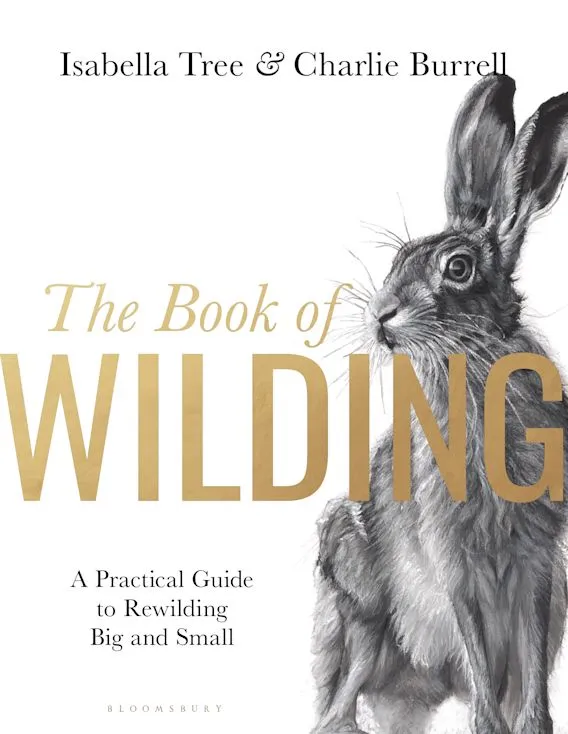
The cover of “The Book of Wilding: A practical guide to rewilding big and small” by Isabella Tree and Charlie Burrell.
Books
The Book of Wilding: A Practical Guide to Rewilding Big and Small
This book by Isabella Tree and Charlie Burrell, owners and founders of the Knepp Rewilding Project in southern England, offers practical advice on rewilding spaces from national parks to gardens. Applying the theory of rewilding alongside learning from the trials, errors and successes of rewilding the Knepp estate, chapters include guidance on plants, water systems and animals, in particular herbivores, as well as advice on applying rewilding principles in smaller spaces such as gardens.
Read
  • VIEW MORE

Sign up for Fodder, our monthly newsletter unpacking the future of food.

Tick below to opt-in to email communications.

You can change your mind at any time by clicking the unsubscribe link in the footer of any email you receive from us, or by contacting us at info@tabledebates.org.

We use Mailchimp as our marketing platform. By clicking below to subscribe, you acknowledge that your information will be transferred to Mailchimp for processing. Learn more about Mailchimp's privacy practices.
  • Glossary
  • About
  • Our Writing
  • Podcasts
  • Resources

Social

YouTube Facebook Instagram

© Copyright 2025

A collaboration between: