Close
Login Register
Search
  • About
    • What We Do
    • Who We Are
    • FAQs
  • Our Writing
    • Explainers
    • Essays
    • Letterbox
    • Reports & More
  • Podcasts
  • Our Events
  • Projects
    • Power In The Food Systems
    • Local-Global Scale Project
    • MEAT: The Four Futures Podcast
    • Fuel To Fork
    • Nature
    • Reckoning with Regeneration
    • SHIFT
    • Games at TABLE
    • Rethinking the Global Soy Dilemma
  • Resources
  • Opportunities
    • Jobs
    • Funding
    • Courses
    • Collaborations
    • Events
  • Newsletter
  • TABLE (EN)
Search
Back

TABLE

Image
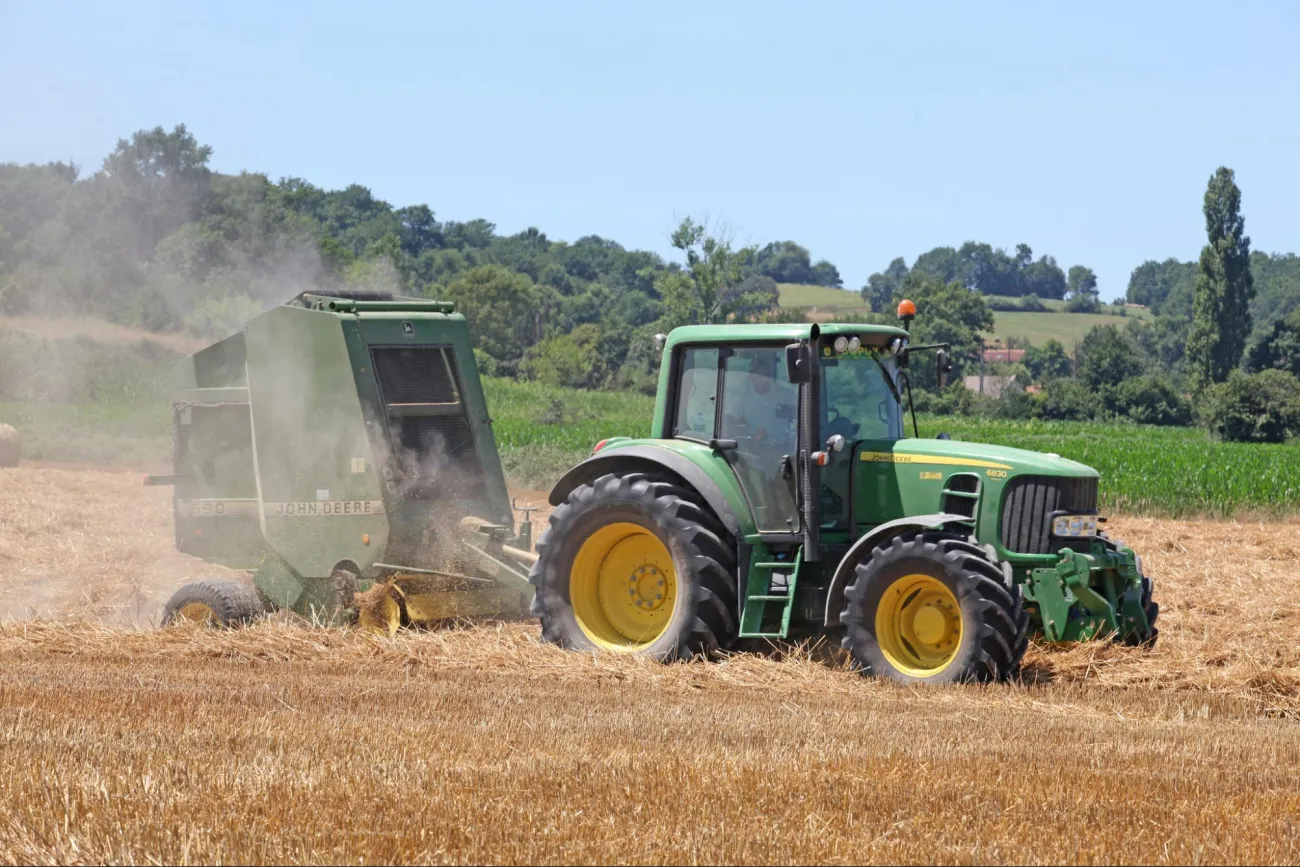
Image: FreeUsePhotos, John Deere 6830, Flickr, Public domain
Journal articles
EU trade liberalisation and agricultural emissions
This paper looks at how trade liberalisation could impact the effectiveness of climate mitigation policies for non-CO2 emissions in the EU agricultural sector. Three scenarios are modelled: free trade agreements (FTA) alone; an EU carbon tax; and the combination of both.
Read
Image
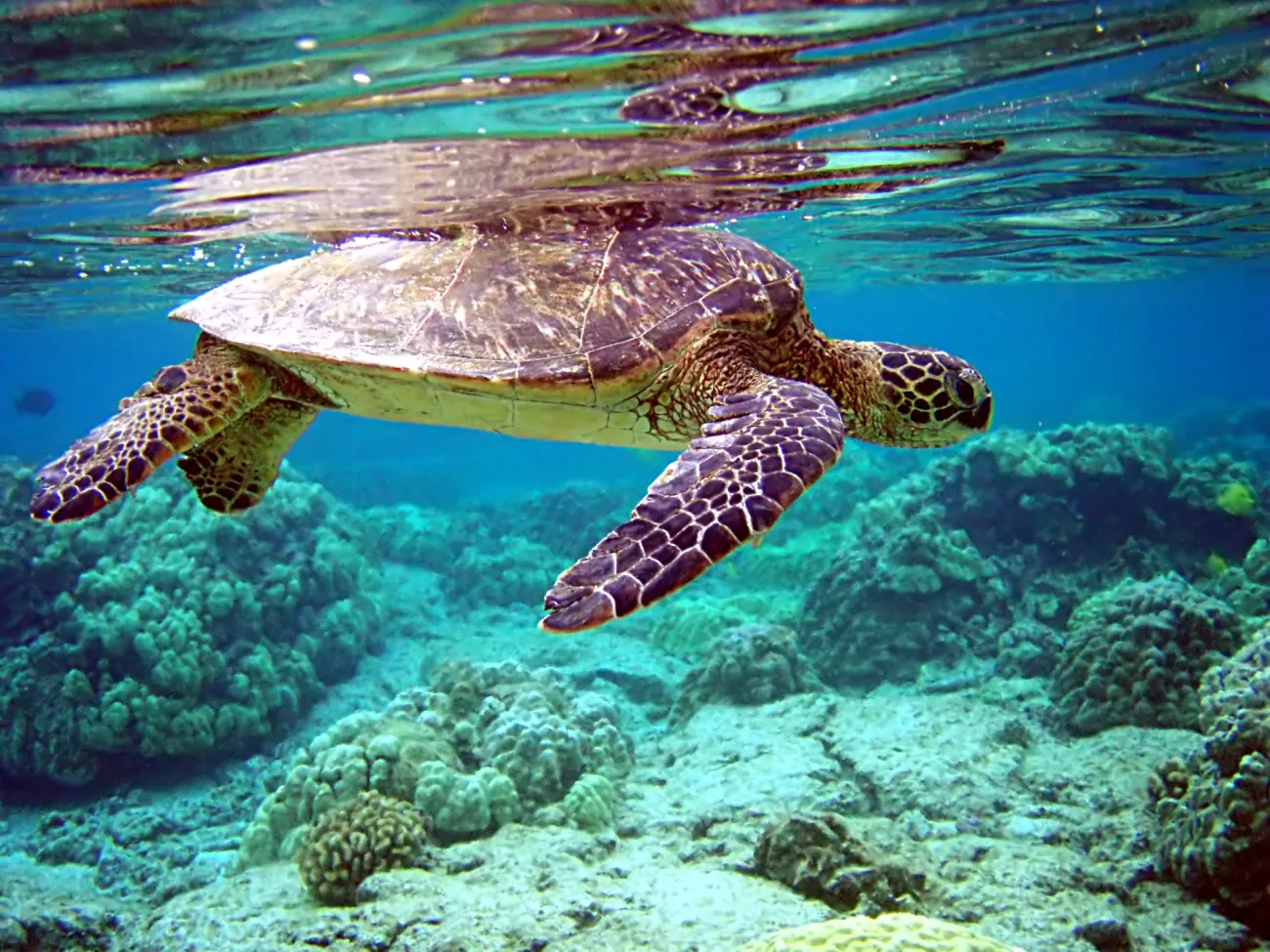
Image: Brocken Inaglory, Total internal reflection of Chelonia mydas, Wikimedia Commons, Creative Commons Attribution-Share Alike 4.0 International
Journal articles
Healthy fisheries can reduce bycatch
Many important marine species, including marine mammals, sea turtles and seabirds, are threatened by bycatch - i.e. being accidentally caught by fishers who are targeting other species. A new paper finds that around half of the populations threatened by bycatch could be protected by managing fish stocks to maximise fishery profits, which would reduce bycatch as a side-effect of reducing overfishing.
Read
Image
News and resources
Map: Effects of sustainability standards
The Oxford Long-Term Ecology Lab has published a map of studies published between 1990 and October 2017 that report evidence on the effects of adopting one or more sustainability standards. You can filter the map by several criteria including country, name of standard, commodity covered and research method. Topics covered include agriculture, fishing, forestry and textiles.
Read
Image
News and resources
Nature Friendly Farming Network
The Nature Friendly Farming Network connects farmers who want to farm sustainably and seek positive changes in policy. You can sign up for newsletter from the network: join as a farmer here, or as a member of the public here.
Read
Image
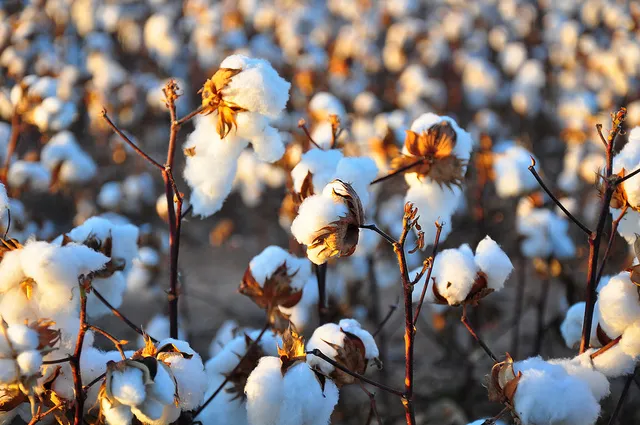
Image: Kimberly Vardeman, Cotton Harvest, Flickr, Creative Commons Attribution 2.0 Generic
News and resources
Replacing pesticides with bacteria
Several companies are using microbes to improve crop performance. One of them is Indigo, which uses machine learning to identify the microbes associated with healthy plants and then coats seedlings with these microbes. Indigo’s method has increased wheat yields by 15% and cotton yields by 14% in trials.
Read
Image
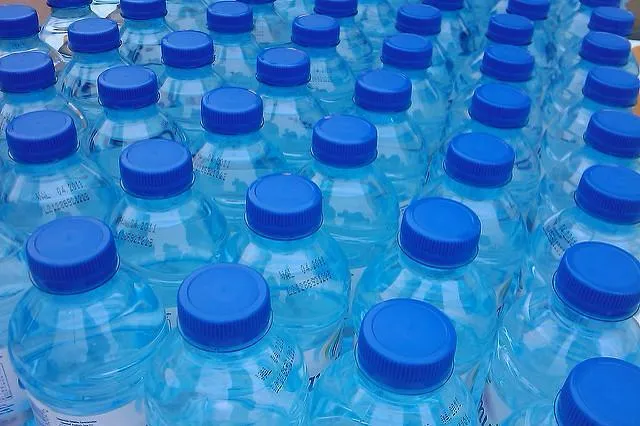
Image: Ricardo Bernardo, Plastic water bottles, Flickr, Creative Commons Attribution-NoDerivs 2.0 Generic
News and resources
Scientists improve enzyme that eats plastic bottles
Scientists have unintentionally created a variant of a bacterial enzyme that is 20% better than the original at breaking down polyethylene terephthalate, commonly used to make plastic bottles. The researchers were investigating the properties of a bacterium that has naturally evolved to digest plastic.
Read
Image
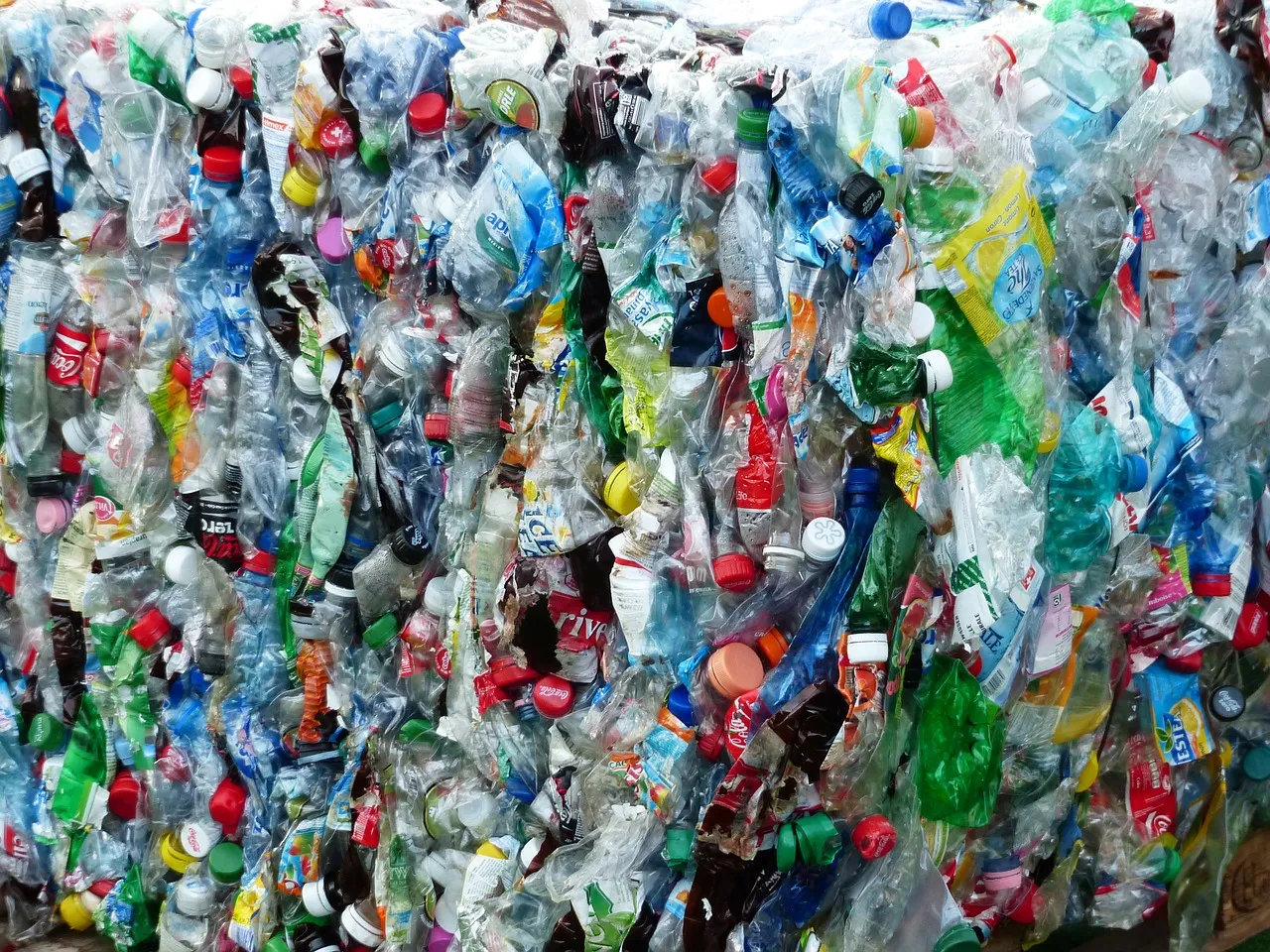
Image: Hans, Plastic Bottles Recycling, Pixabay, Creative Commons CC0
News and resources
UK businesses agree to cut plastics
UK charity WRAP has launched the UK Plastics Pact, a voluntary scheme which brings together businesses responsible for 80% of the plastic packaging on products sold in UK supermarkets. The pact aims to make 100% of plastic packaging reusable, recyclable or compostable by 2025, among other goals.
Read
Image
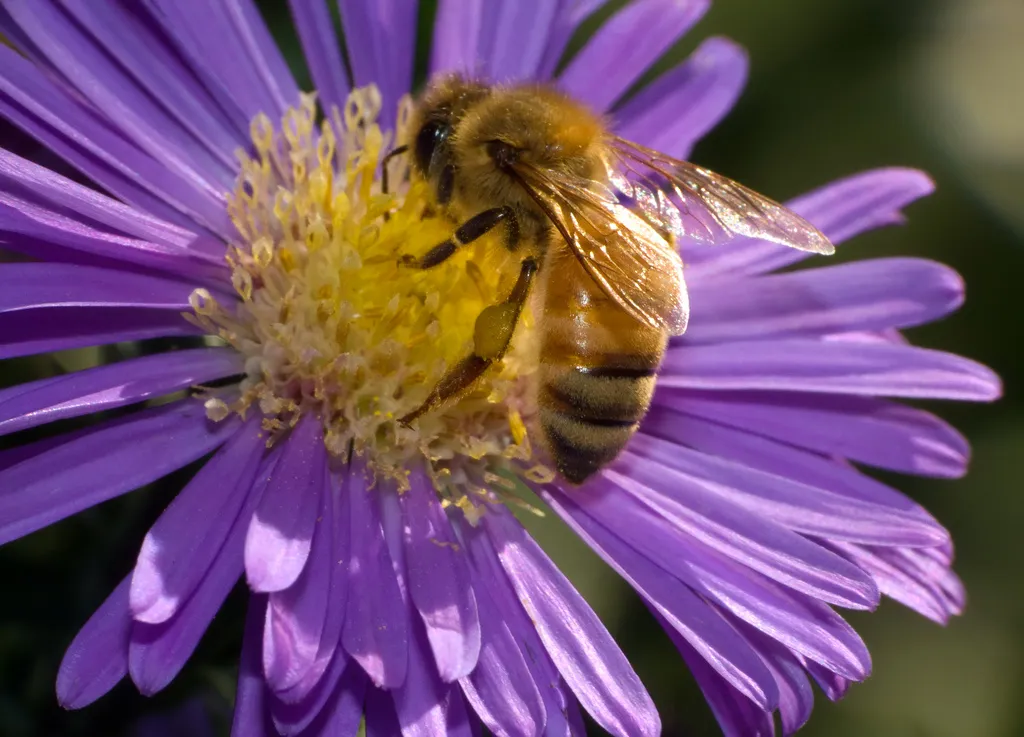
Image: Cory Barnes, Honeybee on Flower, Flickr, Creative Commons Attribution-ShareAlike 2.0 Generic
News and resources
EU votes to ban neonicotinoid pesticides
European Union member countries have voted to ban three neonicotinoid pesticides. Neonicotinoids have been linked to the decline of bees and other pollinators. Neonicotinoids will be banned from use in open fields by the end of 2018, but will still be permitted inside closed greenhouses.
Read
Image
Books
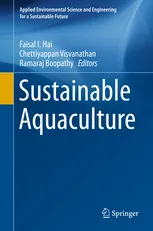
Sustainable aquaculture
This book, edited by Faisal I. Hai, Chettiyappan Visvanathan and Ramaraj Boopathy, discusses the social, economic and environmental sustainability implications of various aquaculture practices.
Read
  • VIEW MORE

Sign up for Fodder, our monthly newsletter unpacking the future of food.

Tick below to opt-in to email communications.

You can change your mind at any time by clicking the unsubscribe link in the footer of any email you receive from us, or by contacting us at info@tabledebates.org.

We use Mailchimp as our marketing platform. By clicking below to subscribe, you acknowledge that your information will be transferred to Mailchimp for processing. Learn more about Mailchimp's privacy practices.
  • Glossary
  • About
  • Our Writing
  • Podcasts
  • Resources

Social

YouTube Facebook Instagram

© Copyright 2025

A collaboration between: