Close
Login Register
Search
  • About
    • What We Do
    • Who We Are
    • FAQs
  • Our Writing
    • Explainers
    • Essays
    • Letterbox
    • Reports & More
  • Podcasts
  • Our Events
  • Projects
    • Power In The Food Systems
    • Local-Global Scale Project
    • MEAT: The Four Futures Podcast
    • Fuel To Fork
    • Nature
    • Reckoning with Regeneration
    • SHIFT
    • Games at TABLE
    • Rethinking the Global Soy Dilemma
  • Resources
  • Opportunities
    • Jobs
    • Funding
    • Courses
    • Collaborations
    • Events
  • Newsletter
  • TABLE (EN)
Search
Back

TABLE

Image
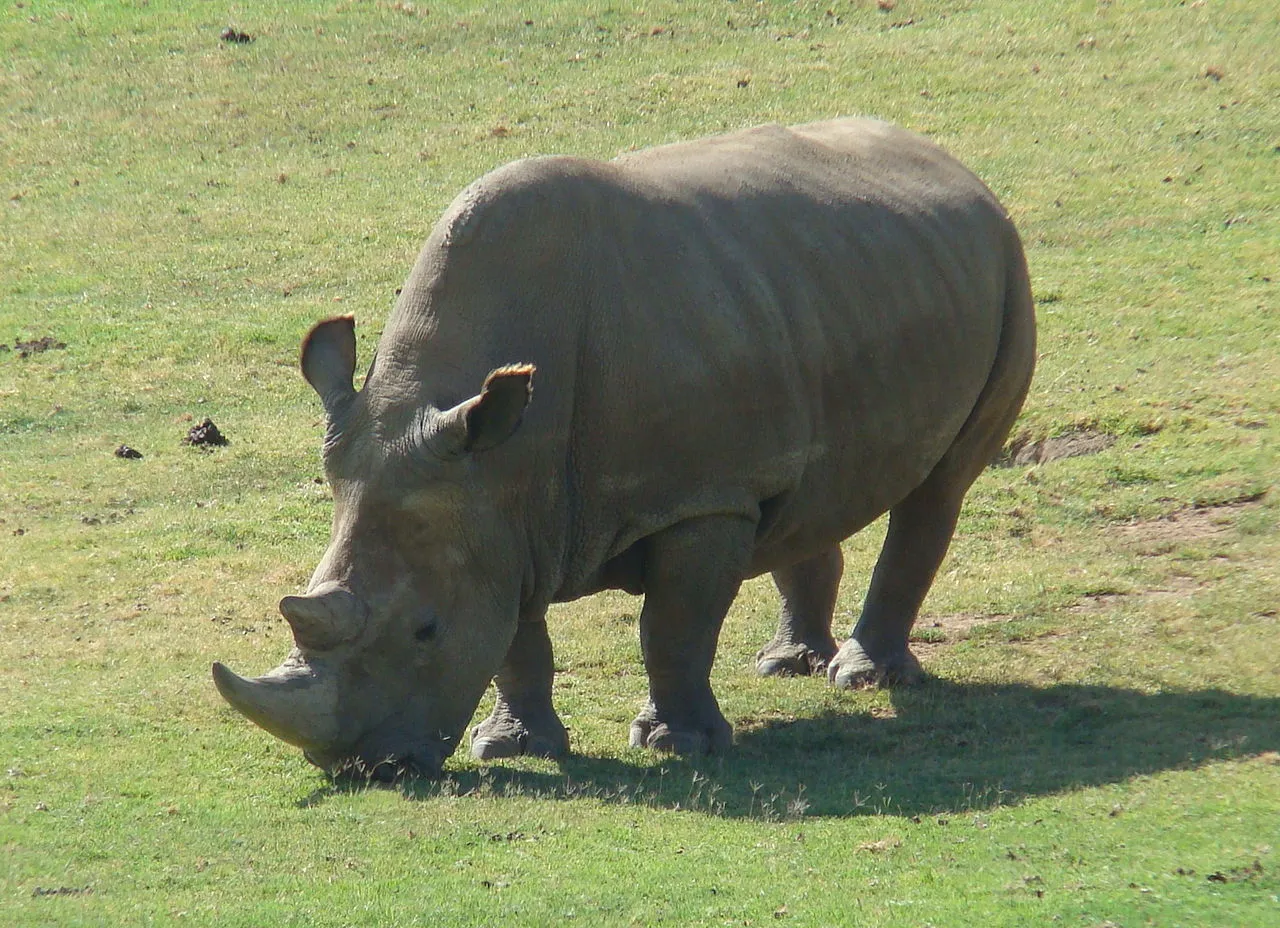
Image: Sheep81, Northern White Rhinoceros Angalifu, Wikimedia Commons, Public domain
Journal articles
Humans have eradicated many living things
Although humans only make up 0.01% of life on Earth by weight, 83% of wild mammals and 15% of fish have been lost since the start of human civilisation, according to a new study. The study also finds that, of all mammals on Earth, 36% are humans, 60% are livestock and 4% are wild mammals, while 70% of birds are chicken and other poultry with only 30% being wild.
Read
Image
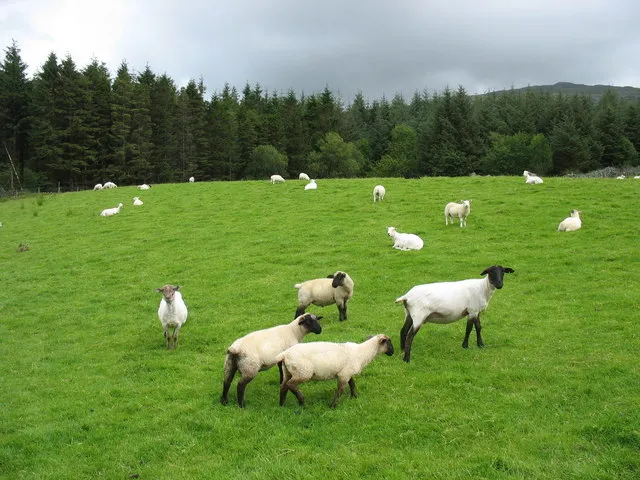
Image: Eric Jones, An enclave of grazing land south of Tyddyn Du, Wikimedia Commons, Creative Commons Attribution-Share Alike 2.0 Generic
News and resources
Infographics: Global land use
Data visualisations by Max Roser and Hannah Ritchie, published at Our World In Data, show global land use types, changes over time and land use in agriculture. For example, a graph shows that half of the Earth’s habitable land surface is used for agriculture, of which 77% is used for livestock (including both grazing land and land for feed production). For comparison, livestock accounts for 17% of global calorie supply and 33% of global protein supply.​
Read
Image
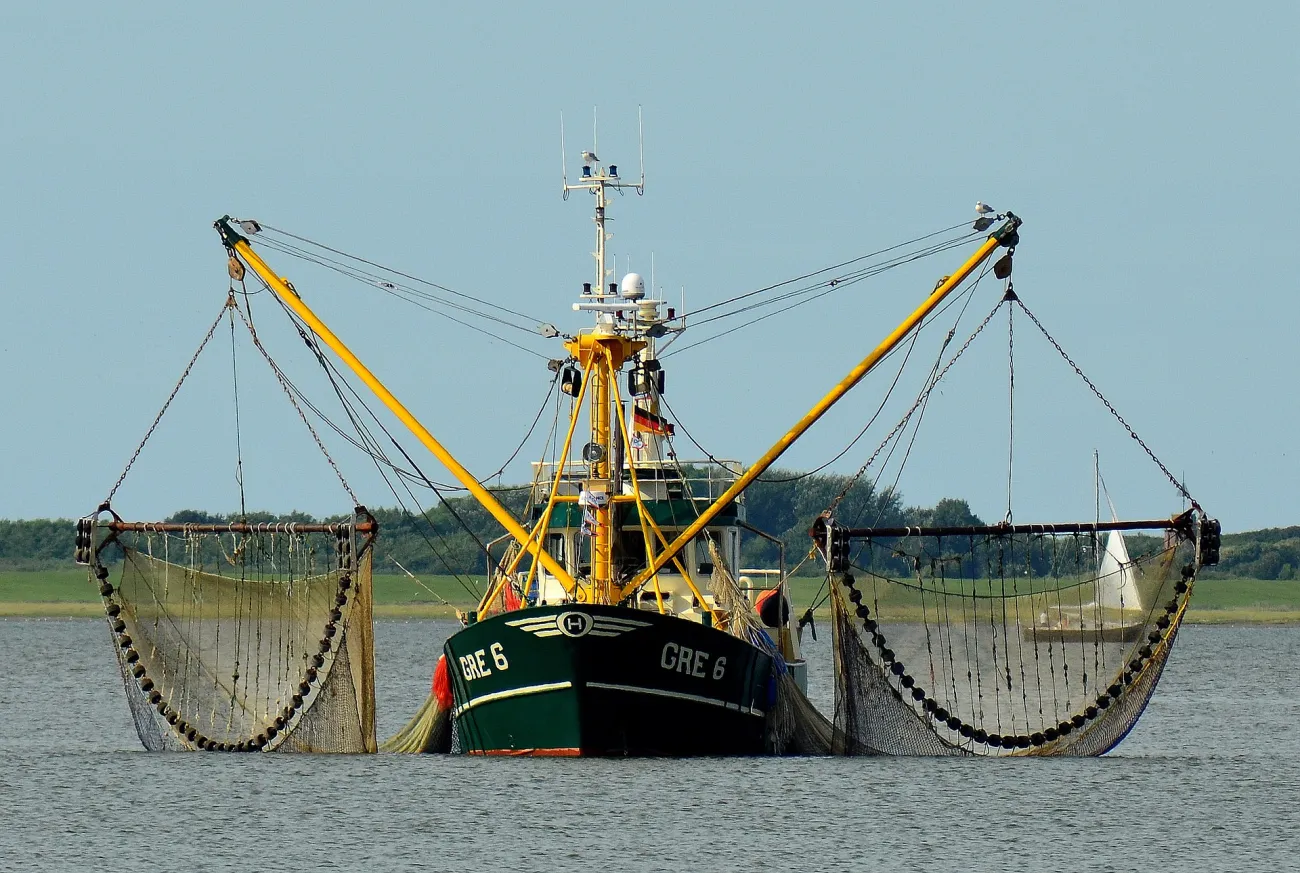
Image: Detmold, FIshing boat, Pixabay, Creative Commons CC0
News and resources
Seafood supply chain transparency on the blockchain
The World Wide Fund for Nature (WWF) hopes to use blockchain technology to make the entire seafood supply chain traceable. Working with tech startup TraSeable, fishing company Sea Quest and blockchain company Viant, WWF is running a pilot project to trace tuna through the supply chain by tagging catches with radio-frequency identification chips and QR codes - which can be scanned by a mobile phone.
Read
Image
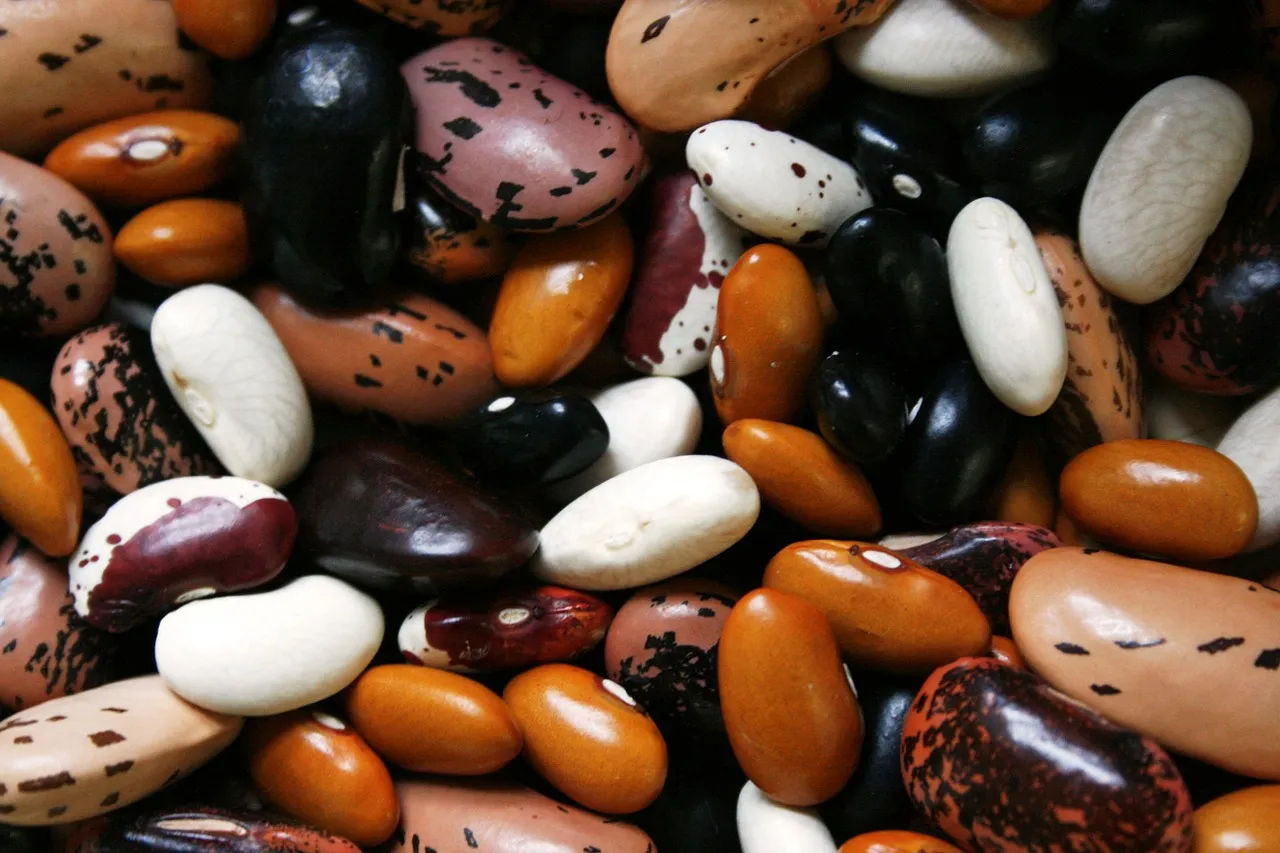
Image: Beans Proteins, Max Pixel, Creative Commons CC0
News and resources
Consumers prefer “plant-based” to “vegan”
Consumers prefer the term “100% plant-based” to “vegan”, according to a survey of US adults. When asked a series of questions including “Which tastes better?” and “Which is healthier?”, more than two-thirds of respondents selected “100% plant-based” over “vegan” (no other answers were available). According to Bark Stuckey (President and Chief Innovation Officer of Mattson, the organisation that conducted the survey), the preference might be because “plant-based” is seen as a positive dietary change, whereas “vegan” is seen as a whole lifestyle associated with deprivation and activism.
Read
Image
News and resources
Helping black farmers keep their land
In a feature in Civil Eats, agricultural attorney Jillian Hishaw describes some of the difficulties that black farmers have faced in the US, including systematic denial of loans, exclusion from disaster payments, and lack of official paperwork for land that was passed on from slave owners. Hishaw founded the Family Agriculture Resource Management Services (FARMS) to help farmers who are black or from other historically disadvantaged groups to keep their land.
Read
Image
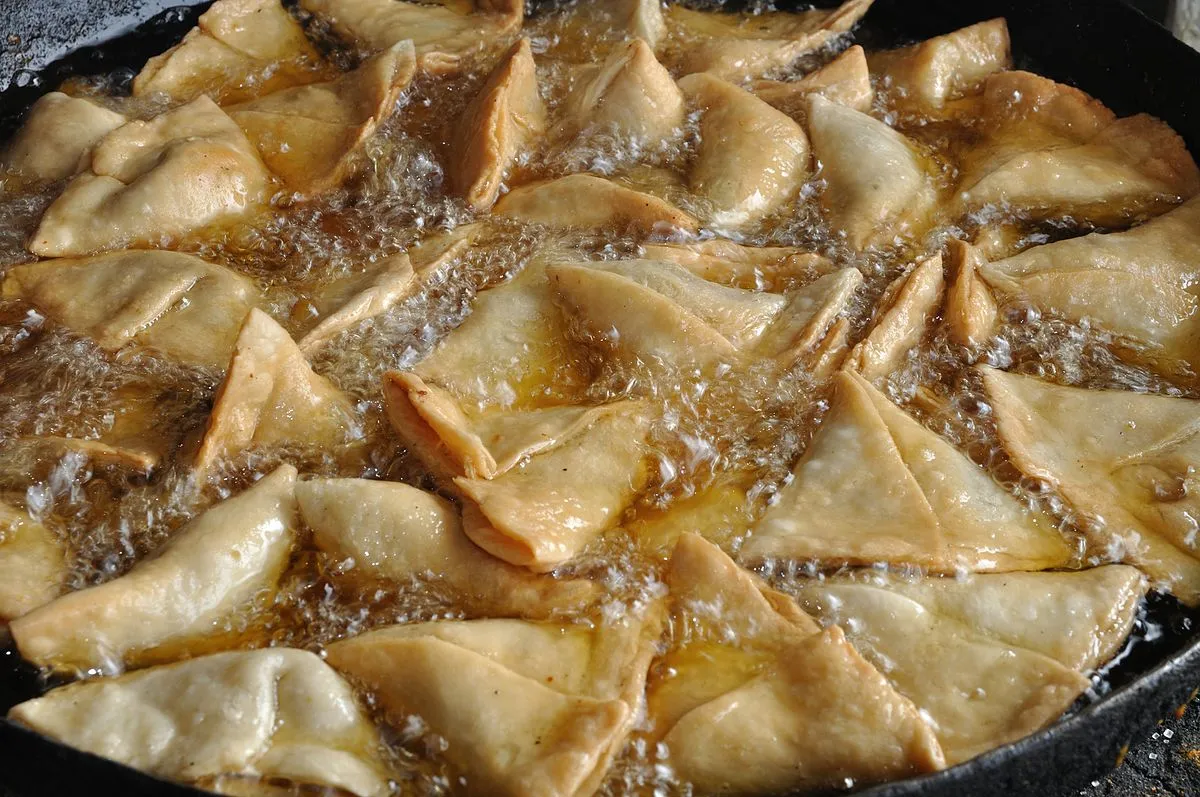
Image: Biswarup Ganguly, Frying Samosas (bn: Singara) in deep oil at Morabad, Ranchi, Wikimedia Commons, Creative Commons Attribution 3.0 Unported
News and resources
WHO plans to remove industrial trans fats from food supply
The World Health Organisation (WHO) has set out a strategy for removing industrially-produced trans-fatty acids from the global food supply. WHO estimates that half a million people die each year because of cardiovascular disease caused by trans fat consumption. Artificial trans fat are found in partially hydrogenated vegetable oils (a process that gives liquid vegetable oils a higher melting point), while some natural trans fats are found in meat and dairy.
Read
Image
Books
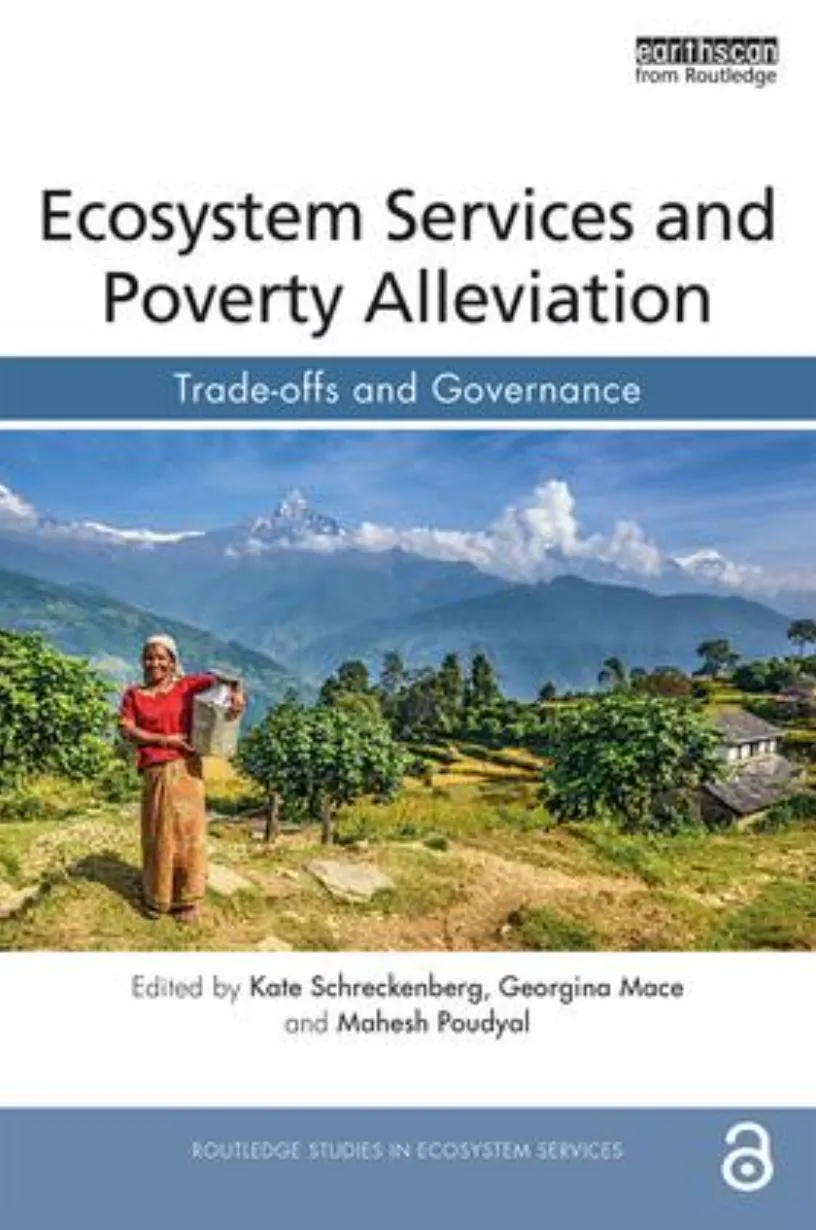
Ecosystem services and poverty alleviation
This open access book, edited by Kate Schreckenberg, Georgina Mace and Mahesh Poudyal, explores the link between ecosystems services and alleviating poverty. Topics include trade-offs associated with land intensification, population dynamics, governance for ecosystem health and human wellbeing, and payments for ecosystems services.
Read
Image
Books
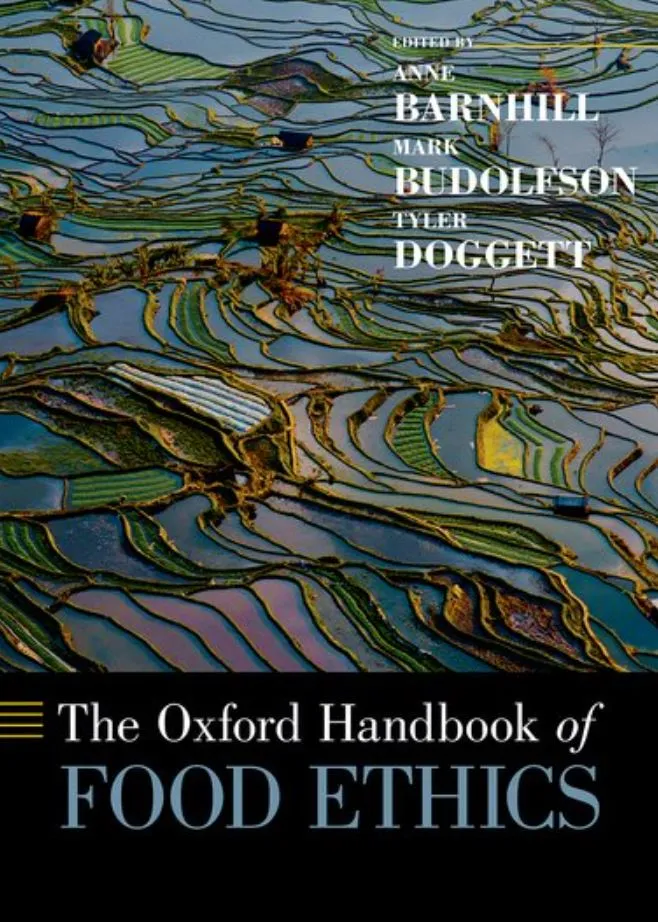
The Oxford handbook of food ethics
This book, edited by Anne Barnhill, Tyler Doggett, and Mark Budolfson, provides an overview of the philosophy of food ethics across a range of subject matter. Topics include genetically modified food, animal sentience, vegan and omnivorous diets, body image, global markets and activism.
Read
Image
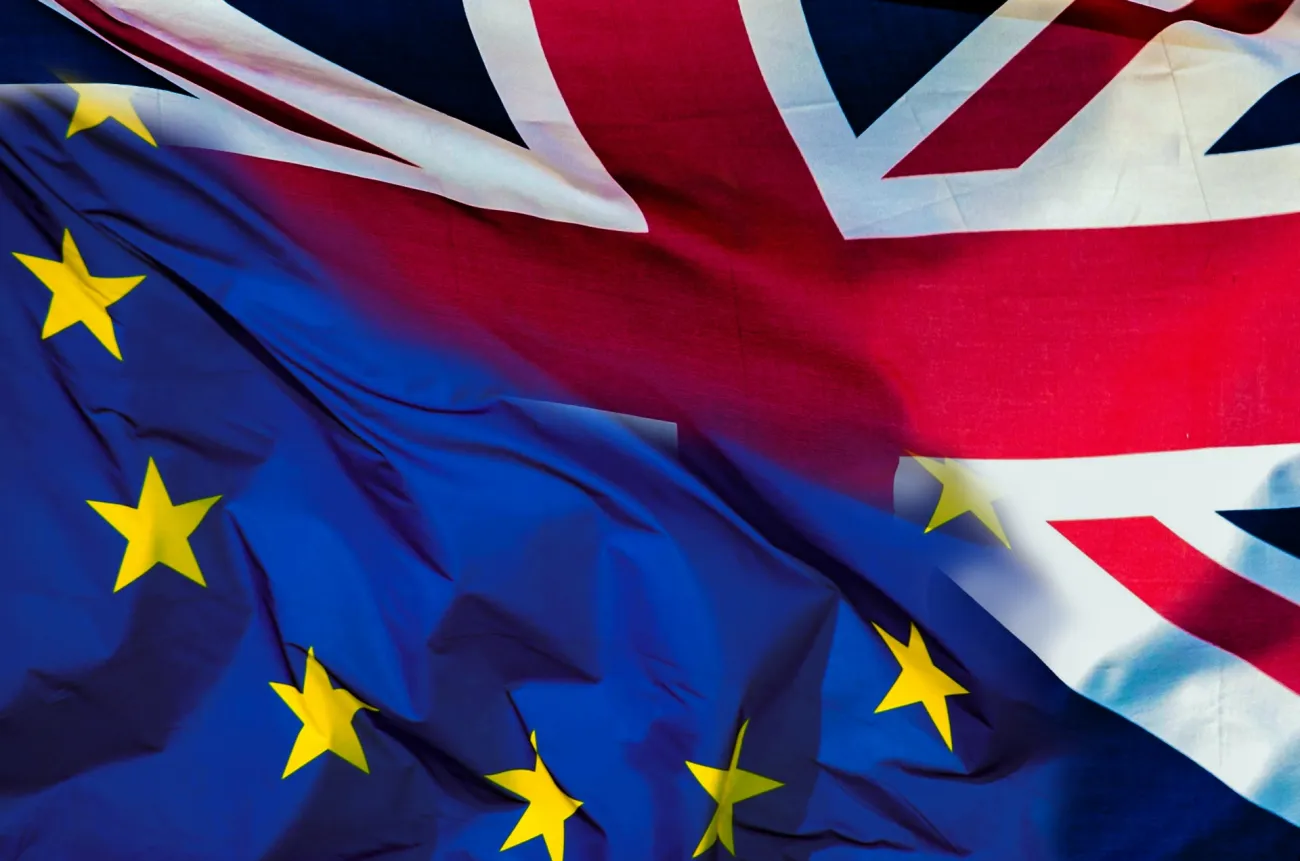
Image: George Hodan, Brexit Referendum UK, Public Domain Pictures, Creative Commons CC0
Reports
UK food prices could rise without a post-Brexit trade deal
The report “Brexit: food prices and availability” from the EU Energy and Environment Sub-Committee of the UK House of Lords examines the potential impacts of Brexit on the UK food supply. 30% of the UK food supply is currently imported from the EU and a further 11% from non-EU countries under terms set by EU trade deals.
Read
  • VIEW MORE

Sign up for Fodder, our monthly newsletter unpacking the future of food.

Tick below to opt-in to email communications.

You can change your mind at any time by clicking the unsubscribe link in the footer of any email you receive from us, or by contacting us at info@tabledebates.org.

We use Mailchimp as our marketing platform. By clicking below to subscribe, you acknowledge that your information will be transferred to Mailchimp for processing. Learn more about Mailchimp's privacy practices.
  • Glossary
  • About
  • Our Writing
  • Podcasts
  • Resources

Social

YouTube Facebook Instagram

© Copyright 2025

A collaboration between: