Close
Login Register
Search
  • About
    • What We Do
    • Who We Are
    • FAQs
  • Our Writing
    • Explainers
    • Essays
    • Letterbox
    • Reports & More
  • Podcasts
  • Our Events
  • Projects
    • Power In The Food Systems
    • Local-Global Scale Project
    • MEAT: The Four Futures Podcast
    • Fuel To Fork
    • Nature
    • Reckoning with Regeneration
    • SHIFT
    • Games at TABLE
    • Rethinking the Global Soy Dilemma
  • Resources
  • Opportunities
    • Jobs
    • Funding
    • Courses
    • Collaborations
    • Events
  • Newsletter
  • TABLE (EN)
Search
Back

TABLE

Image
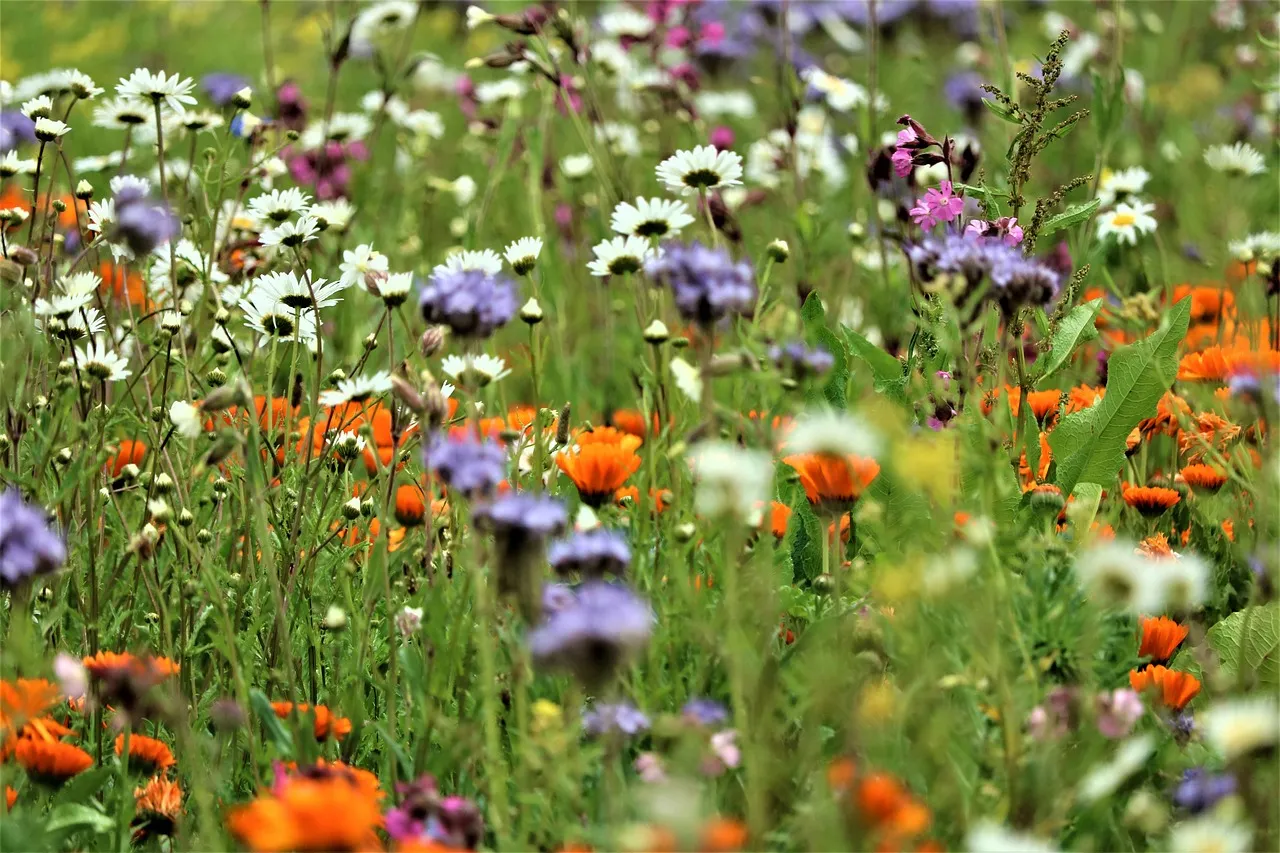
Field of biodiverse wildflower. Image by Caniceus via pixaby
Journal articles
Developing biodiversity-based solutions for sustainable food systems through transdisciplinary Sustainable Development Goals Labs
Maintaining biodiversity is key to a healthy food system; for example it is critical for the functioning of agroecosystems (influencing factors like soil health and the hydrological cycle) and it ensures genetic diversity in crops and animals. This paper assesses whether biodiversity-focused nature-base solutions (NbS) - the management and utilisation of nature to address sustainability challenges - provide a viable solution to the challenge of maintaining both biodiversity and a sustainable food system.
Read
Image
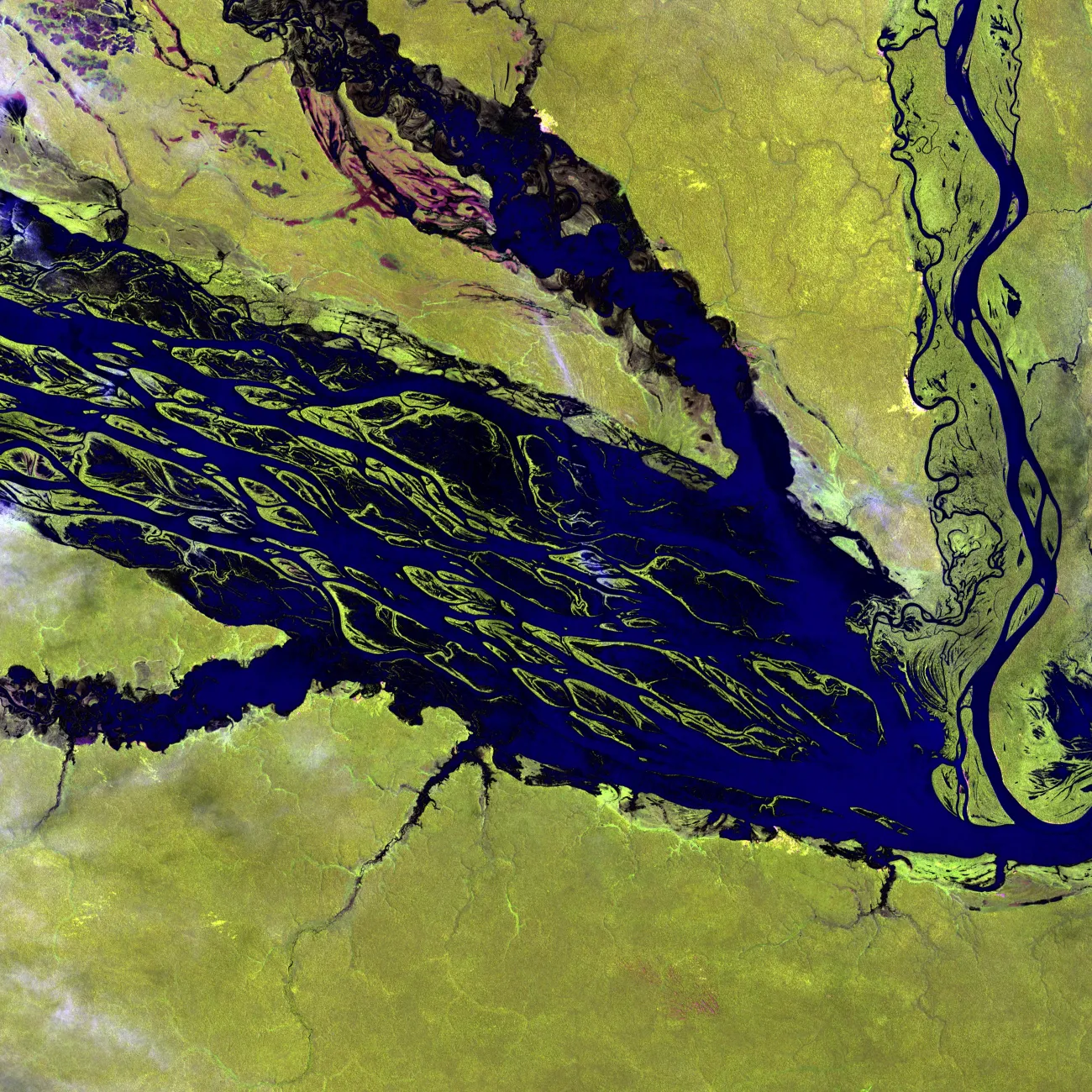
Satellite Image of the Brazil's Negro River running through the amazon. Photo by USGS via Unsplash
Journal articles
Indigenous farming practices could provide key to restoring nutrient and carbon rich soils
The Amazonian dark earth (terra preta) is not only incredibly fertile but is also a substantial carbon sink. However, whether or not this soil was formed intentionally through indigenous land practice has long been unclear. This paper uses soil analysis and ethnographic observation to demonstrate similarities between ancient and modern dark earth formation by indigenous communities, and to quantify the benefits these practices could have for soil fertility and carbon sequestration.
Read
Image
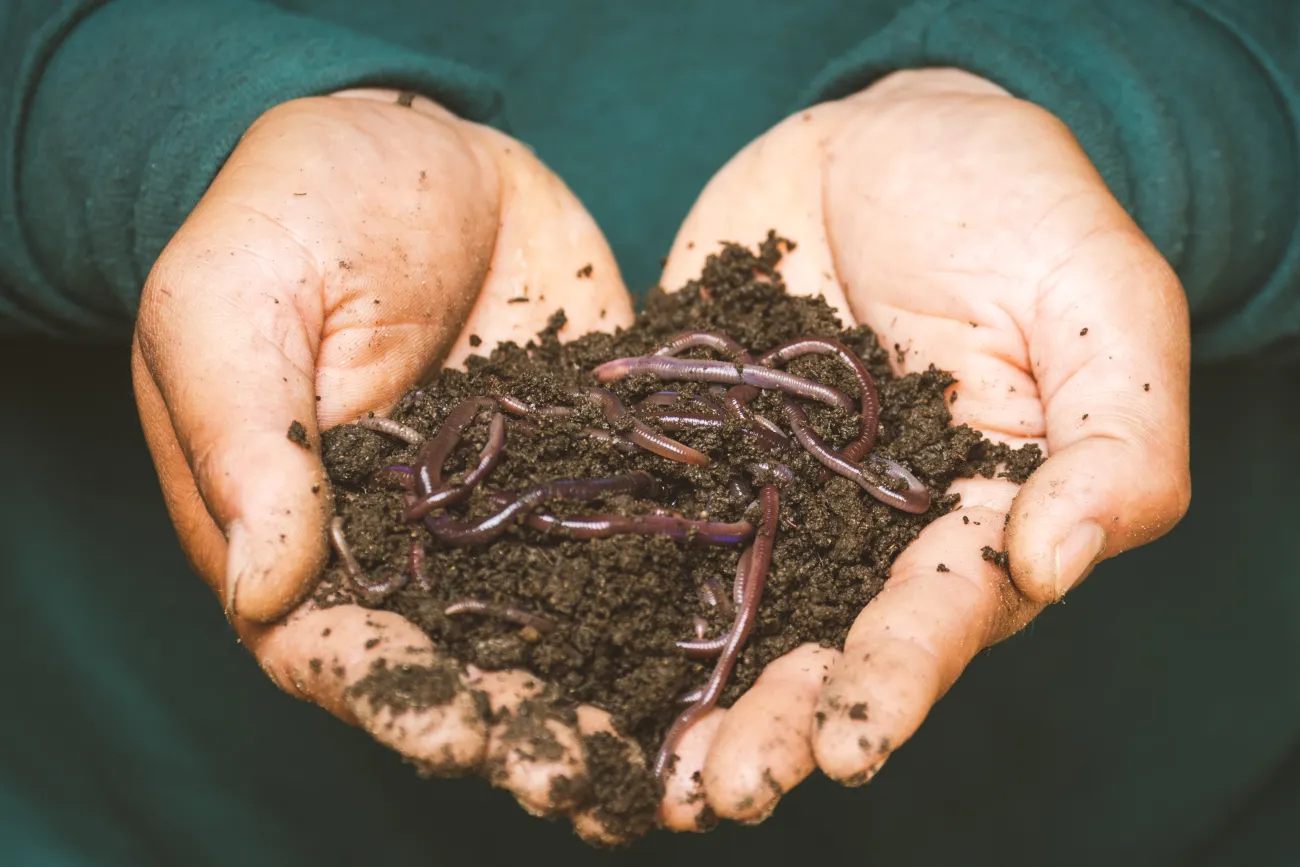
A pair of hands holding a clump of soil and worms. Photo by sippakorn yamkasikorn via Unsplash
Journal articles
Earthworms contribute significantly to global food production
Improving soil health and soil biological communities through agroecological management approaches will be essential for mitigating the environmental impacts of agricultural intensification in the future. In order to demonstrate some of the values of agroecological practices, this meta-analysis estimates the value of soil biological communities through the earthworms impact on the productivity of global cereal and legume crops.
Read
Image
Palestinians walk by the rubble of a building after it was hit by an Israeli airstrike, in Gaza City, Photo via VOA News
News and resources
UN Raises Alarm About Food Supplies in Gaza
The United Nations World Food Program (WFP) has emphasised the need for unimpeded access to allow food supplies to reach affected populations in the Gaza strip. A representative from the WFP commented that "as the conflict intensifies, civilians, including vulnerable children and families, face mounting challenges in accessing essential food supplies”.
Read
Image
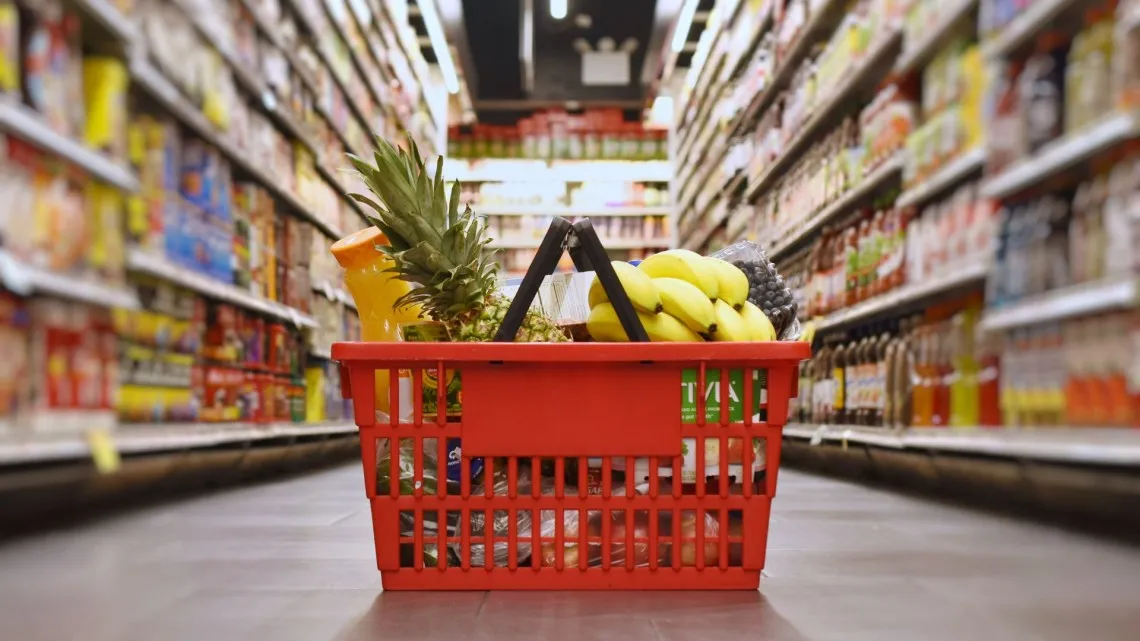
A shopping basket full of fruit in the middle of a grocery store. Image via Cornell University
News and resources
New presidential advisory puts food at the heart of U.S. health policy
The new American Heart Association Presidential Advisory board has recommended creating a robust evidence base for increasing the adoption of clinical Food is Medicine programs in the US. These programs recognise the importance of nutrition in preventative treatment of chronic disease and use healthy, food-based interventions to help prevent, manage, and treat chronic diet-related diseases.
Read
Image
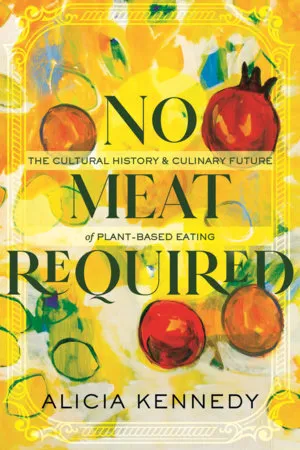
The cover of No Meat Required by Alicia Kennedy showing an abstract painting of various fruits
Books
No Meat Required
No Meat Required chronicles the history of vegan politics and practise in the United States and asks whether the original political motivations of the movement have been lost to corporate commodification. The book follows veganism from its roots in the hippy movement, its revival with growing concerns over the climate emergency and its integration into contemporary supermarket retailing, fine dining and junk food products.
Read
Image
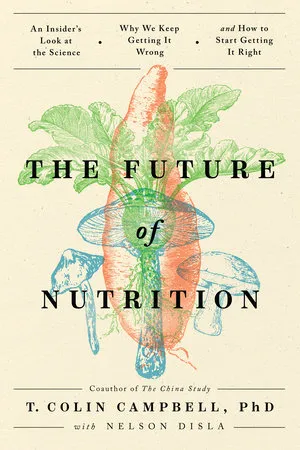
The cover of The Future of Nutrition by T. Colin Campbell depicting botanical drawings of mushrooms, tubers and a radish
Books
The Future of Nutrition
The Future of Nutrition analyses the history of our relationship to food and explores how the contemporary reductionist paradigm of nutrition and health science is limiting our ability to respond to public health crises. Campbell offers an alternative model based on a holistic understanding of health and nutrition, that he argues can improve public nutrition literacy and treat personal illness more effectively and economically
Read
Image
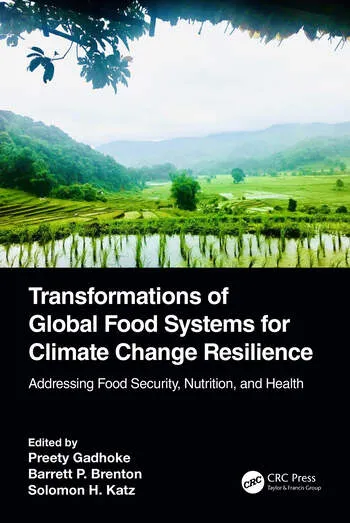
The cover of Transformations of Global Food Systems for Climate Change Resilience edited by Preety Gadjoke, Barrett Brenton and Solomon Katz
Books
Transformations of Global Food Systems for Climate Change Resilience: Addressing Food Security, Nutrition, and Health
This volume provides case studies of actions to promote climate change resilience in the global food system. The cases are selected across a wide range of regions and cover a broad range sustainable food system issues, including food security, food sovereignty, public health and justice.
Read
Image
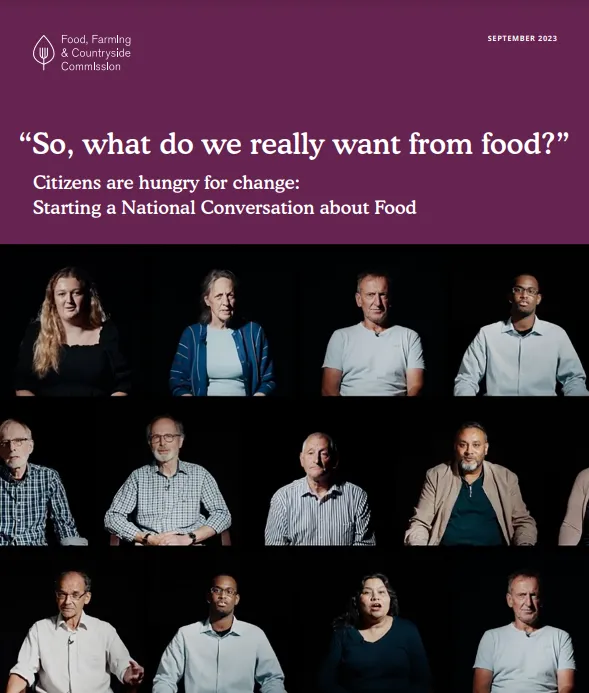
The cover of ‘So, what do we really want from food?’ a report by the food, farming and countryside commission.
Reports
So, what do we really want from food?
In the UK, there is a pervasive narrative that people don't want a ‘nanny state’ intervening in the food system, they only want ‘cheap food’. This report, based on extensive public dialogue sessions in Birmingham and Cambridge, and a new national poll of 2,000 people, shows that citizens across all demographics, ages and political groups reject these concerns and overwhelmingly back increasing government intervention to fix the food system.  
Read
  • VIEW MORE

Sign up for Fodder, our monthly newsletter unpacking the future of food.

Tick below to opt-in to email communications.

You can change your mind at any time by clicking the unsubscribe link in the footer of any email you receive from us, or by contacting us at info@tabledebates.org.

We use Mailchimp as our marketing platform. By clicking below to subscribe, you acknowledge that your information will be transferred to Mailchimp for processing. Learn more about Mailchimp's privacy practices.
  • Glossary
  • About
  • Our Writing
  • Podcasts
  • Resources

Social

YouTube Facebook Instagram

© Copyright 2025

A collaboration between: