Close
Login Register
Search
  • About
    • What We Do
    • Who We Are
    • FAQs
  • Our Writing
    • Explainers
    • Essays
    • Letterbox
    • Reports & More
  • Podcasts
  • Our Events
  • Projects
    • Power In The Food Systems
    • Local-Global Scale Project
    • MEAT: The Four Futures Podcast
    • Fuel To Fork
    • Nature
    • Reckoning with Regeneration
    • SHIFT
    • Games at TABLE
    • Rethinking the Global Soy Dilemma
  • Resources
  • Opportunities
    • Jobs
    • Funding
    • Courses
    • Collaborations
    • Events
  • Newsletter
  • TABLE (EN)
Search
Back

TABLE

Image
Reports
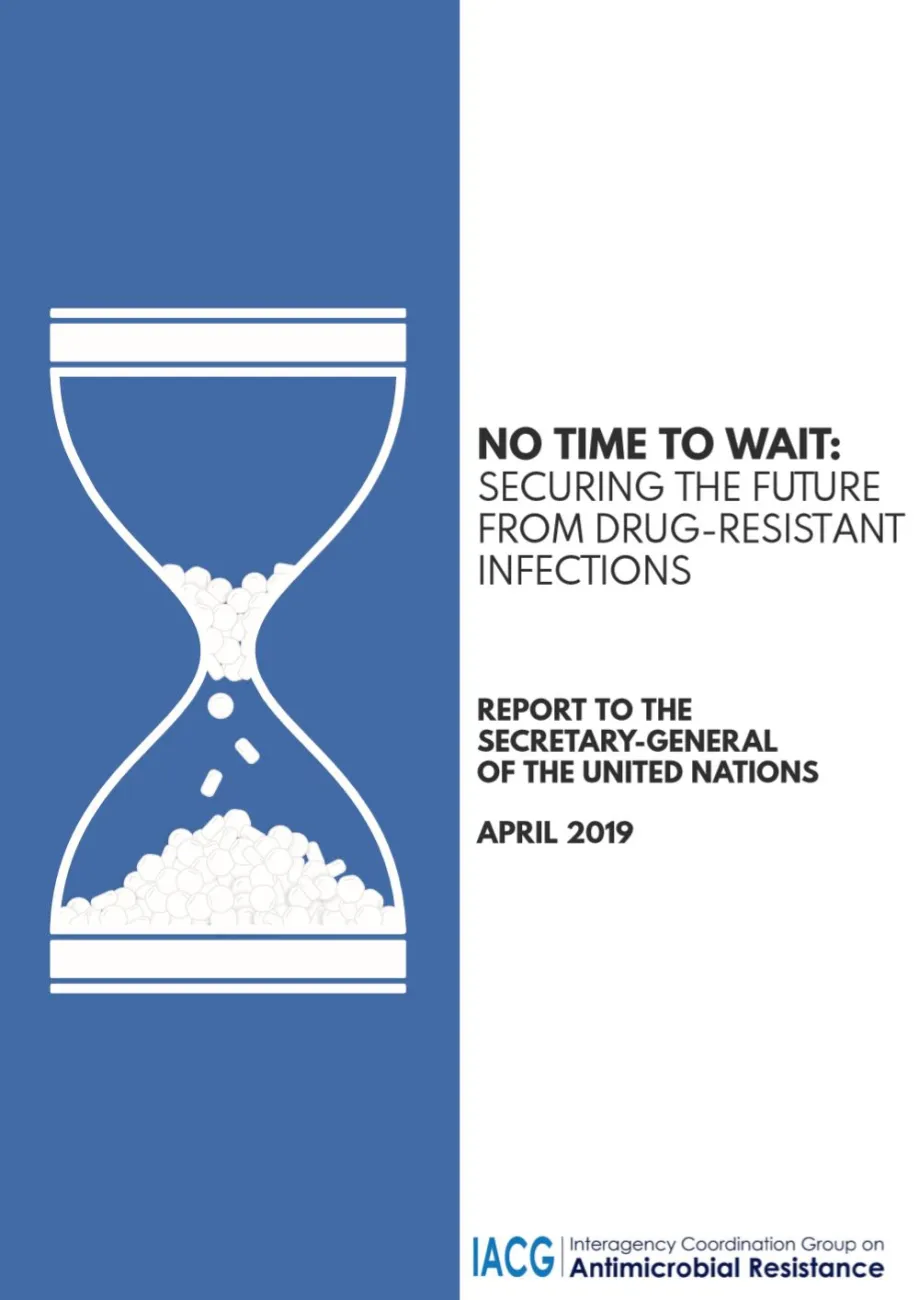
Securing the future from drug-resistant infections
This report by the World Health Organisation calls for urgent action on the global and growing antimicrobial resistance crisis. It reports that “[a]larming levels of resistance have been reported in countries of all income levels, with the result that common diseases are becoming untreatable, and lifesaving medical procedures riskier to perform.”
Read
Image
Reports
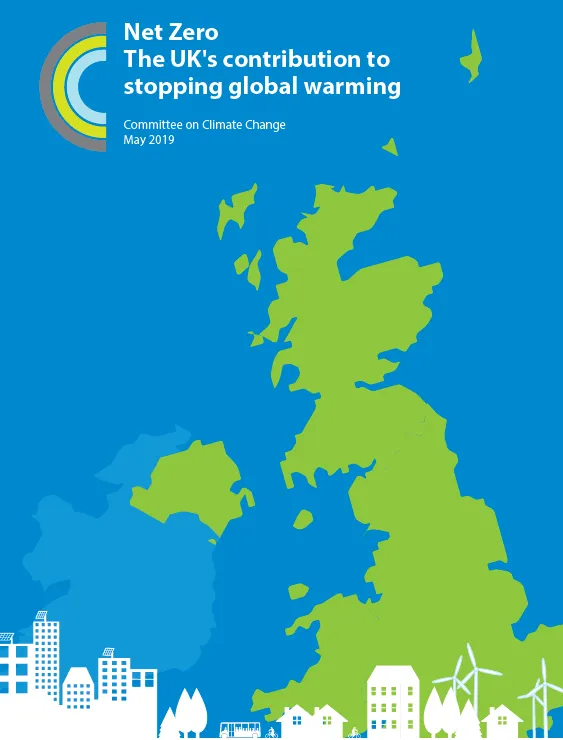
Net Zero: The UK’s contribution to stopping global warming
This report from the UK’s Committee on Climate Change sets out how the UK can reach net zero emissions by 2050 using existing technologies. It notes that current policies do not do enough to meet existing climate targets, and calls for “clear, stable and well-designed policies” to be introduced across the economy without delay. If replicated across the world, the plan would give a greater than 50% chance of limiting warming to 1.5°C.
Read
Image
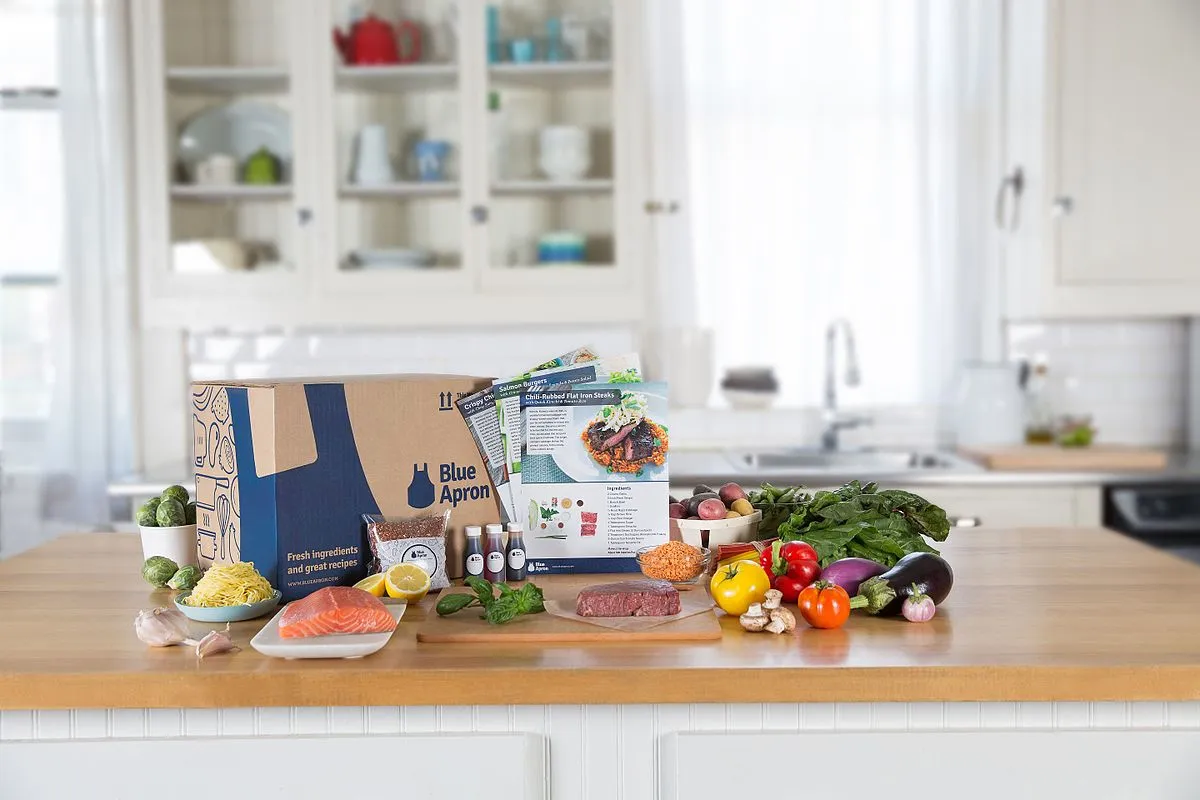
Image: Louise.ward, Blue Apron meal kit, Wikimedia Commons, Creative Commons Attribution-Share Alike 4.0 International
Journal articles
Environmental impacts of meal kits versus grocery store meals
This paper calculates the environmental impacts (climate change, acidification, eutrophication, land use, and water use) caused by either making a meal by using a meal kit (which contains pre-portioned ingredients for cooking a meal) or by buying the ingredients from a grocery store.
Read
Image
Image: Max Pixel, Plate knife cover, CC0 Public Domain
Journal articles
The rise in hunger among low-income households in the UK
One in five adults in England, Wales, and Northern Ireland experienced some level of food insecurity in 2016, according to this paper, with people who are younger, non-white, less educated, disabled, unemployed or low-income being more likely to experience food insecurity. Low-income adults had a 28% probability of being food-insecure in 2004, which by 2016 had risen to 46%.
Read
Image
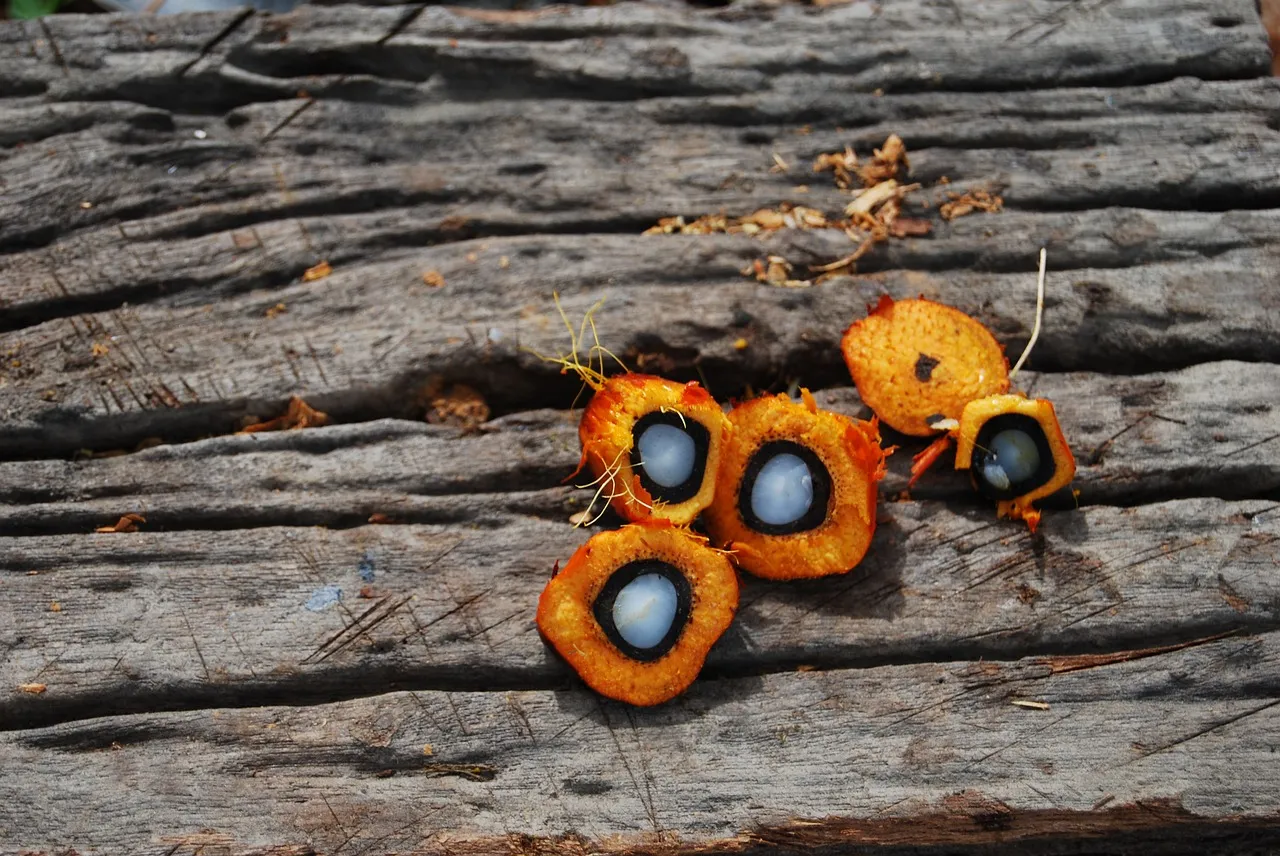
Image: Orientierungslust, Palm oil palm, Pixabay, Pixabay licence
Featured articles
Does oil palm agriculture help alleviate poverty?
The impacts of palm oil plantations on human wellbeing depend on context and are neither uniformly negative nor positive, finds this study of villages in Indonesia. Oil palm plantations are more likely to lead to improved basic, physical and financial well-being in villages with relatively low existing forest cover and where most people make a living by producing goods for market, compared to villages with higher forest cover and where most people have subsistence-based livelihoods.
Read
Image
News and resources
God’s Lone Country: Film about low income rural Britain
This film from the RSA Food, Farming & Countryside Commission explores issues in low income rural Britain. Interviewees include a farmer who has considered using a food bank, a student nurse who waited many years to be able to afford a house in her home village, and a cook who lives in a rural estate with poor access to services such as public transport.
Read
Image
News and resources
Podcast: Shrinking agriculture's footprint
This podcast, “Shrinking agriculture's footprint”, is part of the Breakthrough Dialogues series from California-based environmental research centre The Breakthrough Institute. The episode explores which farming practices are most sustainable and discusses land sharing versus land sparing.
Read
Image
Books
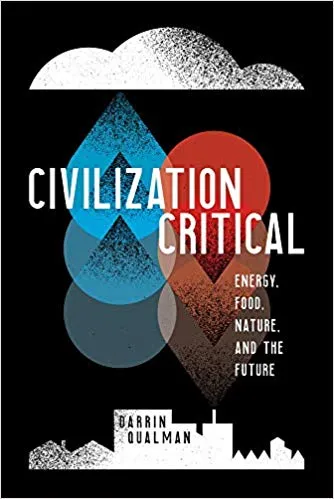
Civilization Critical: Energy, food, nature, and the future
This book by Darrin Qualman argues that, to avoid the collapse of civilisation, the global economy must reshape its material and energy flows away from linear, extractive patterns towards a circular model. The book includes a chapter on food production.
Read
Image
Reports
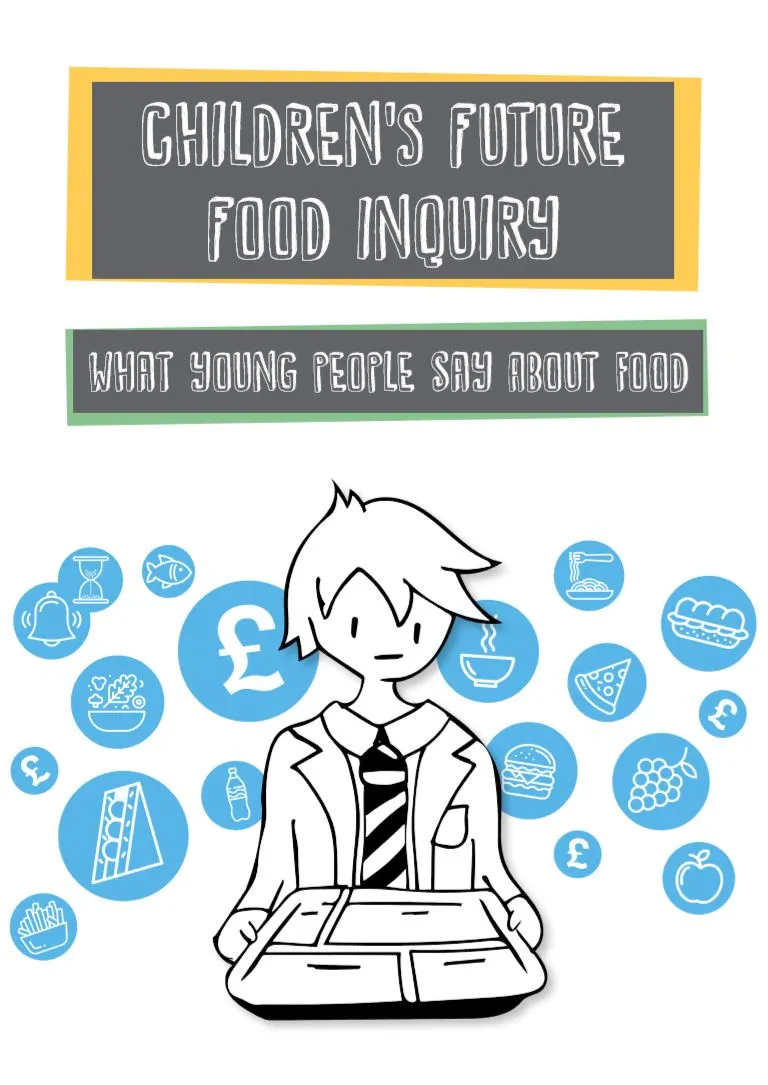
What young people say about food
This report from the UK think tank Food Foundation summarises workshops held with over 300 schoolchildren from across the UK to discuss their understanding of and experiences with food insecurity and food poverty.
Read
  • VIEW MORE

Sign up for Fodder, our monthly newsletter unpacking the future of food.

Tick below to opt-in to email communications.

You can change your mind at any time by clicking the unsubscribe link in the footer of any email you receive from us, or by contacting us at info@tabledebates.org.

We use Mailchimp as our marketing platform. By clicking below to subscribe, you acknowledge that your information will be transferred to Mailchimp for processing. Learn more about Mailchimp's privacy practices.
  • Glossary
  • About
  • Our Writing
  • Podcasts
  • Resources

Social

YouTube Facebook Instagram

© Copyright 2025

A collaboration between: