Close
Login Register
Search
  • About
    • What We Do
    • Who We Are
    • FAQs
  • Our Writing
    • Explainers
    • Essays
    • Letterbox
    • Reports & More
  • Podcasts
  • Our Events
  • Projects
    • Power In The Food Systems
    • Local-Global Scale Project
    • MEAT: The Four Futures Podcast
    • Fuel To Fork
    • Nature
    • Reckoning with Regeneration
    • SHIFT
    • Games at TABLE
    • Rethinking the Global Soy Dilemma
  • Resources
  • Opportunities
    • Jobs
    • Funding
    • Courses
    • Collaborations
    • Events
  • Newsletter
  • TABLE (EN)
Search
Back

TABLE

Image
Reports
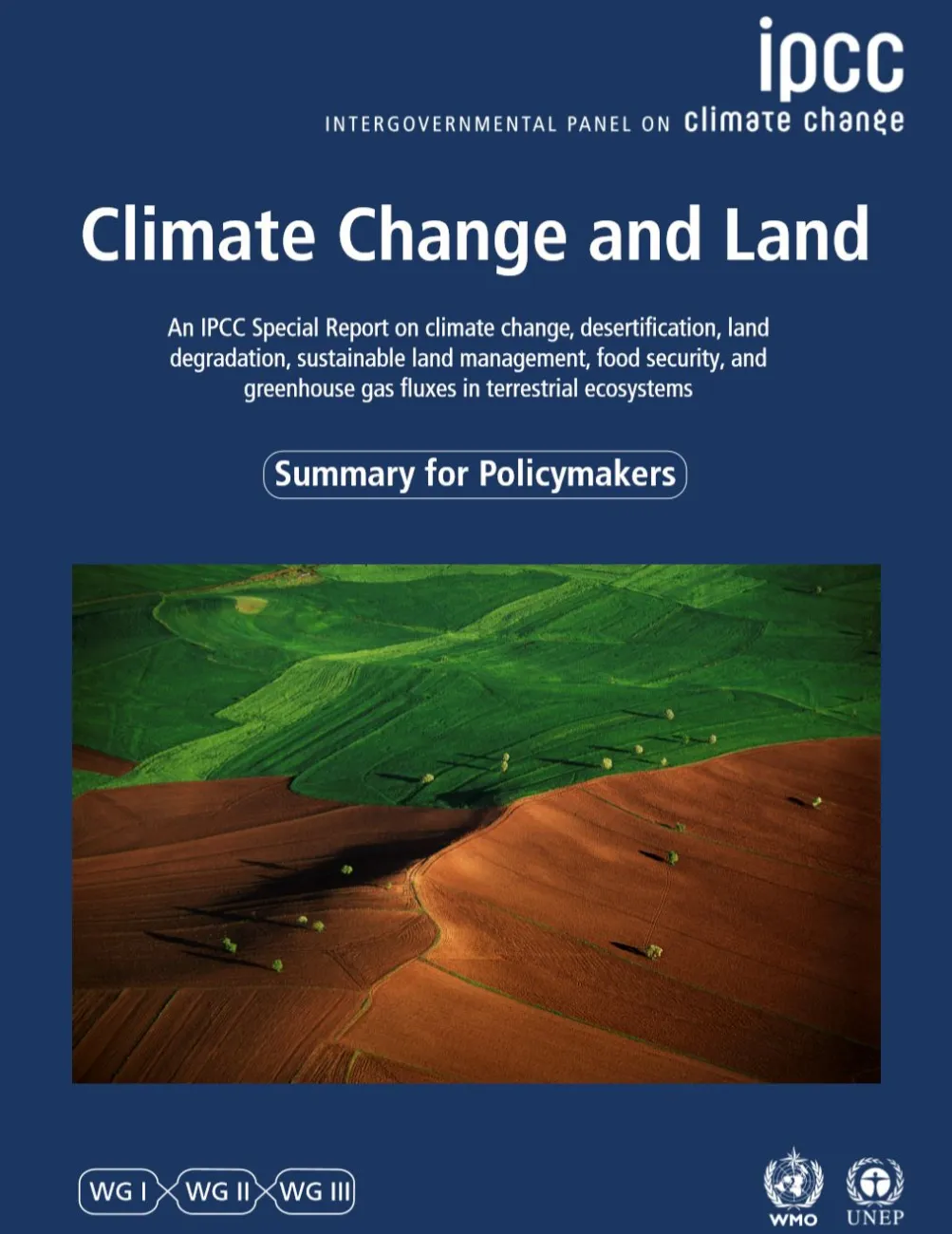
IPCC special report on climate change and land
In August 2019, the Intergovernmental Panel on Climate Change published a special report on climate change and land, covering a variety of interlinked topics including desertification, land degradation, food security, water scarcity, negative emissions, and policy options for both adaptation and mitigation.
Read
Image
Image: Pxhere, Bacon breakfast closeup, CC0 Public Domain
Journal articles
Metabolic food waste and ecological impact of obesity
This paper quantifies the carbon emissions, water use and land use associated with the consumption of food excess to requirements, on the basis that overnutrition has sometimes been classified as a form of food waste. It finds high geographical variation in the environmental impacts of so-called excess food consumption, with impacts being an order of magnitude greater in Europe, North America and Oceania than in sub-Saharan Africa.
Read
Image
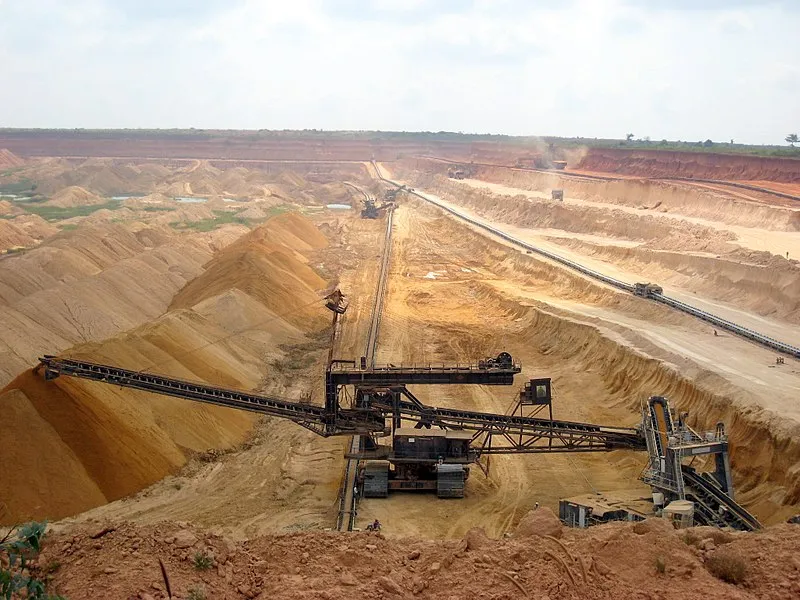
Image: Alexandra Pugachevsky, Phosphate Mining at SNPT, Wikimedia Commons, Creative Commons Attribution-ShareAlike 3.0 Unported
Journal articles
The need for reporting on the global phosphorus supply chain
This paper reviews the literature on the supply chain of phosphorus, a nutrient required in agriculture, and finds that current reporting is inadequate regarding phosphorus reserves and resources, losses along the supply chain, environmental and sociopolitical externalities, and open access to data.
Read
Image
Image: nil2hoff, Birds rainforest birds, Pixabay, Pixabay License
Featured articles
Global dietary transitions for safeguarding biodiversity
This paper models the global land use change implications of three different dietary scenarios up to the year 2100: business as usual with a continued shift away from pulses and starchy roots and towards animal products; a 95% global reduction in consumption of ruminant products compared to business as usual, with ruminant products to be replaced by cereals, pulses, starchy roots and oilcrops but other meat types to be consumed as in business as usual; and a 95% reduction in consumption of both ruminant and monogastric products. 
Read
Image
News and resources
Op-ed: Trump's dietary guidelines shouldn't ignore sustainability
This opinion piece in The Hill by Stephanie Feldstein, population and sustainability director at the Centre for Biological Diversity, argues that the US Dietary Guidelines Advisory Committee (which is reviewing the guidelines for their 2020-2025 edition) is strongly influenced by the food industry and that the committee will not be allowed to conduct a full review of the evidence on questions such as food sustainability.
Read
Image
News and resources
Better by half: A roadmap to less and better meat and dairy
Eating Better has released a roadmap of 24 actions that government, food service, retailers, food producers and investors can take to halve UK meat and dairy consumption by 2030 and to switch to “better” meat and dairy as standard. 
Read
Image
Books
Sovereignty, waste, and nutrients bioavailability
The book Sustainability of the Food System: Sovereignty, Waste, and Nutrients Bioavailability addresses food sustainability through the lens of food sovereignty, environmentally friendly food processes, and food technologies that increase the bioavailability of bioactive compounds.
Read
Image
Reports
Soil Wealth: Investing in regenerative agriculture
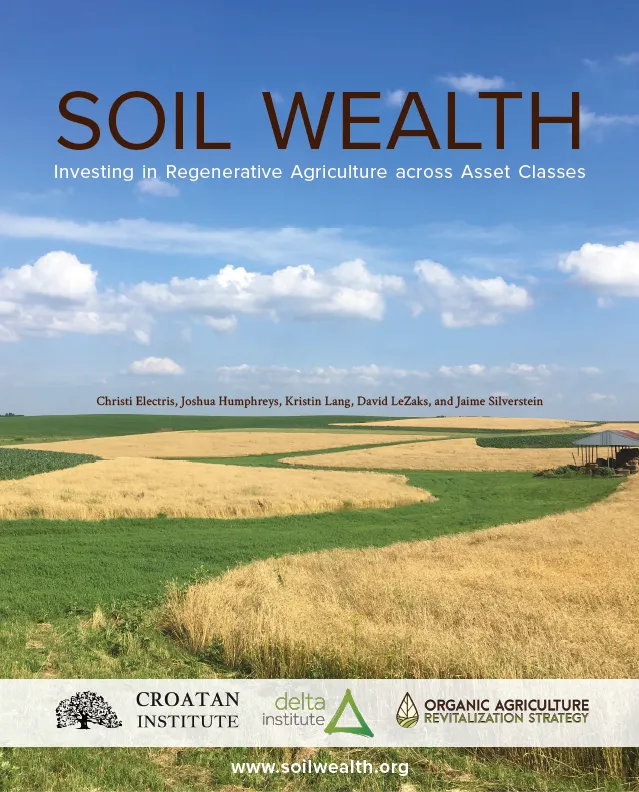
This report from the US non-profit Croatan Institute quantifies the current US landscape of investments in regenerative agriculture, including in-depth analyses across asset classes (such as farmland and venture capital), and presents a series of recommendations for investors and stakeholders to build soil health and community wealth through regenerative agriculture.
Read
Image
Reports
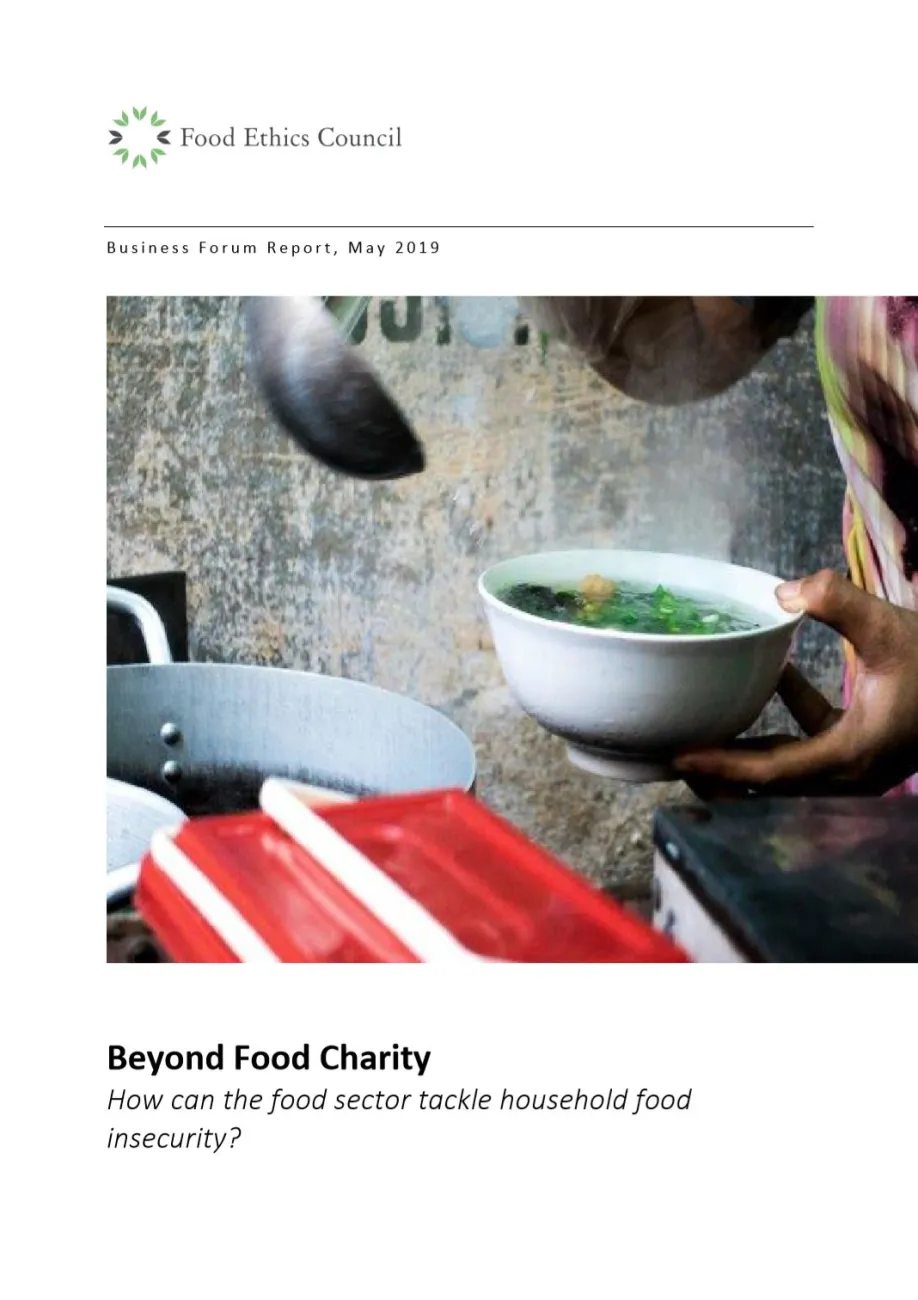
How can the food sector tackle household food insecurity?
This Business Forum Report from the Food Ethics Council explores the ethical implications of the food industry’s involvement with food charity projects such as school breakfast clubs or donations of food and money by supermarkets. 
Read
  • VIEW MORE

Sign up for Fodder, our monthly newsletter unpacking the future of food.

Tick below to opt-in to email communications.

You can change your mind at any time by clicking the unsubscribe link in the footer of any email you receive from us, or by contacting us at info@tabledebates.org.

We use Mailchimp as our marketing platform. By clicking below to subscribe, you acknowledge that your information will be transferred to Mailchimp for processing. Learn more about Mailchimp's privacy practices.
  • Glossary
  • About
  • Our Writing
  • Podcasts
  • Resources

Social

YouTube Facebook Instagram

© Copyright 2025

A collaboration between: