Close
Login Register
Search
  • About
    • What We Do
    • Who We Are
    • FAQs
  • Our Writing
    • Explainers
    • Essays
    • Letterbox
    • Reports & More
  • Podcasts
  • Our Events
  • Projects
    • Power In The Food Systems
    • Local-Global Scale Project
    • MEAT: The Four Futures Podcast
    • Fuel To Fork
    • Nature
    • Reckoning with Regeneration
    • SHIFT
    • Games at TABLE
    • Rethinking the Global Soy Dilemma
  • Resources
  • Opportunities
    • Jobs
    • Funding
    • Courses
    • Collaborations
    • Events
  • Newsletter
  • TABLE (EN)
Search
Back

TABLE

Image
News and resources
Tara Garnett interviewed on BBC’s The Food Programme
The FCRN’s Tara Garnett appeared on The Food Programme by BBC Radio 4 in the episode “Eating Animals Part 2: A Meat Q&A”. The programme also featured Patrick Holden of The Sustainable Food Trust and writer and environmental campaigner George Monbiot.
Read
Image
Books
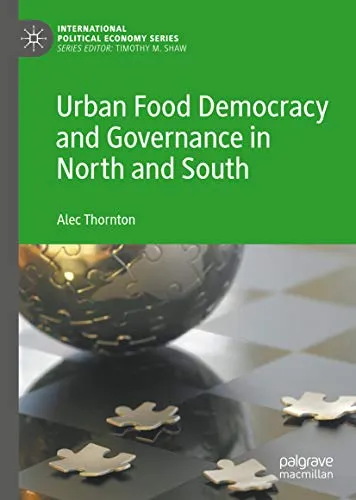
Urban food democracy and governance in North and South
This book offers case studies and discussions of how urban food systems are governed. It discusses both the Global North and South. Topics include cultural heritage preservation, food sovereignty, entrepreneurship and land-use conflicts.
Read
Image
Books
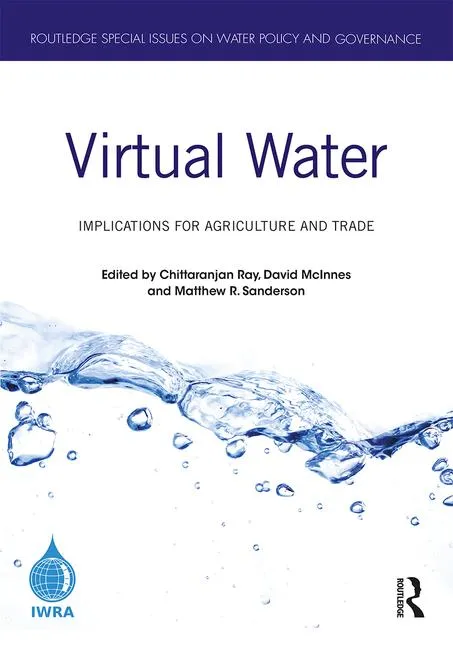
Virtual water: Implications for agriculture and trade
This book, originally published as a special issue of Water International, explores how the concept of “virtual water” is relevant to agriculture, trade and sustainability.
Read
Image
Books
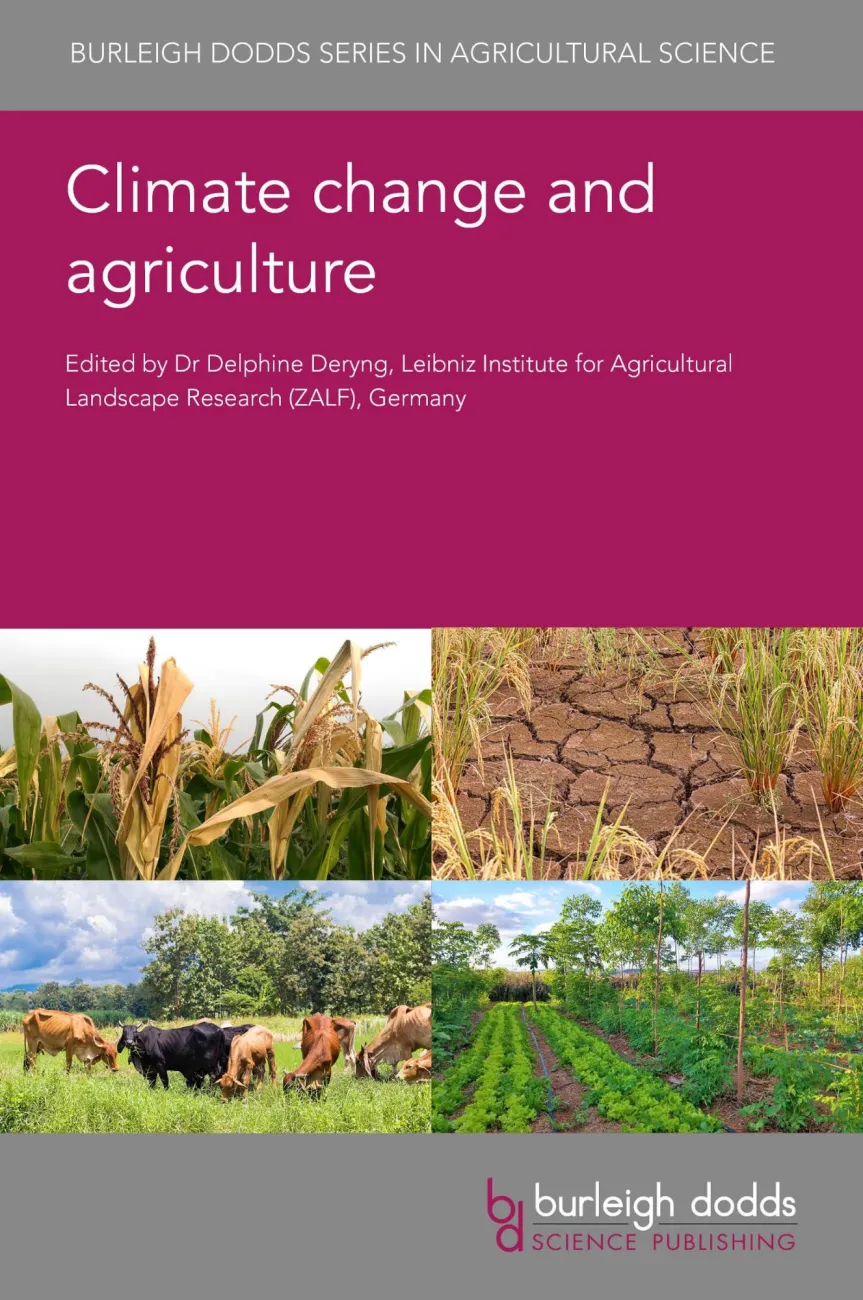
Climate change and agriculture
This book gives a holistic overview of both the impacts of climate change on agriculture and the contribution of agriculture to climate change, describes how to predict these interactions, and offers strategies for “climate-smart agriculture”.
Read
Image
Reports
Meat-eating habits and climate concern in British youth
According to a survey by UK NGO Eating Better, 63% of 11 to 18 year olds in the UK see the environment and climate change as the top concern for the UK at the moment. While most do not want to change their levels of meat consumption, 29% of those who do eat meat would like to reduce their consumption.
Read
Image
Reports
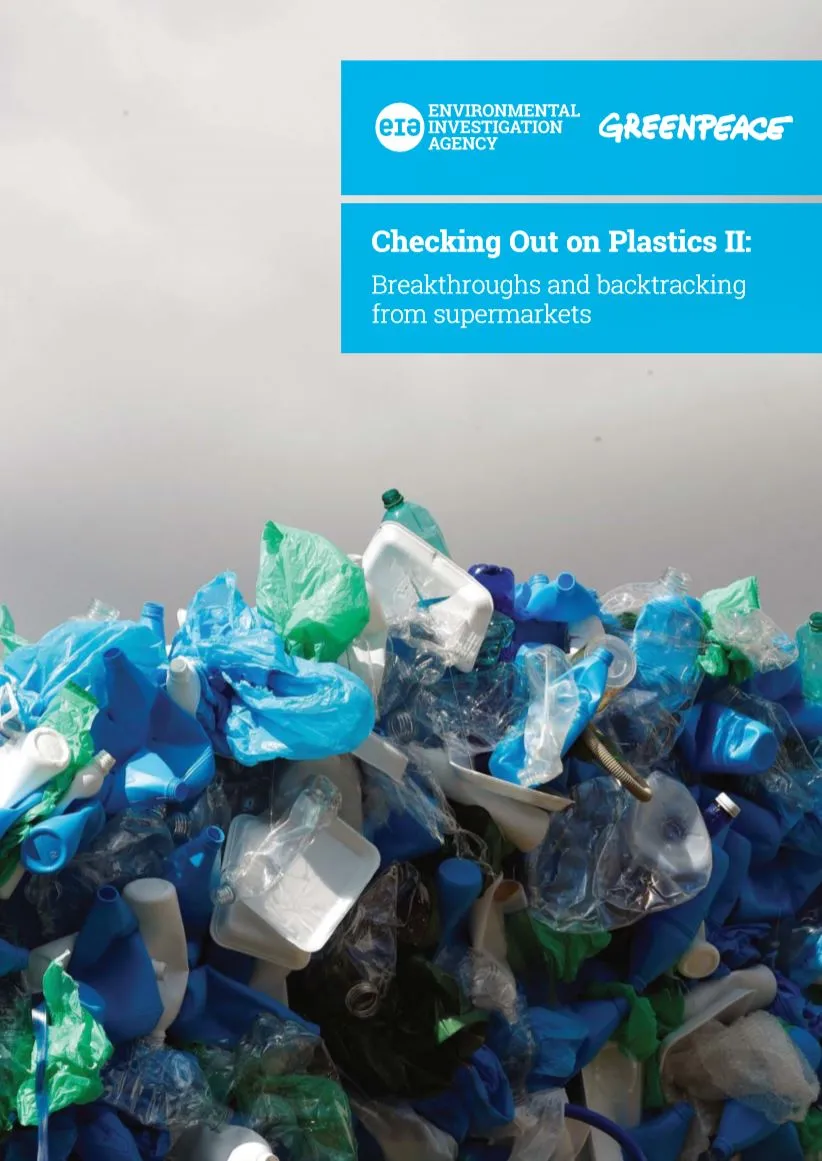
UK supermarket plastic waste is rising
This report by the Environmental Investigation Agency and NGO Greenpeace studies how UK supermarkets have taken action on plastic packaging. It finds that overall plastic packaging used by UK supermarkets has risen by 2% between 2017 and 2018, mainly driven by sales of branded products. Waitrose and Morrisons have made the most progress in reducing plastic packaging.
Read
Image
Image: Shimane Prefecture, Shimane Prefecture Lake Shinji, Wikimedia Commons, Creative Commons Attribution 4.0 International
Journal articles
Neonicotinoids disrupt lake ecosystems and fisheries
This paper finds that neonicotinoid use in rice paddies surrounding Lake Shinji in Japan was followed by a collapse in the fishery yields of smelt and eel, likely due to neonicotinoids reducing the abundance of zooplankton on which smelt and eels feed. The paper suggests that similar fishery yields decreases in lake across Japan could be linked to neonicotinoid use.
Read
Image
Image: Pxhere, Smartphone hand, CC0 Public Domain
Journal articles
Twitter backlash to the EAT-Lancet planetary health diet
This paper analyses the Twitter reactions to the diet proposed by the EAT-Lancet Commission on healthy diets from sustainable food systems, focusing on the #yes2meat hashtag as well as the official #EATLancet hashtag. The study found a sizable countermovement that was sceptical of the EAT-Lancet dietary recommendations, with the #yes2meat term becoming prominent around one week before the EAT-Lancet report was launched.
Read
Image
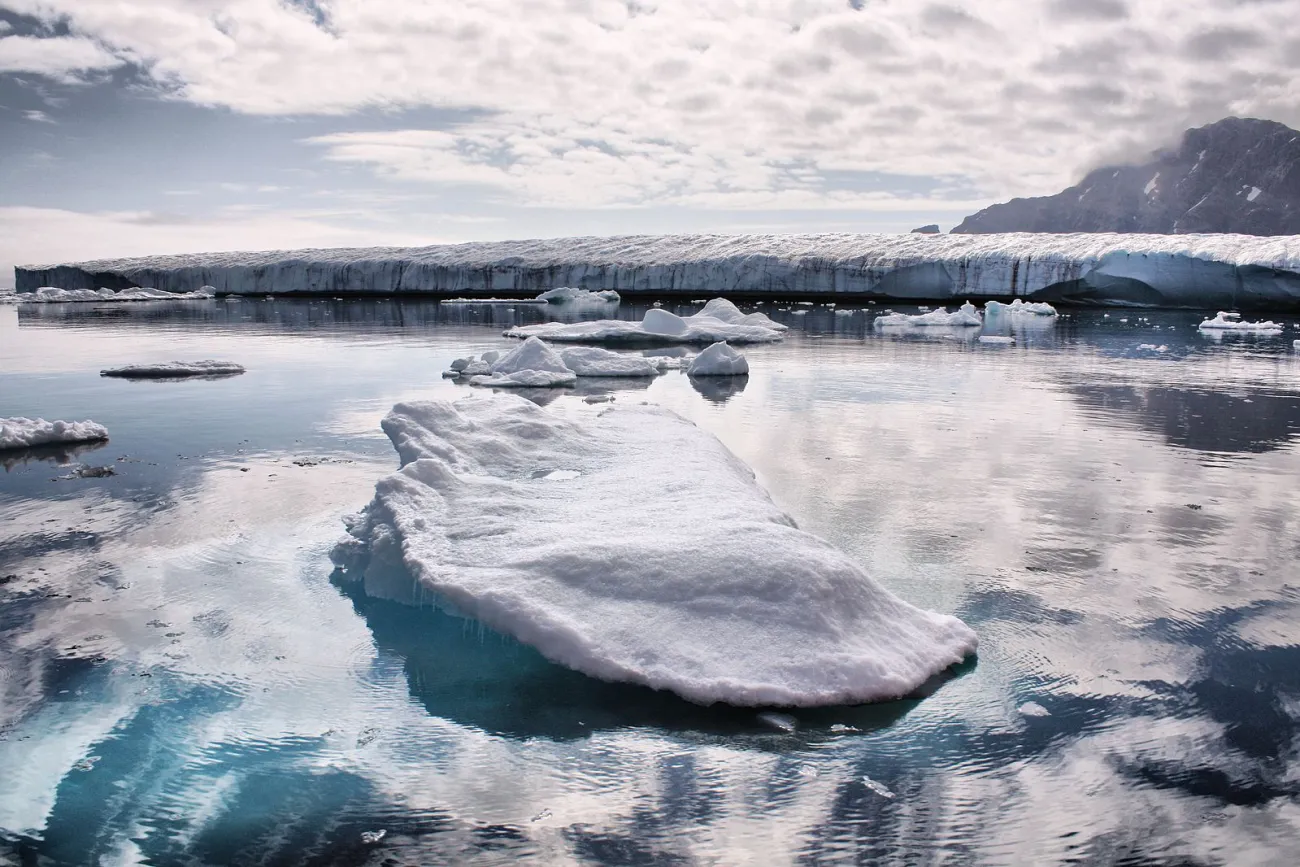
Image: Christine Zenino, Greenland Ice (4018284492), Wikimedia Commons, Creative Commons Attribution 2.0 Generic
Featured articles
Comment: Tipping points are close, but can still be slowed
This commentary reviews the evidence on climate tipping points - i.e. irreversible (on a human timescale) and abrupt shifts from one climate state to another - and concludes that several interlinked tipping points could be already active or very near to being triggered. Cutting emissions could still slow down the rate at which the tipping points operate, the authors argue.
Read
  • VIEW MORE

Sign up for Fodder, our monthly newsletter unpacking the future of food.

Tick below to opt-in to email communications.

You can change your mind at any time by clicking the unsubscribe link in the footer of any email you receive from us, or by contacting us at info@tabledebates.org.

We use Mailchimp as our marketing platform. By clicking below to subscribe, you acknowledge that your information will be transferred to Mailchimp for processing. Learn more about Mailchimp's privacy practices.

  • Glossary
  • About
  • Our Writing
  • Podcasts
  • Resources

Social

YouTube Facebook Instagram

© Copyright 2025

A collaboration between: