Close
Login Register
Search
  • About
    • What We Do
    • Who We Are
    • FAQs
  • Our Writing
    • Explainers
    • Essays
    • Letterbox
    • Reports & More
  • Podcasts
  • Our Events
  • Projects
    • Power In The Food Systems
    • Local-Global Scale Project
    • MEAT: The Four Futures Podcast
    • Fuel To Fork
    • Nature
    • Reckoning with Regeneration
    • SHIFT
    • Games at TABLE
    • Rethinking the Global Soy Dilemma
  • Resources
  • Opportunities
    • Jobs
    • Funding
    • Courses
    • Collaborations
    • Events
  • Newsletter
  • TABLE (EN)
Search
Back

TABLE

Image
Reports
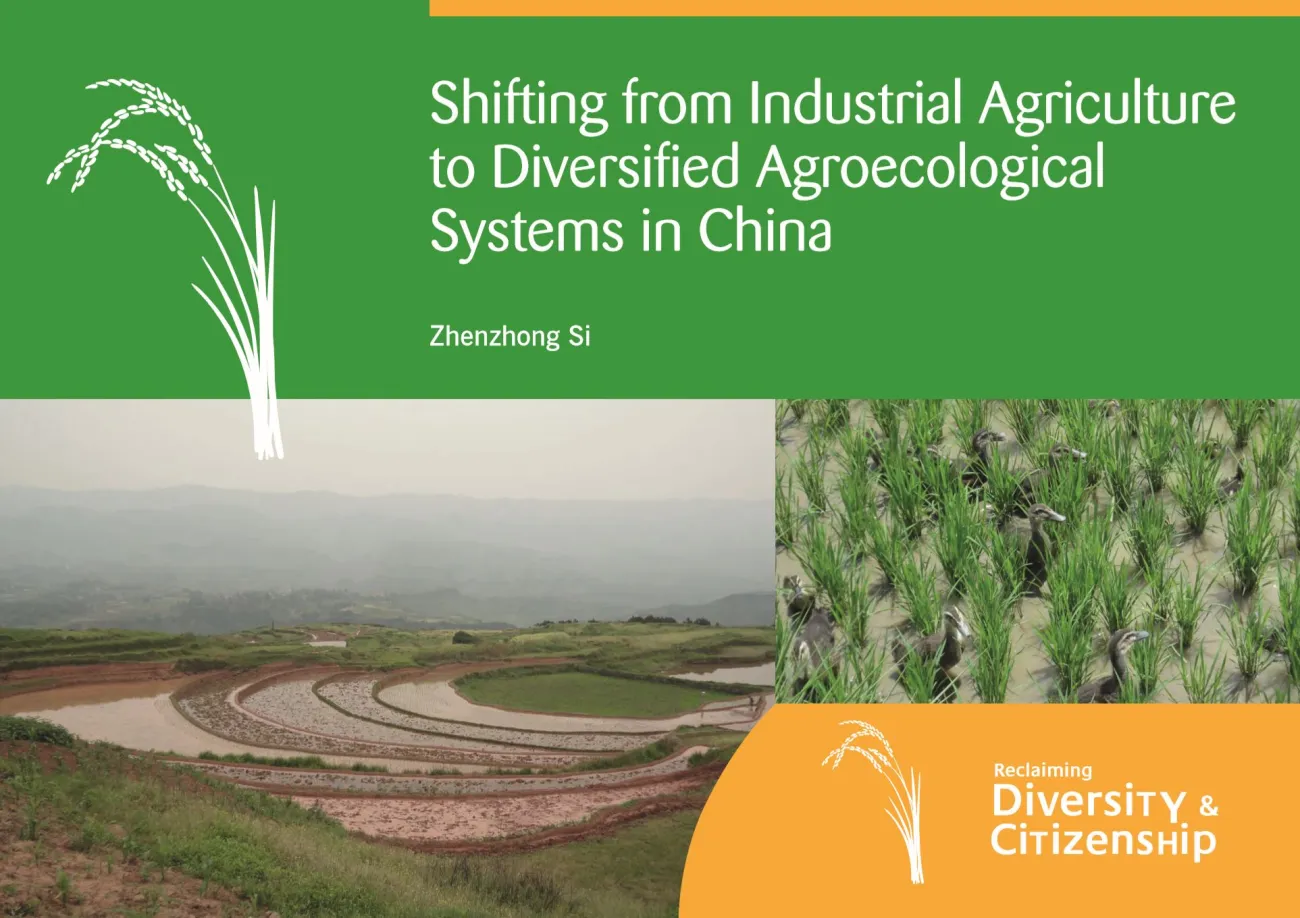
Shifting to diversified agroecological systems in China
This report from the Centre for Agroecology, Water and Resilience (CAWR) at Coventry University examines how farming in China can move away from a dependence on “industrial agriculture” (defined here as excessive and inefficient use of fertilisers and pesticides) towards agroecological systems (including practices such as lower stocking densities, using manure instead of synthetic fertilisers, growing diverse crops and using soil-building techniques). 
Read
Image
Reports
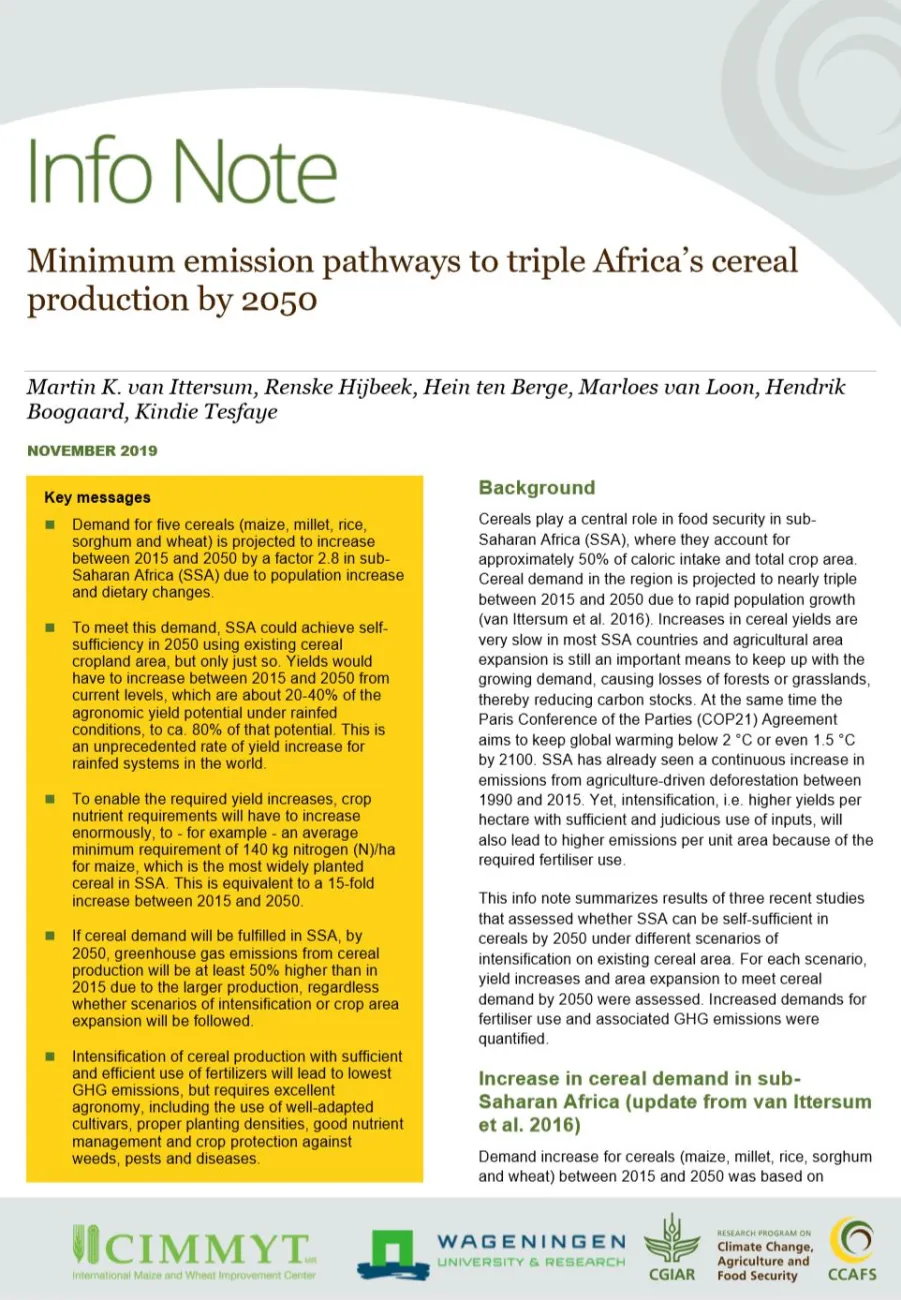
Tripling Africa’s cereal production with low emissions
This briefing from the CGIAR Research Program on Climate Change, Agriculture and Food Security (CCAFS) notes that demand for five cereals in sub-Saharan Africa is set to almost triple by 2050. It argues that it is possible for the region to be self-sufficient in cereals by 2050 using only the current area of cereal farmland, but that this requires significantly higher fertiliser use. To keep greenhouse gas emissions to the minimum possible will require suitable crop varieties, careful nutrient management, optimum planting densities and protection of crops against weeds, pests and diseases.
Read
Image
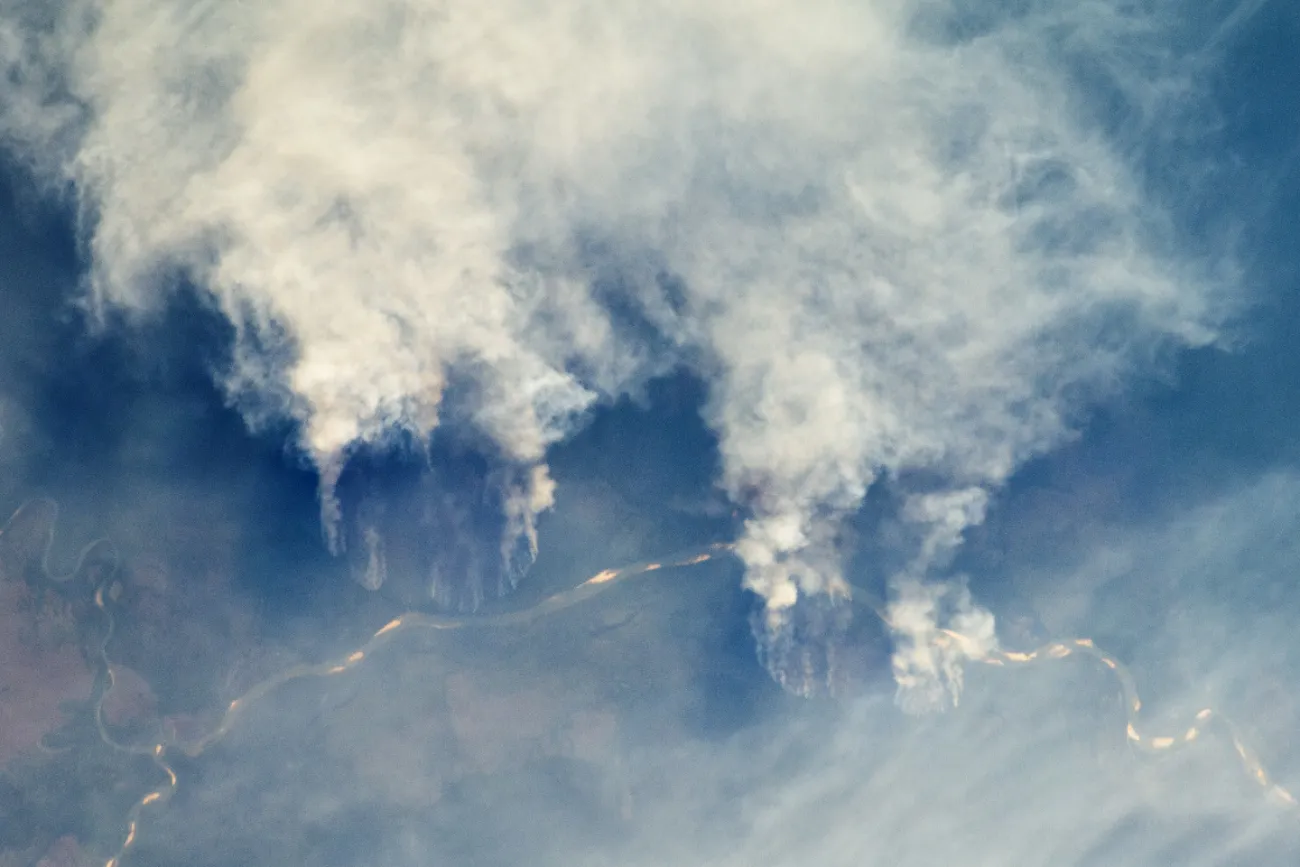
Image: NASA Earth Observatory, Fires along the Rio Xingu, Brazil, Flickr, Creative Commons Attribution 2.0 Generic
Journal articles
Clarifying Amazonia's burning crisis
This piece examines the data behind forest fires in Brazil, which attracted international attention during the summer of 2019. It concludes that the number of fires in August 2019 was nearly three times higher than in August 2018, and that the extent of deforestation was the highest since 2008, thus refuting the Brazilian government’s claim that August 2019 was “normal” for deforestation. Some contributors to the piece declined to be listed as authors so that they could stay anonymous.
Read
Image
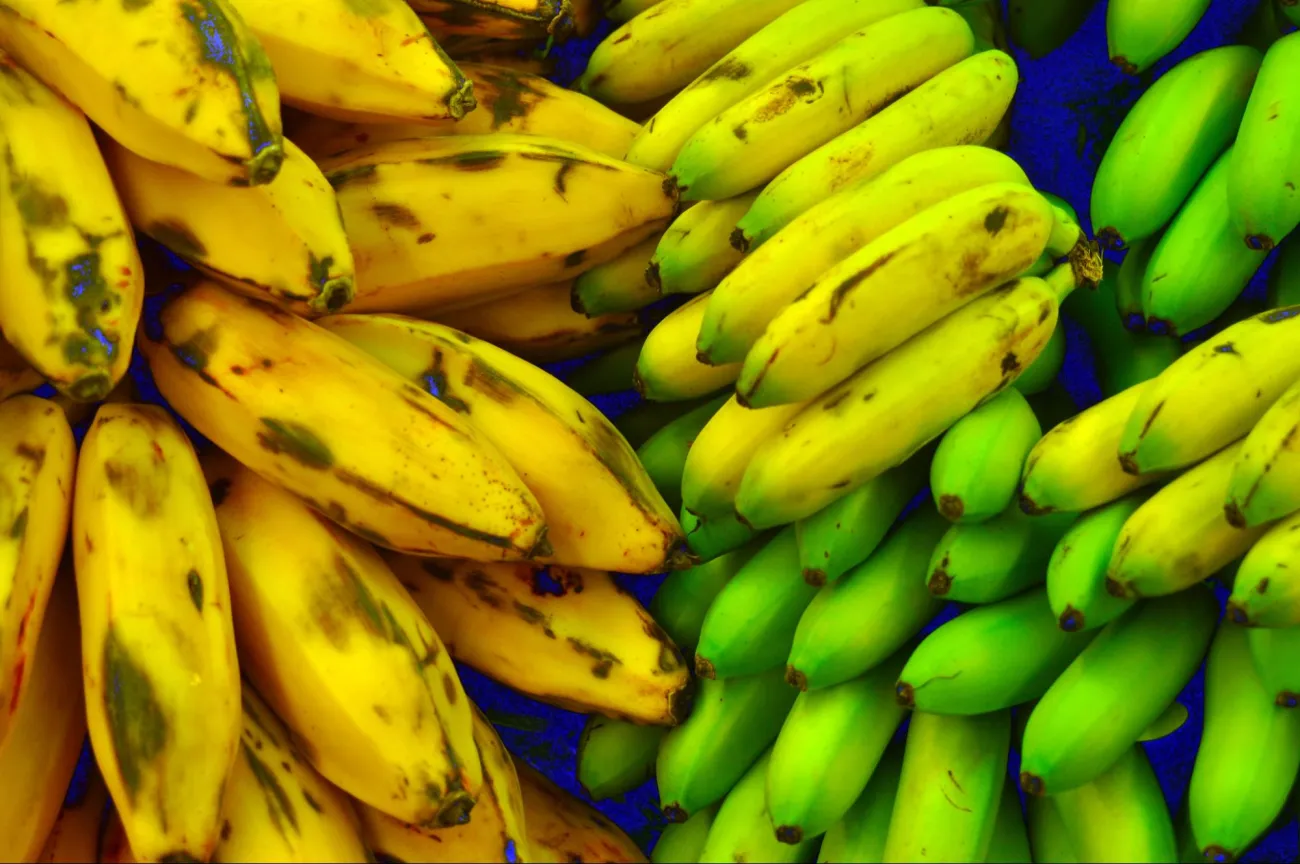
Image: Ian Ransley, Plantains, bananas, Flickr, Creative Commons Attribution 2.0 Generic
Journal articles
Agricultural development can cut food waste and emissions
This paper studies the impacts of several agricultural development projects (by USAID’s Feed the Future initiative) that aimed to tackle food loss and waste (FLW), finding that the interventions could reduce greenhouse gas emissions per unit of food produced.
Read
Image
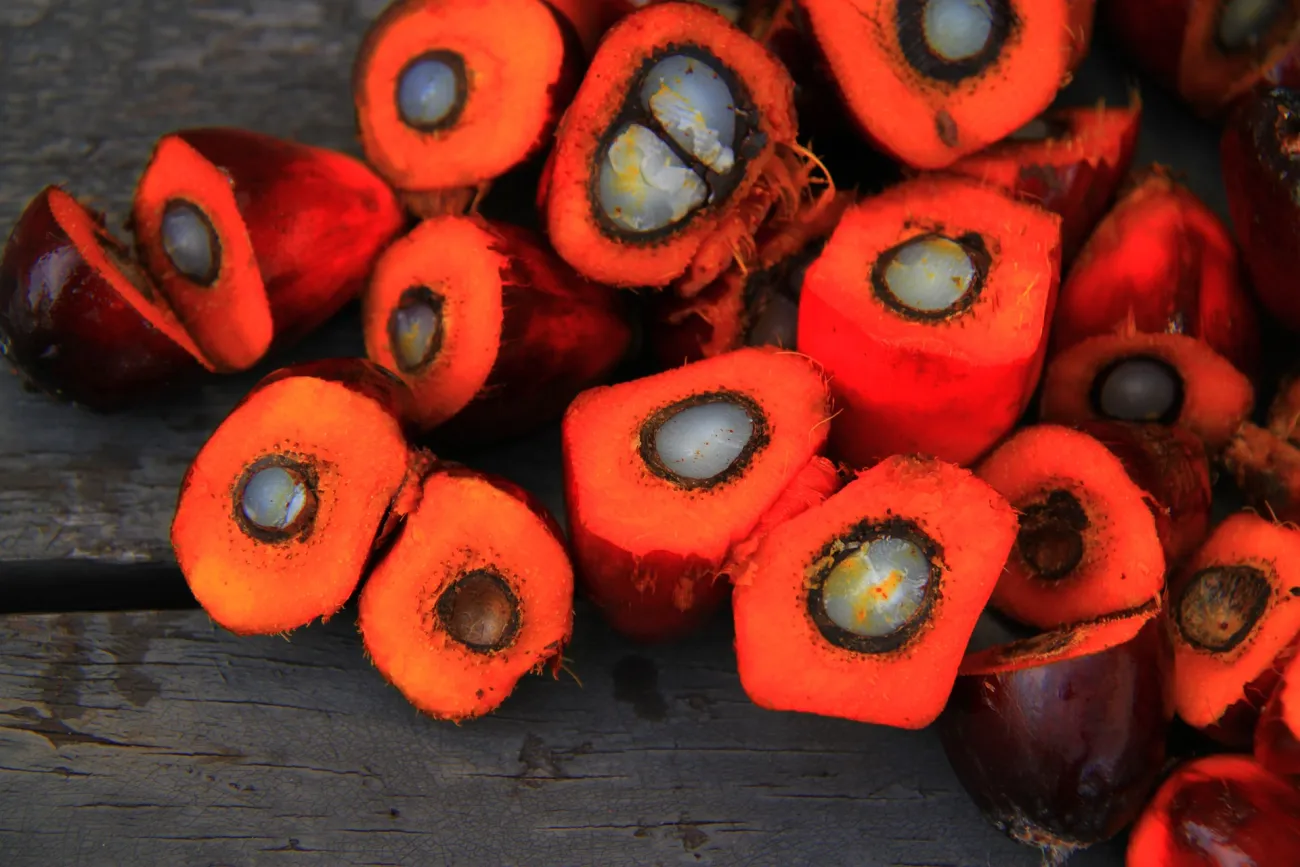
Image: feelphotoz, Olio Di Palma, Pixabay, Pixabay Licence
Featured articles
Carbon neutral expansion of oil palm plantations
According to this study of oil palm plantations in Colombia, converting pasture to oil palm plantation is almost carbon neutral, because declines in soil organic carbon are offset by gains in oil palm biomass over a period of several decades. The authors argue that planting oil palm on former pasture land is preferable to converting rainforest to plantations, as regards greenhouse gas emissions.
Read
Image
News and resources
Is high-risk romaine simply the new normal?
According to this article by the New Food Economy, the United States has experienced five E. coli outbreaks in the leafy green supply chain in two years. The latest outbreak, affecting romaine lettuce, originated in Salinas, California. A task force found that a 2018 outbreak was possibly linked to the presence of concentrated animal feeding operations (CAFOs) near lettuce farms.
Read
Image
Image: Pierre-Selim Huard, Brandenburg gate in Berlin, Wikimedia Commons, Creative Commons Attribution 4.0 International
News and resources
Farmers protest against environmental measures
Over 10,000 farmers blocked roads in Berlin on 26 November 2019 with a convoy of tractors in protest at regulations that will limit the use of fertiliser (to reduce groundwater pollution) and the weedkiller glyphosate (to protect insect populations). Farmers say that the measures will threaten their livelihoods and are also protesting against the perception that farmers are to blame for the climate crisis.
Read
Image
News and resources
Podcast: Can smallholder-produced palm oil be sustainable?
This podcast, part of the BBC programme The Food Chain, explores initiatives that hope to change how palm oil is produced. It outlines some of the environmental and social issues associated with conventional palm oil production, and discusses a smallholder certification scheme in the Sabah region of Malaysian Borneo.
Read
Image
News and resources
Blog: Regenerative agriculture and the food system
In this blog post, Samuel Smith of international sustainability non-profit Forum for the Future sets out research he intends to conduct on how regenerative agriculture is understood, the strategies that could be used to scale it up, and how the food system would be affected by widespread conversion to regenerative agriculture.
Read
  • VIEW MORE

Sign up for Fodder, our monthly newsletter unpacking the future of food.

Tick below to opt-in to email communications.

You can change your mind at any time by clicking the unsubscribe link in the footer of any email you receive from us, or by contacting us at info@tabledebates.org.

We use Mailchimp as our marketing platform. By clicking below to subscribe, you acknowledge that your information will be transferred to Mailchimp for processing. Learn more about Mailchimp's privacy practices.
  • Glossary
  • About
  • Our Writing
  • Podcasts
  • Resources

Social

YouTube Facebook Instagram

© Copyright 2025

A collaboration between: