Close
Login Register
Search
  • About
    • What We Do
    • Who We Are
    • FAQs
  • Our Writing
    • Explainers
    • Essays
    • Letterbox
    • Reports & More
  • Podcasts
  • Our Events
  • Projects
    • Power In The Food Systems
    • Local-Global Scale Project
    • MEAT: The Four Futures Podcast
    • Fuel To Fork
    • Nature
    • Reckoning with Regeneration
    • SHIFT
    • Games at TABLE
    • Rethinking the Global Soy Dilemma
  • Resources
  • Opportunities
    • Jobs
    • Funding
    • Courses
    • Collaborations
    • Events
  • Newsletter
  • TABLE (EN)
Search
Back

TABLE

Image
Image: smilingscot, A flooded office, Flickr, Creative Commons Attribution-NoDerivs 2.0 Generic
Journal articles
The global context of agricultural methane emissions
This paper sets out how far different sources of methane (both agricultural and non-agricultural) can be reduced by 2050, via technical changes. It argues that since methane accounts for about 40% of the warming effect of all greenhouse gases in the short term (because of its high Global Warming Potential but short atmospheric lifetime), reducing methane emissions is therefore useful for mitigating climate change between now and 2050.
Read
Image
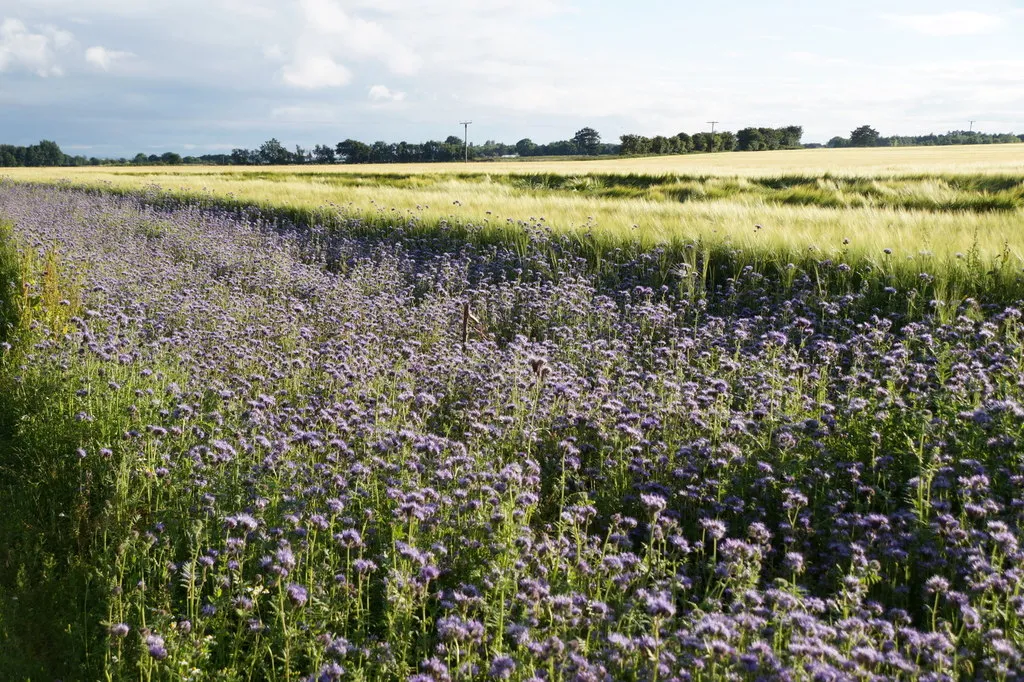
Image: Mike Pennington, Forage crop for bees, Moss Side Farm, Rufford, Geograph, Creative commons Attribution-ShareAlike 2.0 Generic
Featured articles
Solutions for humanity on how to conserve insects
This paper reviews initiatives for conserving insects and argues that they must be expanded globally to protect insect populations. It also argues that the value of insects to society must be better communicated to people, e.g. through focusing on the benefits of iconic insect species or particular landscapes. 
Read
Image
News and resources
Synthetic wine, whiskey and sake
This article in the San Francisco Chronicle discusses three synthetic (or “molecular”) alcoholic drinks produced by US startup Endless West: wine, whiskey and sake. The drinks are produced by mixing plain alcohol (from corn) with natural flavourings (e.g. from plants or yeasts) rather than traditional distillation methods (e.g. fermenting grapes to make wine). 
Read
Image
News and resources
Podcast: The European Chicken Commitment and KFC
In this podcast, FCRN member ffinlo Costain interviews Jenny Packwood (Director of Responsibility & Reputation for KFC UK & Ireland) and Annie Rayner and Kelly Watson (experts in broiler systems and behaviour, working at FAI Farms) to find out how the European Chicken Commitment is changing the welfare of chickens and to discuss the practical implications of delivering the requirements of the commitment.
Read
Image
Books
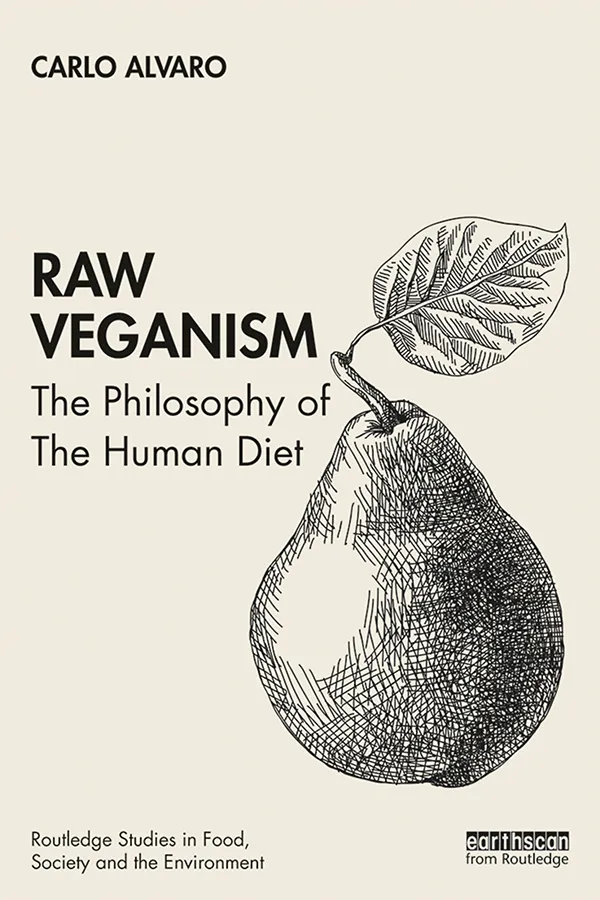
Raw Veganism: The philosophy of the human diet
This book takes a philosophical approach to the “raw vegan” diet. It discusses the ethics of eating animal products, including laboratory-grown meat, and further argues that cooking food encourages people to eat foods that are not healthy.
Read
Image
Books
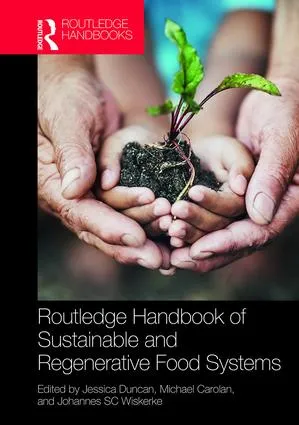
Handbook of sustainable & regenerative food systems
This book examines a variety of regenerative farming systems, including agroecology, indigenous food systems, small-scale fisheries, food sharing, coffee micro-mills, foraging and reuse of food waste.
Read
Image
Reports
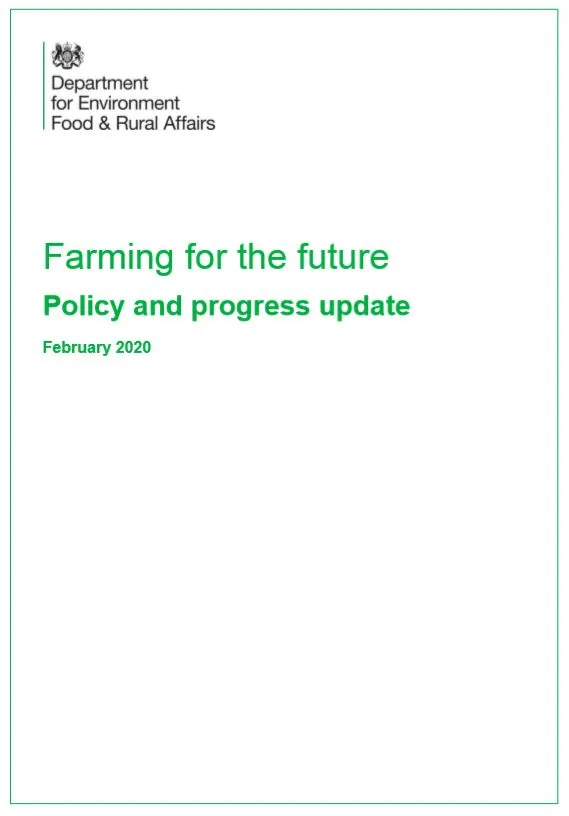
Policy statement: Food, farming and the environment in England
This policy update from the UK Government’s Department for Environment, Food & Rural Affairs sets out a timeline for planned agricultural policy changes for England over the next few years. Policies are likely to be shaped by the recommendations of the National Food Strategy review, to be released in winter 2020. This policy update discusses measures for protecting food security as the UK adjusts to leaving the European Union, and sets out the proposed Environmental Land Management scheme to replace the EU’s Common Agricultural Policy.
Read
Image
Reports
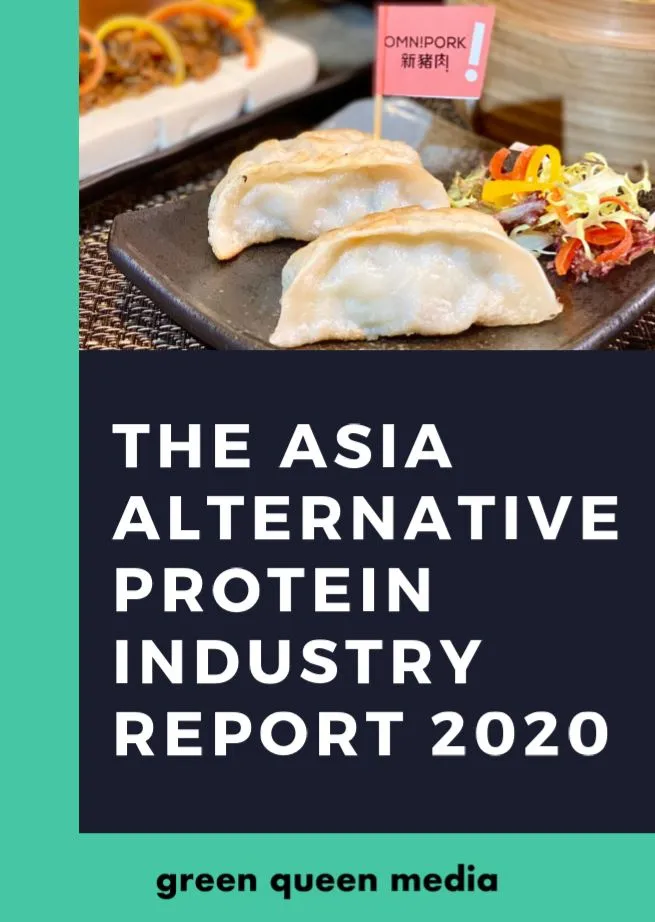
The Asia Alternative Protein Industry Report 2020
This report by Hong Kong media platform Green Queen gives an overview of alternative protein startups in Asia, in the categories of cultivated protein (e.g. laboratory-grown meat), modern processed plant-based products, and whole-food alternatives (such as jackfruit or lion’s mane mushrooms, which are sometimes used to mimic the texture of meat despite not having the same protein content). The authors argue that Asia’s alternative protein industry is likely to overtake US and European brands because of demand from Asia’s growing middle class, relatively low production costs and products that are tailored to local tastes.
Read
Image
Reports
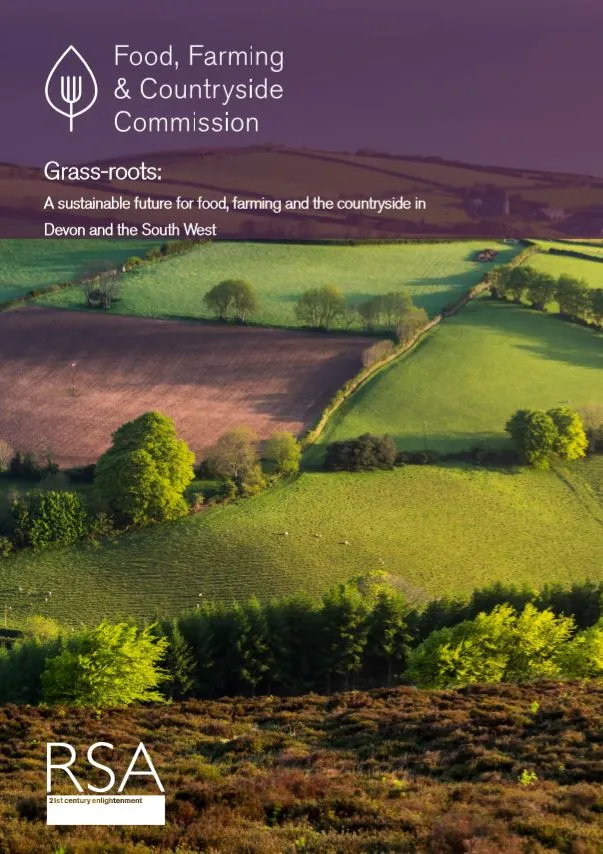
A sustainable future for food in Devon and the South West
This report from the UK’s RSA Food, Farming and Countryside Commission examines four key areas of Devon’s food system: grassland and livestock production, environment and biodiversity, health and thriving communities, and new entrants to farming.
Read
  • VIEW MORE

Sign up for Fodder, our monthly newsletter unpacking the future of food.

Tick below to opt-in to email communications.

You can change your mind at any time by clicking the unsubscribe link in the footer of any email you receive from us, or by contacting us at info@tabledebates.org.

We use Mailchimp as our marketing platform. By clicking below to subscribe, you acknowledge that your information will be transferred to Mailchimp for processing. Learn more about Mailchimp's privacy practices.
  • Glossary
  • About
  • Our Writing
  • Podcasts
  • Resources

Social

YouTube Facebook Instagram

© Copyright 2025

A collaboration between: