Close
Login Register
Search
  • About
    • What We Do
    • Who We Are
    • FAQs
  • Our Writing
    • Explainers
    • Essays
    • Letterbox
    • Reports & More
  • Podcasts
  • Our Events
  • Projects
    • Power In The Food Systems
    • Local-Global Scale Project
    • MEAT: The Four Futures Podcast
    • Fuel To Fork
    • Nature
    • Reckoning with Regeneration
    • SHIFT
    • Games at TABLE
    • Rethinking the Global Soy Dilemma
  • Resources
  • Opportunities
    • Jobs
    • Funding
    • Courses
    • Collaborations
    • Events
  • Newsletter
  • TABLE (EN)
Search
Back

TABLE

Image
News and resources
A pea and lentil renaissance?
This article from Civil Eats examines how the rise of both plant-based diets and regenerative agriculture practices have encouraged more farmers in the United States to grow pulses such as lentils, peas and chickpeas. As pulses become more popular with US consumers, a smaller fraction of the US pulse harvest is exported to other countries.
Read
Image
Books
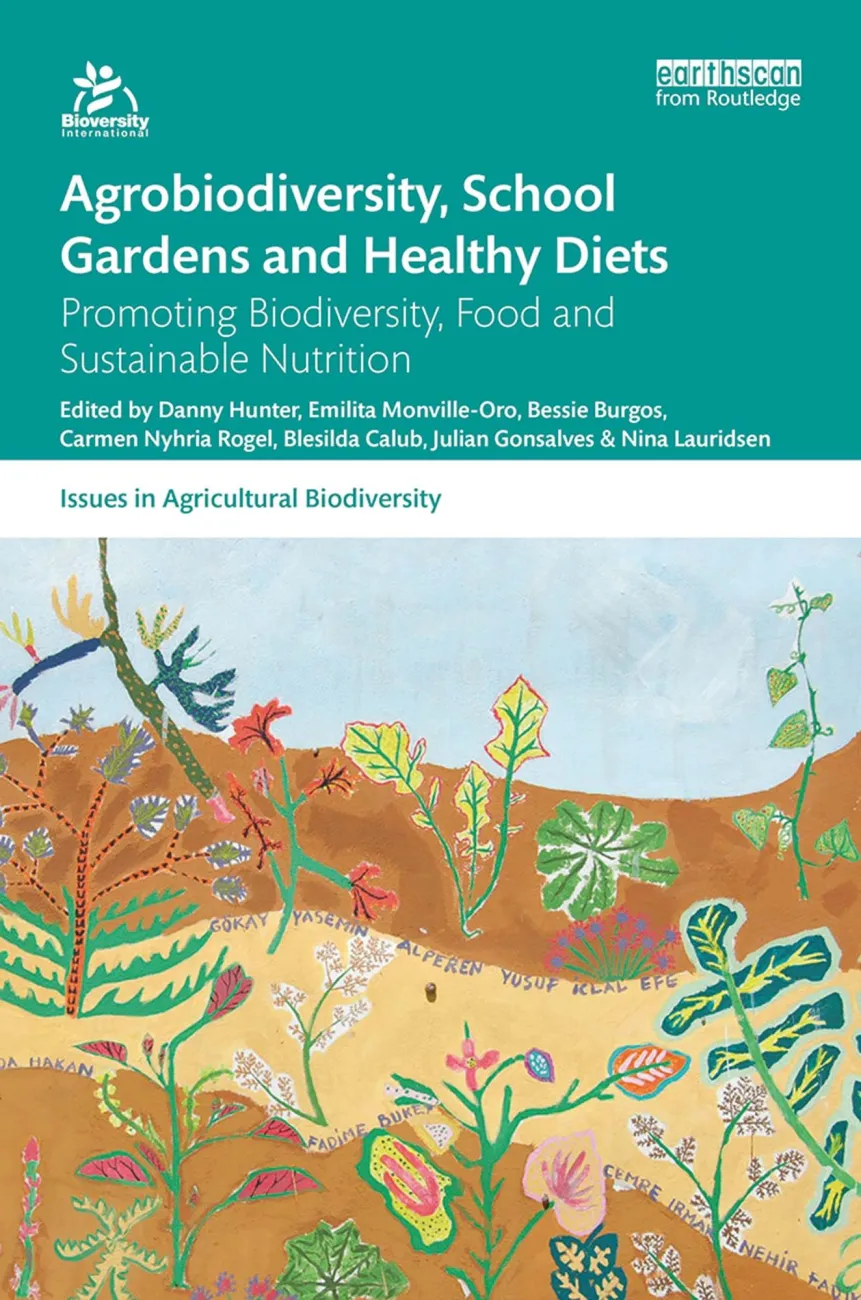
Agrobiodiversity, school gardens and healthy diets
This book examines the role of school gardens in addressing malnutrition among students and promoting healthy eating. It includes case studies in Nepal and the Philippines.
Read
Image
Books
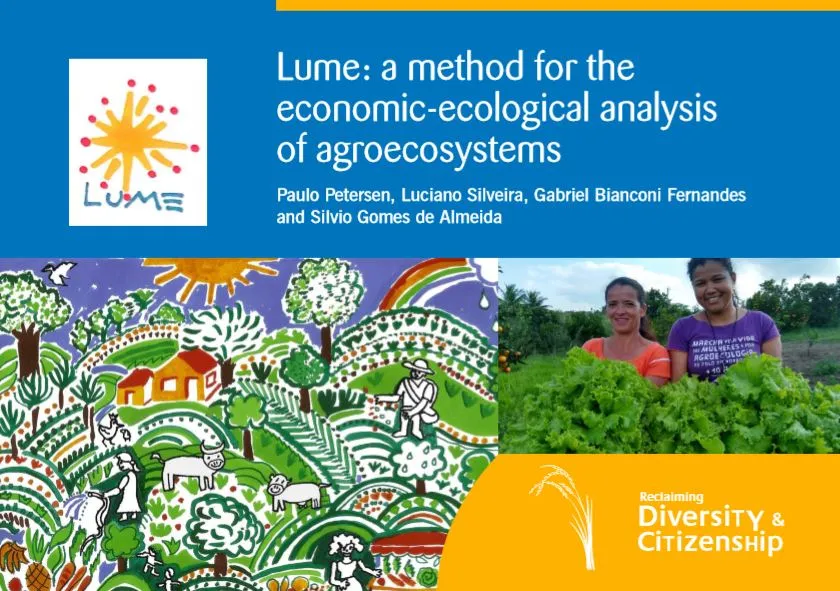
Lume: Economic-ecological analysis of agroecosystems
This book describes Lume, a method for analysing the economic and ecological impacts of agroecological farming systems. It includes a case study of family farms in a region of Brazil affected by droughts.
Read
Image
Reports
Afterres2050 scenario for the French food system
French non-profit Solagro has released an English version of this report, which presents the Afterres2050 scenario: a bottom-up assessment of the future of the French food system. The scenario was developed in consultation with farmers, foresters, nutritionists, community representatives, etc. as well as a multidisciplinary scientific council. 
Read
Image
Reports
REFRESH food waste research - project results
This report sets out the results of the European Union-funded REFRESH Project: Resource Efficient Food and dRink for the Entire Supply cHain. The project aimed to reduce food waste in the EU by developing an evidence base on consumer and business behaviour, assessing the environmental benefits of avoiding food waste, and designing technology to add value to food waste streams.
Read
Image
Reports
White paper: Cultivated Meat Modeling Consortium
The Cultivated Meat Modeling Consortium, an interdisciplinary group applying computing techniques to the cultivated meat sector, has released a white paper based on the Consortium’s first meeting. The paper sets out ways in which modelling might be able to optimise cultivated meat manufacturing, including assessing different bioreactor designs, designing experiments with different growth media, and generating databases of the characteristics of the cell types (e.g. animal species) that are most likely to be used in cultivated meat.
Read
Image
Reports
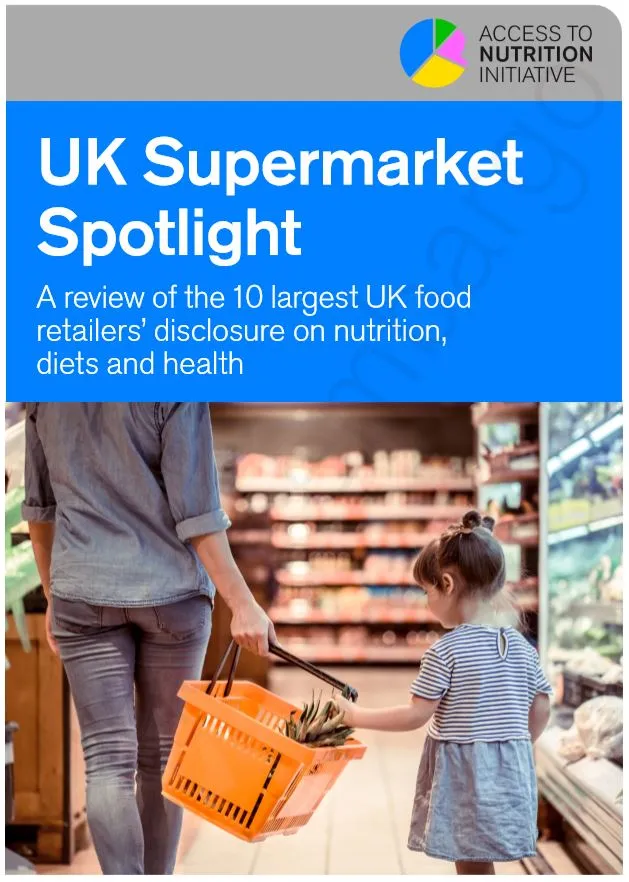
UK supermarket reporting on nutrition
This report from the Dutch non-profit Access to Nutrition Foundation and UK charity ShareAction analyses the extent to which the 10 largest supermarket chains are reporting their progress on diet, nutrition and health. It finds that current levels of disclosure are sparse and varied between stores, with no store reporting on more than 35% of the indicators assessed in this report. Sainsbury’s supermarket has the greatest extent of reporting.
Read
Image
Reports
Right to food and universal free school meals
This briefing from UK NGO Sustain argues that the UK government should extend universal free school meals beyond the first three years of primary school. After the first three years, only children whose families receive certain benefits qualify for free school meals. Currently, many children who live in poverty are not eligible to receive free school meals, e.g. because their families are not allowed to access public funds due to their immigration status or because of 2018 changes to the earnings threshold that determines eligibility.
Read
Image
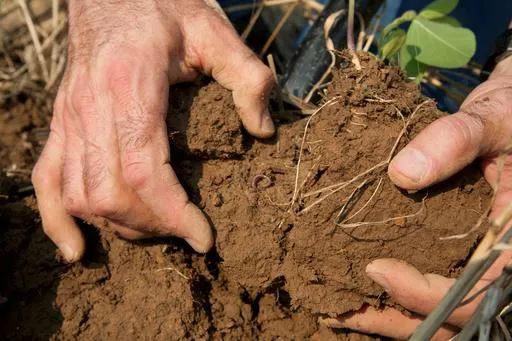
Image: USDA Natural Resources Conservation Service, An NRCS employee takes a soil sample on a farm that has incorporated many conservation practices to protect and enhance natural resources, Wikimedia Commons, Creative Commons Attribution-Share Alike 4.0 International
Journal articles
Do cover crops benefit the soil microbiome?
According to this meta-analysis of 60 studies, cover crops on agricultural land can increase soil microbial abundance, activity, and diversity relative to land left bare between crops, with the effect varying with climate and how the farm is managed (e.g. tilling). The paper does not discuss the extent to which this change in soil microbiome affects crop yields.
Read
  • VIEW MORE

Sign up for Fodder, our monthly newsletter unpacking the future of food.

Tick below to opt-in to email communications.

You can change your mind at any time by clicking the unsubscribe link in the footer of any email you receive from us, or by contacting us at info@tabledebates.org.

We use Mailchimp as our marketing platform. By clicking below to subscribe, you acknowledge that your information will be transferred to Mailchimp for processing. Learn more about Mailchimp's privacy practices.

  • Glossary
  • About
  • Our Writing
  • Podcasts
  • Resources

Social

YouTube Facebook Instagram

© Copyright 2025

A collaboration between: