Close
Login Register
Search
  • About
    • What We Do
    • Who We Are
    • FAQs
  • Our Writing
    • Explainers
    • Essays
    • Letterbox
    • Reports & More
  • Podcasts
  • Our Events
  • Projects
    • Power In The Food Systems
    • Local-Global Scale Project
    • MEAT: The Four Futures Podcast
    • Fuel To Fork
    • Nature
    • Reckoning with Regeneration
    • SHIFT
    • Games at TABLE
    • Rethinking the Global Soy Dilemma
  • Resources
  • Opportunities
    • Jobs
    • Funding
    • Courses
    • Collaborations
    • Events
  • Newsletter
  • TABLE (EN)
Search
Back

TABLE

Image
Reports
Citizen agency: a guiding principle for food research
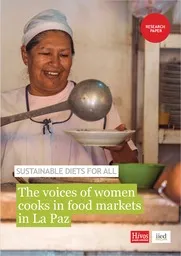
This paper from the UK think tank International Institute for Environment and Development (IIED) presents the results of research carried out together with women vendors in the dining areas of the Achumani and Obrajes markets in La Paz, Bolivia. The research is guided by the principle of “citizen agency” - involving non-scientists in the research process - which the paper argues is important for avoiding mismatches between public policy and local realities.
Read
Image
Reports
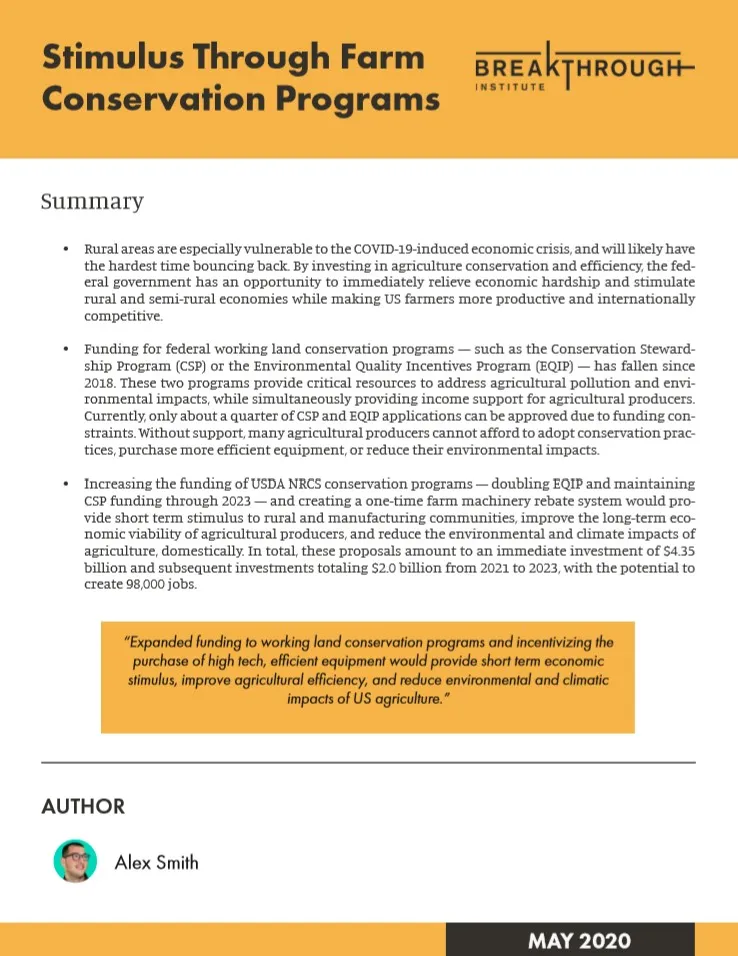
COVID-19 stimulus through farm conservation programmes
This policy briefing from US think tank The Breakthrough Institute lays out options for post-COVID-19 stimulus spending in the United States. It suggests funding farm conservation programmes that could improve farmer profitability, generate jobs, and improve environmental performance. It also proposes nationally scaling up farm machinery rebate systems, which exist in a few states, to encourage the purchase of efficient agricultural equipment.
Read
Image
Reports
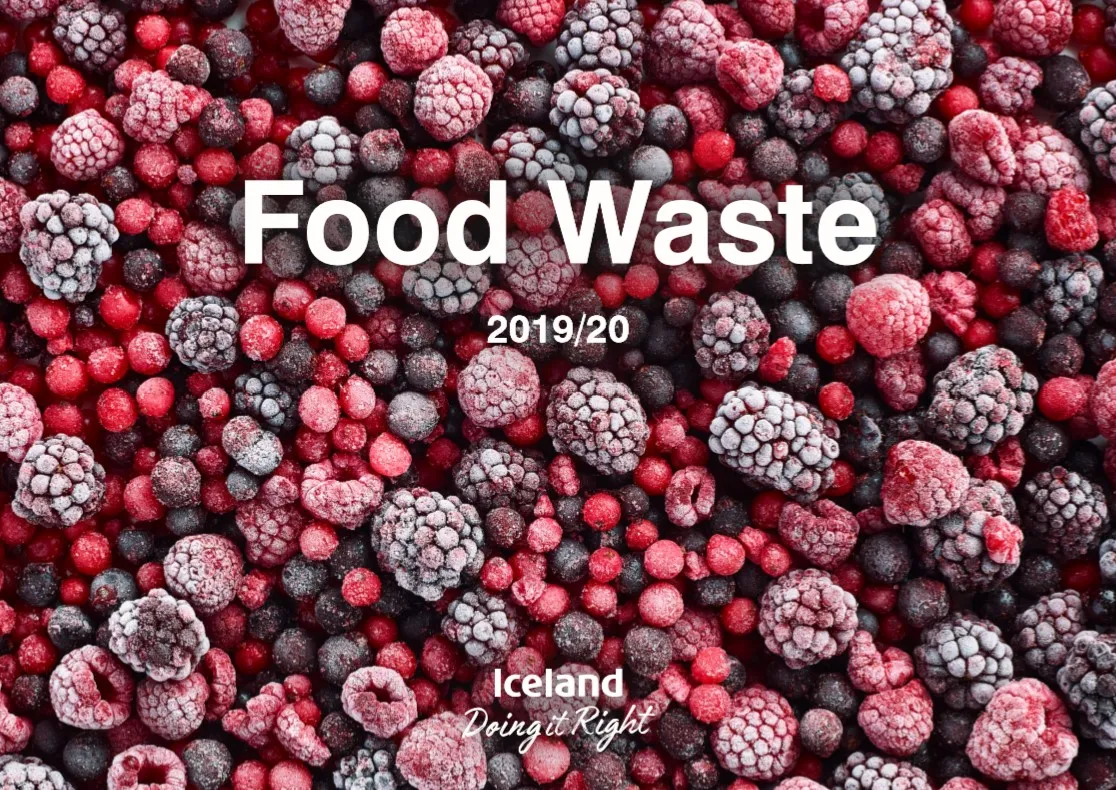
Iceland supermarket cuts food waste by 23%
UK supermarket Iceland has reduced its food waste by 23% over two years, according to this report. In 2019/2020, Iceland wasted food equivalent to 0.57% of sales. None of this waste went to landfill. The majority of food waste went to anaerobic digestion, with some surplus bread being converted to animal feed. Small amounts of surplus food were redistributed to people in need or used to brew beer.
Read
Image
Image: Orientierungslust, Palm oil, Pixabay, Pixabay licence
Journal articles
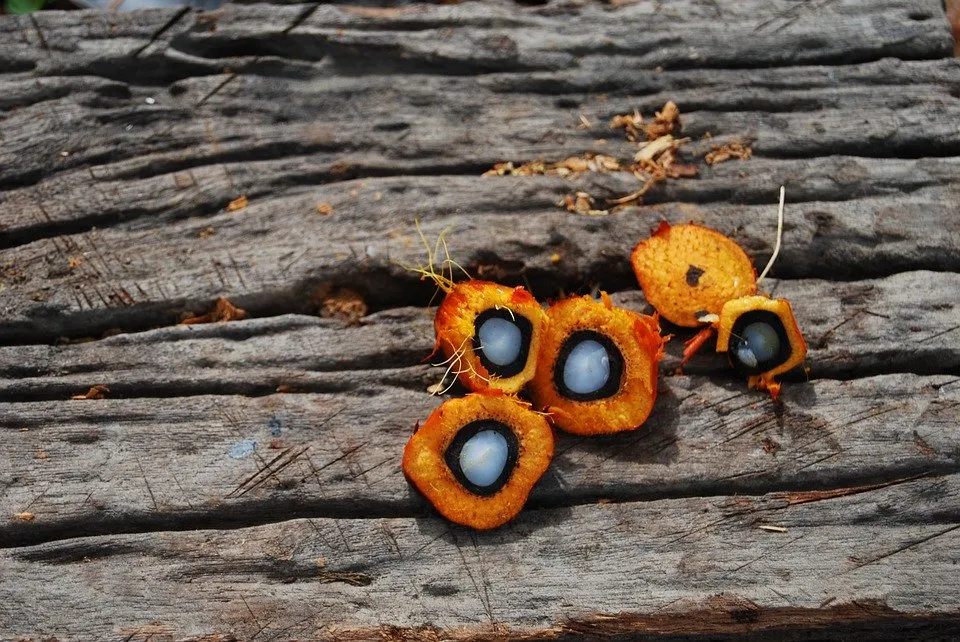
Consequences of the oil palm boom
This paper reviews the environmental, economic and social consequences of the oil palm boom. It finds that palm oil has increased incomes, generated employment and reduced poverty at the same time as causing deforestation and biodiversity loss. It discusses policy options to reduce the tradeoffs between environmental protection and economic benefits.
Read
Image
Image: fjord77, Fungus basket mushrooms, Pixabay, Pixabay licence
Journal articles
Eastern Europe as a source of food inspiration
FCRN member Bálint Balázs of the Environmental Social Science Research Group, Budapest, Hungary has co-authored this paper, which argues that Eastern European food practices have been overlooked or their importance downgraded in much of the contemporary academic literature. The paper uses three examples to illustrate how evidence from Eastern Europe is often represented by deploying the terminology and concepts developed in West European food scholarship.
Read
Image
Image: elementar01, Meat beef market, Pixabay, Pixabay licence
News and resources
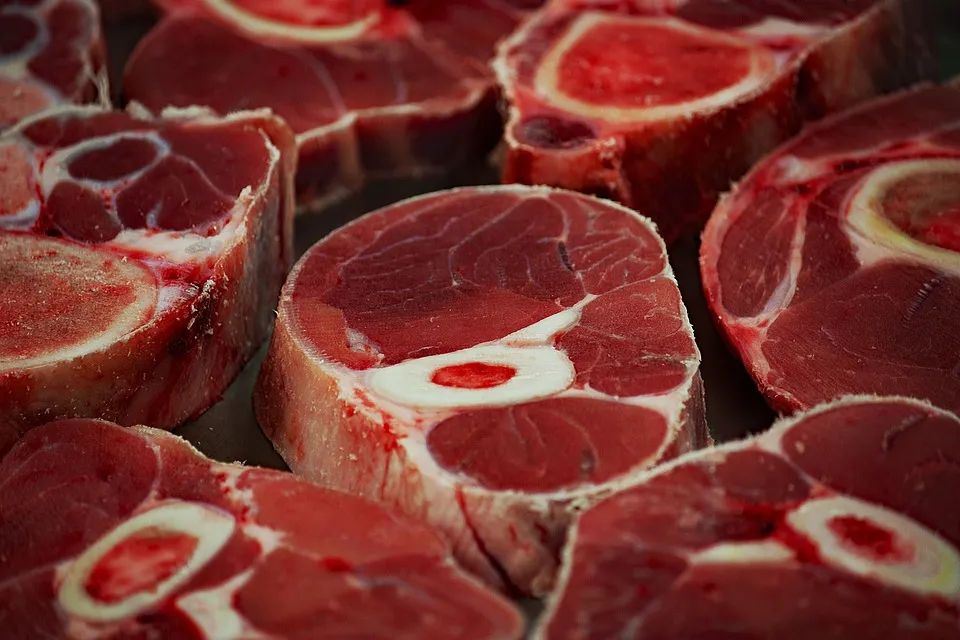
Meat plants around the world struggle with COVID-19
According to this article in the Guardian, slaughterhouses in several countries are being badly affected by COVID-19 outbreaks, with the US being particularly affected. The factors behind the outbreaks are thought to include crowded working conditions, a workforce who often live in shared houses, people working despite being ill because of economic insecurity, and the slaughterhouses not being shut down during the pandemic.
Read
Image
News and resources
Blog: COVID-19 - Building back better food systems
FCRN member Mark Driscoll has written this blog post, which argues that sustainable, healthy diets are key to building back better food systems after the COVID-19 pandemic. Driscoll points to three opportunities for rebuilding resilience in the food system: shorter supply chains and the decentralisation of food production; introducing more diversity of “visions, approaches, actors, crops, and culinary diversity” into the food system; and schemes that give citizens more agency over food systems.
Read
Image
News and resources
Chaos gardens are supplying food banks
According to this article by Civil Eats, some farmers in the Great Plains of the United States are sowing “chaos gardens” - fields of mixed fruit and vegetable plants such as peas, squash, radish, okra, melons and sweet corn - as cover crops between the soy and corn that are the dominant crops in the area. The produce is harvested by volunteers and donated to food banks or other community groups. 
Read
Image
News and resources
Blog: Ruminants and climate change
This blog post John Lynch of Oxford’s Livestock, Environment and People programme asks whether we can keep farming cows and sheep without dangerously warming the planet. He points out that it is possible to maintain stable temperatures without eliminating methane emissions entirely (in contrast to CO2 where emissions have to fall to net zero to tackle climate change). However, ruminant methane emissions are currently increasing. Furthermore, ruminants use a lot of land, some of which could be used for other purposes that might sequester more carbon.
Read
  • VIEW MORE

Sign up for Fodder, our monthly newsletter unpacking the future of food.

Tick below to opt-in to email communications.

You can change your mind at any time by clicking the unsubscribe link in the footer of any email you receive from us, or by contacting us at info@tabledebates.org.

We use Mailchimp as our marketing platform. By clicking below to subscribe, you acknowledge that your information will be transferred to Mailchimp for processing. Learn more about Mailchimp's privacy practices.
  • Glossary
  • About
  • Our Writing
  • Podcasts
  • Resources

Social

YouTube Facebook Instagram

© Copyright 2025

A collaboration between: