Close
Login Register
Search
  • About
    • What We Do
    • Who We Are
    • FAQs
  • Our Writing
    • Explainers
    • Essays
    • Letterbox
    • Reports & More
  • Podcasts
  • Our Events
  • Projects
    • Power In The Food Systems
    • Local-Global Scale Project
    • MEAT: The Four Futures Podcast
    • Fuel To Fork
    • Nature
    • Reckoning with Regeneration
    • SHIFT
    • Games at TABLE
    • Rethinking the Global Soy Dilemma
  • Resources
  • Opportunities
    • Jobs
    • Funding
    • Courses
    • Collaborations
    • Events
  • Newsletter
  • TABLE (EN)
Search
Back

John Lynch

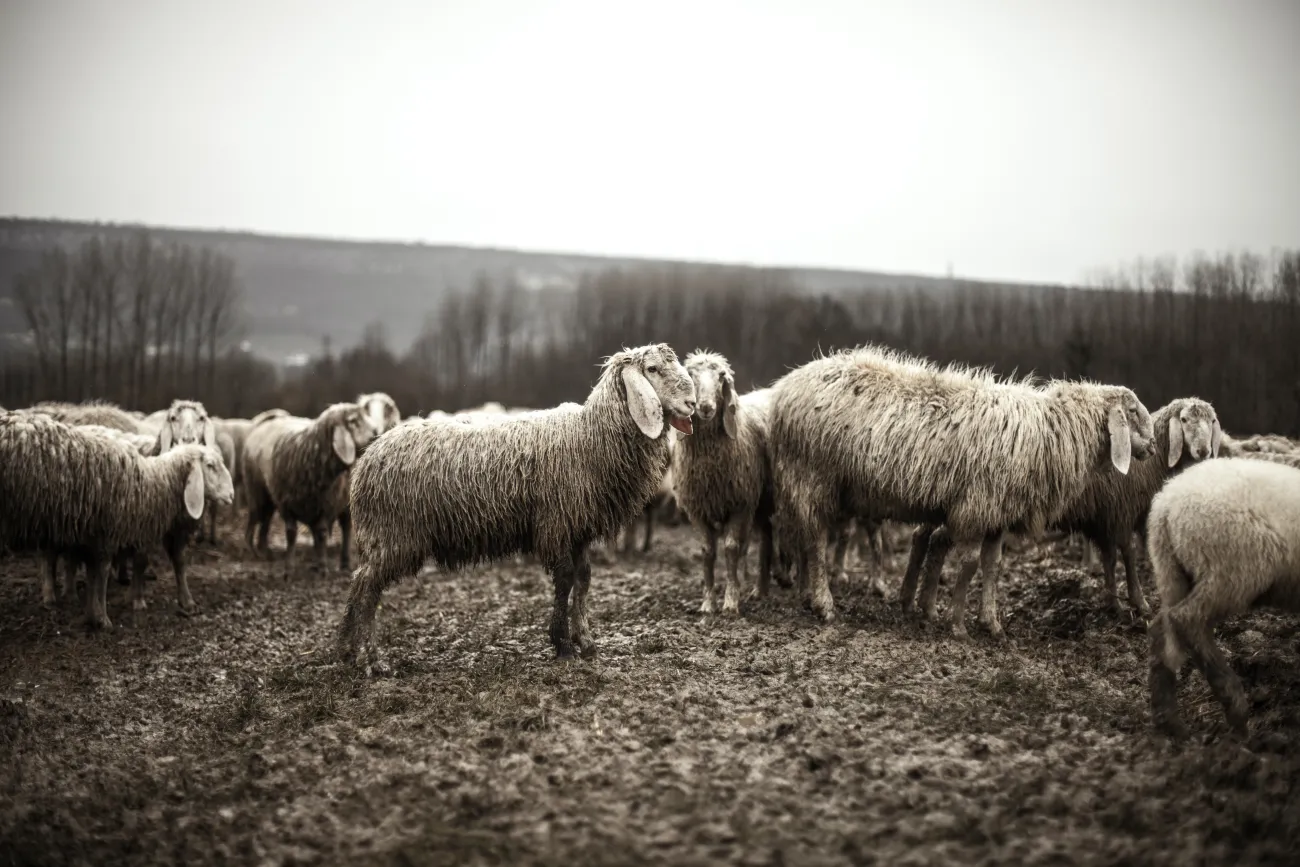
Image
Photo credits: Pexels - https://www.pexels.com/photo/black-and-white-animals-sheep-flock-1469/
Explainer
Methane and the sustainability of ruminant livestock
The environmental sustainability of our food production methods, and what kinds of agricultural systems might be compatible with keeping global warming below internationally agreed upon limits, are key topics for sustainable food systems research and policy. Since the food system is an important emitter of three different greenhouse gases; carbon dioxide, methane and nitrous oxide; greater clarity as to their warming impacts and their consequent contribution to climate change is needed. https://www.doi.org/10.56661/25320192
Read
Image
Photo credits: Pexels - https://www.pexels.com/photo/brown-yak-on-green-and-brown-grass-field-144234/
Explainer
Agricultural methane and its role as a greenhouse gas
There has recently been a lot of focus on methane, as it is an important contributor to climate change. The food system is one of the largest emitters of methane, and the gas is particularly associated with ruminant livestock (cattle, sheep and goats) and with rice production. Despite its significance as a greenhouse gas, there is also considerable confusion over how we should quantify the climate impacts of methane emissions. This is because there are important differences in how methane and carbon dioxide – the major human-generated greenhouse gas – affect the climate. This explainer provides an overview of the key points about methane, and addresses some common areas of confusion. Last update: 11 June, 2019 https://www.doi.org/10.56661/0f7f7b1e
Read

Sign up for Fodder, our monthly newsletter unpacking the future of food.

Tick below to opt-in to email communications.

You can change your mind at any time by clicking the unsubscribe link in the footer of any email you receive from us, or by contacting us at info@tabledebates.org.

We use Mailchimp as our marketing platform. By clicking below to subscribe, you acknowledge that your information will be transferred to Mailchimp for processing. Learn more about Mailchimp's privacy practices.
  • Glossary
  • About
  • Our Writing
  • Podcasts
  • Resources

Social

YouTube Facebook Instagram

© Copyright 2025

A collaboration between: