Close
Login Register
Search
  • About
    • What We Do
    • Who We Are
    • FAQs
  • Our Writing
    • Explainers
    • Essays
    • Letterbox
    • Reports & More
  • Podcasts
  • Our Events
  • Projects
    • Power In The Food Systems
    • Local-Global Scale Project
    • MEAT: The Four Futures Podcast
    • Fuel To Fork
    • Nature
    • Reckoning with Regeneration
    • SHIFT
    • Games at TABLE
    • Rethinking the Global Soy Dilemma
  • Resources
  • Opportunities
    • Jobs
    • Funding
    • Courses
    • Collaborations
    • Events
  • Newsletter
  • TABLE (EN)
Search
Back

Helen Breewood

Image
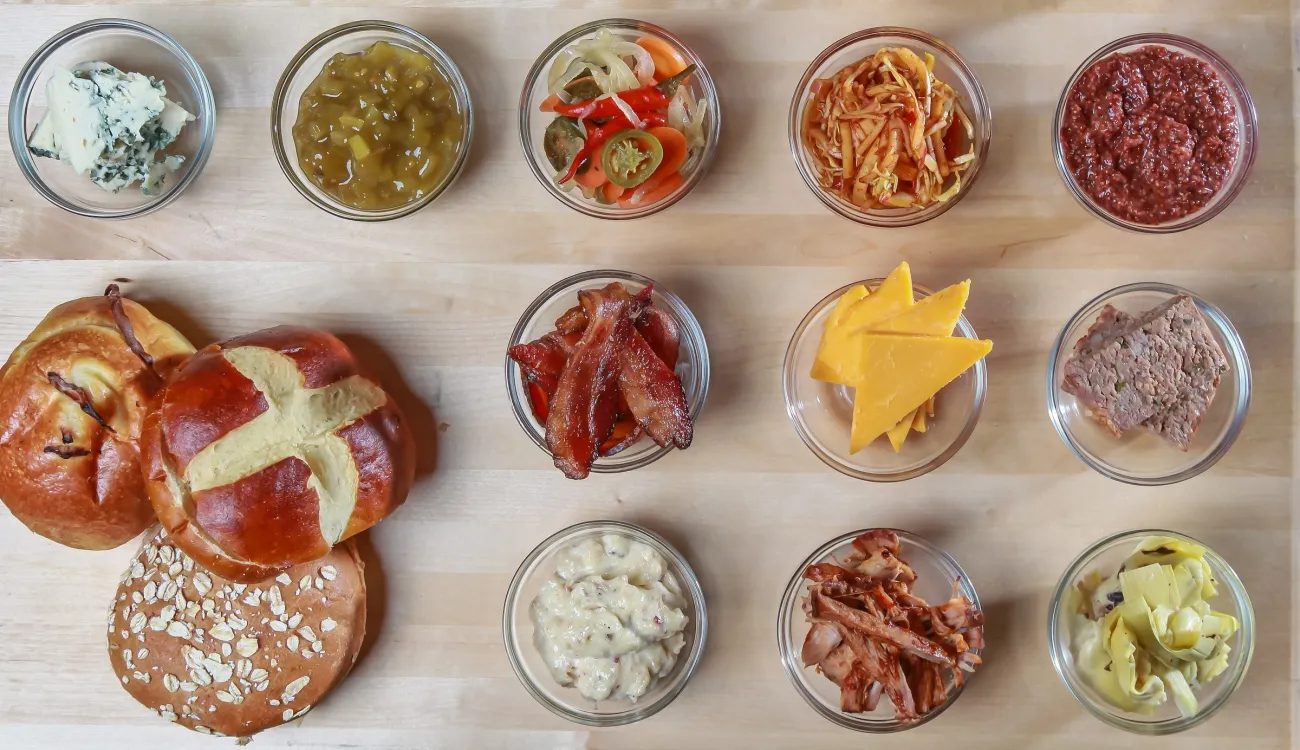
Charcuterie plate with mustards, cheeses, fruits, relishes, bacon, and breads. Tim Toomey via Unsplash.
Explainer
Meat, metrics and mindsets: Exploring debates on the role of livestock and alternatives in diets and farming
Should we eat meat, eggs, dairy and other animal-sourced foods? If so, how should we produce them and how much should we eat? If not, what should we eat instead? These are just some of the more contentious debates about the future of food systems.This Explainer summarises some of the key debates about livestock and its alternatives and describes both the arguments and the evidence underpinning different points of view. We look both at foodstuffs (meat, fish, plants and new foods based on cells grown in bioreactors) and farming methods (both intensive and extensive) with regards to discussions about their environmental, health and social impacts. In so doing, we explore the assumptions and values that often lead stakeholders to differing conclusions about what a sustainable food system looks like.https://doi.org/10.56661/2caf9b92 
Read
Image
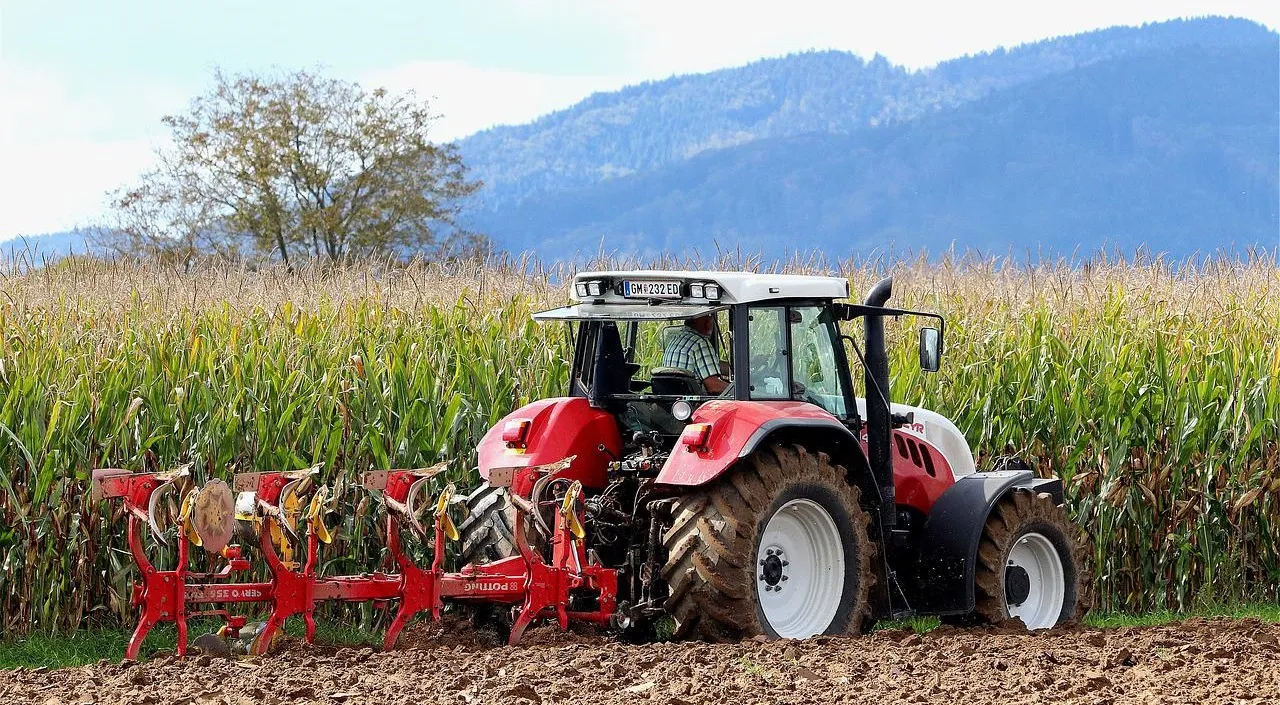
WFranz, Plow Tractor Arable Land, Pixabay, Pixabay Licence
Explainer
What is ecomodernism?
Ecomodernism is an environmental philosophy rooted in the belief that technological progress can allow humans to flourish while minimising our impacts on the environment, in particular by freeing up land for conservation by intensifying the production of food and other resources using technology. This explainer describes the values, goals, and practical solutions promoted by ecomodernists; what they would mean for land use and the food system; the history of the ideas that underlie ecomodernism; and the main contestations around the values and evidence underpinning ecomodernism. https://www.doi.org/10.56661/041dba86 A shorter written version of this summary is available here.
Read
Image
protein1
Publication
Livestock and protein controversies and uncertainties: perspectives from researchers and civil society
This report sets out the results of a project that aimed to identify research questions around livestock and protein that civil society deems to be of particular importance.
Read
Image
blog
Essay
Reflecting on livestock controversies: perspectives from civil society and researchers
This post is written by Helen Breewood, Research and Communications Officer at the FCRN. She also blogs about solving global sustainability issues at The Progress Motive. You can find her on Twitter.
Read
Image
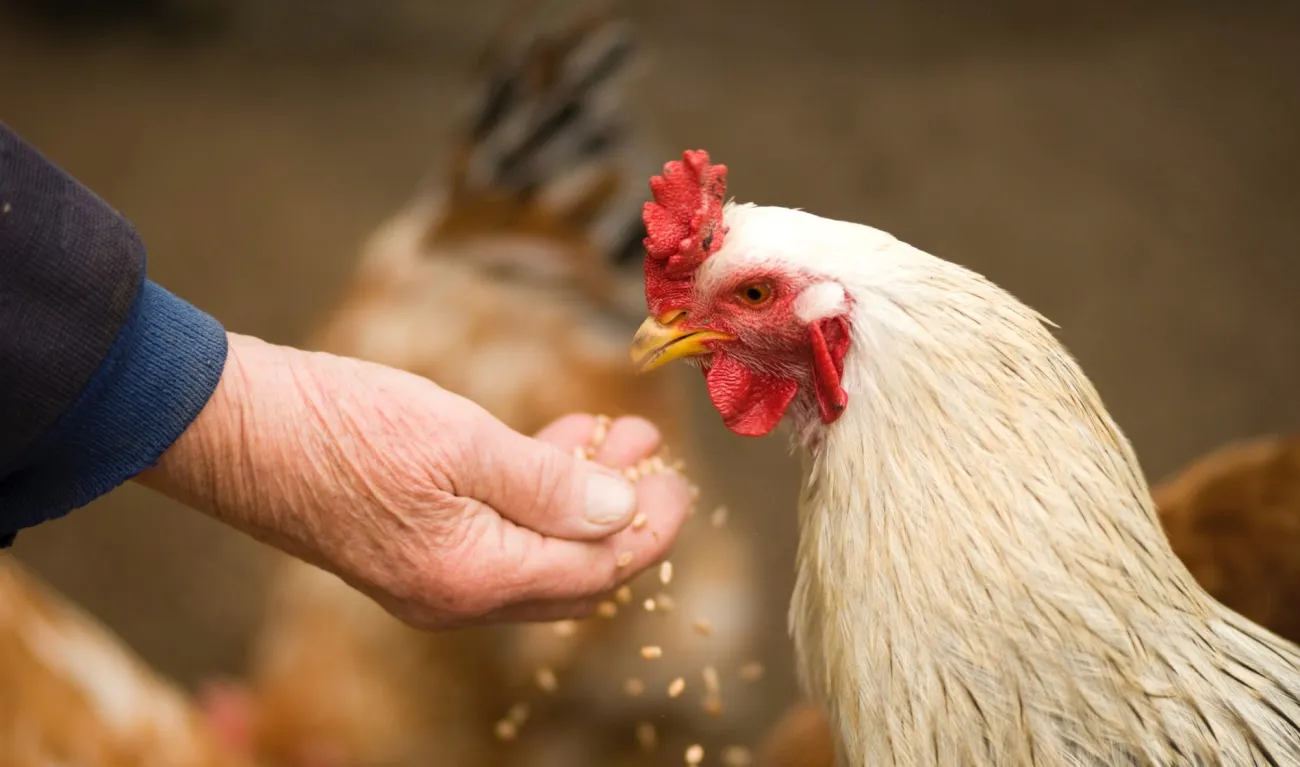
Image: VisionPic.net, Person feeding white chicken outdoor, Pexels, Pexels Licence
Explainer
What is feed-food competition?
This building block explores key statistics about competing uses for food system resources, focusing on the use of land, crops and wild fish for feeding humans or feeding livestock – a trade-off known as feed-food competition. It also outlines different ways in which people interpret these figures and sets out how these differing perspectives link to broader debates about what we should eat and how we should produce food, particularly concerning what role (if any) livestock should play in the global food system. https://www.doi.org/10.56661/dde79ca0 A shorter written version of this summary is available here.
Read
Image
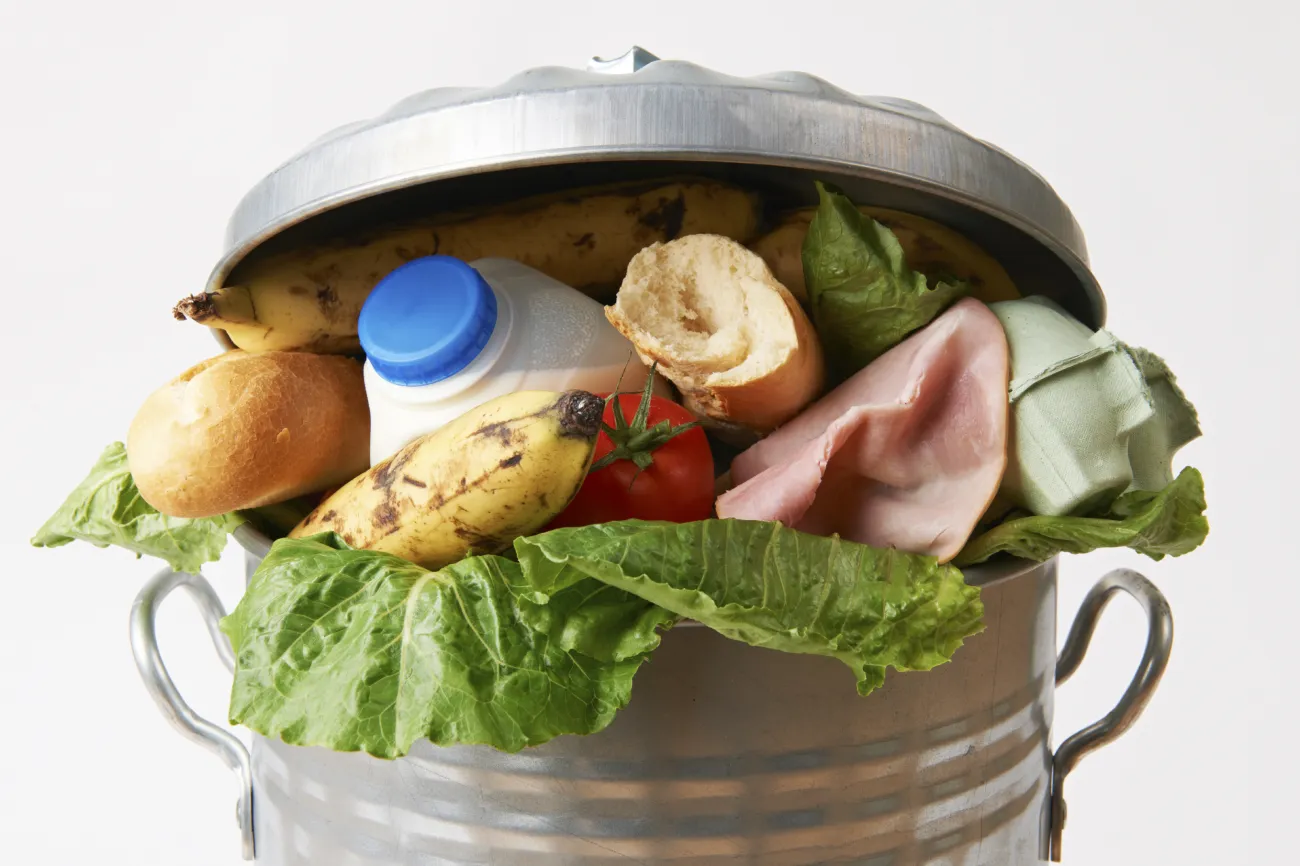
USDA, Fresh food in garbage can to illustrate waste, Flickr, Creative Commons Attribution 2.0 Generic
Explainer
What is food loss and food waste?
Around one third of the weight of food produced for human consumption is lost or wasted, and around a third of crop calories are lost to the food system during livestock production. Meanwhile, the global food system causes significant environmental impacts and around 800 million people are undernourished. This building block examines the following aspects of food loss and waste: mainstream definitions and alternative understandings, global statistics, and ‘hierarchies’ for prevention and treatment. Last update: 25 March, 2019 https://www.doi.org/10.56661/f98ed9f6
Read
Image
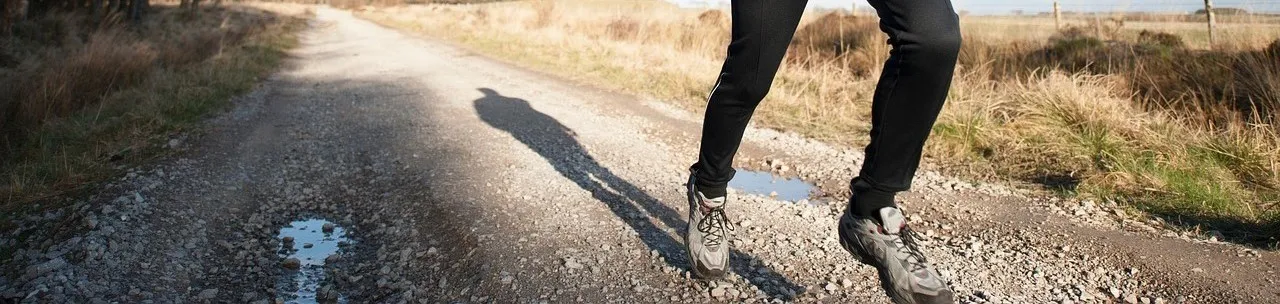
man exercising
Explainer
What is the nutrition transition?
Changes in diet and lifestyle can be caused by many factors and can, in turn, cause changes in health. This building block explains what the nutrition transition is and its implications for health and environmental sustainability. Last update: 12 October, 2018 https://www.doi.org/10.56661/39a7336f
Read
Image
jam and cream on tray
Explainer
What is malnutrition?
People need to be able to obtain and utilise a healthy amount and balance of nutrients. Without this, they can suffer severe impacts to their health and well-being. This building block explains malnutrition and its causes, prevalence and consequences. Last update: 18 June, 2018 https://www.doi.org/10.56661/6a0223ed
Read
Image
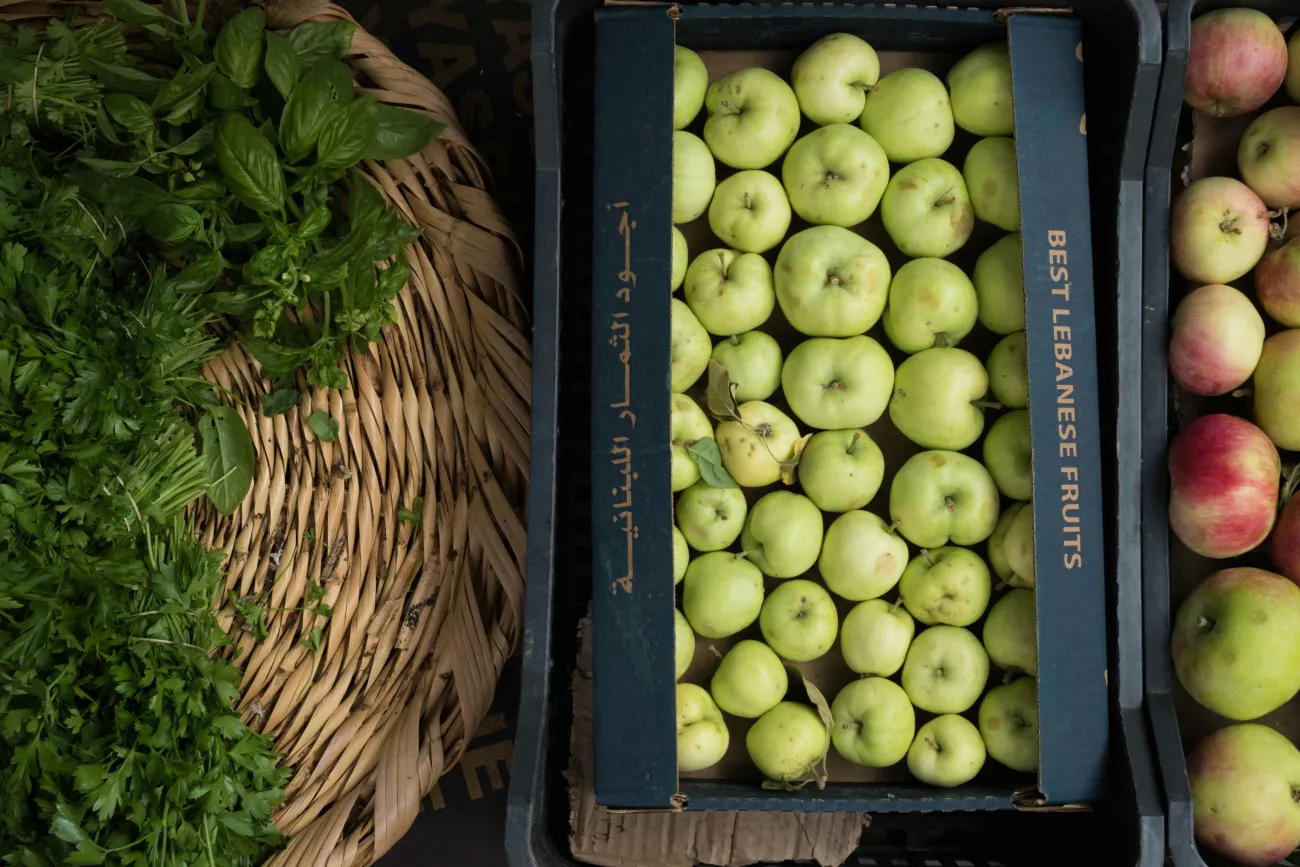
Baskets of apples and green leafy vegetables. Photo by Peter F via Unsplash.
Essay
Are modern plant-based diets and foods actually sustainable?
In this piece, Helen Breewood introduces the environmental impact nuances behind trending vegan and flexitarian consumption patterns. Helen wrote this post in her personal capacity. Note that the FCRN has no financial affiliation with any of the brands mentioned in this blog.Helen Breewood is a research assistant at the FCRN. She is also a freelance writer and blogs about solving global sustainability issues at The Progress Motive. You can find her on Twitter. 
Read

Sign up for Fodder, our monthly newsletter unpacking the future of food.

Tick below to opt-in to email communications.

You can change your mind at any time by clicking the unsubscribe link in the footer of any email you receive from us, or by contacting us at info@tabledebates.org.

We use Mailchimp as our marketing platform. By clicking below to subscribe, you acknowledge that your information will be transferred to Mailchimp for processing. Learn more about Mailchimp's privacy practices.
  • Glossary
  • About
  • Our Writing
  • Podcasts
  • Resources

Social

YouTube Facebook Instagram

© Copyright 2025

A collaboration between: