Image Resources Our extensive research library contains thousands of summaries of journal articles, reports and news stories that can be searched by keyword and category RESOURCES CATEGORY Books Briefing paper Event recording Featured articles Featured report Game Journal articles News and resources Reports Think piece Video Working paper Workshop summary Year 2026 2025 2024 2023 2022 2021 2020 2019 2018 2017 2016 2015 2014 2013 2012 2011 2010 2009 2008 2007 2002 2001 Image News and resources Infographic: How much soy is hidden in our meals? This infographic from international NGO WWF illustrates how much soy, in the form of animal feed, goes into producing animal products such as pork, cheese, salmon, yoghurt and eggs. It also explains the impacts of soy production on land use and ecosystem conversion. Read Image Books Through A Vet's Eyes: Choosing a Better Life for Animals This book, aimed at a non-specialist audience, discusses our relationships with animals, how they feel from the animals' perspectives and how we can improve them. It considers the future of humane, sustainable agriculture. Read Image Books Traditional Mexican Agriculture This book offers a holistic study of traditional Mexican agriculture, examining how it has changed according to environmental, climatic, geographical, social and cultural conditions. It sets out practices and knowledge that can inform sustainable agroecological systems. Read Image Reports UNFSS Member State Dialogues Synthesis Report 4 This report summarises the work of National Convenors of Food Systems Summit Dialogues in the period following the United Nations Food Systems Summit held in September 2021, with a focus on how “national pathways” are being used to guide national and regional food systems transformations. It argues that there is an urgent need for financing long-term food systems transformations. Read Image Reports Red Tractor standards are failing to drive pesticide reduction This report by the Nature Friendly Farming Network, Pesticide Action Network UK and RSPB finds that the UK’s “Red Tractor” food standards label fails to support farmers in reducing pesticide use. It also reports a gap in perceptions of the Red Tractor label between retailers and consumers: retailers see the label as only a guarantee that farmers adhere to national pesticide regulations, while consumers are under the impression that the label indicates more sustainable production practices. The report includes excerpts of a response from Red Tractor. Read Image Reports UK’s biggest supermarkets are heavily promoting cheap meat UK NGO Eating Better reports that the UK’s four biggest supermarkets (Tesco, Sainsbury’s, Asda and Morrisons) are using promotions such as multi-buy or price reduction to encourage meat sales. The report argues that this contradicts the climate commitments made by supermarkets. Read Image Reports Food Systems in Nationally Determined Contributions This report from the Global Alliance for the Future of Food presents 14 case studies of countries that have incorporated food systems into their nationally determined contributions (NDCs) towards meeting the climate goals of the Paris Agreement. It finds that most of the 14 countries have focused their climate efforts on food production as opposed to other parts of the food system such as diet, waste, processing and transport. Many of the assessed NDCs emphasise agroecology and regenerative agriculture as well as ecosystem protection. While many NDCs discuss food systems resilience in the face of climate change, few have put concrete adaptation measures in place. Read Image Journal articles Governing global antimicrobial resistance This paper identifies six key elements of the Paris Climate Agreement and discusses how they could be applied to the challenge of tackling antimicrobial resistance (AMR) at the global level. The elements are: a collective global goal; a focus on social and economic transformation; nationally determined contributions that become more ambitious over time; an annual multi-stakeholder forum; global scientific stock-taking every five years; and an international legal framework. Most of these elements are not yet in place in relation to AMR. Read Image Journal articles Health risks of ingested micro- and nanoplastics This paper reviews current knowledge on the health consequences of ingested micro- and nanoplastics (MNPs). Studies have shown that MNPs can be ingested through seafood, sea salt, drinking water, possibly fruit, vegetables and rice, and even airborne particles. One estimate suggests that each person consumes an average of 5 grams of plastic in the form of MNPs each week, although other studies suggest only a fraction of ingested plastic is actually absorbed into the body. Read VIEW MORE
Image News and resources Infographic: How much soy is hidden in our meals? This infographic from international NGO WWF illustrates how much soy, in the form of animal feed, goes into producing animal products such as pork, cheese, salmon, yoghurt and eggs. It also explains the impacts of soy production on land use and ecosystem conversion. Read
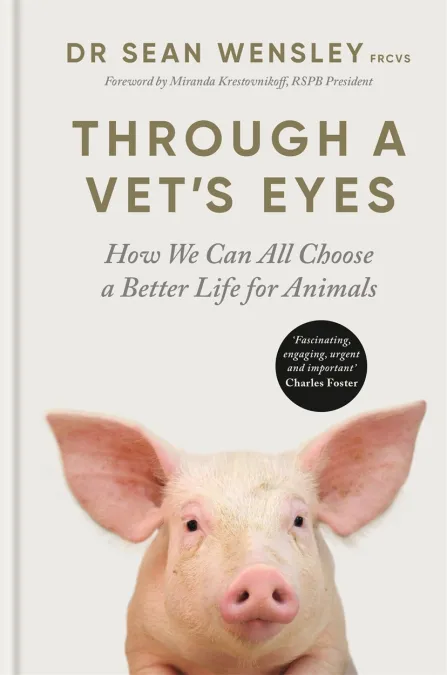
Image Books Through A Vet's Eyes: Choosing a Better Life for Animals This book, aimed at a non-specialist audience, discusses our relationships with animals, how they feel from the animals' perspectives and how we can improve them. It considers the future of humane, sustainable agriculture. Read
Image Books Traditional Mexican Agriculture This book offers a holistic study of traditional Mexican agriculture, examining how it has changed according to environmental, climatic, geographical, social and cultural conditions. It sets out practices and knowledge that can inform sustainable agroecological systems. Read
Image Reports UNFSS Member State Dialogues Synthesis Report 4 This report summarises the work of National Convenors of Food Systems Summit Dialogues in the period following the United Nations Food Systems Summit held in September 2021, with a focus on how “national pathways” are being used to guide national and regional food systems transformations. It argues that there is an urgent need for financing long-term food systems transformations. Read
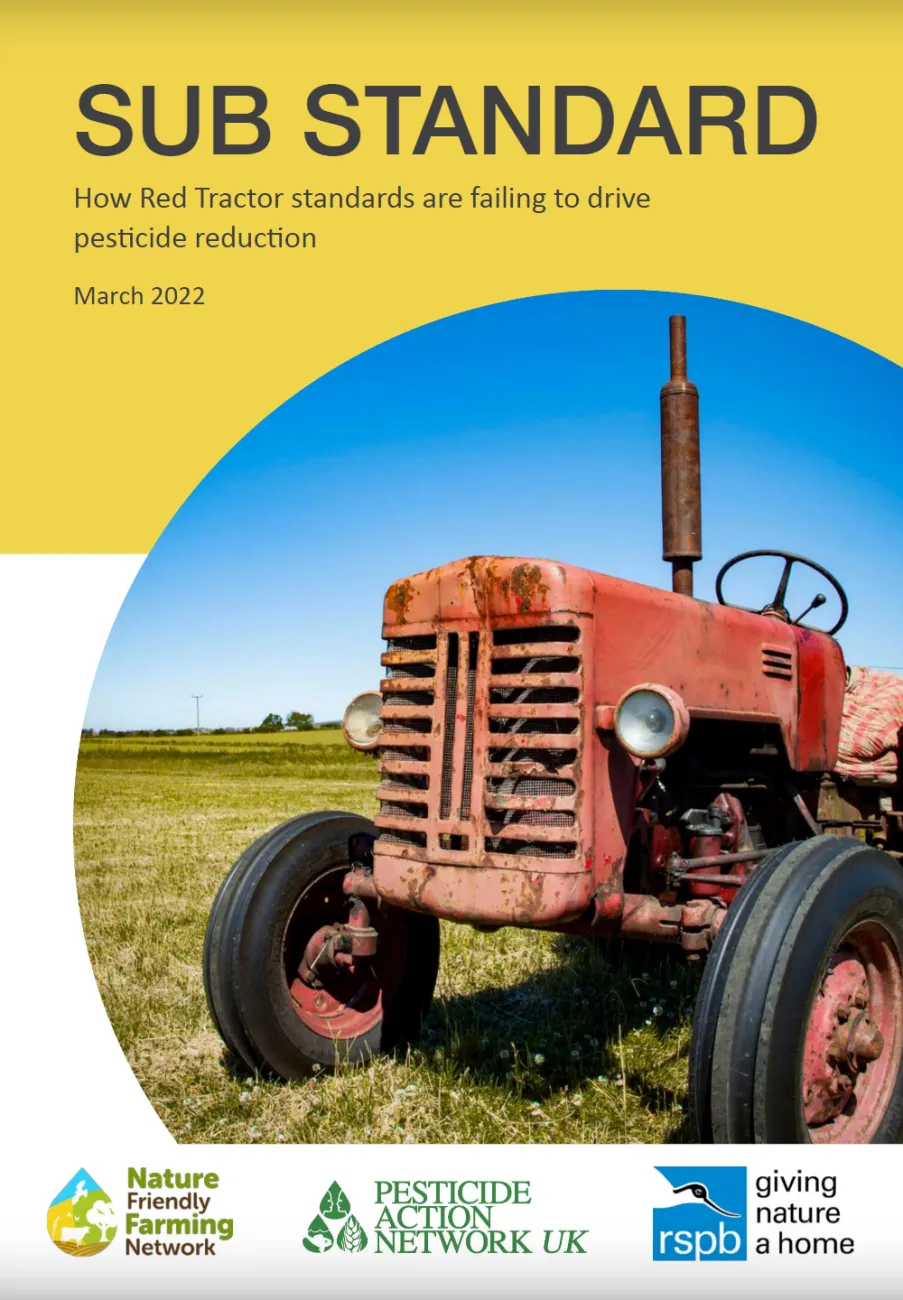
Image Reports Red Tractor standards are failing to drive pesticide reduction This report by the Nature Friendly Farming Network, Pesticide Action Network UK and RSPB finds that the UK’s “Red Tractor” food standards label fails to support farmers in reducing pesticide use. It also reports a gap in perceptions of the Red Tractor label between retailers and consumers: retailers see the label as only a guarantee that farmers adhere to national pesticide regulations, while consumers are under the impression that the label indicates more sustainable production practices. The report includes excerpts of a response from Red Tractor. Read
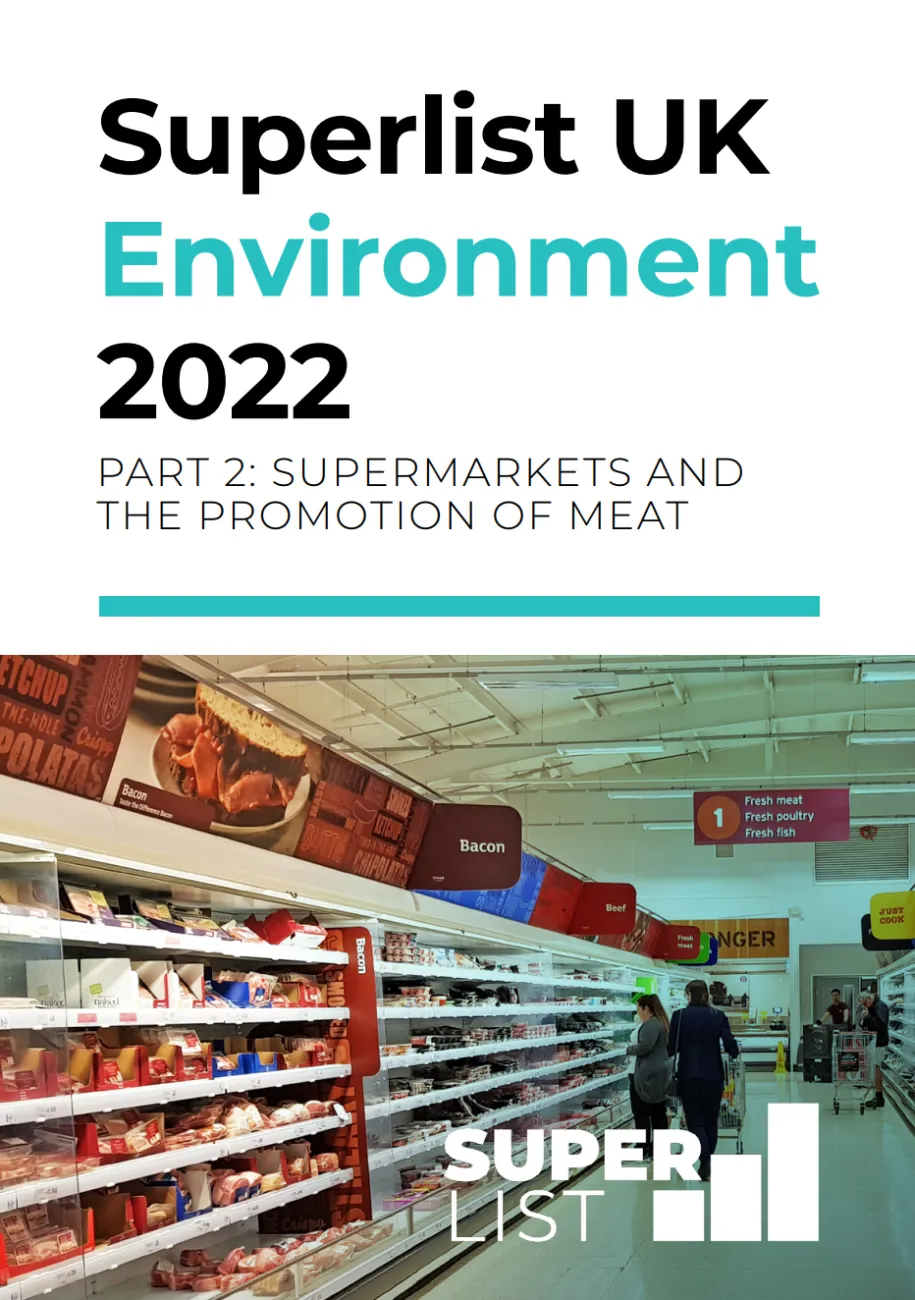
Image Reports UK’s biggest supermarkets are heavily promoting cheap meat UK NGO Eating Better reports that the UK’s four biggest supermarkets (Tesco, Sainsbury’s, Asda and Morrisons) are using promotions such as multi-buy or price reduction to encourage meat sales. The report argues that this contradicts the climate commitments made by supermarkets. Read
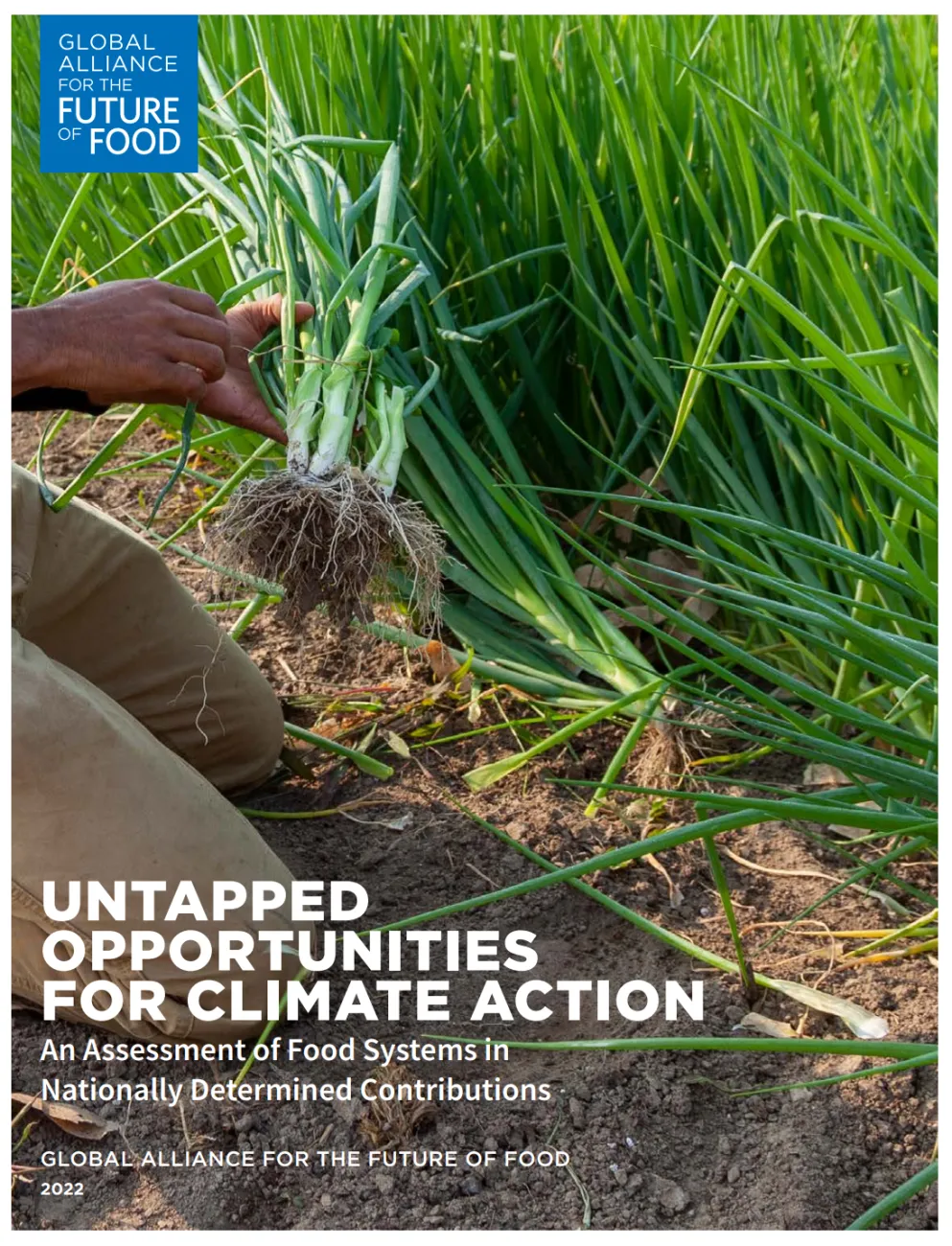
Image Reports Food Systems in Nationally Determined Contributions This report from the Global Alliance for the Future of Food presents 14 case studies of countries that have incorporated food systems into their nationally determined contributions (NDCs) towards meeting the climate goals of the Paris Agreement. It finds that most of the 14 countries have focused their climate efforts on food production as opposed to other parts of the food system such as diet, waste, processing and transport. Many of the assessed NDCs emphasise agroecology and regenerative agriculture as well as ecosystem protection. While many NDCs discuss food systems resilience in the face of climate change, few have put concrete adaptation measures in place. Read
Image Journal articles Governing global antimicrobial resistance This paper identifies six key elements of the Paris Climate Agreement and discusses how they could be applied to the challenge of tackling antimicrobial resistance (AMR) at the global level. The elements are: a collective global goal; a focus on social and economic transformation; nationally determined contributions that become more ambitious over time; an annual multi-stakeholder forum; global scientific stock-taking every five years; and an international legal framework. Most of these elements are not yet in place in relation to AMR. Read
Image Journal articles Health risks of ingested micro- and nanoplastics This paper reviews current knowledge on the health consequences of ingested micro- and nanoplastics (MNPs). Studies have shown that MNPs can be ingested through seafood, sea salt, drinking water, possibly fruit, vegetables and rice, and even airborne particles. One estimate suggests that each person consumes an average of 5 grams of plastic in the form of MNPs each week, although other studies suggest only a fraction of ingested plastic is actually absorbed into the body. Read