Image Resources Our extensive research library contains thousands of summaries of journal articles, reports and news stories that can be searched by keyword and category RESOURCES CATEGORY Books Briefing paper Event recording Featured articles Featured report Game Journal articles News and resources Reports Think piece Video Working paper Workshop summary Year 2026 2025 2024 2023 2022 2021 2020 2019 2018 2017 2016 2015 2014 2013 2012 2011 2010 2009 2008 2007 2002 2001 Image Books The Seed Detective This book explores the stories of local and heritage varieties of vegetables such as peas, fava beans, asparagus, squash and sweetcorn, looking at how they relate to the history of globalisation, politics and colonisation in the global food system. Read Image Reports Food systems insights for health professionals This report from the Global Alliance for the Future of Food describes ten case studies from across the globe of food initiatives that promote human, animal and ecological health, ranging from Thai government policy on reducing antimicrobial resistance to a land and food-based approach to Indigenous healthcare in Canada and an organic fruit and vegetable distributor in the Netherlands. It is aimed at healthcare and public health professionals. Read Image Reports Meat protein alternatives: Opportunities and challenges This report from the OECD Trade and Agriculture Directorate assesses the opportunities and challenges of three alternatives to meat: plant-based (marketed as nearly equivalent to meat), insects and cultured meat. Its modelling results suggest that a shift from meat towards meat alternatives in high and upper middle income countries could lower global land use and greenhouse gas emissions from agriculture and land use; it would also lower global prices of meats, soybeans and cereals, producing benefits for consumers but putting economic pressure on farmers. Read Image Reports The Broken Plate 2022: the state of the UK’s food system This report by The Food Foundation sets out the state of the UK’s food system, covering the areas of food affordability, availability and appeal. Headline findings include: the poorest fifth of households would need to spend 47% of their disposable income to afford the Government’s recommended healthy diet, compared to 11% for the richest fifth; a greater proportion (22%) of workers in the food system earn minimum wage or less, compared to 8% across the whole UK; healthier foods are nearly three times more expensive per calorie than less healthy foods; and plant-based milks are on average 60% more expensive than dairy milk. Read Image Reports Krill fishing is harming Antarctic ecosystems This report from the UK Changing Markets Foundation investigates the impacts of krill fishing in the Antarctic. Krill - tiny crustaceans that are near the base of many marine food chains - are caught for use in omega-3 dietary supplements and as feed for aquaculture. In light of krill fish’s impacts on fragile ecosystems, the report calls for an immediate moratorium on krill fishing; for retailers to phase out the use of wild-caught fish, including krill, for aquaculture; for retailers to stop selling krill dietary supplements; and for consumers to stop using krill supplements and to demand krill-free seafood. Read Image Reports India-UK trade deal threatens pesticide standards and farming A free trade agreement currently being negotiated between the UK and India could weaken pesticide standards in the UK and could also place UK farmers under pressure from cheaper imports, according to this report from Pesticide Action Network UK, Sustain Alliance and trade expert Dr Emily Lydgate. Read Image Journal articles Sugar taxation for climate and sustainability goals This paper sets out the case for a sugar tax, arguing that it can achieve both health and climate goals. It analyses the greenhouse gas savings of three different approaches that could follow a 75.5% reduction in sugar consumption in the European Union (to align with World Health Organisation guidelines): afforesting excess EU sugar beet farmland; using excess sugar beet grown in the EU for biofuel; and the EU exporting sugar from its own sugar beet production, thus displacing Brazilian sugar consumption on the global market, and importing an equivalent amount of sugar cane ethanol from Brazil to use as biofuel. Read Image Journal articles Agroecology and healthy diets can help meet EU food targets This paper, co-authored by TABLE research director Elin Röös, sets out five storylines for the development of agroecology in the European Union and models the impacts of each scenario on progress towards several established or proposed policy targets. It finds that significant dietary change and waste reduction are necessary if agroecological farming is to contribute to meeting the policy goals. Read Image Journal articles Environmental and nutritional scores of 57,000 food products This paper estimates the environmental impacts (across four impact categories) of over 57,000 food products (found in the UK and Ireland) composed of multiple ingredients, filling a knowledge gap since previous analyses (such as Poore and Nemecek) compare only single foods. It also examines the relationship between the environmental impacts and nutritional characteristics of the products, concluding that more nutritious products are often (but not always) more sustainable as well. The study is co-authored by several members of Oxford’s Livestock, Environment and People (LEAP) programme. Read VIEW MORE
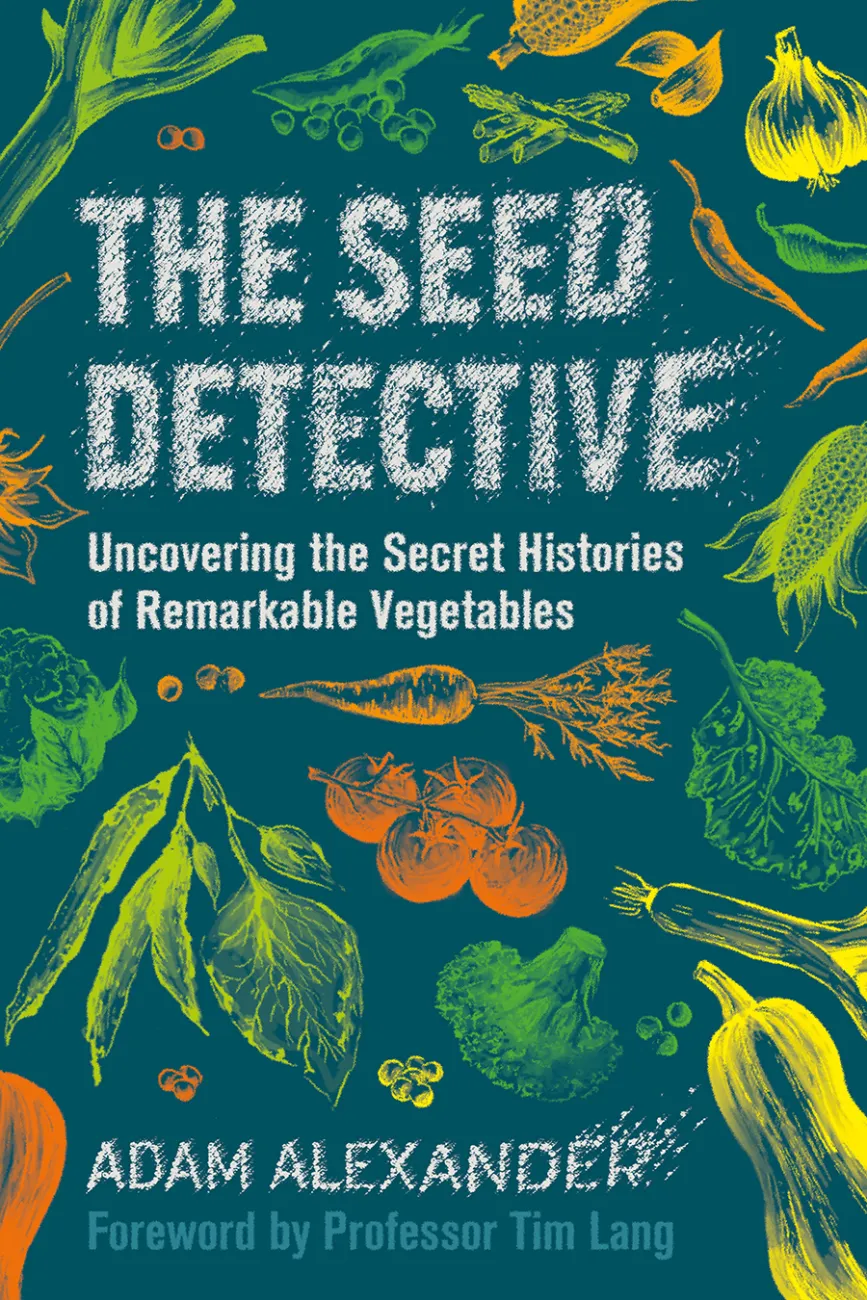
Image Books The Seed Detective This book explores the stories of local and heritage varieties of vegetables such as peas, fava beans, asparagus, squash and sweetcorn, looking at how they relate to the history of globalisation, politics and colonisation in the global food system. Read
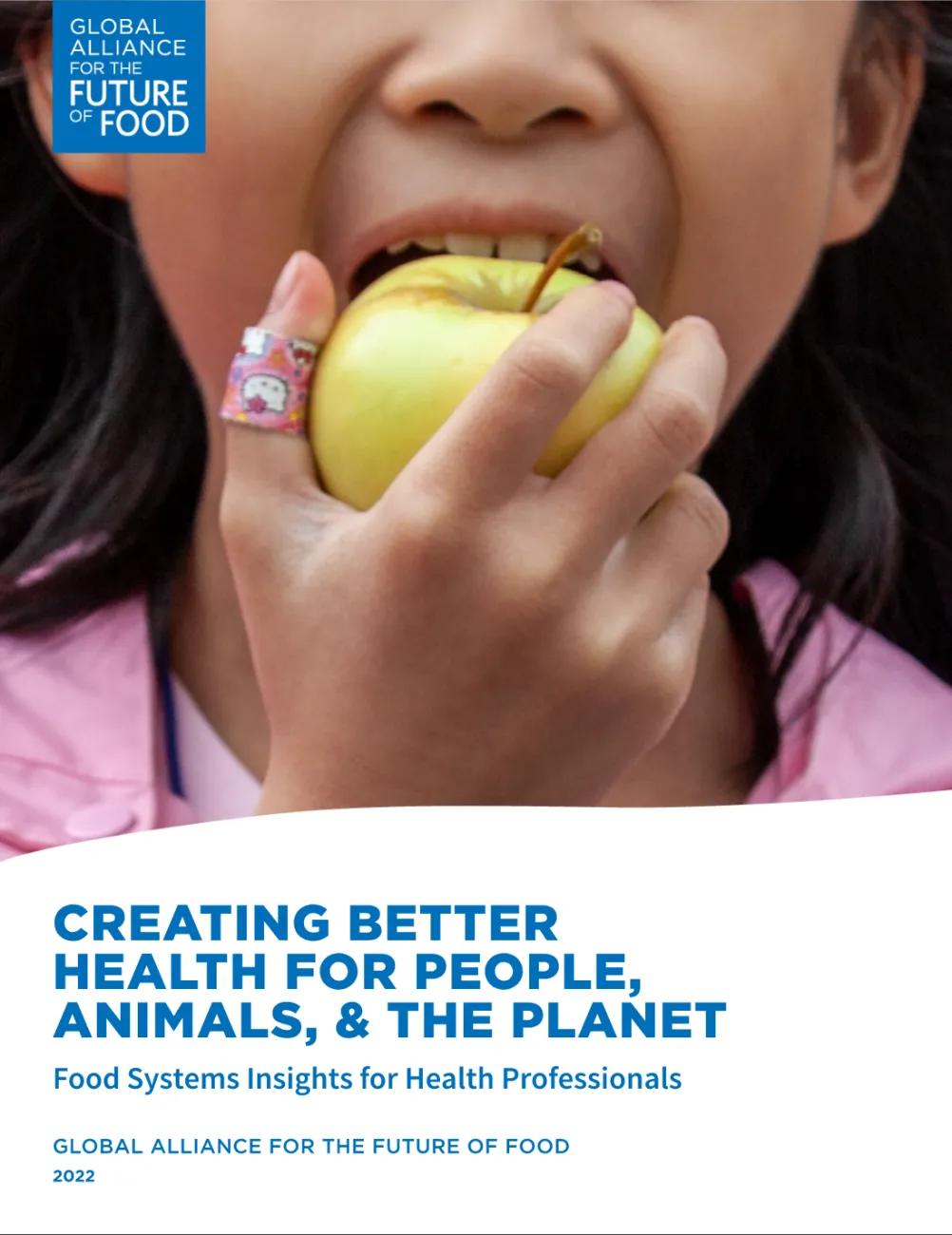
Image Reports Food systems insights for health professionals This report from the Global Alliance for the Future of Food describes ten case studies from across the globe of food initiatives that promote human, animal and ecological health, ranging from Thai government policy on reducing antimicrobial resistance to a land and food-based approach to Indigenous healthcare in Canada and an organic fruit and vegetable distributor in the Netherlands. It is aimed at healthcare and public health professionals. Read
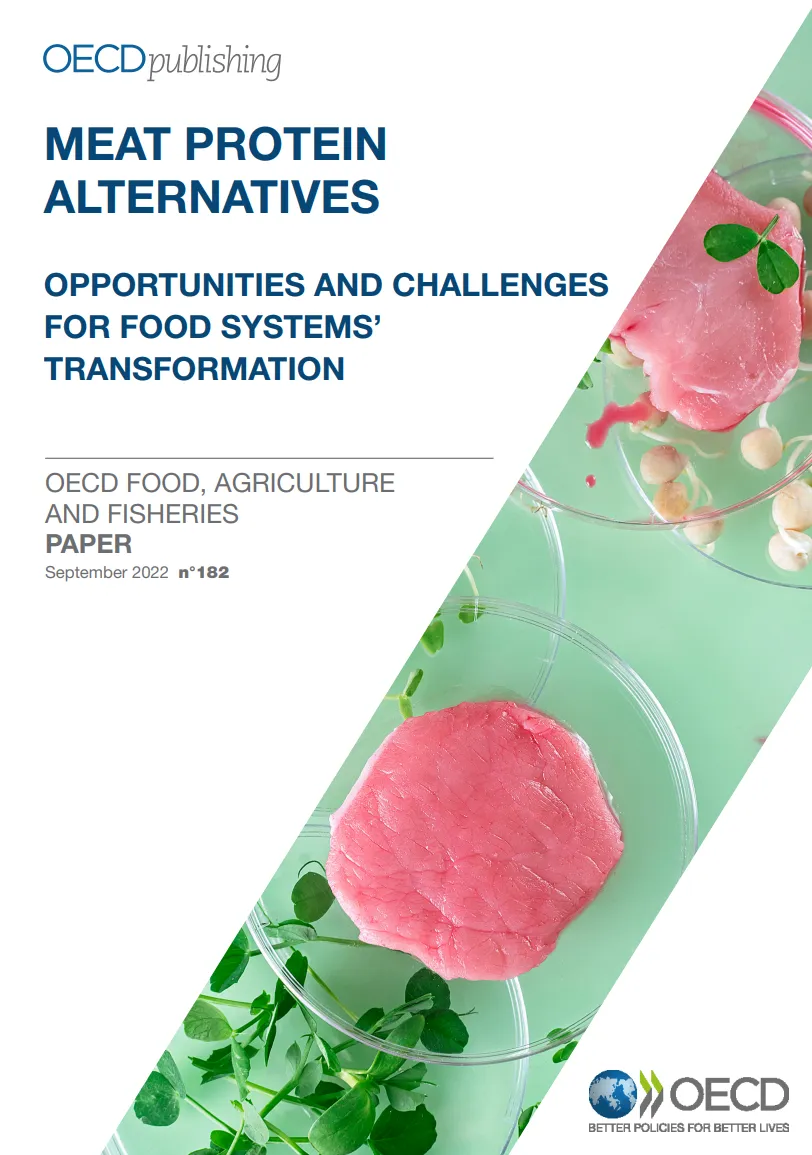
Image Reports Meat protein alternatives: Opportunities and challenges This report from the OECD Trade and Agriculture Directorate assesses the opportunities and challenges of three alternatives to meat: plant-based (marketed as nearly equivalent to meat), insects and cultured meat. Its modelling results suggest that a shift from meat towards meat alternatives in high and upper middle income countries could lower global land use and greenhouse gas emissions from agriculture and land use; it would also lower global prices of meats, soybeans and cereals, producing benefits for consumers but putting economic pressure on farmers. Read
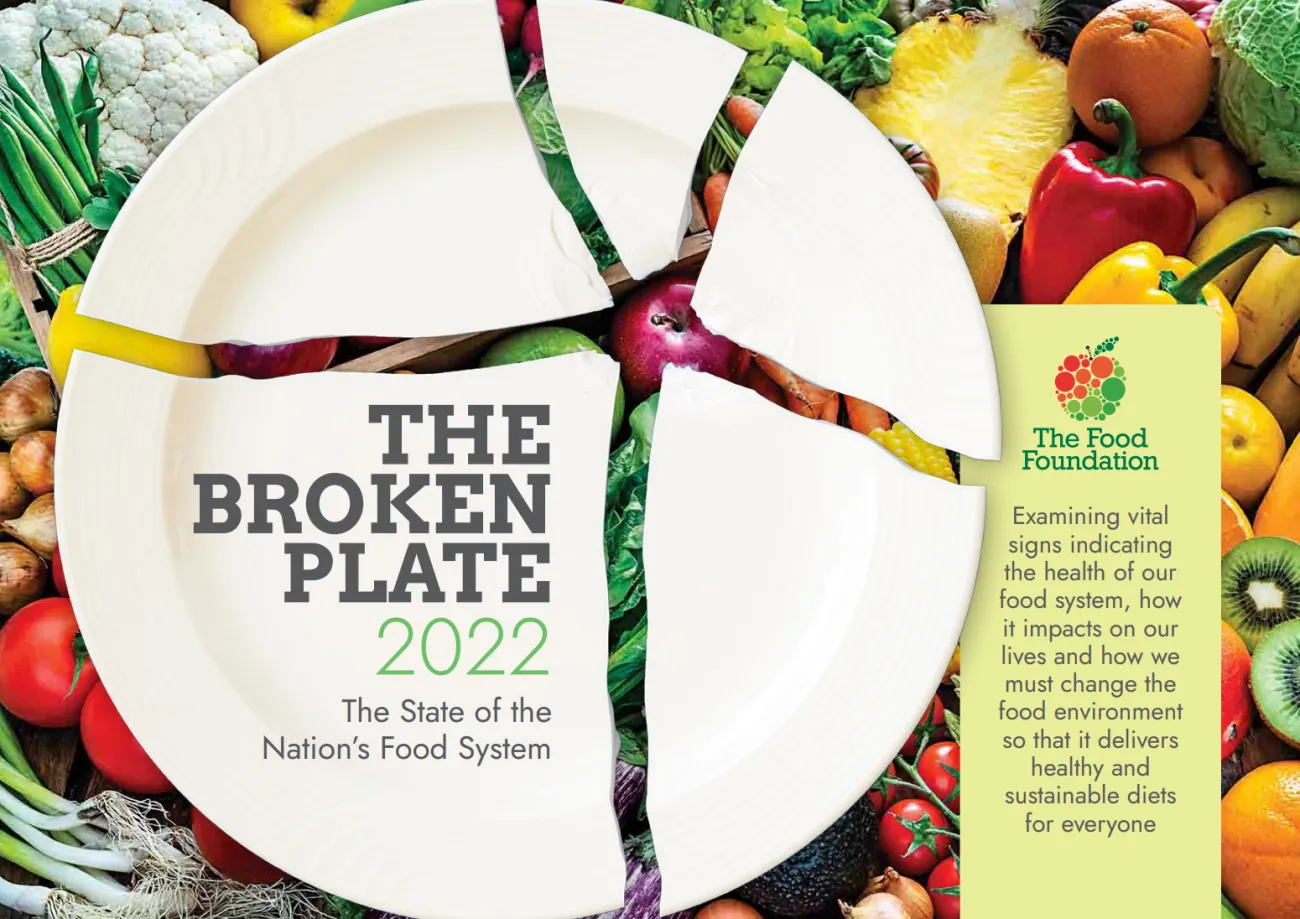
Image Reports The Broken Plate 2022: the state of the UK’s food system This report by The Food Foundation sets out the state of the UK’s food system, covering the areas of food affordability, availability and appeal. Headline findings include: the poorest fifth of households would need to spend 47% of their disposable income to afford the Government’s recommended healthy diet, compared to 11% for the richest fifth; a greater proportion (22%) of workers in the food system earn minimum wage or less, compared to 8% across the whole UK; healthier foods are nearly three times more expensive per calorie than less healthy foods; and plant-based milks are on average 60% more expensive than dairy milk. Read
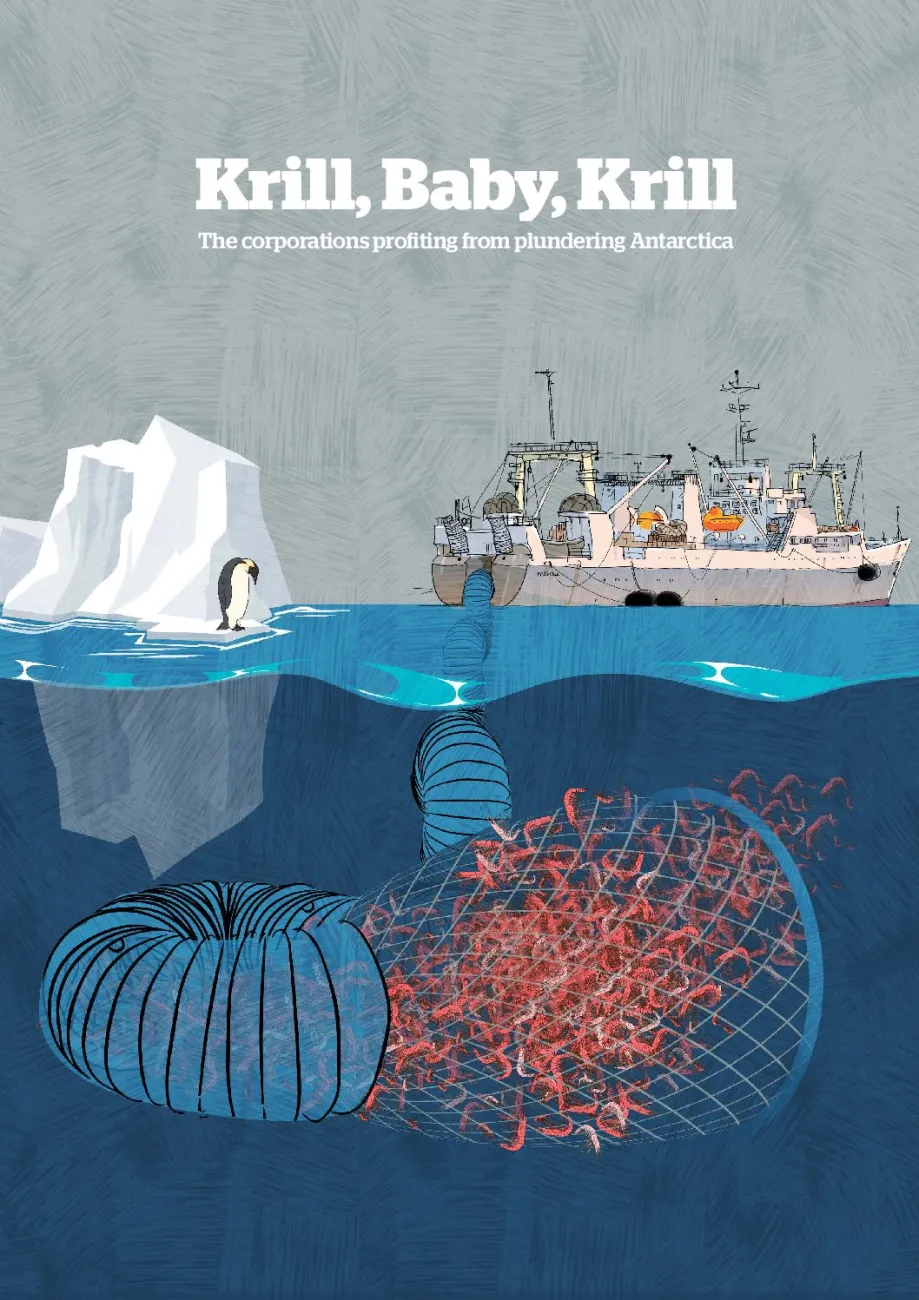
Image Reports Krill fishing is harming Antarctic ecosystems This report from the UK Changing Markets Foundation investigates the impacts of krill fishing in the Antarctic. Krill - tiny crustaceans that are near the base of many marine food chains - are caught for use in omega-3 dietary supplements and as feed for aquaculture. In light of krill fish’s impacts on fragile ecosystems, the report calls for an immediate moratorium on krill fishing; for retailers to phase out the use of wild-caught fish, including krill, for aquaculture; for retailers to stop selling krill dietary supplements; and for consumers to stop using krill supplements and to demand krill-free seafood. Read
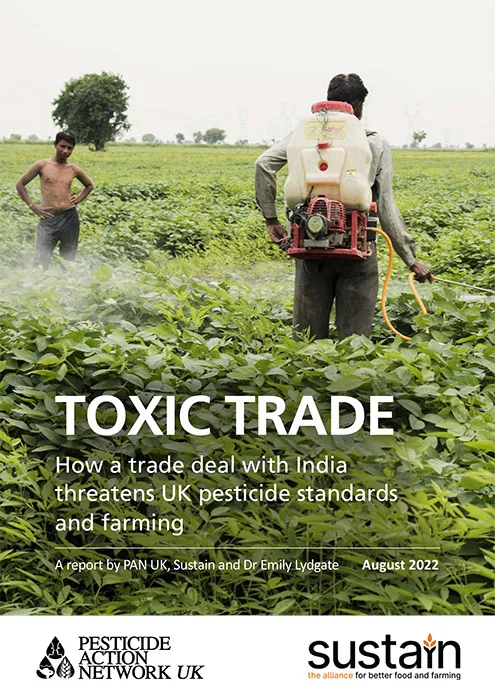
Image Reports India-UK trade deal threatens pesticide standards and farming A free trade agreement currently being negotiated between the UK and India could weaken pesticide standards in the UK and could also place UK farmers under pressure from cheaper imports, according to this report from Pesticide Action Network UK, Sustain Alliance and trade expert Dr Emily Lydgate. Read
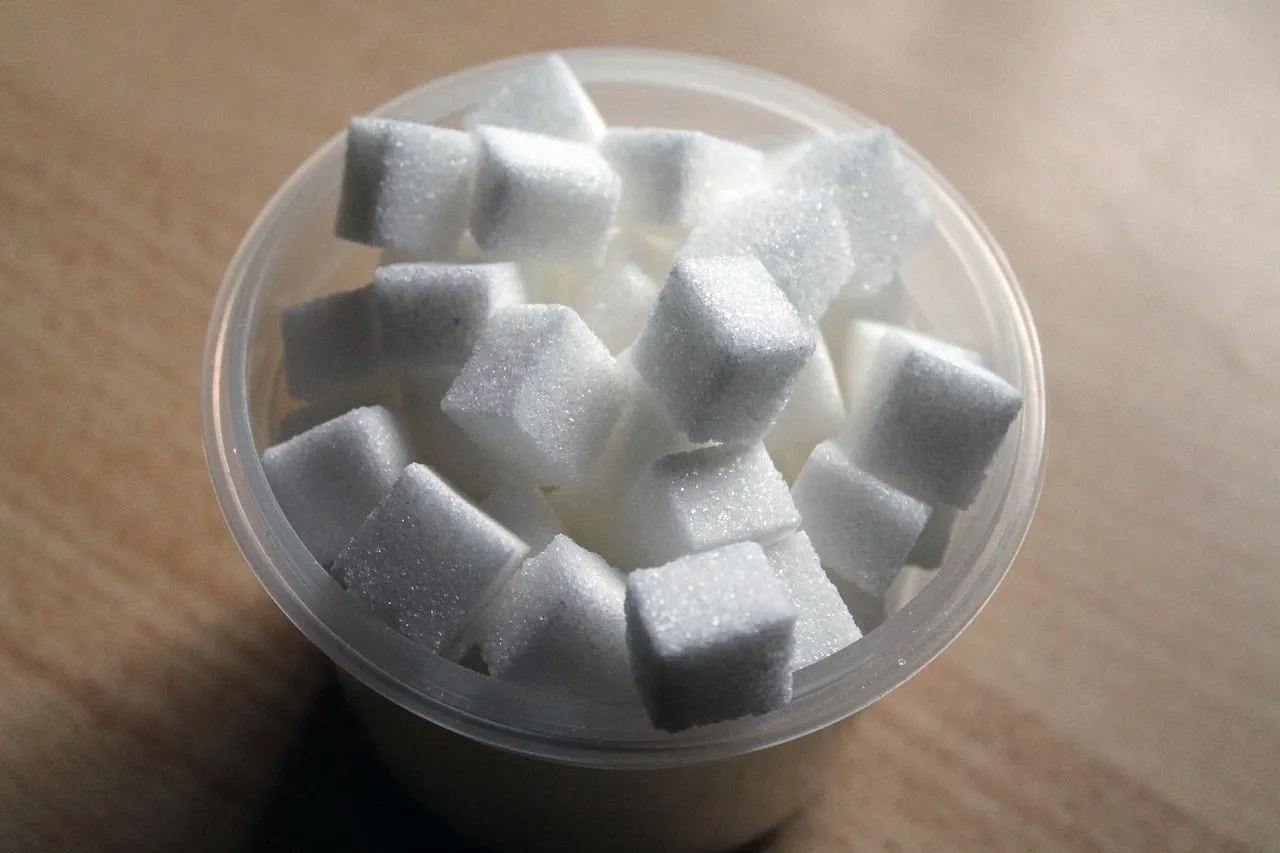
Image Journal articles Sugar taxation for climate and sustainability goals This paper sets out the case for a sugar tax, arguing that it can achieve both health and climate goals. It analyses the greenhouse gas savings of three different approaches that could follow a 75.5% reduction in sugar consumption in the European Union (to align with World Health Organisation guidelines): afforesting excess EU sugar beet farmland; using excess sugar beet grown in the EU for biofuel; and the EU exporting sugar from its own sugar beet production, thus displacing Brazilian sugar consumption on the global market, and importing an equivalent amount of sugar cane ethanol from Brazil to use as biofuel. Read
Image Journal articles Agroecology and healthy diets can help meet EU food targets This paper, co-authored by TABLE research director Elin Röös, sets out five storylines for the development of agroecology in the European Union and models the impacts of each scenario on progress towards several established or proposed policy targets. It finds that significant dietary change and waste reduction are necessary if agroecological farming is to contribute to meeting the policy goals. Read
Image Journal articles Environmental and nutritional scores of 57,000 food products This paper estimates the environmental impacts (across four impact categories) of over 57,000 food products (found in the UK and Ireland) composed of multiple ingredients, filling a knowledge gap since previous analyses (such as Poore and Nemecek) compare only single foods. It also examines the relationship between the environmental impacts and nutritional characteristics of the products, concluding that more nutritious products are often (but not always) more sustainable as well. The study is co-authored by several members of Oxford’s Livestock, Environment and People (LEAP) programme. Read