Image Resources Our extensive research library contains thousands of summaries of journal articles, reports and news stories that can be searched by keyword and category RESOURCES CATEGORY Books Briefing paper Event recording Featured articles Featured report Game Journal articles News and resources Reports Think piece Video Working paper Workshop summary Year 2026 2025 2024 2023 2022 2021 2020 2019 2018 2017 2016 2015 2014 2013 2012 2011 2010 2009 2008 2007 2002 2001 Image News and resources Ex-officials at UN farming body say work on methane emissions was censored Former officials at the FAO have revealed a history of corporate lobbying from the livestock sector, undermining the integrity of the FAO’s reporting on emissions from cattle and their contribution to rising global temperatures. Former officials detail how they were censored, sabotaged, undermined and victimised for more than a decade. Read Image News and resources Coalition Calls For A Stronger Food Systems Approach At COP28 In the lead up to COP28, a coalition of more than 80 powerful organisations from across the global food system have signed an open letter to incorporate food system transformation into the United Nations Framework Convention on Climate Change. The letter calls for a clear political stance to be taken by governments and for food systems action to be part of the National Adaptation Plans, Nationally Determined Contributions and long-term strategies. Read Image Reports A just transition in animal agriculture is necessary for more effective and equitable One Health outcomes Drawing on expertise from health, climate, biodiversity and animal welfare policy and science, this CABI Policy Forum argues current levels of animal product production and consumption threaten ‘One Health’ outcomes and presents the case for a just transition in animal agriculture. The report identifies five principles to guide policy makers in promoting a just transition from systems of industrial meat production and overconsumption. Read Image Reports Nearly Half of US Dietary Guidelines Advisory Committee Members Have Conflicts of Interest This report provides disclosure of conflicts of interest of the 20 members of the 2025 Dietary Guidelines Advisory Committee who determine the national Dietary Guidelines for America. The report found that almost half of the members had a medium to high risk of conflict of interest due to connections with industry actors. Read Image Reports The State of Food and Agriculture 2023 This year's State of Food and Agriculture report is the first in a two year focus on the true cost of food for sustainable agrifood systems. The report uses the true cost accounting approach to demonstrate the hidden environmental, health and social costs and benefits of the agrifood system, so that actors can make more informed choices that lead to transformative policies and decision making. Read Image Journal articles Experts warn of risk of Civil Unrest in UK due to major future food system disruptions This paper reports the results of a structured expert elicitation process from 76 food system experts on future food system disruption scenarios for the UK. Around one third of those consulted thought that major civil unrest due to a shortage of popular carbohydrates as a result of extreme weather was more likely than not in the next 10 years. Read Image Journal articles Wilderness areas under threat from global redistribution of agriculture This paper examines the threat to current wilderness from climate-driven agricultural expansion. Through modelling future crop suitability, the authors establish that 2.7 million km2 of wilderness, particularly at high-latitude, will become newly suitable for agriculture within the next 40 years. Read Image Journal articles Global food nutrients analysis reveals alarming gaps and daunting challenges This paper quantifies the availability of two macronutrients and nine micronutrients for 156 countries in ‘available food’, which they define as the quantity of food produced that is potentially available for consumption after factoring in reductions arising from food loss and waste, and non-food use through the production chain. Nutrient availability is assessed against a range of dietary guidelines to determine the depth and breadth of nutrient deficiencies across regions and countries, and a series of intervention strategies are explored. Read Image Event recording Event Summary & Recording: Can nature-based solutions deliver on their promise? This event was hosted by TABLE on 31 October 2023 and took the format of a panel discussion with:Dr Tara Garnett (director of TABLE);Professor Nathalie Seddon (Nature-based Solutions Initiative, University of Oxford);Kirtana Chandrasekaran (Friends of the Earth International);Jutta Kill (World Rainforest Movement);Roberto S. Waack (Arapyaú Institute, Associate Fellow of Chatham House). Read VIEW MORE
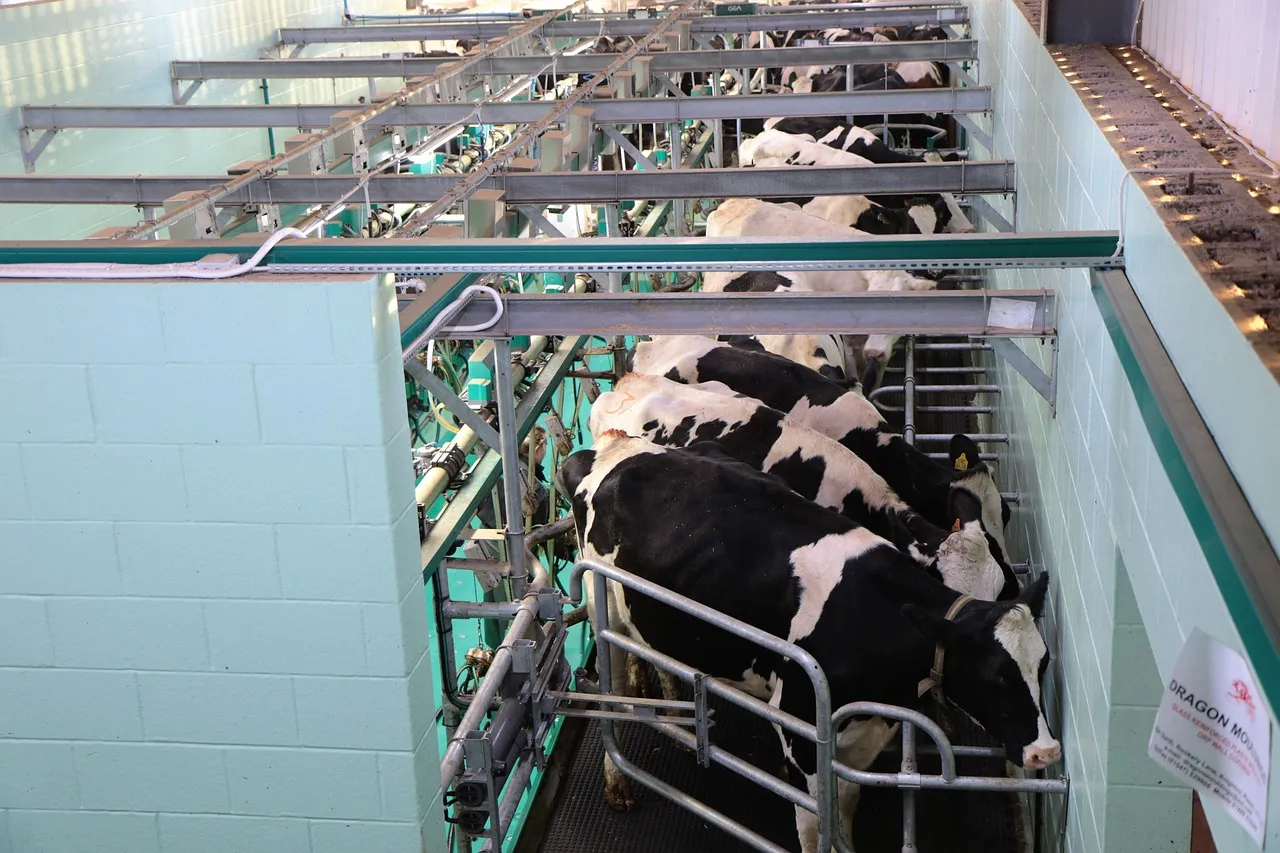
Image News and resources Ex-officials at UN farming body say work on methane emissions was censored Former officials at the FAO have revealed a history of corporate lobbying from the livestock sector, undermining the integrity of the FAO’s reporting on emissions from cattle and their contribution to rising global temperatures. Former officials detail how they were censored, sabotaged, undermined and victimised for more than a decade. Read
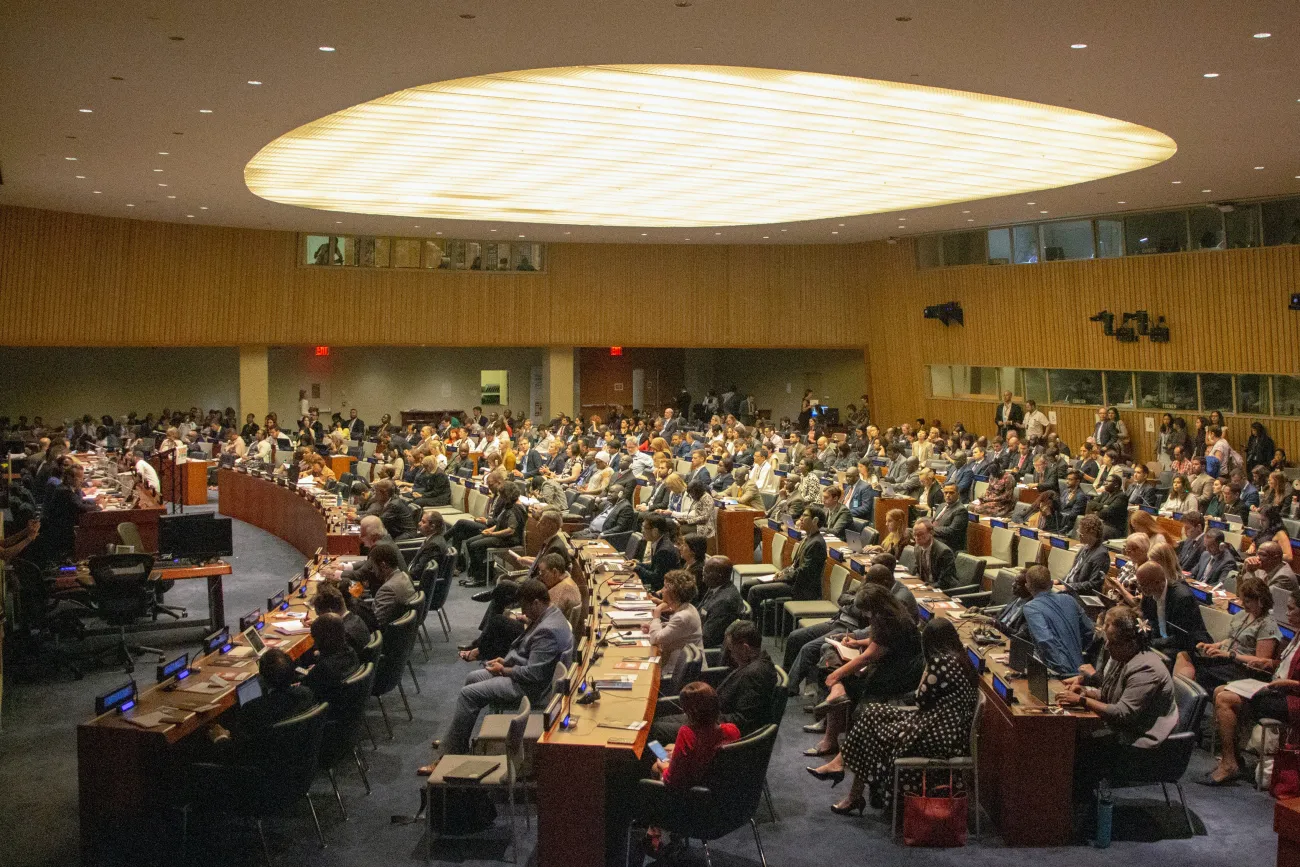
Image News and resources Coalition Calls For A Stronger Food Systems Approach At COP28 In the lead up to COP28, a coalition of more than 80 powerful organisations from across the global food system have signed an open letter to incorporate food system transformation into the United Nations Framework Convention on Climate Change. The letter calls for a clear political stance to be taken by governments and for food systems action to be part of the National Adaptation Plans, Nationally Determined Contributions and long-term strategies. Read
Image Reports A just transition in animal agriculture is necessary for more effective and equitable One Health outcomes Drawing on expertise from health, climate, biodiversity and animal welfare policy and science, this CABI Policy Forum argues current levels of animal product production and consumption threaten ‘One Health’ outcomes and presents the case for a just transition in animal agriculture. The report identifies five principles to guide policy makers in promoting a just transition from systems of industrial meat production and overconsumption. Read
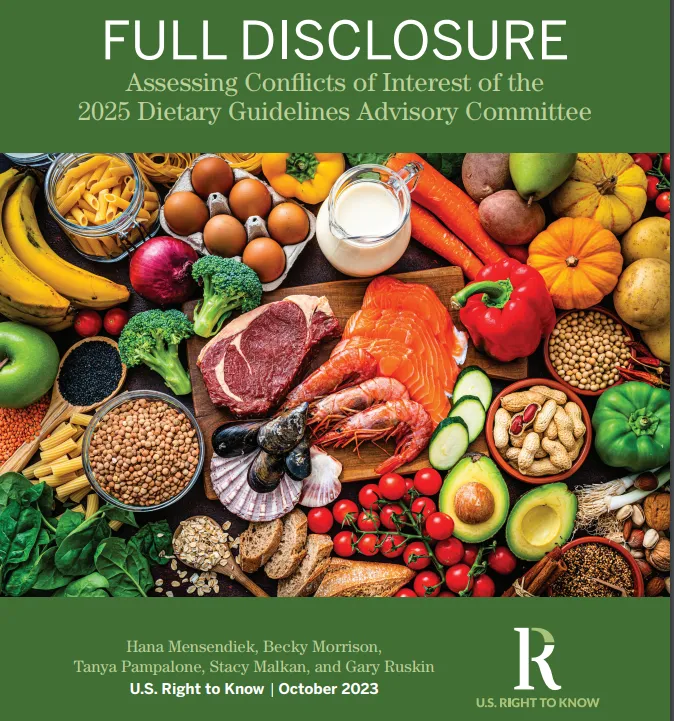
Image Reports Nearly Half of US Dietary Guidelines Advisory Committee Members Have Conflicts of Interest This report provides disclosure of conflicts of interest of the 20 members of the 2025 Dietary Guidelines Advisory Committee who determine the national Dietary Guidelines for America. The report found that almost half of the members had a medium to high risk of conflict of interest due to connections with industry actors. Read
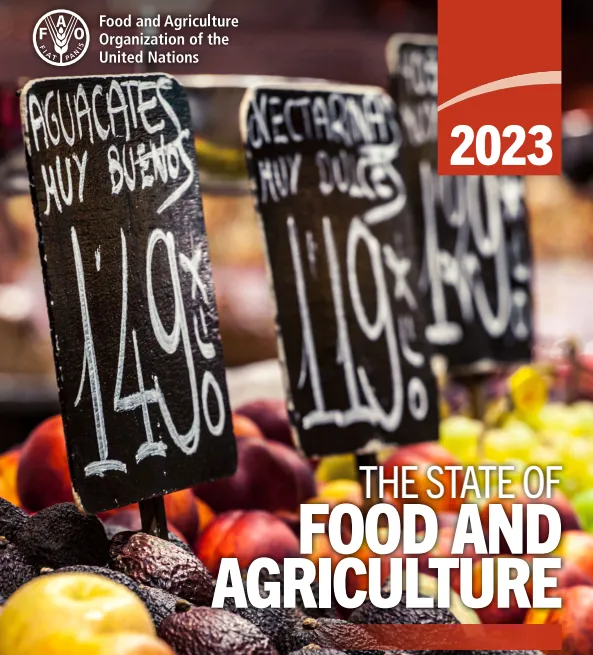
Image Reports The State of Food and Agriculture 2023 This year's State of Food and Agriculture report is the first in a two year focus on the true cost of food for sustainable agrifood systems. The report uses the true cost accounting approach to demonstrate the hidden environmental, health and social costs and benefits of the agrifood system, so that actors can make more informed choices that lead to transformative policies and decision making. Read
Image Journal articles Experts warn of risk of Civil Unrest in UK due to major future food system disruptions This paper reports the results of a structured expert elicitation process from 76 food system experts on future food system disruption scenarios for the UK. Around one third of those consulted thought that major civil unrest due to a shortage of popular carbohydrates as a result of extreme weather was more likely than not in the next 10 years. Read
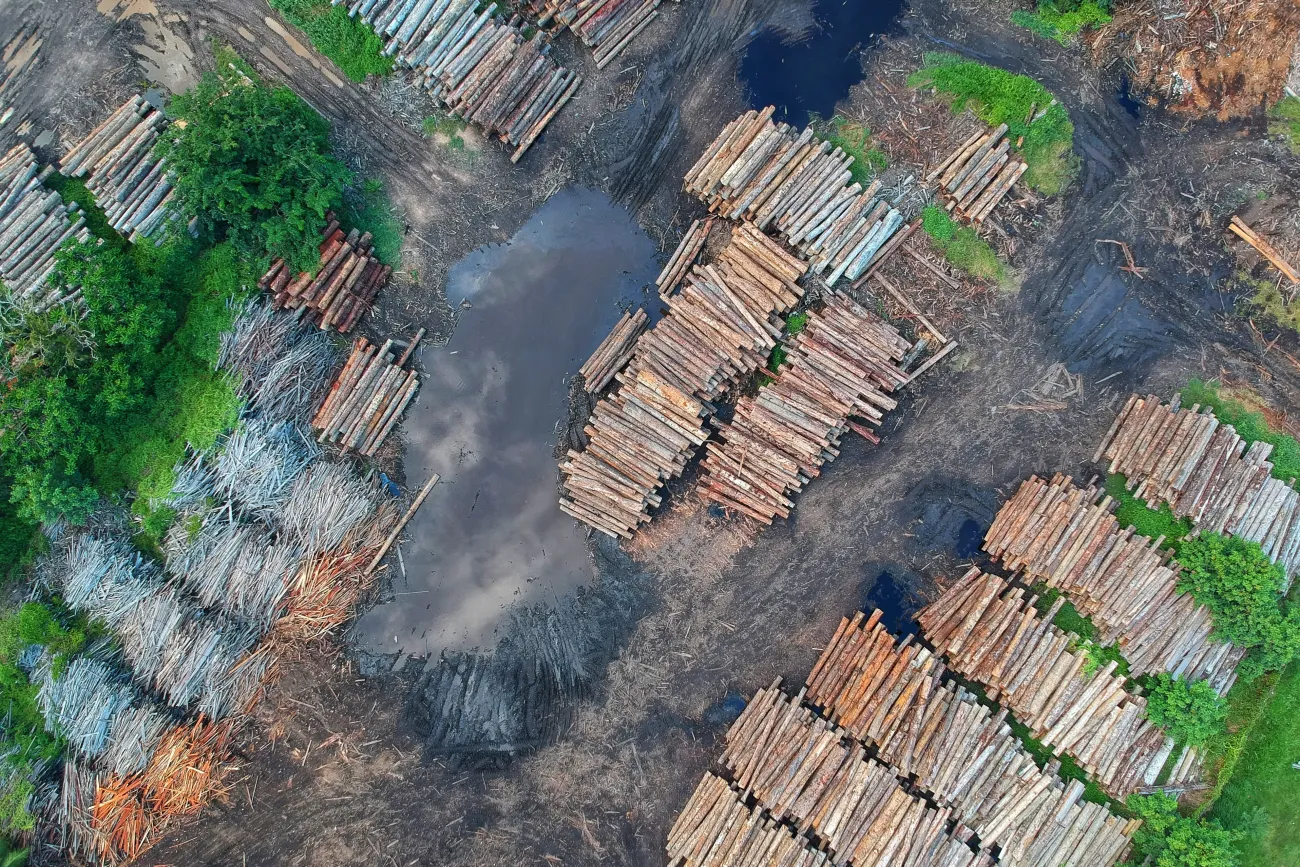
Image Journal articles Wilderness areas under threat from global redistribution of agriculture This paper examines the threat to current wilderness from climate-driven agricultural expansion. Through modelling future crop suitability, the authors establish that 2.7 million km2 of wilderness, particularly at high-latitude, will become newly suitable for agriculture within the next 40 years. Read
Image Journal articles Global food nutrients analysis reveals alarming gaps and daunting challenges This paper quantifies the availability of two macronutrients and nine micronutrients for 156 countries in ‘available food’, which they define as the quantity of food produced that is potentially available for consumption after factoring in reductions arising from food loss and waste, and non-food use through the production chain. Nutrient availability is assessed against a range of dietary guidelines to determine the depth and breadth of nutrient deficiencies across regions and countries, and a series of intervention strategies are explored. Read
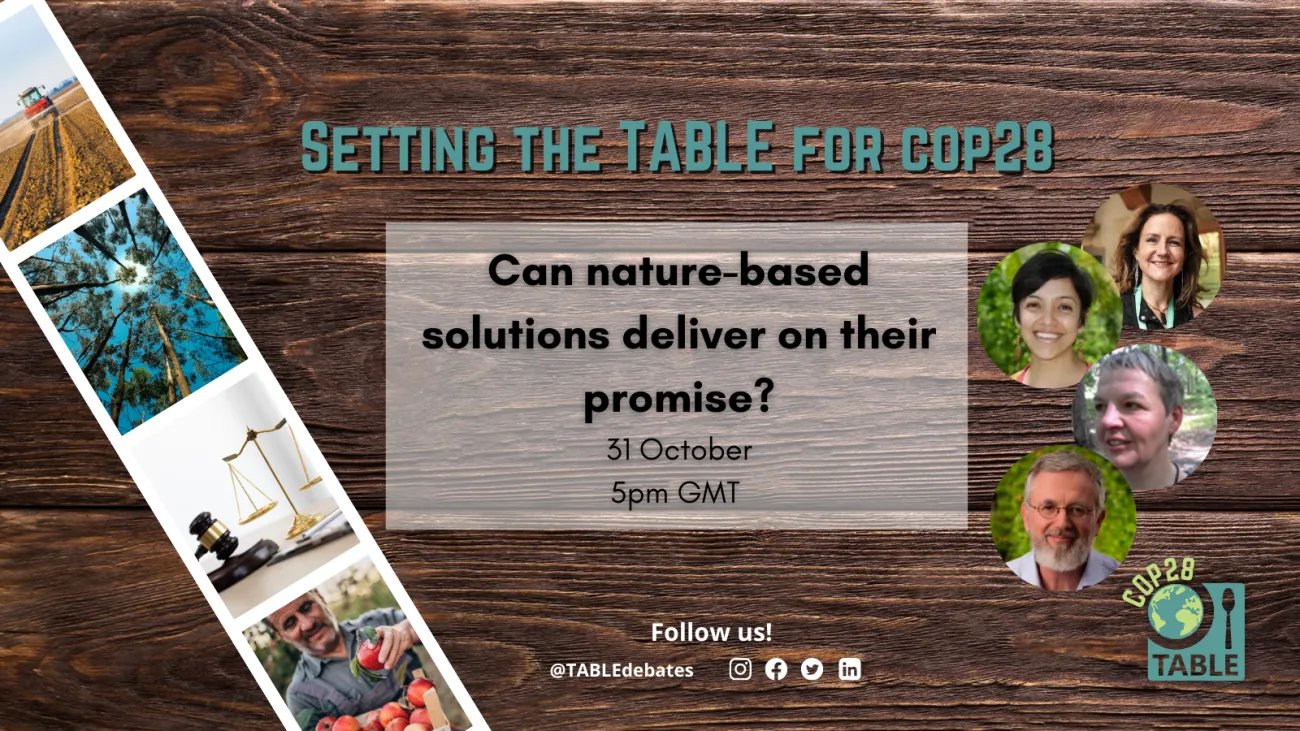
Image Event recording Event Summary & Recording: Can nature-based solutions deliver on their promise? This event was hosted by TABLE on 31 October 2023 and took the format of a panel discussion with:Dr Tara Garnett (director of TABLE);Professor Nathalie Seddon (Nature-based Solutions Initiative, University of Oxford);Kirtana Chandrasekaran (Friends of the Earth International);Jutta Kill (World Rainforest Movement);Roberto S. Waack (Arapyaú Institute, Associate Fellow of Chatham House). Read