Image Resources Our extensive research library contains thousands of summaries of journal articles, reports and news stories that can be searched by keyword and category RESOURCES CATEGORY Books Briefing paper Event recording Featured articles Featured report Game Journal articles News and resources Reports Think piece Video Working paper Workshop summary Year 2026 2025 2024 2023 2022 2021 2020 2019 2018 2017 2016 2015 2014 2013 2012 2011 2010 2009 2008 2007 2002 2001 Image Books Not the end of the world Data scientist Hannah Ritchie provides a hopeful analysis by detailing historical progress related to halting climate change. This book is aimed at a general audience and strives to provide useful information that counters doomsday headlines of climate catastrophe. Read Image Books Bite by Bite Poet and essayist Aimee Nezhukumatathil delves into the world of food in this collection of short essays that explore the intersection of food and nature; evoking memories through the tastes and smells of food. Read Image Books Peasant politics of the twenty-first century Marc Edelman details the history and main objectives of global agrarian movements including farmer protests, peasants’ rights debates, and the categorical definition of “peasant” on the global stage. Read Image Reports Toward "Better" Meat? This report by the World Resources Institute, a global research non-profit funded by Bill and Melinda Gates Foundation, the Bezos Earth Fund and the Rockefeller Foundation, highlights the trade-offs and counterfactual of sourcing less and better meat as a strategy for food companies to mitigate climate impacts in their supply chains. It explores a key tension in the meat debate, also highlighted in TABLE’s Meat the Four Futures podcast, that production systems associated with ‘better meat’ such as organic, often lead to higher land-use and GHG emissions per kilo. Read Image Reports Opportunity Crops in Africa This report by the Rockefeller Foundation explores recommendations to boost agricultural production and nutrition in line with the Vision for Adapted Crops and Soils (VACS). The report finds that more than 700 million people globally are undernourished. It calls for investment in underutilised indigenous and traditional food crops as a means to strengthen resilience to climate change and improve nutrition in Africa Read Image Reports Global report on food crises This report on the global food crisis, aimed at humanitarian and development stakeholders and policymakers, provides detailed and interactive data related to global food insecurity and food-crisis across 59 countries or territories. Read Image Journal articles Bridging food systems and One Health This review explores the potential of combining two significant conceptual frameworks, the food systems approach (FSA) and the One Health approach (OHA), in aiding the management of zoonotic diseases such as COVID-19. Both FSA and OHA take holistic approaches to complex problems, but the authors note they also have blind spots. The researchers seek evidence as to whether the combination of these two approaches could better manage zoonotic disease outbreaks in the future. They conclude noting that the integration of One Health and food system approaches may help overcome challenges of operationalizing One Health and lack of inclusion of health issues and zoonotic diseases in food systems. Read Image Journal articles Addressing gender inequalities for more sustainable food systems This literature review explores the extent to which gender inequalities are considered in climate change policies, investments, and interventions related to food systems. Climate change has differential impacts on men and women. Whilst the findings suggest a growing body of literature related to potential interventions, more work is required to fully assess the trade offs and barriers of actions aimed at improving gender differentiated climate outcomes. There is also a considerable lack of research on the intersection of gender, climate change and food systems, with most previous research limited to looking at the role of gender in agricultural production. Read Image Journal articles Trade-offs in the externalities of pig production are not inevitable This study explores how the impacts of pig farming co-vary in different pig production systems across Brazil and the UK. It argues that the externalities (consequences that affect external parties) of pig production have historically been examined in isolation, and trade-offs have never been robustly investigated. Based on 91 widely varying farms, the authors find that no particular farming type, from organic to indoor intensive, free range to woodland - performed well across all the main impact categories examined; greenhouse gas emissions, land-use, antimicrobial use and animal welfare. However, it finds that individual farms performed well across the categories. Therefore the study concludes that efforts to minimise trade-offs should focus on lowering impacts within system types rather than only changing between them. Read VIEW MORE
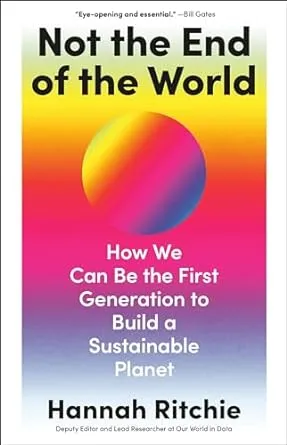
Image Books Not the end of the world Data scientist Hannah Ritchie provides a hopeful analysis by detailing historical progress related to halting climate change. This book is aimed at a general audience and strives to provide useful information that counters doomsday headlines of climate catastrophe. Read
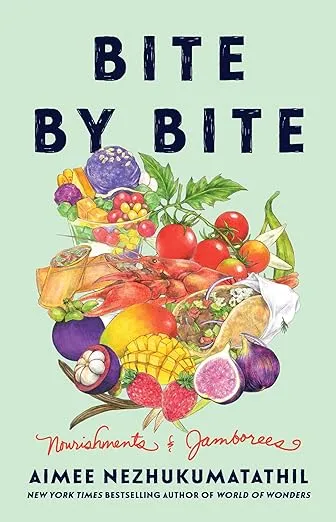
Image Books Bite by Bite Poet and essayist Aimee Nezhukumatathil delves into the world of food in this collection of short essays that explore the intersection of food and nature; evoking memories through the tastes and smells of food. Read
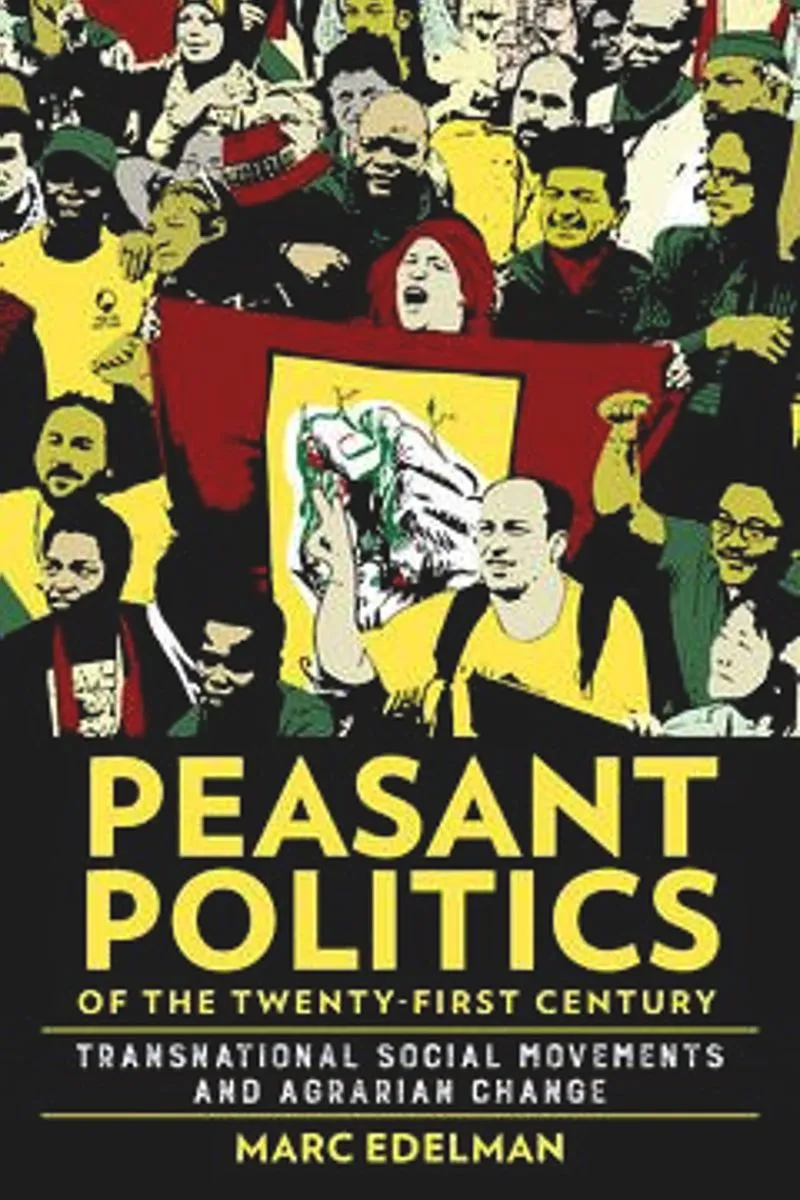
Image Books Peasant politics of the twenty-first century Marc Edelman details the history and main objectives of global agrarian movements including farmer protests, peasants’ rights debates, and the categorical definition of “peasant” on the global stage. Read
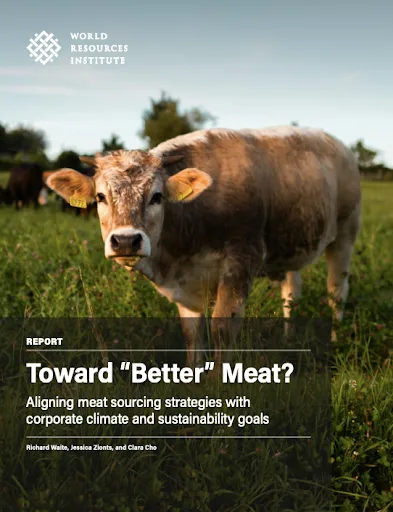
Image Reports Toward "Better" Meat? This report by the World Resources Institute, a global research non-profit funded by Bill and Melinda Gates Foundation, the Bezos Earth Fund and the Rockefeller Foundation, highlights the trade-offs and counterfactual of sourcing less and better meat as a strategy for food companies to mitigate climate impacts in their supply chains. It explores a key tension in the meat debate, also highlighted in TABLE’s Meat the Four Futures podcast, that production systems associated with ‘better meat’ such as organic, often lead to higher land-use and GHG emissions per kilo. Read
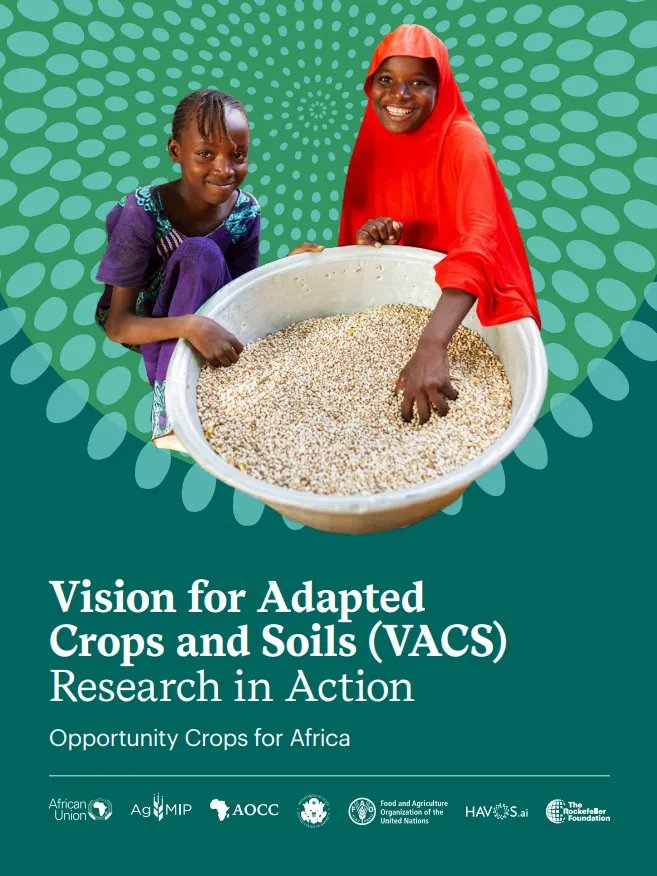
Image Reports Opportunity Crops in Africa This report by the Rockefeller Foundation explores recommendations to boost agricultural production and nutrition in line with the Vision for Adapted Crops and Soils (VACS). The report finds that more than 700 million people globally are undernourished. It calls for investment in underutilised indigenous and traditional food crops as a means to strengthen resilience to climate change and improve nutrition in Africa Read
Image Reports Global report on food crises This report on the global food crisis, aimed at humanitarian and development stakeholders and policymakers, provides detailed and interactive data related to global food insecurity and food-crisis across 59 countries or territories. Read
Image Journal articles Bridging food systems and One Health This review explores the potential of combining two significant conceptual frameworks, the food systems approach (FSA) and the One Health approach (OHA), in aiding the management of zoonotic diseases such as COVID-19. Both FSA and OHA take holistic approaches to complex problems, but the authors note they also have blind spots. The researchers seek evidence as to whether the combination of these two approaches could better manage zoonotic disease outbreaks in the future. They conclude noting that the integration of One Health and food system approaches may help overcome challenges of operationalizing One Health and lack of inclusion of health issues and zoonotic diseases in food systems. Read
Image Journal articles Addressing gender inequalities for more sustainable food systems This literature review explores the extent to which gender inequalities are considered in climate change policies, investments, and interventions related to food systems. Climate change has differential impacts on men and women. Whilst the findings suggest a growing body of literature related to potential interventions, more work is required to fully assess the trade offs and barriers of actions aimed at improving gender differentiated climate outcomes. There is also a considerable lack of research on the intersection of gender, climate change and food systems, with most previous research limited to looking at the role of gender in agricultural production. Read
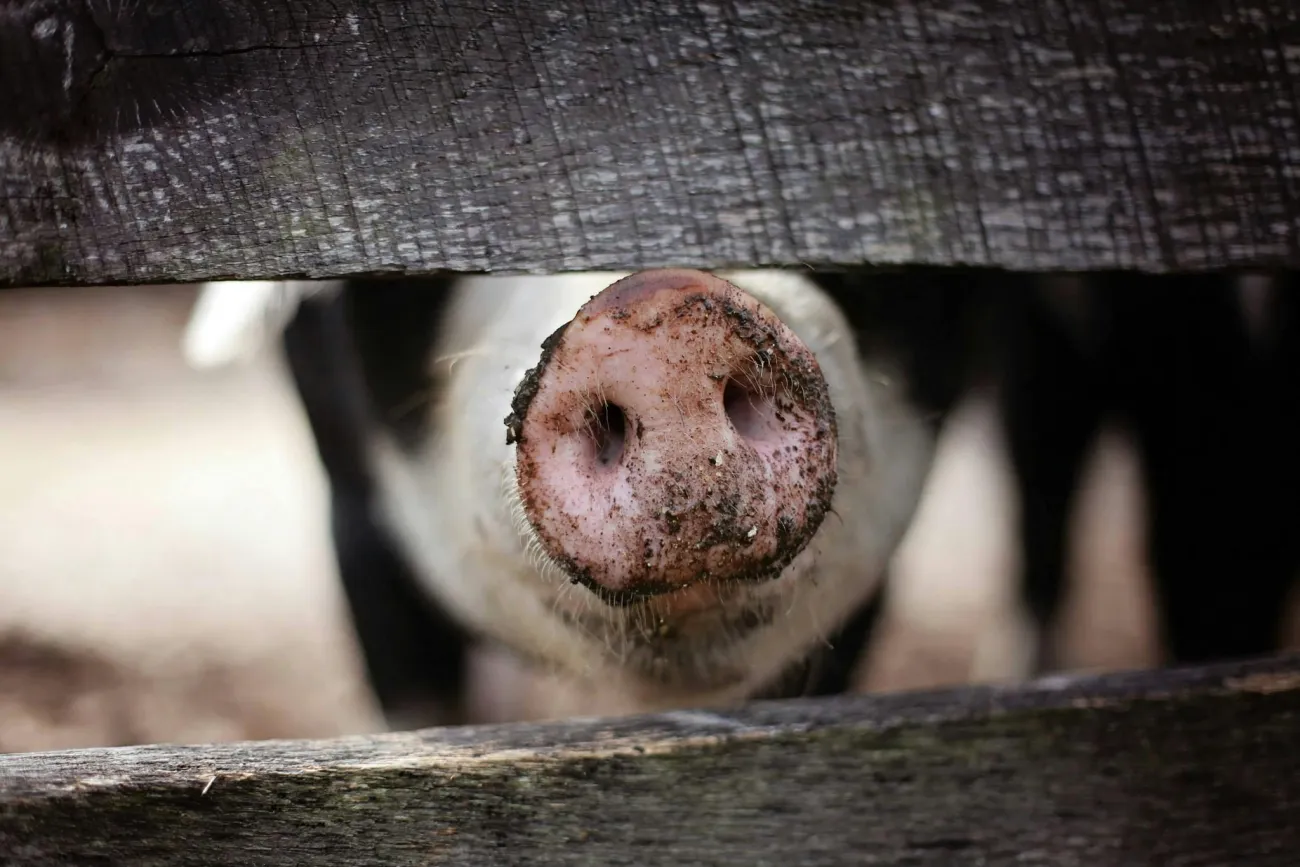
Image Journal articles Trade-offs in the externalities of pig production are not inevitable This study explores how the impacts of pig farming co-vary in different pig production systems across Brazil and the UK. It argues that the externalities (consequences that affect external parties) of pig production have historically been examined in isolation, and trade-offs have never been robustly investigated. Based on 91 widely varying farms, the authors find that no particular farming type, from organic to indoor intensive, free range to woodland - performed well across all the main impact categories examined; greenhouse gas emissions, land-use, antimicrobial use and animal welfare. However, it finds that individual farms performed well across the categories. Therefore the study concludes that efforts to minimise trade-offs should focus on lowering impacts within system types rather than only changing between them. Read