Image Resources Our extensive research library contains thousands of summaries of journal articles, reports and news stories that can be searched by keyword and category RESOURCES CATEGORY Books Briefing paper Event recording Featured articles Featured report Game Journal articles News and resources Reports Think piece Video Working paper Workshop summary Year 2026 2025 2024 2023 2022 2021 2020 2019 2018 2017 2016 2015 2014 2013 2012 2011 2010 2009 2008 2007 2002 2001 Image Books More-than-Human This book introduces the concept of the more-than-human to students and postgraduates engaged in geography and social science theory. The text offers valuable case studies which illustrate the implications of the more-than-human development and what future issues still need to be addressed. Read Image Reports Stink or Swim This report by NGOs Sustain and Friends of the Earth calculates the quantities of manure that 10 UK livestock corporations produce – estimated at more than the 10 of the UK’s cities combined and how this directly contributes to the ecological decline of rivers. The report argues intensive agriculture is the main source of river pollution in the UK, not water companies, but reveals that only half of the ten agribusinesses mentioned have publicly available strategies to prevent pollution, and most lack detail and targets. Read Image Reports Land squeeze - IPES Food Smallholder farmers, pastoralists and indigenous people face unprecedented threats to their land, according to a new report by the International Panel of Experts on Sustainable Food Systems (IPES FOOD). The report explores the different drivers of land grabbing such as the fight for water and actors such as carbon off-setters and reveals that 1% of farms account for 70% of global farmland. Read Image Journal articles A planetary health diet through system and paradigm change This article collection details several case studies related to assessing the barriers and opportunities for a sustainable food system transformation. This, for the authors, means an increased consumption of plant-based foods and lower levels of meat and dairy consumption, especially in the global North. The collection seeks to challenge incumbent actors and structures which the authors claim resist the critical transformative changes required whilst fostering new values, norms, and paradigms that could contribute to the societal change necessary for food system transformation. The case studies cover topics such as the polarisation of the animal-free and animal-centric food system narratives, new and alternative protein industries, different socioeconomic systems of agriculture and unique perspectives on human-animal relationships. Read Image Journal articles Global greenhouse cultivation area revealed by satellite mapping This article, using satellite data and artificial intelligence (AI) techniques, seeks to map the global prevalence and rate of expansion of greenhouse cultivation, or food grown under the cover of thin plastic films or glass roofs. The authors present their method as an improvement to geospatial image analysis for greenhouse cultivation coverage. They claim this new method can aid efforts aiming to better understand the environmental and socio-economic impacts of greenhouse cultivation infrastructure expansion. Read Image Journal articles Relationships of regeneration in Great Plains commodity agriculture This study explores why commodity farmers in the U.S Midwest are adopting regenerative agriculture practices at scale but not participating in carbon farming programmes led by agribusiness. The authors find this is because regenerative farmers are sceptical of large food corporations and want to cut dependence on costly agro-chemicals. The research sheds light on what drives and facilitates regenerative transitions, and stresses the importance of new social relationships with other regenerative farmers. Read Image Reports Recipe for a liveable planet This report provides comprehensive data regarding the current state of the global agri-food system at country level. It highlights the most cost effective points of intervention to reduce emissions associated with the agri-food sector, including land and soil management strategies, dietary shifts, and the protection and restoration of forests. Read Image Journal articles Mapping the evidence of novel plant-based foods This systematic review assesses the evidence base of the environmental and health impacts of novel plant-based foods (NPBFs) as compared to animal-based foods (ABFs) in food secure, high-income countries. NPBFs are defined by the researchers as new food products designed to mimic and replace ABFs and be added into habitual diets; examples include vegan meat or plant-based dairy. The researchers find that generally, NPBFs have better health outcomes and better environmental outcomes compared to ABFs. These results, however, vary by product type and context and they warn that caution should be given in the development of dietary guidelines. The authors suggest future research and policy should seek to develop more granular categories of NPBFs that account for these complex and often contextual health and environmental issues. Read Image News and resources Reigniting the debate on the Phillipine’s golden rice Media outlet Semafor has spotlighted the Philippines’ decision to block the farming of golden rice - the genetically modified, vitamin-A-enriched cereal intended to combat childhood blindness. The Phillipines was the first country to approve golden rice, but Greenpeace successfully overturned the decision in court in April 2024 over “safety fears". The recent ruling has reignited the decade-spanning GMO debate, with environmental writer Mark Lynas accusing Greenpeace of “committing a crime against humanity” for contributing towards child blindness. TABLE’s letterbox series on GMOs and our new podcast on gene-editing showcase the polarised views on the subject and reveal the priorities, assumptions and ideologies that underpin these rigidly-held positions. Read VIEW MORE
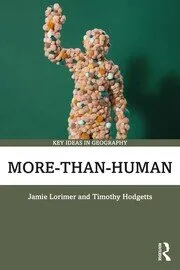
Image Books More-than-Human This book introduces the concept of the more-than-human to students and postgraduates engaged in geography and social science theory. The text offers valuable case studies which illustrate the implications of the more-than-human development and what future issues still need to be addressed. Read
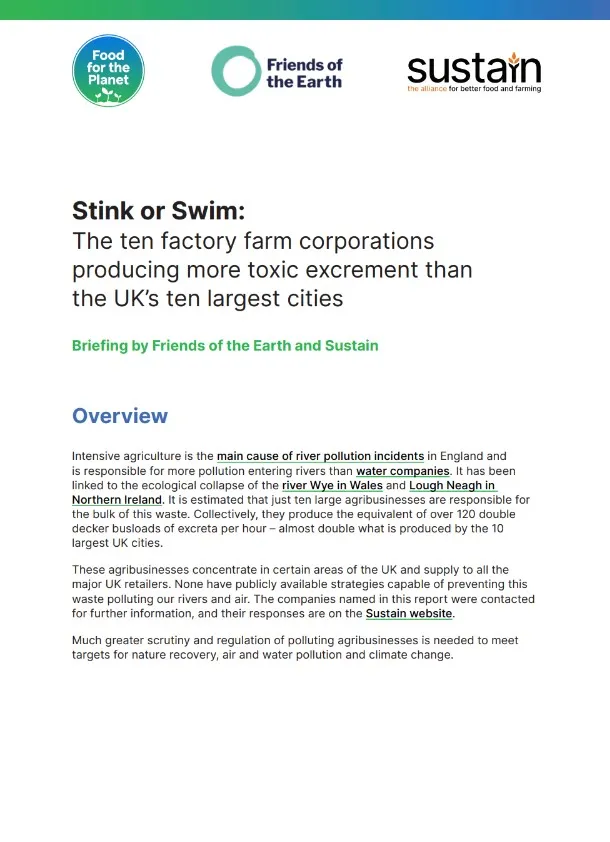
Image Reports Stink or Swim This report by NGOs Sustain and Friends of the Earth calculates the quantities of manure that 10 UK livestock corporations produce – estimated at more than the 10 of the UK’s cities combined and how this directly contributes to the ecological decline of rivers. The report argues intensive agriculture is the main source of river pollution in the UK, not water companies, but reveals that only half of the ten agribusinesses mentioned have publicly available strategies to prevent pollution, and most lack detail and targets. Read
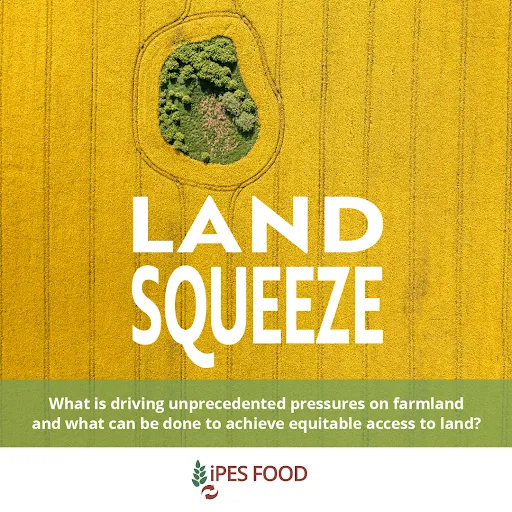
Image Reports Land squeeze - IPES Food Smallholder farmers, pastoralists and indigenous people face unprecedented threats to their land, according to a new report by the International Panel of Experts on Sustainable Food Systems (IPES FOOD). The report explores the different drivers of land grabbing such as the fight for water and actors such as carbon off-setters and reveals that 1% of farms account for 70% of global farmland. Read
Image Journal articles A planetary health diet through system and paradigm change This article collection details several case studies related to assessing the barriers and opportunities for a sustainable food system transformation. This, for the authors, means an increased consumption of plant-based foods and lower levels of meat and dairy consumption, especially in the global North. The collection seeks to challenge incumbent actors and structures which the authors claim resist the critical transformative changes required whilst fostering new values, norms, and paradigms that could contribute to the societal change necessary for food system transformation. The case studies cover topics such as the polarisation of the animal-free and animal-centric food system narratives, new and alternative protein industries, different socioeconomic systems of agriculture and unique perspectives on human-animal relationships. Read
Image Journal articles Global greenhouse cultivation area revealed by satellite mapping This article, using satellite data and artificial intelligence (AI) techniques, seeks to map the global prevalence and rate of expansion of greenhouse cultivation, or food grown under the cover of thin plastic films or glass roofs. The authors present their method as an improvement to geospatial image analysis for greenhouse cultivation coverage. They claim this new method can aid efforts aiming to better understand the environmental and socio-economic impacts of greenhouse cultivation infrastructure expansion. Read
Image Journal articles Relationships of regeneration in Great Plains commodity agriculture This study explores why commodity farmers in the U.S Midwest are adopting regenerative agriculture practices at scale but not participating in carbon farming programmes led by agribusiness. The authors find this is because regenerative farmers are sceptical of large food corporations and want to cut dependence on costly agro-chemicals. The research sheds light on what drives and facilitates regenerative transitions, and stresses the importance of new social relationships with other regenerative farmers. Read
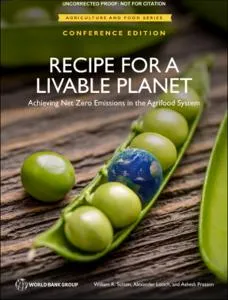
Image Reports Recipe for a liveable planet This report provides comprehensive data regarding the current state of the global agri-food system at country level. It highlights the most cost effective points of intervention to reduce emissions associated with the agri-food sector, including land and soil management strategies, dietary shifts, and the protection and restoration of forests. Read
Image Journal articles Mapping the evidence of novel plant-based foods This systematic review assesses the evidence base of the environmental and health impacts of novel plant-based foods (NPBFs) as compared to animal-based foods (ABFs) in food secure, high-income countries. NPBFs are defined by the researchers as new food products designed to mimic and replace ABFs and be added into habitual diets; examples include vegan meat or plant-based dairy. The researchers find that generally, NPBFs have better health outcomes and better environmental outcomes compared to ABFs. These results, however, vary by product type and context and they warn that caution should be given in the development of dietary guidelines. The authors suggest future research and policy should seek to develop more granular categories of NPBFs that account for these complex and often contextual health and environmental issues. Read
Image News and resources Reigniting the debate on the Phillipine’s golden rice Media outlet Semafor has spotlighted the Philippines’ decision to block the farming of golden rice - the genetically modified, vitamin-A-enriched cereal intended to combat childhood blindness. The Phillipines was the first country to approve golden rice, but Greenpeace successfully overturned the decision in court in April 2024 over “safety fears". The recent ruling has reignited the decade-spanning GMO debate, with environmental writer Mark Lynas accusing Greenpeace of “committing a crime against humanity” for contributing towards child blindness. TABLE’s letterbox series on GMOs and our new podcast on gene-editing showcase the polarised views on the subject and reveal the priorities, assumptions and ideologies that underpin these rigidly-held positions. Read