Image Resources Our extensive research library contains thousands of summaries of journal articles, reports and news stories that can be searched by keyword and category RESOURCES CATEGORY Books Briefing paper Event recording Featured articles Featured report Game Journal articles News and resources Reports Think piece Video Working paper Workshop summary Year 2026 2025 2024 2023 2022 2021 2020 2019 2018 2017 2016 2015 2014 2013 2012 2011 2010 2009 2008 2007 2002 2001 Image Journal articles Global food expenditure patterns diverge between low-income and high-income countries This paper argues that food expenditure patterns of lower-income countries are not adopting diets of affluent countries contrary to the belief that globalisation, income-growth and cultural trends are causing a shift in diet. The researchers analyse food expenditure patterns, including ultra-processed foods, in 90 different countries. Read Image Think piece Eco-gastro diplomacy at Paris Olympics 13 million meals served. Zero chicken nuggets. 60% vegetarian. All fruit and vegetables, dairy, meat, eggs and cereals are sourced from France – pears from Nantes, lentils from Lyon, and Tomme cheese from Bordeaux. They’re even turning 40 tonnes of used coffee into fertiliser. At the Paris Olympic Games, France is keen to show off its culinary prestige to the 15,000 athletes, 20,000 journalists and millions of spectators. But this time, it’s with a green twist. Read Image Books A Call to Farms - Jennifer Grayson Journalist Jennifer Grayson investigates the new generation of American farmers and how they will respond to the panoply of challenges ahead. She profiles regenerative farmers, grazier and food activists working towards improving the future of American food. Read Image Books Transforming School Food Politics around the World This book explores how to successfully challenge and transform public school-food programs with insights from eight countries across the Global North and South. They argue that the transformative potential of school food hinges on valuing the gendered labor that goes into caring for, feeding, and educating children. This book is free to read online. Read Image Books Benchmarking in Food and Farming As input prices surge, extreme weather is the norm and margins become tighter, food producers are making significant changes. Benchmarking to compare performance, author Lisa Jack argues, is essential to manage and assess these changes. She provides an overview of existing practices and explores the potential for them to drive sustainable innovation. Read Image Reports Exploring Linkages Between Soil Health and Human Health The US Department of Agriculture funded this report by the National Academies of Sciences to explore the evidence of the interconnectedness of soil, plants, humans and other animals and if advances in this field could lead to drug development, address anti-microbial disease and soil-borne pathogens. Read Image Reports Consumer perceptions of regenerative agriculture EIT Food surveyed European consumers to investigate the perceptions of regenerative agriculture. It found that people don’t often think about farming methods, view conventional farming with admiration and a source of national pride without recognising its impacts. Read Image Reports The new merchants of doubt; how big food and dairy avoid climate action This report by Changing Markets provides an in-depth investigation into the tactics of meat and dairy companies to delay, distract and derail action on food system transformation, particularly reducing meat and dairy consumption. It argues that it mirrors the strategies used by tobacco and fossil fuel industries. Read Image Journal articles Socio-economic assessment and genetically engineered crops in Africa: Building knowledge for development? This paper argues that research on genetically engineered crops in Africa fails to consider and report the social impacts, mainly focusing on crop yield and income and little or no attention paid to poverty alleviation, food security or gender equality. Read VIEW MORE
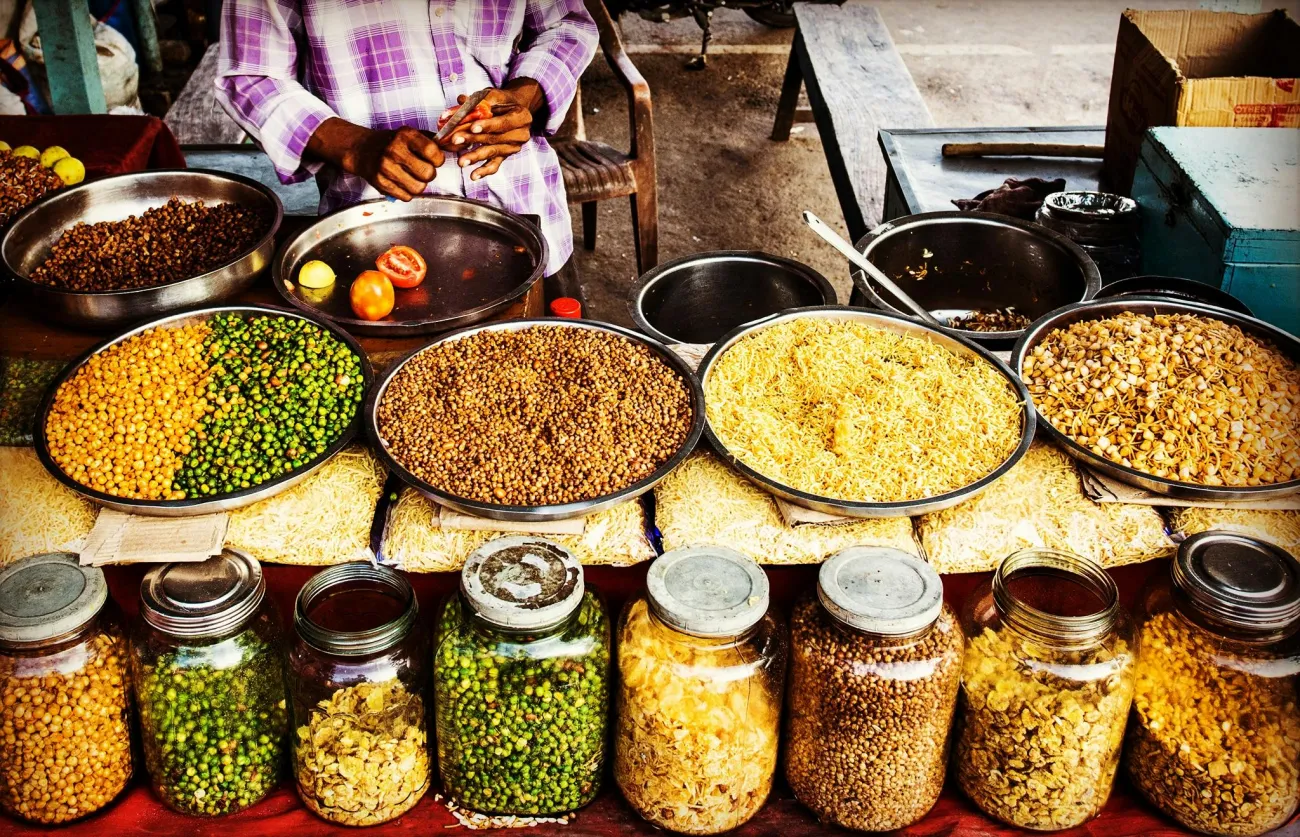
Image Journal articles Global food expenditure patterns diverge between low-income and high-income countries This paper argues that food expenditure patterns of lower-income countries are not adopting diets of affluent countries contrary to the belief that globalisation, income-growth and cultural trends are causing a shift in diet. The researchers analyse food expenditure patterns, including ultra-processed foods, in 90 different countries. Read
Image Think piece Eco-gastro diplomacy at Paris Olympics 13 million meals served. Zero chicken nuggets. 60% vegetarian. All fruit and vegetables, dairy, meat, eggs and cereals are sourced from France – pears from Nantes, lentils from Lyon, and Tomme cheese from Bordeaux. They’re even turning 40 tonnes of used coffee into fertiliser. At the Paris Olympic Games, France is keen to show off its culinary prestige to the 15,000 athletes, 20,000 journalists and millions of spectators. But this time, it’s with a green twist. Read
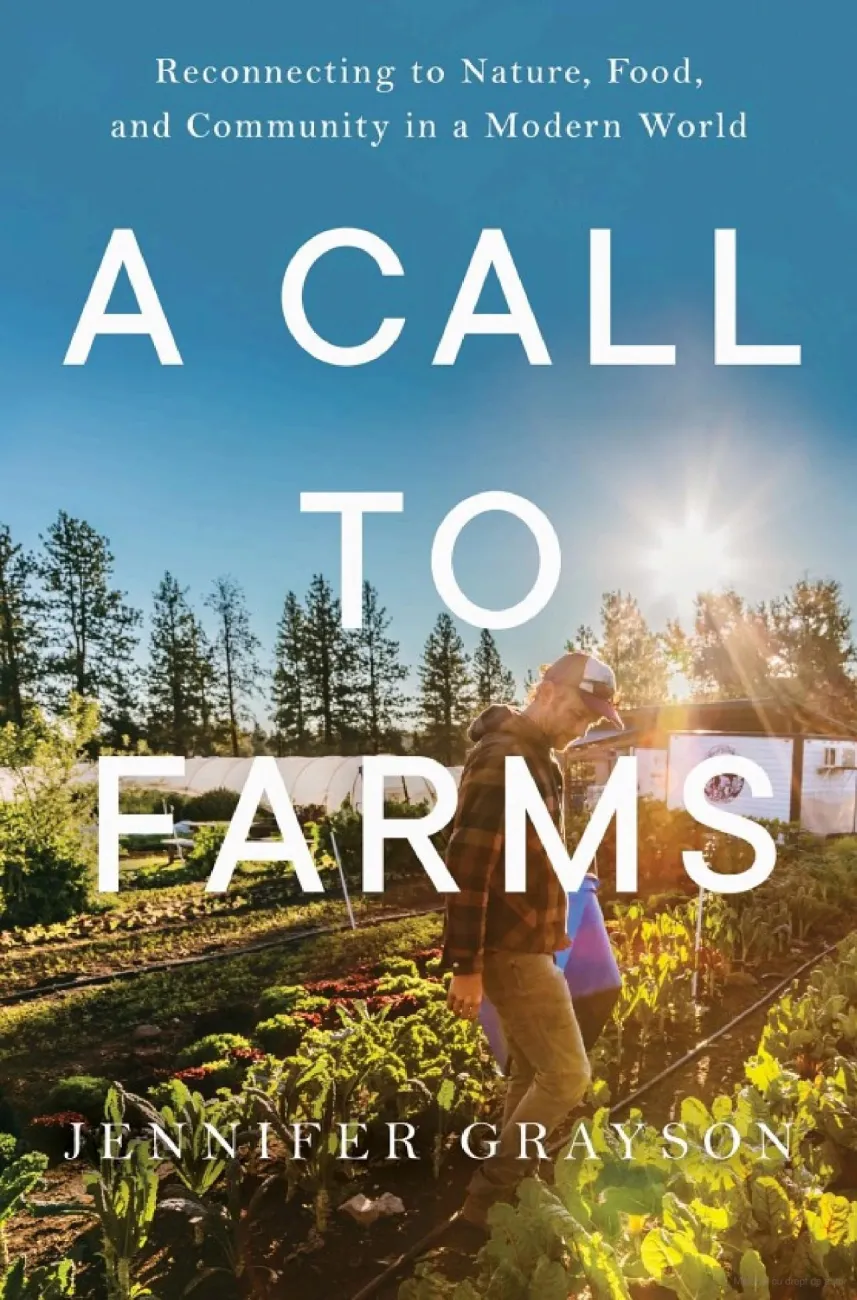
Image Books A Call to Farms - Jennifer Grayson Journalist Jennifer Grayson investigates the new generation of American farmers and how they will respond to the panoply of challenges ahead. She profiles regenerative farmers, grazier and food activists working towards improving the future of American food. Read
Image Books Transforming School Food Politics around the World This book explores how to successfully challenge and transform public school-food programs with insights from eight countries across the Global North and South. They argue that the transformative potential of school food hinges on valuing the gendered labor that goes into caring for, feeding, and educating children. This book is free to read online. Read
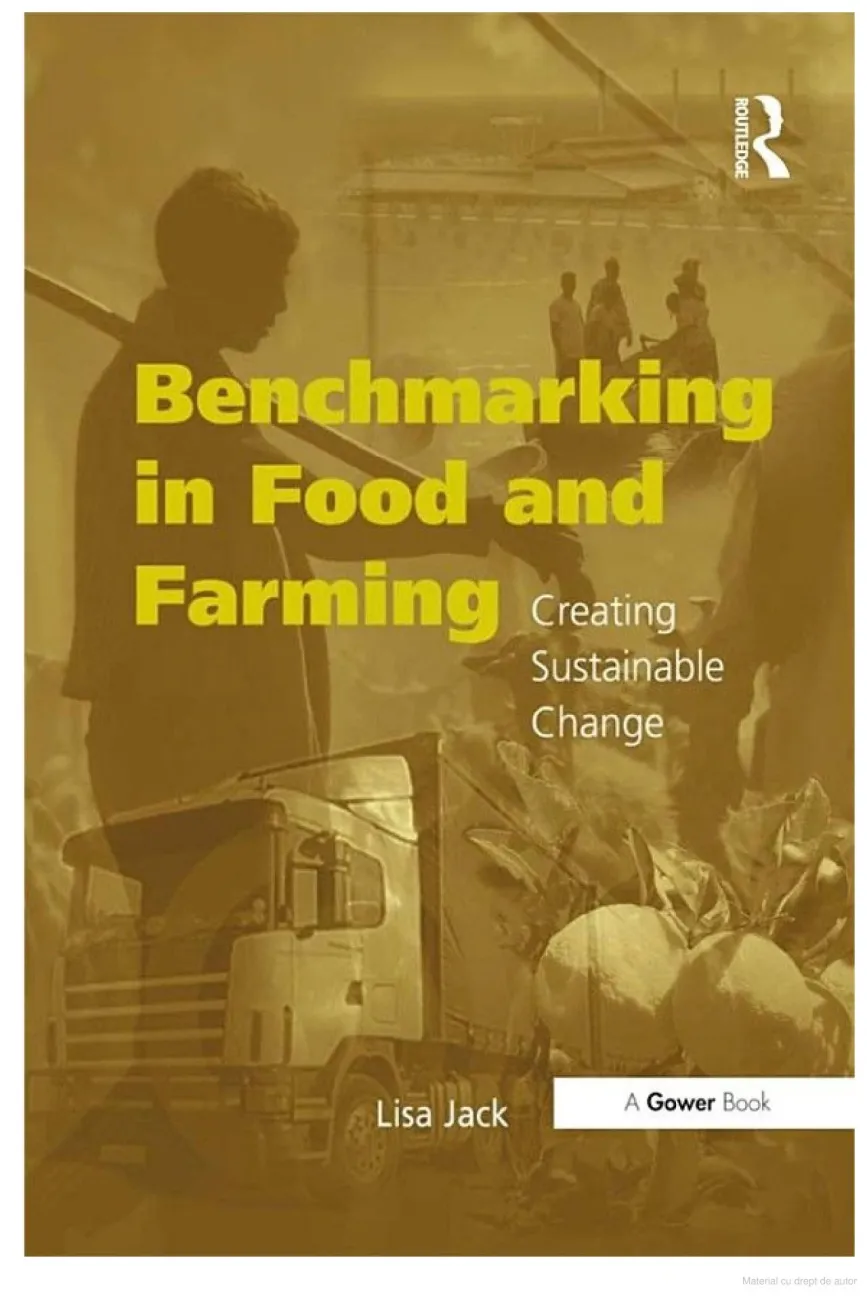
Image Books Benchmarking in Food and Farming As input prices surge, extreme weather is the norm and margins become tighter, food producers are making significant changes. Benchmarking to compare performance, author Lisa Jack argues, is essential to manage and assess these changes. She provides an overview of existing practices and explores the potential for them to drive sustainable innovation. Read
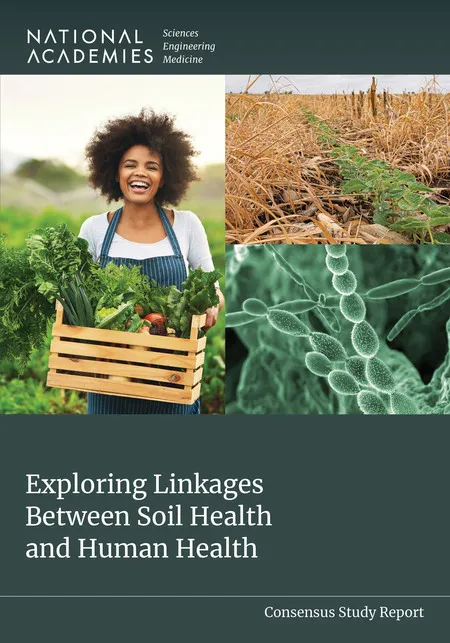
Image Reports Exploring Linkages Between Soil Health and Human Health The US Department of Agriculture funded this report by the National Academies of Sciences to explore the evidence of the interconnectedness of soil, plants, humans and other animals and if advances in this field could lead to drug development, address anti-microbial disease and soil-borne pathogens. Read
Image Reports Consumer perceptions of regenerative agriculture EIT Food surveyed European consumers to investigate the perceptions of regenerative agriculture. It found that people don’t often think about farming methods, view conventional farming with admiration and a source of national pride without recognising its impacts. Read
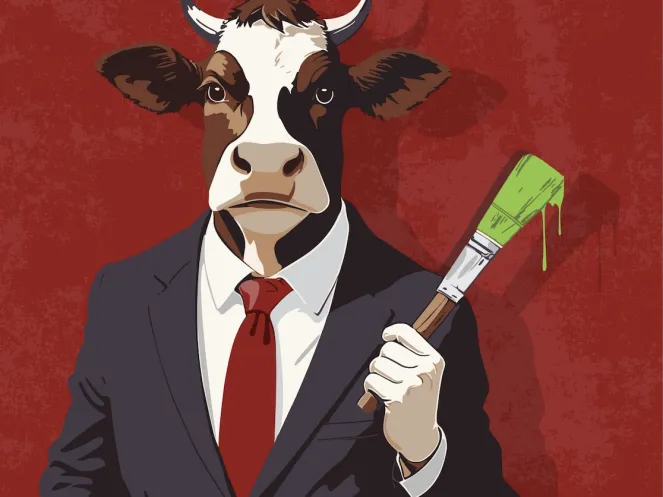
Image Reports The new merchants of doubt; how big food and dairy avoid climate action This report by Changing Markets provides an in-depth investigation into the tactics of meat and dairy companies to delay, distract and derail action on food system transformation, particularly reducing meat and dairy consumption. It argues that it mirrors the strategies used by tobacco and fossil fuel industries. Read
Image Journal articles Socio-economic assessment and genetically engineered crops in Africa: Building knowledge for development? This paper argues that research on genetically engineered crops in Africa fails to consider and report the social impacts, mainly focusing on crop yield and income and little or no attention paid to poverty alleviation, food security or gender equality. Read