Image Resources Our extensive research library contains thousands of summaries of journal articles, reports and news stories that can be searched by keyword and category RESOURCES CATEGORY Books Briefing paper Event recording Featured articles Featured report Game Journal articles News and resources Reports Think piece Video Working paper Workshop summary Year 2026 2025 2024 2023 2022 2021 2020 2019 2018 2017 2016 2015 2014 2013 2012 2011 2010 2009 2008 2007 2002 2001 Image Resource China’s government pressed to boost lamb and beef consumption by China Meat Association The China Meat Association (CMA) is now calling on the Chinese government to actively support the beef and lamb sector. Prices for beef and lamb have increased more than 10% in the past decade, fuelled by China’s runaway economic growth. As Chinese consumers’ income and standard of living improves, demand for red meat has grown. Read Image Resource Guardian editorial: The Guardian view on food security: if the dreamers lose, we face a nightmare This editorial in the guardian argues that food and hunger should be at the table in the Paris climate meeting later this year. The Editor writes: Read Image Resource New commission aims to make UK a leader in 'cold economy' A new research project at University of Birmingham aims to investigate new technologies and innovative business models that could meet the world's growing demand for air conditioning and refrigeration without increasing carbon emissions. Read the full article from Business Green here. You can also find more information on the University of Birmingham website here. Read Image Resource Videos: Outputs from “Valuing our Life Support Systems” now online You can now view videos of all key note presentations from the Natural Capital Initiative's second “Valuing our Life Support Systems 2014” event. You can also view and download power point presentations given by key note and session speakers. The NCI report of the meeting in its entirety will be published in early spring. Read Image Resource Videos: ESRC seminar series, “The fruits of our labour - Work, labour and the political economy of our food system” The inaugural event in the ESRC series explored the political economy of food and agriculture, its influence on those working in the agri-food sector, and how issues of labour interact with other challenges facing the food system. The seminar attempted to examine the production process hidden from consumers to tell the story of those working within the agri-food sector. Furthermore it sought to understand new forms of labour and labour structures that are emerging as a response to the problems faced by the agri-food system and how far they might go towards addressing them. See the videos from the event here. Read Image Resource The Indian state of Maharashtra bans beef Beef has now been banned in the state of Maharashtra in India. India is a country where 80% of the population is Hindu, and where cows are revered. The ban has generated much criticism and the hashtag #BeefBan has fast become one of the world's top trending hashtags. Read Image Resource Brief for GSDR 2015: Sustainable Biomass in the Context of Climate Change and Rising Demand This short briefing for the Global Sustainable Development report 2015 by two researchers at IASS, Potsdam, discusses scientific findings on the sustainability of biomass production and their implications for Sustainability, Development Policy and the SDGs in particular. Read Image Resource Briefing: How TTIP undermines food safety and animal welfare In a new briefing – “How TTIP undermines food safety and animal welfare”, Friends of the Earth Europe, Compassion in World Farming, IATP, Grain and the Center for Food Safety, says that TTIP (the Transatlantic Trade and Investment Partnership) is likely to restrict efforts to build healthier, fairer and more sustainable food systems on both sides of the Atlantic. Read Image Resource New CCAFS working paper: Reducing the environmental impact of a rapidly growing livestock sector A new CCAFS working paper, Climate-smart livestock sector development: the state of play in NAMA development, sheds light on key elements in the development of Nationally Appropriate Mitigation Actions (NAMAs) within the livestock sector. Read VIEW MORE
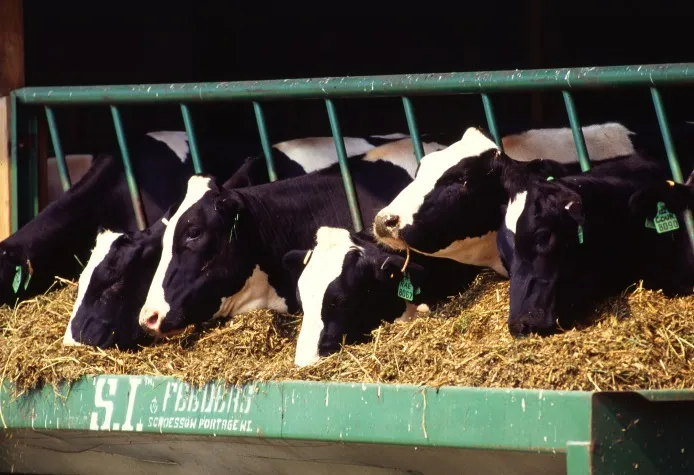
Image Resource China’s government pressed to boost lamb and beef consumption by China Meat Association The China Meat Association (CMA) is now calling on the Chinese government to actively support the beef and lamb sector. Prices for beef and lamb have increased more than 10% in the past decade, fuelled by China’s runaway economic growth. As Chinese consumers’ income and standard of living improves, demand for red meat has grown. Read
Image Resource Guardian editorial: The Guardian view on food security: if the dreamers lose, we face a nightmare This editorial in the guardian argues that food and hunger should be at the table in the Paris climate meeting later this year. The Editor writes: Read
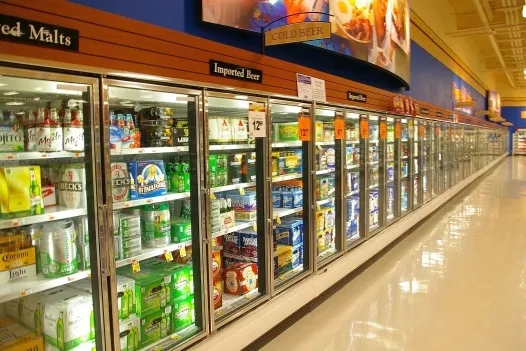
Image Resource New commission aims to make UK a leader in 'cold economy' A new research project at University of Birmingham aims to investigate new technologies and innovative business models that could meet the world's growing demand for air conditioning and refrigeration without increasing carbon emissions. Read the full article from Business Green here. You can also find more information on the University of Birmingham website here. Read
Image Resource Videos: Outputs from “Valuing our Life Support Systems” now online You can now view videos of all key note presentations from the Natural Capital Initiative's second “Valuing our Life Support Systems 2014” event. You can also view and download power point presentations given by key note and session speakers. The NCI report of the meeting in its entirety will be published in early spring. Read
Image Resource Videos: ESRC seminar series, “The fruits of our labour - Work, labour and the political economy of our food system” The inaugural event in the ESRC series explored the political economy of food and agriculture, its influence on those working in the agri-food sector, and how issues of labour interact with other challenges facing the food system. The seminar attempted to examine the production process hidden from consumers to tell the story of those working within the agri-food sector. Furthermore it sought to understand new forms of labour and labour structures that are emerging as a response to the problems faced by the agri-food system and how far they might go towards addressing them. See the videos from the event here. Read
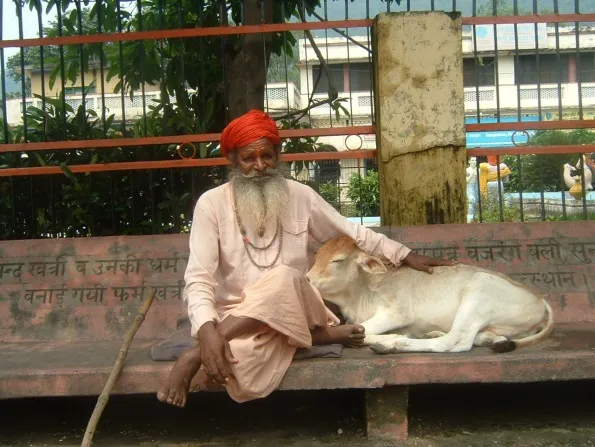
Image Resource The Indian state of Maharashtra bans beef Beef has now been banned in the state of Maharashtra in India. India is a country where 80% of the population is Hindu, and where cows are revered. The ban has generated much criticism and the hashtag #BeefBan has fast become one of the world's top trending hashtags. Read
Image Resource Brief for GSDR 2015: Sustainable Biomass in the Context of Climate Change and Rising Demand This short briefing for the Global Sustainable Development report 2015 by two researchers at IASS, Potsdam, discusses scientific findings on the sustainability of biomass production and their implications for Sustainability, Development Policy and the SDGs in particular. Read
Image Resource Briefing: How TTIP undermines food safety and animal welfare In a new briefing – “How TTIP undermines food safety and animal welfare”, Friends of the Earth Europe, Compassion in World Farming, IATP, Grain and the Center for Food Safety, says that TTIP (the Transatlantic Trade and Investment Partnership) is likely to restrict efforts to build healthier, fairer and more sustainable food systems on both sides of the Atlantic. Read
Image Resource New CCAFS working paper: Reducing the environmental impact of a rapidly growing livestock sector A new CCAFS working paper, Climate-smart livestock sector development: the state of play in NAMA development, sheds light on key elements in the development of Nationally Appropriate Mitigation Actions (NAMAs) within the livestock sector. Read