Image Resources Our extensive research library contains thousands of summaries of journal articles, reports and news stories that can be searched by keyword and category RESOURCES CATEGORY Books Briefing paper Event recording Featured articles Featured report Game Journal articles News and resources Reports Think piece Video Working paper Workshop summary Year 2026 2025 2024 2023 2022 2021 2020 2019 2018 2017 2016 2015 2014 2013 2012 2011 2010 2009 2008 2007 2002 2001 Image Resource Carbon brief Election 2017 analysis: What the manifestos say on energy and climate change Ahead of the third UK election in as many years (8th June 2017), Carbon Brief is tracking the climate change and energy content of parties’ manifestos. The site allows you to navigate around to explore the parties’ climate and energy plans and compare this year’s promises with what the parties said before the last election via a publicly-accessible spreadsheet, which covers both 2015 and 2017. Read Image Resource Food, Agriculture and Social Change - The Everyday Vitality of Latin America Through case studies in seven Latin American countries, this book looks at development and social change in food and agriculture across the region. It presents examples of how people diversely meet their food needs while confronting the region’s most pressing social, health and environmental concerns. Read Image Resource Eating better report: The future of eating is flexitarian This report from The Eating Better Alliance looks at the role of business in leading the way to help people make healthy and sustainable choices, including shifting to more plant-based eating with less and better meat. Read Image Resource Wasted food, wasted nutrients - study highlights nutrients lost as result of food wasted in US This paper shows that a huge amount of nutrients is wasted each day in the US food supply, and that much of this waste includes important nutrients that are currently under-consumed in the US. It is one of the first studies to calculate the nutritional value of food wasted in the US at the retail and consumer levels, shining a light on just how much protein, fibre and other important nutrients end up in the landfill in a single year. Read Image Resource Could consumption of insects, cultured meat or imitation meat reduce global agricultural land use? This paper compares stylised, hypothetical dietary scenarios to assess the potential for reducing agricultural land requirements. It suggests that a combination of smaller shifts in consumer diet behaviour – such as reducing beef consumption by replacing with chicken, introducing insects into mainstream diets and reducing consumer waste – could reduce agricultural land requirements. Read Image Resource Obesity now ranked as a chronic disease by the World Obesity Foundation in hope it will help encourage policy action The World Obesity Federation has published its position statement recognising obesity as a disease in the journal Obesity reviews. The World Obesity Federation is an organization representing professional societies from many countries that focus on research, education and health care for people with obesity. The Federation has commissioned this statement to argue for the position that ‘Obesity is a chronic relapsing disease process’ and to serve as the basis for their position on this issue. Read Image Resource Global meat news survey report on industry trends and impacts A Global Meat News survey of top industry professionals analysing trading trends and impacts on the meat industry globally shows that most respondents (24%) stated that the pressure to limit meat consumption was the factor that hit the industry as a whole the hardest in 2016. Read Image Resource Chatham House launches resourcetrade.earth and Tim Benton writes an introduction on global food trade The website resourcetrade.earth developed by Chatham House enables users to explore the dynamics of international trade in natural resources (including food and agricultural commodities), the sustainability implications of such trade, and the related interdependencies that emerge between importing and exporting countries and regions. Read Image Resource Interactive website by CIAT: The changing global diet This website published by The International Center for Tropical Agriculture (CIAT), presents interactive visual information and statistics on how food supplies around the world have changed in the past 50 years. Read VIEW MORE
Image Resource Carbon brief Election 2017 analysis: What the manifestos say on energy and climate change Ahead of the third UK election in as many years (8th June 2017), Carbon Brief is tracking the climate change and energy content of parties’ manifestos. The site allows you to navigate around to explore the parties’ climate and energy plans and compare this year’s promises with what the parties said before the last election via a publicly-accessible spreadsheet, which covers both 2015 and 2017. Read
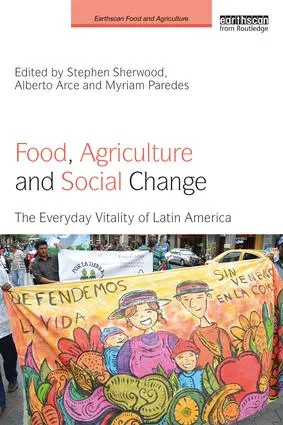
Image Resource Food, Agriculture and Social Change - The Everyday Vitality of Latin America Through case studies in seven Latin American countries, this book looks at development and social change in food and agriculture across the region. It presents examples of how people diversely meet their food needs while confronting the region’s most pressing social, health and environmental concerns. Read
Image Resource Eating better report: The future of eating is flexitarian This report from The Eating Better Alliance looks at the role of business in leading the way to help people make healthy and sustainable choices, including shifting to more plant-based eating with less and better meat. Read
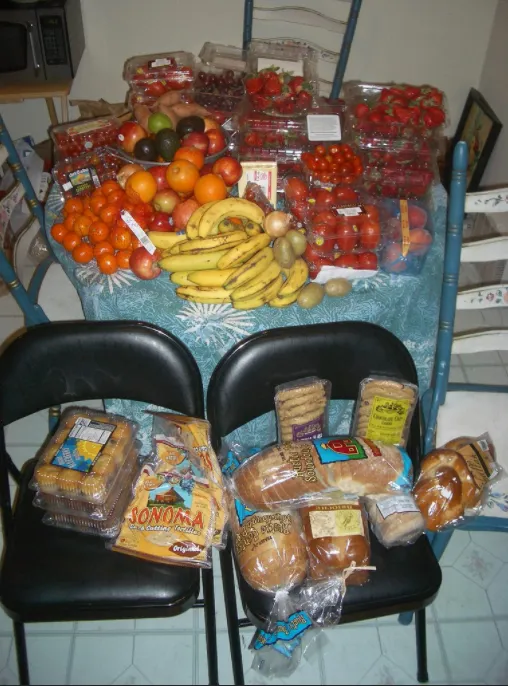
Image Resource Wasted food, wasted nutrients - study highlights nutrients lost as result of food wasted in US This paper shows that a huge amount of nutrients is wasted each day in the US food supply, and that much of this waste includes important nutrients that are currently under-consumed in the US. It is one of the first studies to calculate the nutritional value of food wasted in the US at the retail and consumer levels, shining a light on just how much protein, fibre and other important nutrients end up in the landfill in a single year. Read
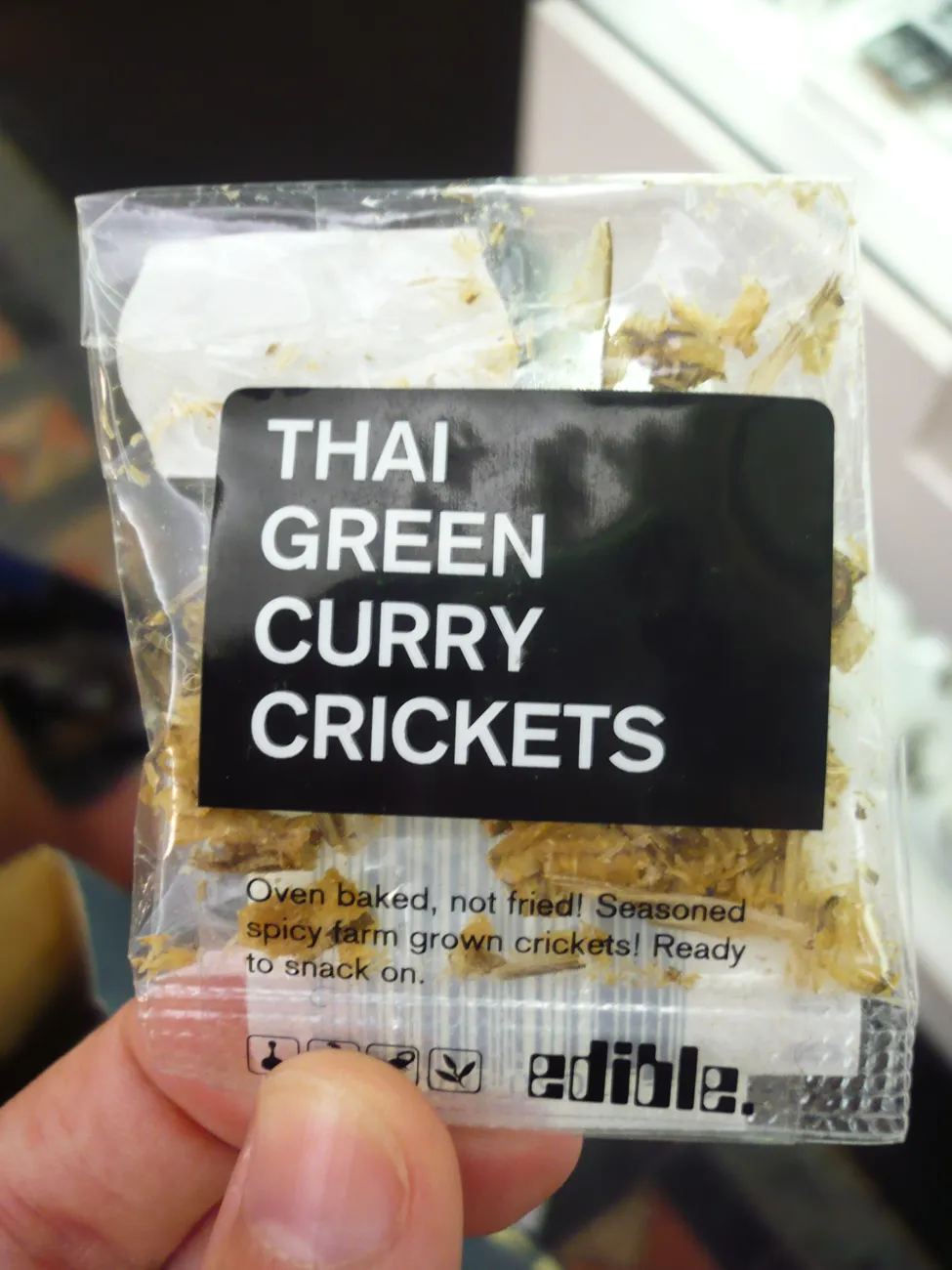
Image Resource Could consumption of insects, cultured meat or imitation meat reduce global agricultural land use? This paper compares stylised, hypothetical dietary scenarios to assess the potential for reducing agricultural land requirements. It suggests that a combination of smaller shifts in consumer diet behaviour – such as reducing beef consumption by replacing with chicken, introducing insects into mainstream diets and reducing consumer waste – could reduce agricultural land requirements. Read
Image Resource Obesity now ranked as a chronic disease by the World Obesity Foundation in hope it will help encourage policy action The World Obesity Federation has published its position statement recognising obesity as a disease in the journal Obesity reviews. The World Obesity Federation is an organization representing professional societies from many countries that focus on research, education and health care for people with obesity. The Federation has commissioned this statement to argue for the position that ‘Obesity is a chronic relapsing disease process’ and to serve as the basis for their position on this issue. Read
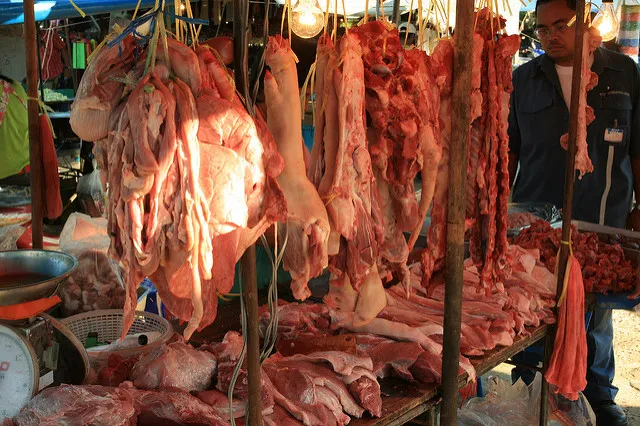
Image Resource Global meat news survey report on industry trends and impacts A Global Meat News survey of top industry professionals analysing trading trends and impacts on the meat industry globally shows that most respondents (24%) stated that the pressure to limit meat consumption was the factor that hit the industry as a whole the hardest in 2016. Read
Image Resource Chatham House launches resourcetrade.earth and Tim Benton writes an introduction on global food trade The website resourcetrade.earth developed by Chatham House enables users to explore the dynamics of international trade in natural resources (including food and agricultural commodities), the sustainability implications of such trade, and the related interdependencies that emerge between importing and exporting countries and regions. Read
Image Resource Interactive website by CIAT: The changing global diet This website published by The International Center for Tropical Agriculture (CIAT), presents interactive visual information and statistics on how food supplies around the world have changed in the past 50 years. Read