Image Resources Our extensive research library contains thousands of summaries of journal articles, reports and news stories that can be searched by keyword and category RESOURCES CATEGORY Books Briefing paper Event recording Featured articles Featured report Game Journal articles News and resources Reports Think piece Video Working paper Workshop summary Year 2026 2025 2024 2023 2022 2021 2020 2019 2018 2017 2016 2015 2014 2013 2012 2011 2010 2009 2008 2007 2002 2001 Image Journal articles Uncertainty in mitigation of agricultural GHG emissions The cost-effectiveness of different methods of cutting agricultural greenhouse gas emissions is often calculated using marginal abatement cost curves (MACCs). FCRN member Dominic Moran of the University of Edinburgh has quantified the uncertainties in calculating MACCs for Scottish agricultural mitigation options, including improving land drainage, improving the timing of nitrogen application, and using controlled release fertilisers. The paper suggests that policymakers may wish to exclude options that have a high uncertainty, as they may not always be as cost-effective as the MACC suggests. Read Image Journal articles Weed killer glyphosate harms honey bee gut microbiota The common weed killer glyphosate targets an enzyme only found in plants and microorganisms. However, a new paper finds that glyphosate can harm honey bees even though they lack the targeted enzyme. Glyphosate does this by changing the balance of microorganisms (some of which contain the relevant enzyme) found in the bees’ guts, making the bees more susceptible to infections. Read Image Journal articles Improving silvopastures for bird conservation Birds catch insects less frequently in silvopastures (grazing land with substantial tree cover) than in forest fragments, according to a study in the Colombian Andes. This suggests that silvopasture provides relatively lower quality habitat for the bird species studied. However, the paper proposes some measures to improve the quality of silvopastures as habitats for birds, including encouraging certain tree species and forming particular microhabitats, such as vine tangles and hanging dead leaves. Read Image Journal articles Classifying drivers of global forest loss 27% of global deforestation since 2001 has been caused by permanent land use change for producing commodities (such as beef, soy and palm oil), according to a recent paper. The researchers used satellite imagery to assess 10 km by 10 km grid cells across the globe and categorised each cell by likely forest disturbance type: commodity production, shifting agriculture, managed forestry, wildfire, or urbanisation. Read Image Journal articles Environmental costs and benefits of high-yield farming Relatively intensive, high-yield farming systems often have lower environmental impacts per unit of product, according to a new paper. The paper used a new framework to measure both land use and major environmental externalities (greenhouse gas emissions, water use, and nitrogen, phosphorus and soil losses) for several different farming systems. Read Image News and resources Commentary: The ugly truth about the ugly produce movement An op-ed by Phat Beets Produce and Food First, both Californian food justice organisations, argues that commercial ventures buying and selling cheap “ugly” (e.g. misshapen) produce are undercutting food justice initiatives (such as Phat Beets Produce’s own community-supported agriculture scheme) and reducing the amount of surplus food available to be sent to food banks. Read Image News and resources Millions of animals die following Hurricane Florence The flooding caused by Hurricane Florence in North Carolina has drowned millions of chickens and thousands of pigs that were left on farms during the storm. The floodwaters have also caused at least 13 manure storage lagoons to overspill, spreading potentially dangerous bacteria and excess nutrients to the surrounding areas. Read Image News and resources Blog: Following sustainable food narratives in Singapore FCRN member Monika Rut of Trinity College Dublin has written a blog post about her research on the food sharing landscape in Singapore, as part of the SHARECITY project. She discusses projects including the Singapore Food Bank, Edible Garden City, and SG Food Rescue. Read Image News and resources Eating Better launches “Less and better” video The UK’s Eating Better alliance has launched a new video exploring how to eat “Less and better” meat, where the alliance defines “better” as being better for the environment, health and food workers. The video explains several different labels that can be found on meat, including the Red Tractor, organic, free range, and RSPCA assured. Read VIEW MORE
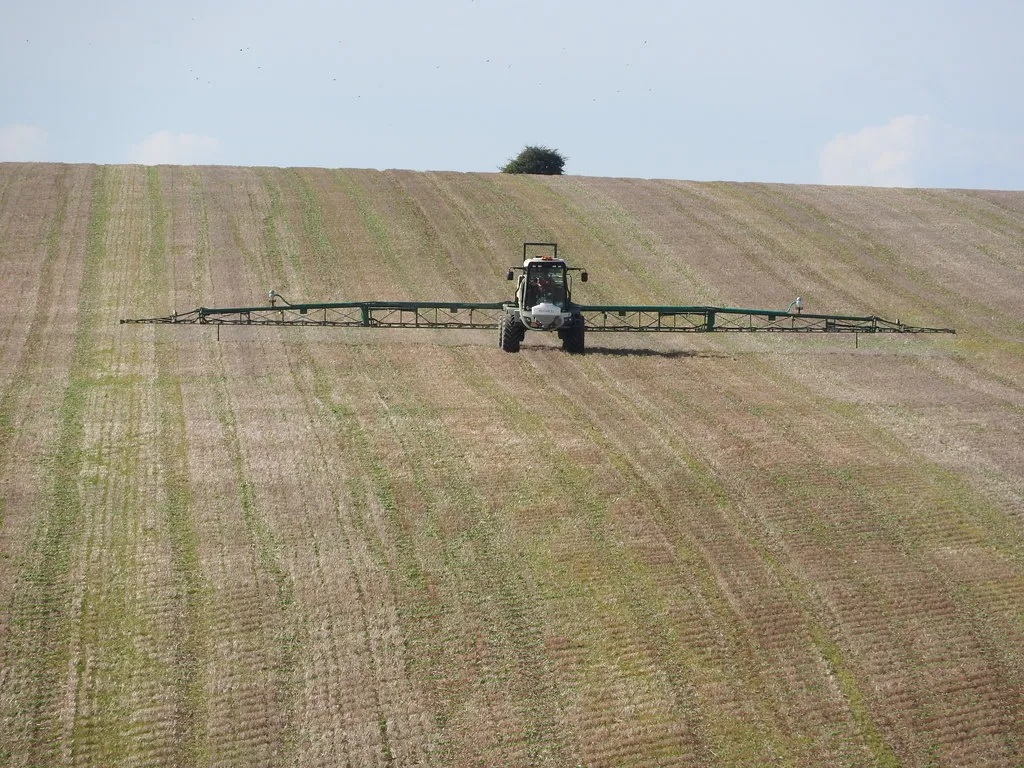
Image Journal articles Uncertainty in mitigation of agricultural GHG emissions The cost-effectiveness of different methods of cutting agricultural greenhouse gas emissions is often calculated using marginal abatement cost curves (MACCs). FCRN member Dominic Moran of the University of Edinburgh has quantified the uncertainties in calculating MACCs for Scottish agricultural mitigation options, including improving land drainage, improving the timing of nitrogen application, and using controlled release fertilisers. The paper suggests that policymakers may wish to exclude options that have a high uncertainty, as they may not always be as cost-effective as the MACC suggests. Read
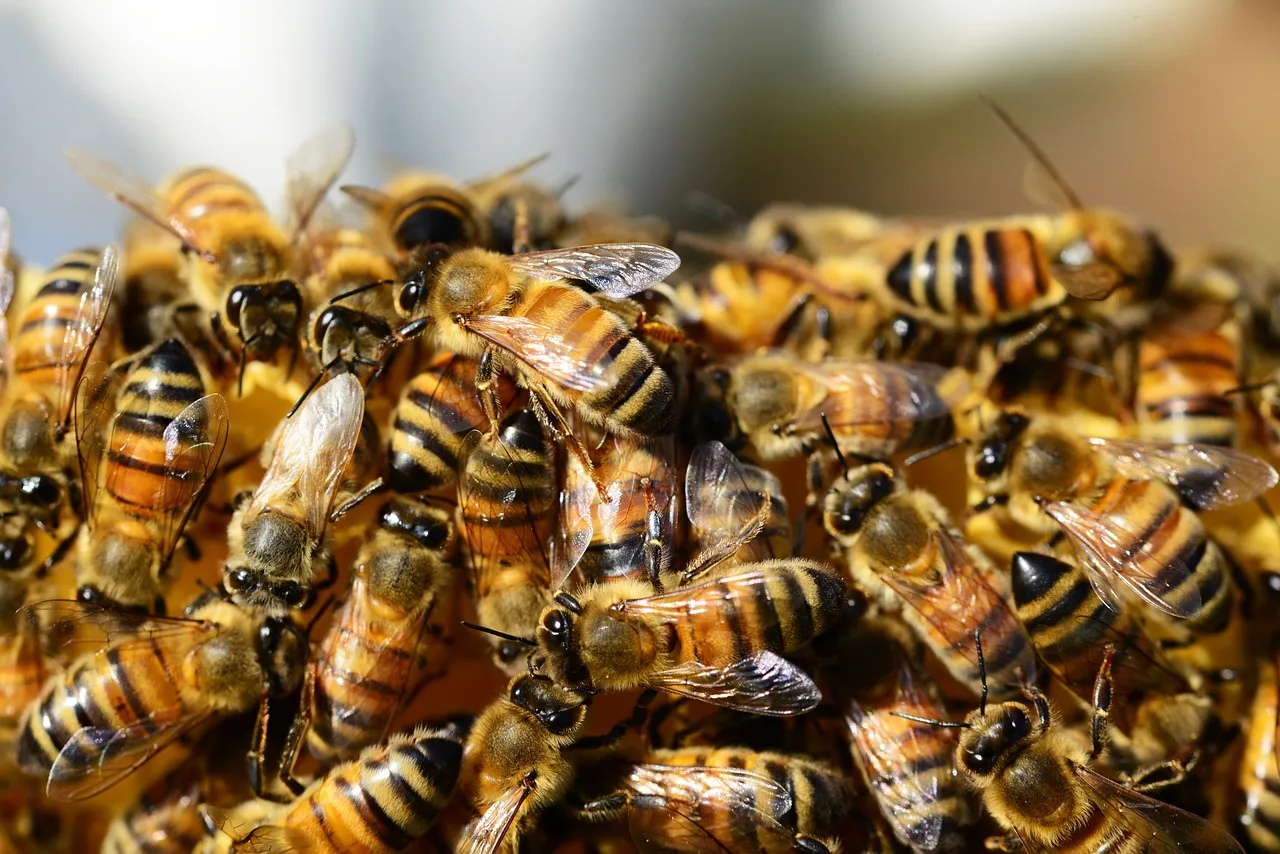
Image Journal articles Weed killer glyphosate harms honey bee gut microbiota The common weed killer glyphosate targets an enzyme only found in plants and microorganisms. However, a new paper finds that glyphosate can harm honey bees even though they lack the targeted enzyme. Glyphosate does this by changing the balance of microorganisms (some of which contain the relevant enzyme) found in the bees’ guts, making the bees more susceptible to infections. Read
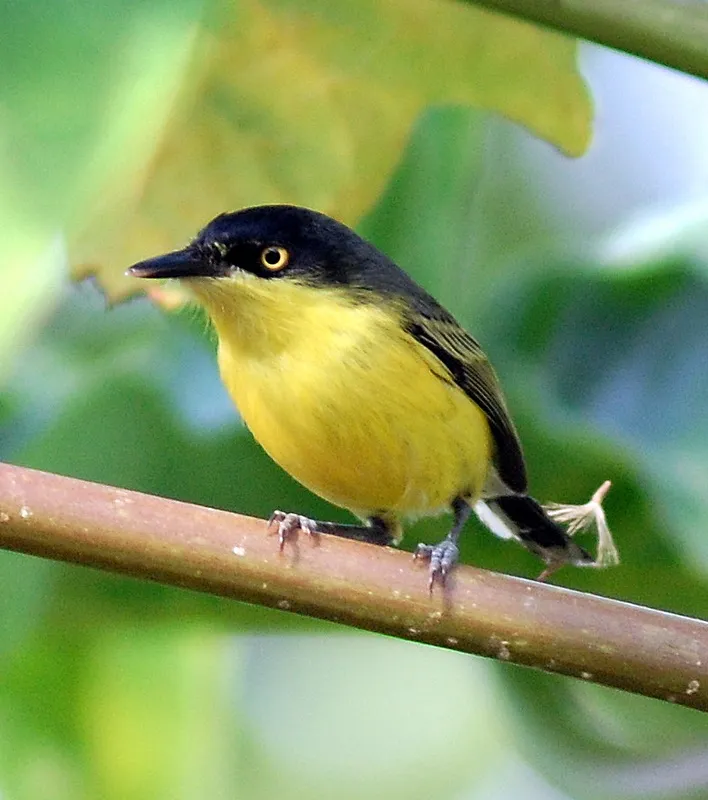
Image Journal articles Improving silvopastures for bird conservation Birds catch insects less frequently in silvopastures (grazing land with substantial tree cover) than in forest fragments, according to a study in the Colombian Andes. This suggests that silvopasture provides relatively lower quality habitat for the bird species studied. However, the paper proposes some measures to improve the quality of silvopastures as habitats for birds, including encouraging certain tree species and forming particular microhabitats, such as vine tangles and hanging dead leaves. Read
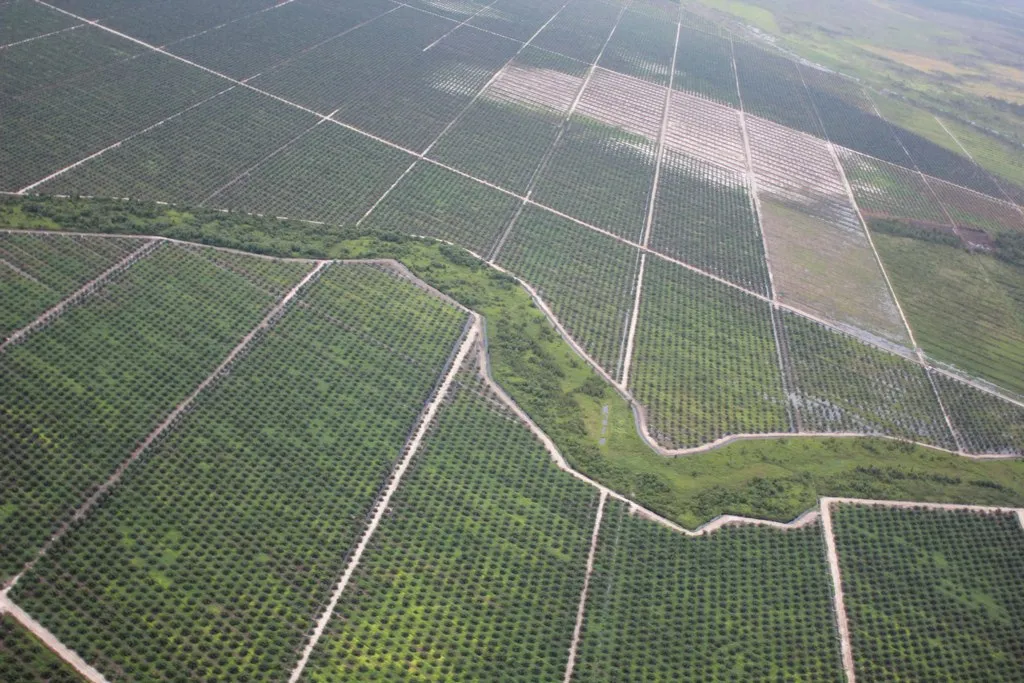
Image Journal articles Classifying drivers of global forest loss 27% of global deforestation since 2001 has been caused by permanent land use change for producing commodities (such as beef, soy and palm oil), according to a recent paper. The researchers used satellite imagery to assess 10 km by 10 km grid cells across the globe and categorised each cell by likely forest disturbance type: commodity production, shifting agriculture, managed forestry, wildfire, or urbanisation. Read
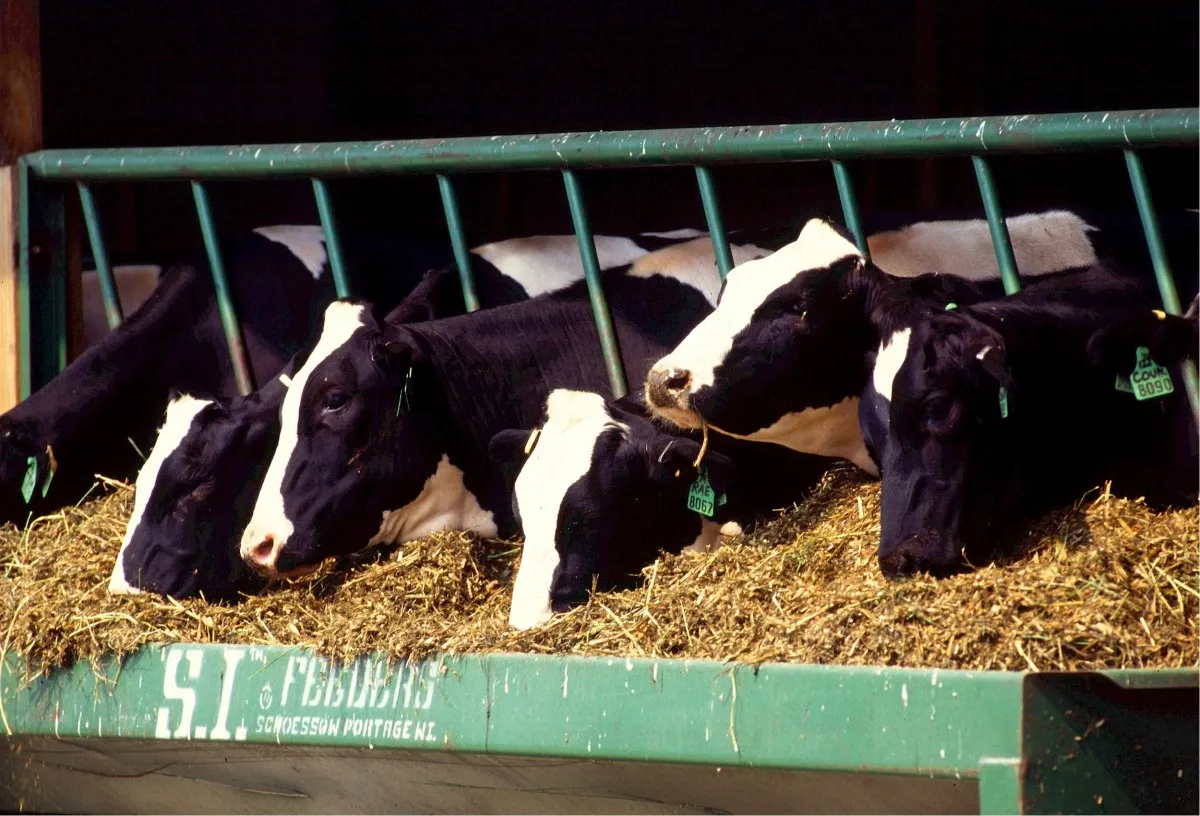
Image Journal articles Environmental costs and benefits of high-yield farming Relatively intensive, high-yield farming systems often have lower environmental impacts per unit of product, according to a new paper. The paper used a new framework to measure both land use and major environmental externalities (greenhouse gas emissions, water use, and nitrogen, phosphorus and soil losses) for several different farming systems. Read
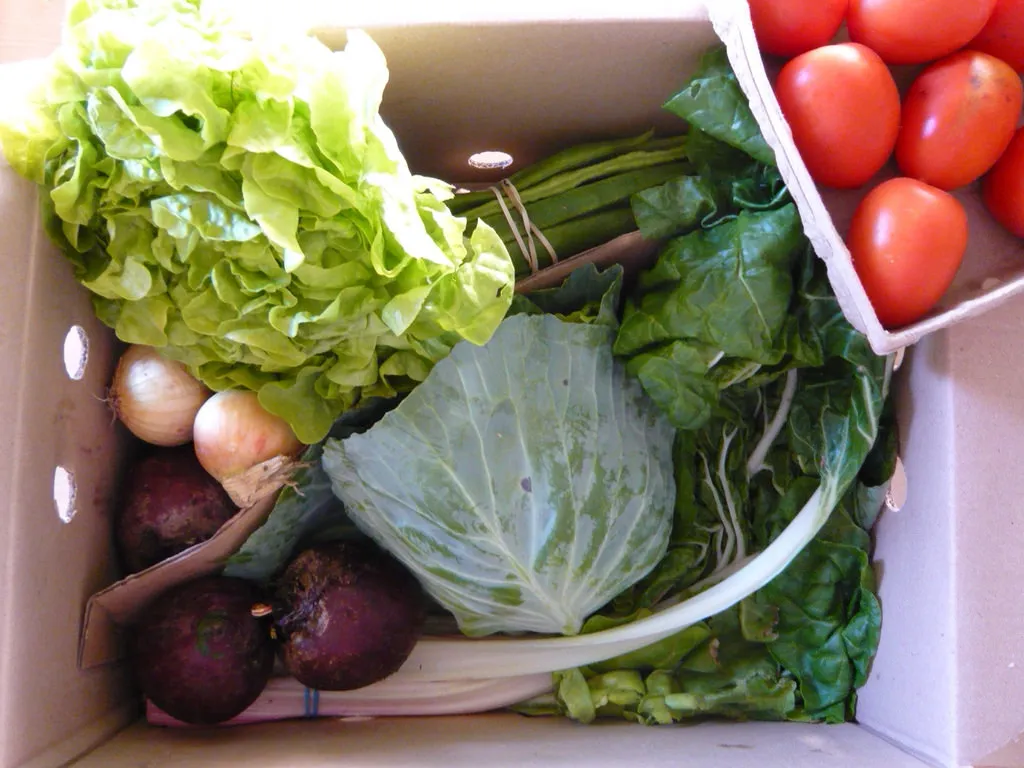
Image News and resources Commentary: The ugly truth about the ugly produce movement An op-ed by Phat Beets Produce and Food First, both Californian food justice organisations, argues that commercial ventures buying and selling cheap “ugly” (e.g. misshapen) produce are undercutting food justice initiatives (such as Phat Beets Produce’s own community-supported agriculture scheme) and reducing the amount of surplus food available to be sent to food banks. Read
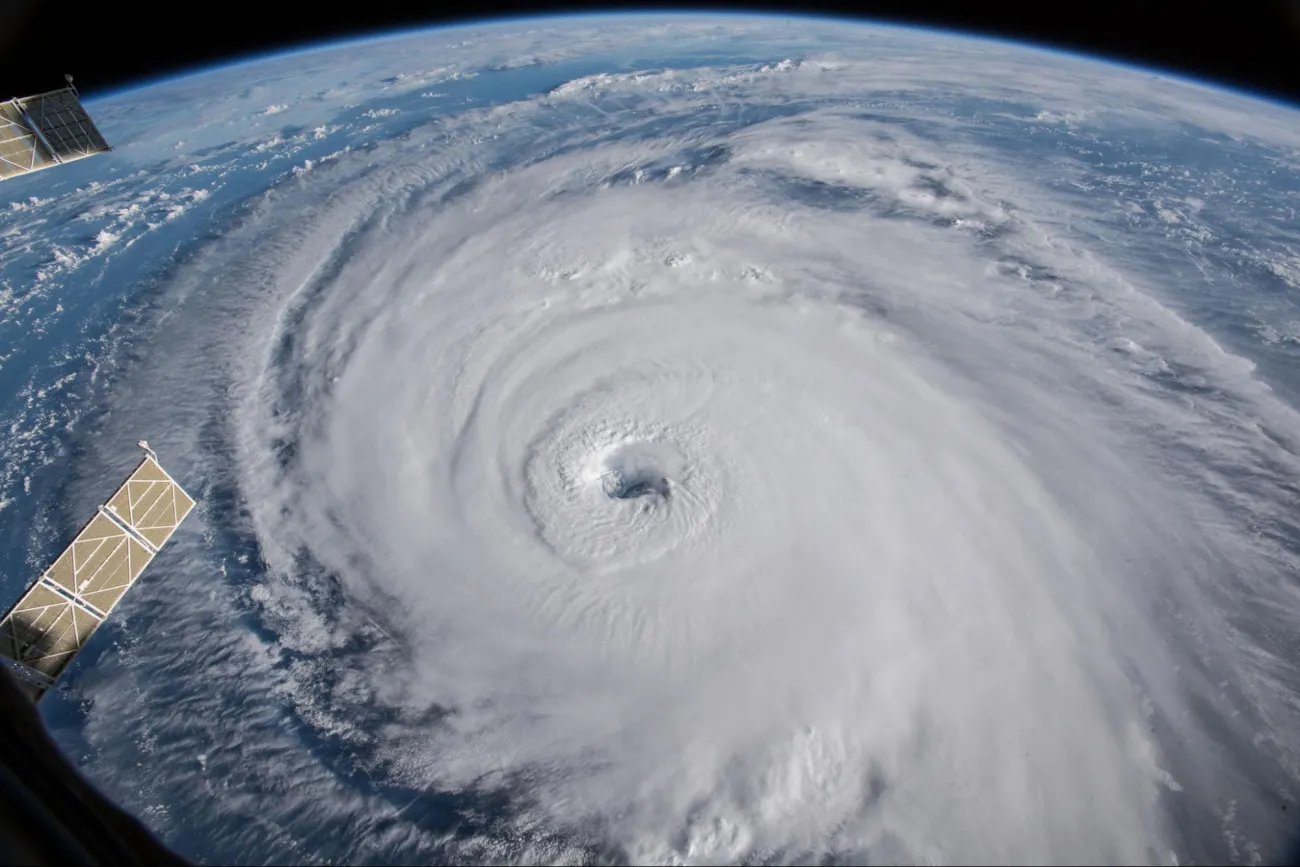
Image News and resources Millions of animals die following Hurricane Florence The flooding caused by Hurricane Florence in North Carolina has drowned millions of chickens and thousands of pigs that were left on farms during the storm. The floodwaters have also caused at least 13 manure storage lagoons to overspill, spreading potentially dangerous bacteria and excess nutrients to the surrounding areas. Read
Image News and resources Blog: Following sustainable food narratives in Singapore FCRN member Monika Rut of Trinity College Dublin has written a blog post about her research on the food sharing landscape in Singapore, as part of the SHARECITY project. She discusses projects including the Singapore Food Bank, Edible Garden City, and SG Food Rescue. Read
Image News and resources Eating Better launches “Less and better” video The UK’s Eating Better alliance has launched a new video exploring how to eat “Less and better” meat, where the alliance defines “better” as being better for the environment, health and food workers. The video explains several different labels that can be found on meat, including the Red Tractor, organic, free range, and RSPCA assured. Read