Image Resources Our extensive research library contains thousands of summaries of journal articles, reports and news stories that can be searched by keyword and category RESOURCES CATEGORY Books Briefing paper Event recording Featured articles Featured report Game Journal articles News and resources Reports Think piece Video Working paper Workshop summary Year 2026 2025 2024 2023 2022 2021 2020 2019 2018 2017 2016 2015 2014 2013 2012 2011 2010 2009 2008 2007 2002 2001 Image News and resources Dutch campaign encourages men to halve meat consumption The Dutch government-funded healthy eating agency Voedingscentrum has launched a new campaign encouraging men who eat a lot of meat to reduce their consumption. FCRN member Corné van Dooren says that men, on average, could eat 400g less meat per week to meet guidelines, while women could eat 100g less. Read Image Books Saving food - book on food waste This book, edited by Charis Galanakis, describes many different aspects of saving food and food security throughout the supply chain, including raising awareness, redistribution, policy, food conservation, cold chain, supply chain management, and waste reduction and recovery. Read Image Reports Fourth national climate assessment for the US The US Global Change Research Programme has published the second volume of its Fourth National Climate Assessment, which examines the human welfare, societal, and environmental impacts of climate change and variability across many sectors, including agriculture. Read Image Reports Local Authorities advised to prepare food Brexit plans The Food Research Collaboration argues in this report that every form of Brexit (for non UK readers, this is the UK’s upcoming departure from the European Union) will affect the UK’s food supply, and that Local Authorities should set up “food resilience teams” to assess local risks to food provision. Read Image Reports Snapshot – UK sustainable food systems in the spotlight In this report, the Food Ethics Council analyses the 2018 Food Sustainability Index (view interactive graphics here), which ranked the UK 16th out of 28 European Union countries and 24th out of 67 countries when averaged across a range of food sustainability indicators. Read Image Reports Global food systems are failing humanity, say researchers In this report, the InterAcademy Partnership expresses concern over the current state of global food systems and nutrition, and also identifies science-based initiatives that could contribute to solutions. Read Image Journal articles The triumph of the commons This paper describes eight examples where open-access property regimes do not lead to the well-known “tragedy of the commons” - i.e. overexploitation of the public resource - and outlines conditions that contribute to sustainable use of common-pool resources. Read Journal articles Shifting to plant proteins to mitigate climate change FCRN member Helen Harwatt outlines a three-step strategy for shifting from animal to plant proteins as part of climate change mitigation strategies, arguing that not acting on livestock emissions would require unrealistically ambitious emissions cuts in other sectors. Read Image Journal articles We need to talk about meat - The Lancet This editorial in The Lancet argues that countries and people should “limit their consumption of intensively farmed meats”, discusses recent papers on the environmental and health impacts of meat production and consumption, and points out that policies to reduce meat consumption may have to be tailored to different contexts. Read VIEW MORE
Image News and resources Dutch campaign encourages men to halve meat consumption The Dutch government-funded healthy eating agency Voedingscentrum has launched a new campaign encouraging men who eat a lot of meat to reduce their consumption. FCRN member Corné van Dooren says that men, on average, could eat 400g less meat per week to meet guidelines, while women could eat 100g less. Read
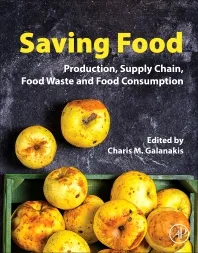
Image Books Saving food - book on food waste This book, edited by Charis Galanakis, describes many different aspects of saving food and food security throughout the supply chain, including raising awareness, redistribution, policy, food conservation, cold chain, supply chain management, and waste reduction and recovery. Read
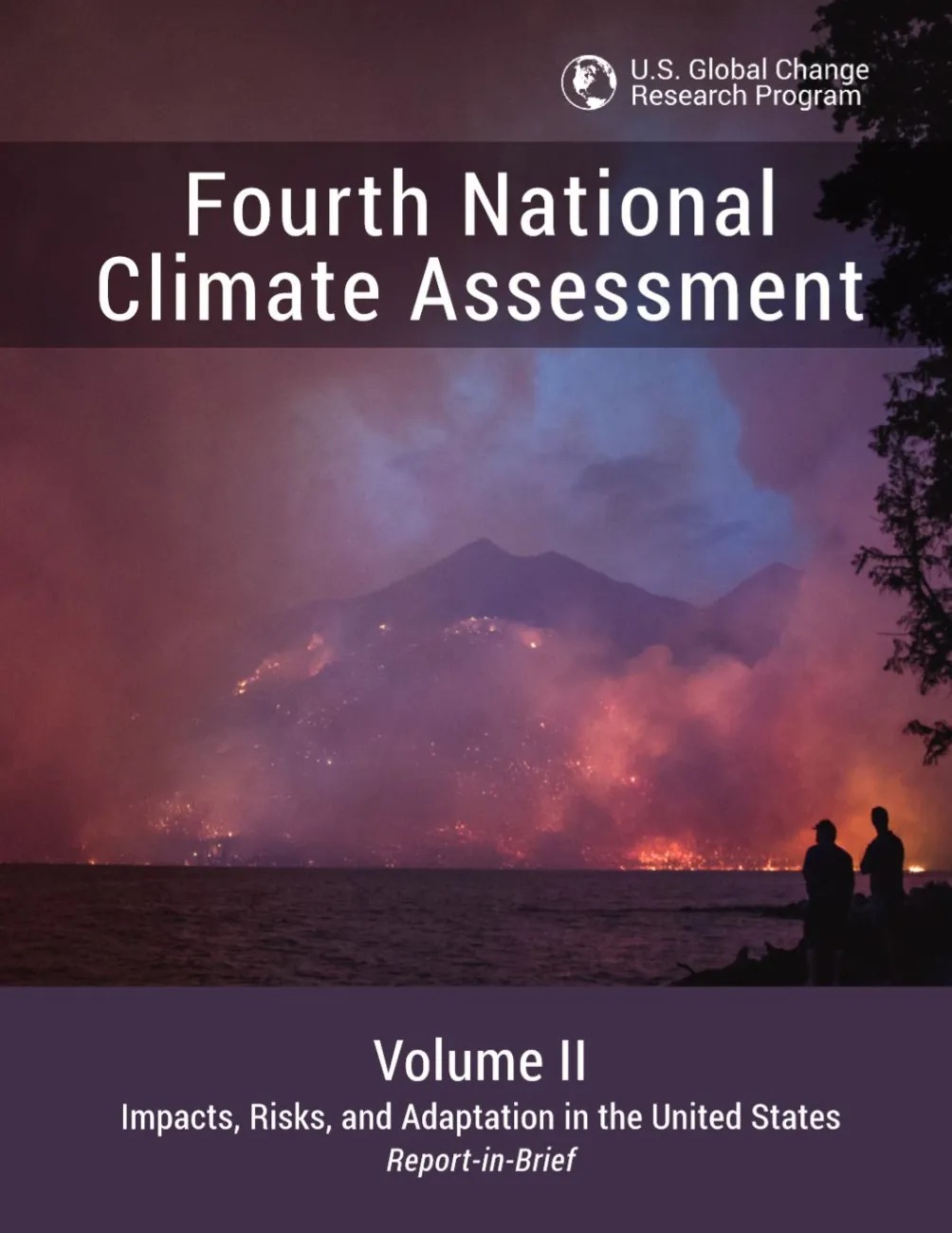
Image Reports Fourth national climate assessment for the US The US Global Change Research Programme has published the second volume of its Fourth National Climate Assessment, which examines the human welfare, societal, and environmental impacts of climate change and variability across many sectors, including agriculture. Read
Image Reports Local Authorities advised to prepare food Brexit plans The Food Research Collaboration argues in this report that every form of Brexit (for non UK readers, this is the UK’s upcoming departure from the European Union) will affect the UK’s food supply, and that Local Authorities should set up “food resilience teams” to assess local risks to food provision. Read
Image Reports Snapshot – UK sustainable food systems in the spotlight In this report, the Food Ethics Council analyses the 2018 Food Sustainability Index (view interactive graphics here), which ranked the UK 16th out of 28 European Union countries and 24th out of 67 countries when averaged across a range of food sustainability indicators. Read
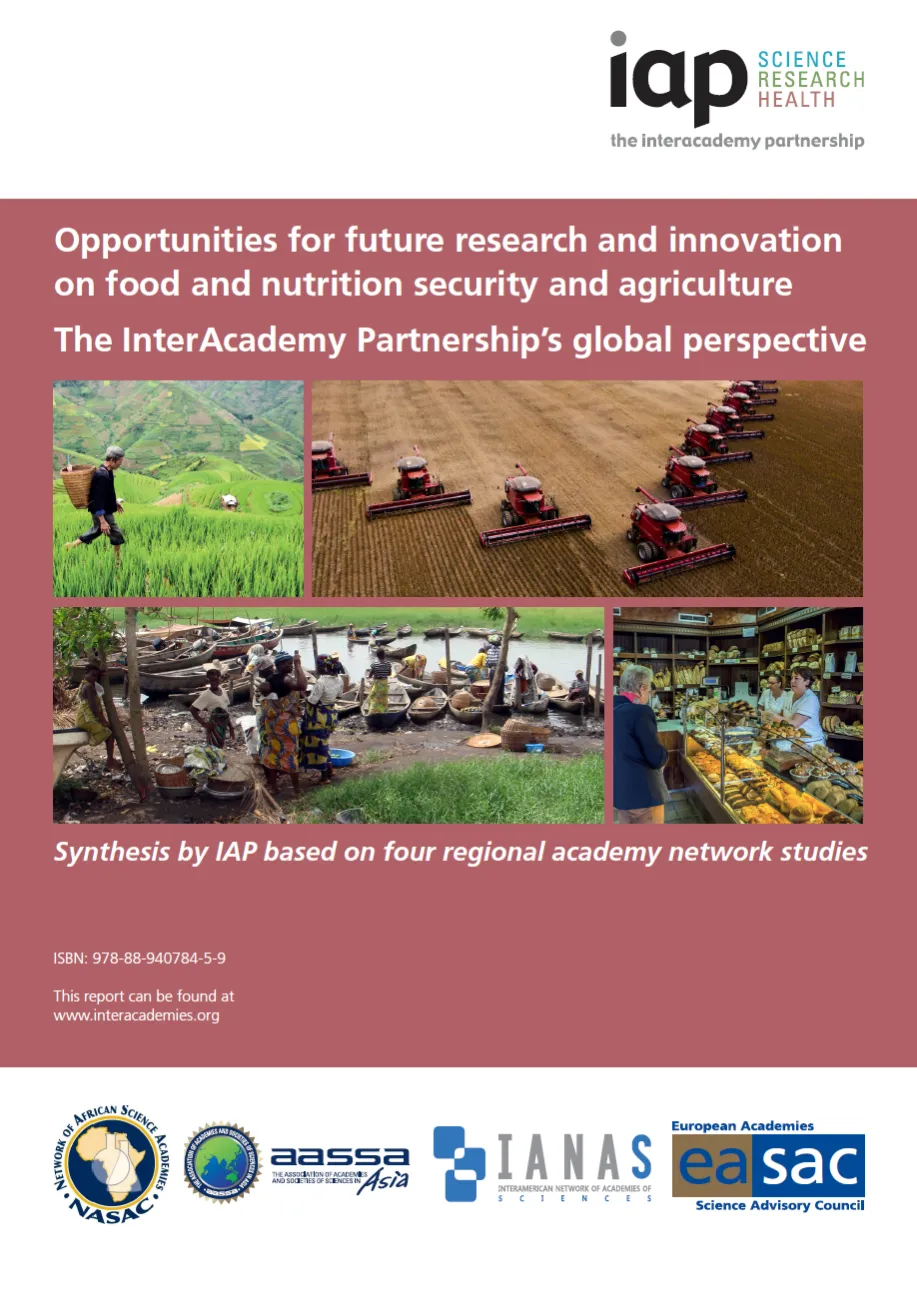
Image Reports Global food systems are failing humanity, say researchers In this report, the InterAcademy Partnership expresses concern over the current state of global food systems and nutrition, and also identifies science-based initiatives that could contribute to solutions. Read
Image Journal articles The triumph of the commons This paper describes eight examples where open-access property regimes do not lead to the well-known “tragedy of the commons” - i.e. overexploitation of the public resource - and outlines conditions that contribute to sustainable use of common-pool resources. Read
Journal articles Shifting to plant proteins to mitigate climate change FCRN member Helen Harwatt outlines a three-step strategy for shifting from animal to plant proteins as part of climate change mitigation strategies, arguing that not acting on livestock emissions would require unrealistically ambitious emissions cuts in other sectors. Read
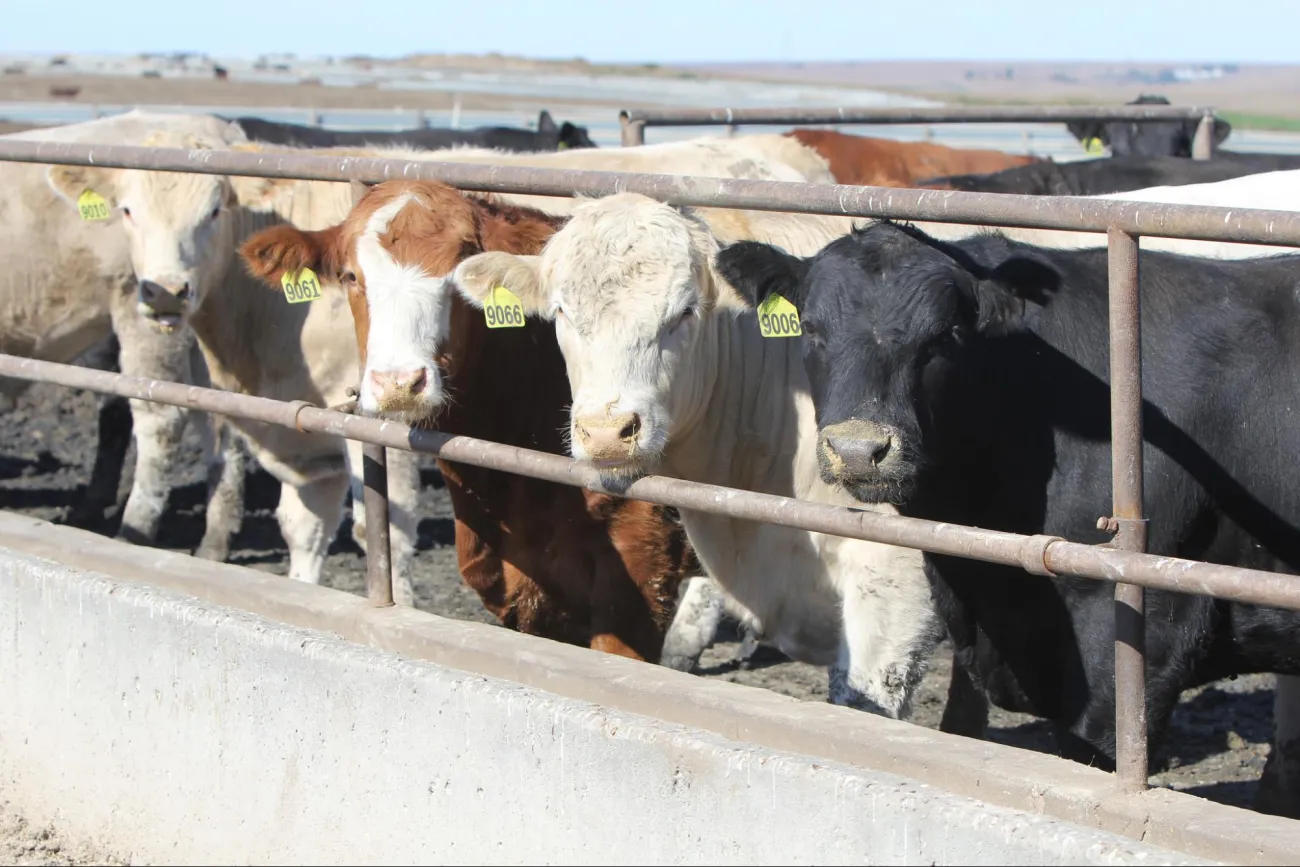
Image Journal articles We need to talk about meat - The Lancet This editorial in The Lancet argues that countries and people should “limit their consumption of intensively farmed meats”, discusses recent papers on the environmental and health impacts of meat production and consumption, and points out that policies to reduce meat consumption may have to be tailored to different contexts. Read