Image Resources Our extensive research library contains thousands of summaries of journal articles, reports and news stories that can be searched by keyword and category RESOURCES CATEGORY Books Briefing paper Event recording Featured articles Featured report Game Journal articles News and resources Reports Think piece Video Working paper Workshop summary Year 2026 2025 2024 2023 2022 2021 2020 2019 2018 2017 2016 2015 2014 2013 2012 2011 2010 2009 2008 2007 2002 2001 Image Journal articles 21st century precipitation changes across crop production areas This paper uses climate models to estimate that average precipitation across many crop production areas will change by more than natural variability throughout the 21st century. Changes are seen even if emissions are relatively low, but meeting the Paris climate goals could reduce the extent of cropland that is affected. Read Image Journal articles The contested promises of alternatives proteins FCRN member Alexandra Sexton describes the narratives and counter-narratives that have been used to talk about alternatives such as cultured meat and plant-based meat replacements. Read Image Journal articles The livestock sector and planetary boundaries In this paper, FCRN member Nicholas Bowles of the University of Melbourne reviews existing data on the environmental impacts of the livestock sector and considers these impacts in the context of planetary boundaries. The paper reports that efficiency alone is unlikely to be adequate to shrink livestock’s impacts to a sustainable level, and that dietary shifts will also be necessary. Read Image News and resources Italian olive harvest falls 57%, partly due to extreme weather Extreme weather events such as frosts, heavy rains and droughts are the main drivers of lower olive yields in Italy, according to Professor Riccardo Valentini of the Euro-Mediterranean Centre for Climate Change. Italy has experienced a 57% drop in olive oil production in 2018. Read Image Books There is no Planet B: A handbook for the make or break years This book by Mike Berners-Lee aims to provide a big-picture overview of how to solve the many environmental issues the world is facing now, including both systemic and personal paths of action. It is aimed at a wide audience including both policymakers and the general public. Chapter 2 is about food. Read Image Reports Abandoning farmland to conserve water in California Over half a million acres of irrigated farmland may have to be permanently taken out of agricultural use in the San Joaquin valley in California in order to conserve groundwater, according to this report by the non-profit Public Policy Institute of California. The report suggests using the land for generating solar energy, restoring ecosystems or managing flood risk by restoring floodplains. Read Image Reports Strengthening FAO’s commitment to agroecology This report from the Centre for Agroecology, Water and Resilience at Coventry University traces the work done on agroecology by the United Nations Food and Agriculture Organisation (FAO) and suggests how civil society, academics and other actors can encourage and strengthen this work. Read Image Reports Implications for business and trade of a ‘No Deal’ Brexit The UK Government has released a summary of the likely impacts on business and trade if the UK leaves the European Union without a withdrawal agreement on 29 March 2019 (i.e. a ‘no deal’ Brexit). Several items are relevant to the food system. See also the draft of temporary rates of customs duty on imports that will apply to different goods in the event of a no deal Brexit. Read Image Reports Brexit and Wales: A fresh approach to food and farming? In this latest instalment of the Food Brexit Briefings series by the UK’s Food Research Collaboration, the authors argue that the UK’s upcoming departure from the European Union presents an opportunity for Wales to reform its food and farming system, making use of both grassroots food initiatives and new legislation. Read VIEW MORE
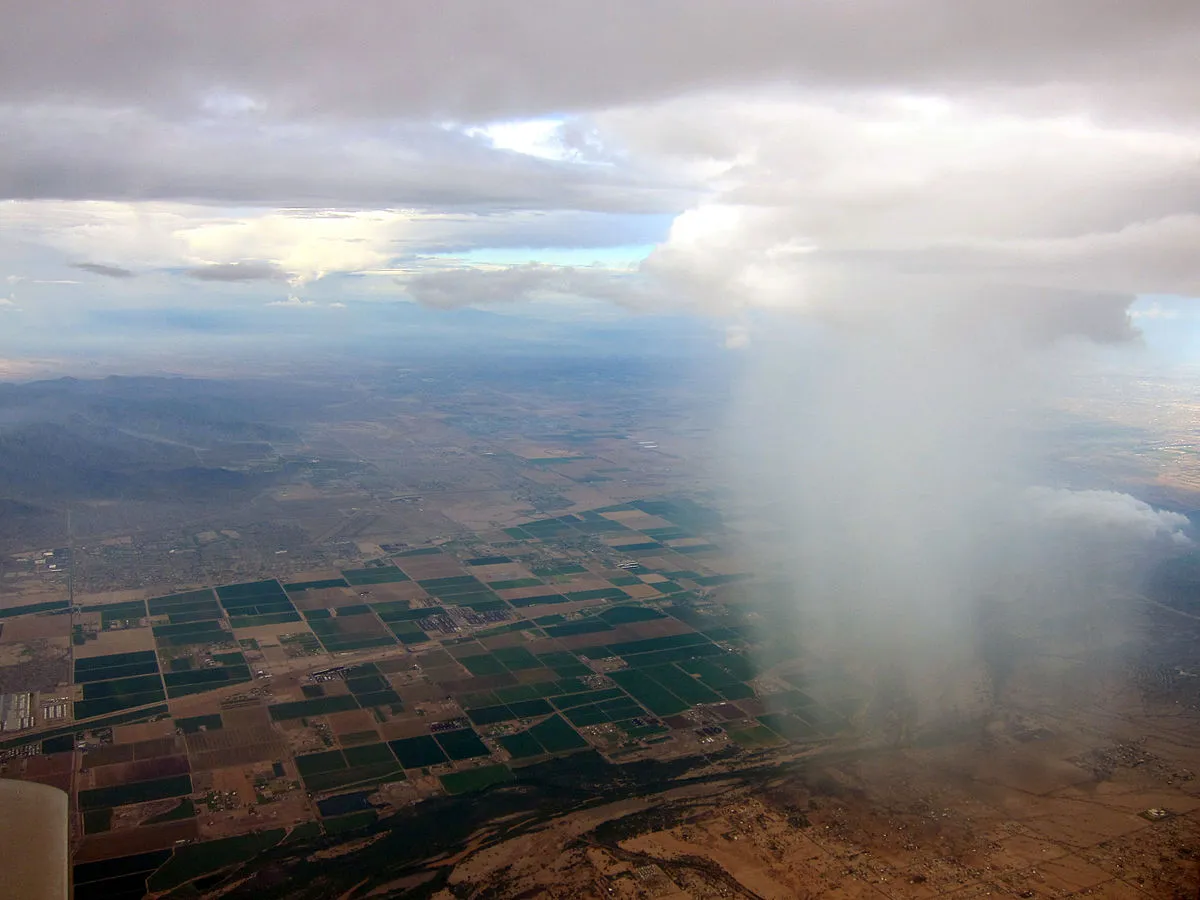
Image Journal articles 21st century precipitation changes across crop production areas This paper uses climate models to estimate that average precipitation across many crop production areas will change by more than natural variability throughout the 21st century. Changes are seen even if emissions are relatively low, but meeting the Paris climate goals could reduce the extent of cropland that is affected. Read
Image Journal articles The contested promises of alternatives proteins FCRN member Alexandra Sexton describes the narratives and counter-narratives that have been used to talk about alternatives such as cultured meat and plant-based meat replacements. Read
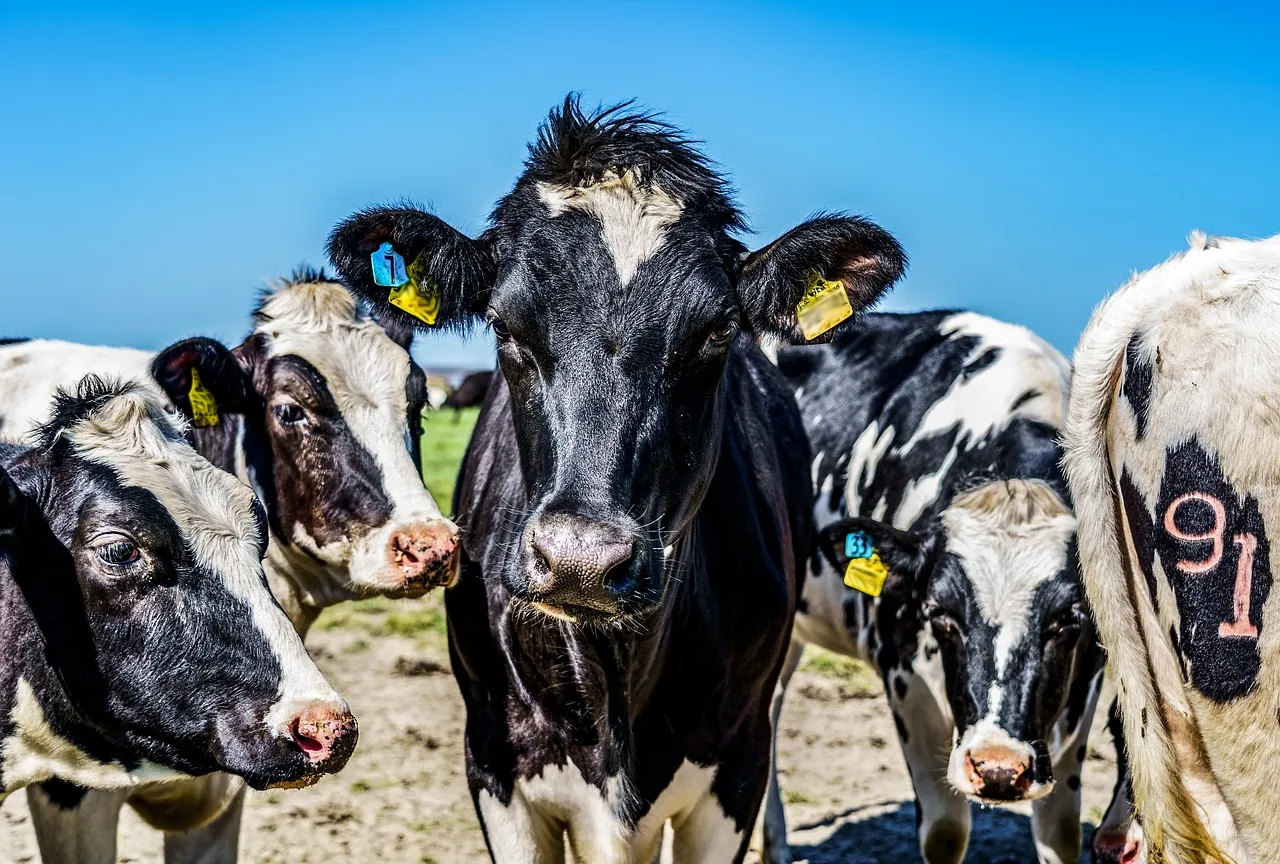
Image Journal articles The livestock sector and planetary boundaries In this paper, FCRN member Nicholas Bowles of the University of Melbourne reviews existing data on the environmental impacts of the livestock sector and considers these impacts in the context of planetary boundaries. The paper reports that efficiency alone is unlikely to be adequate to shrink livestock’s impacts to a sustainable level, and that dietary shifts will also be necessary. Read
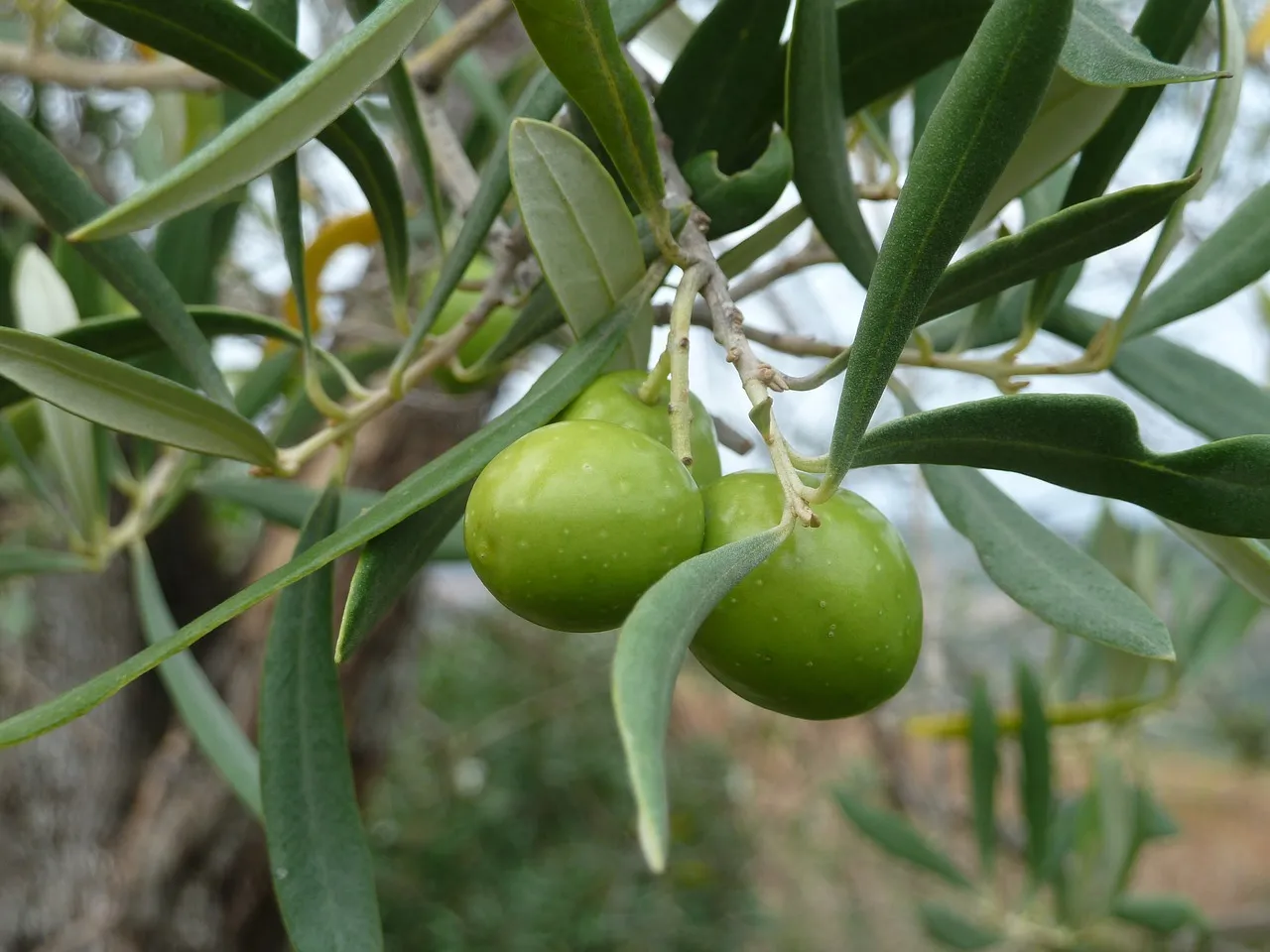
Image News and resources Italian olive harvest falls 57%, partly due to extreme weather Extreme weather events such as frosts, heavy rains and droughts are the main drivers of lower olive yields in Italy, according to Professor Riccardo Valentini of the Euro-Mediterranean Centre for Climate Change. Italy has experienced a 57% drop in olive oil production in 2018. Read
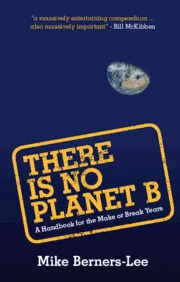
Image Books There is no Planet B: A handbook for the make or break years This book by Mike Berners-Lee aims to provide a big-picture overview of how to solve the many environmental issues the world is facing now, including both systemic and personal paths of action. It is aimed at a wide audience including both policymakers and the general public. Chapter 2 is about food. Read
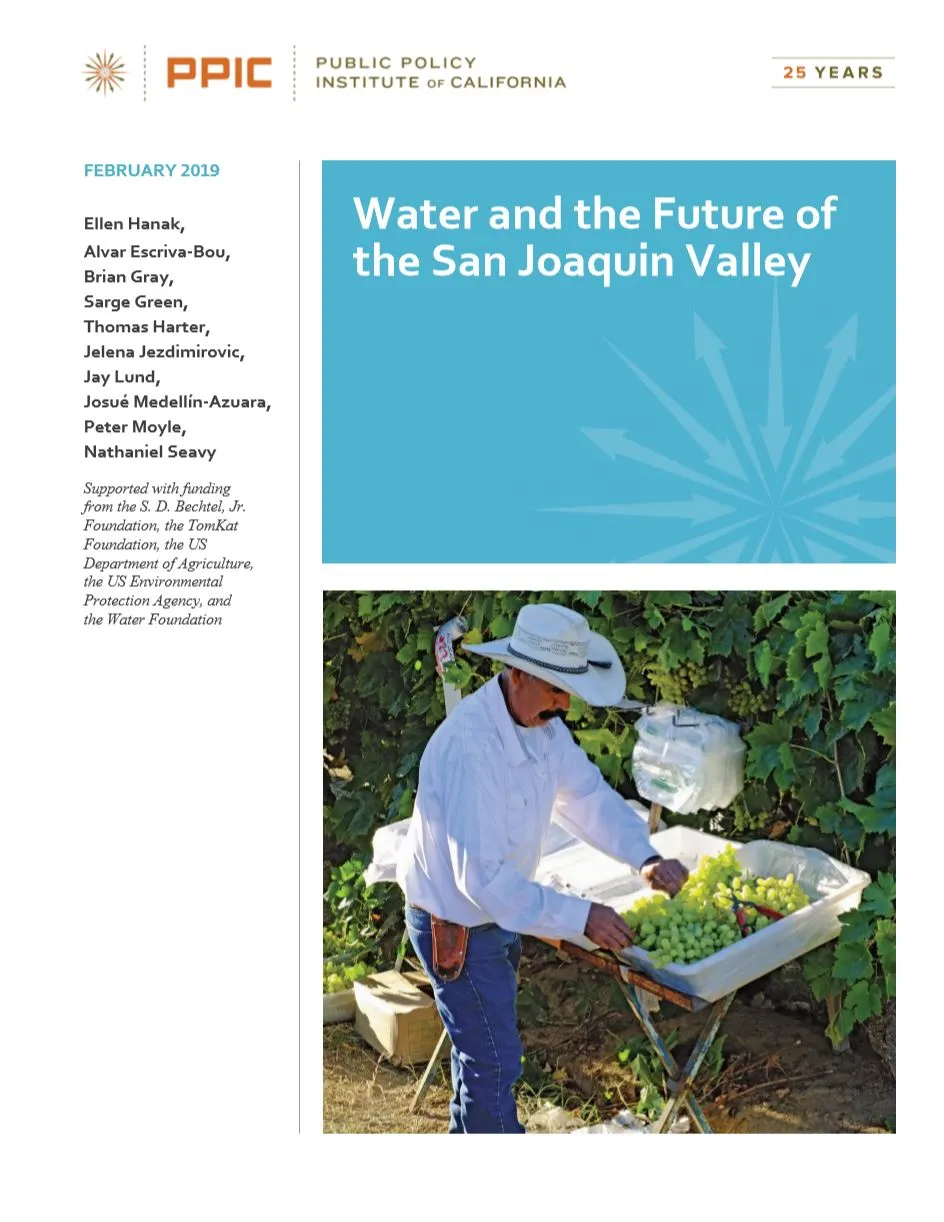
Image Reports Abandoning farmland to conserve water in California Over half a million acres of irrigated farmland may have to be permanently taken out of agricultural use in the San Joaquin valley in California in order to conserve groundwater, according to this report by the non-profit Public Policy Institute of California. The report suggests using the land for generating solar energy, restoring ecosystems or managing flood risk by restoring floodplains. Read
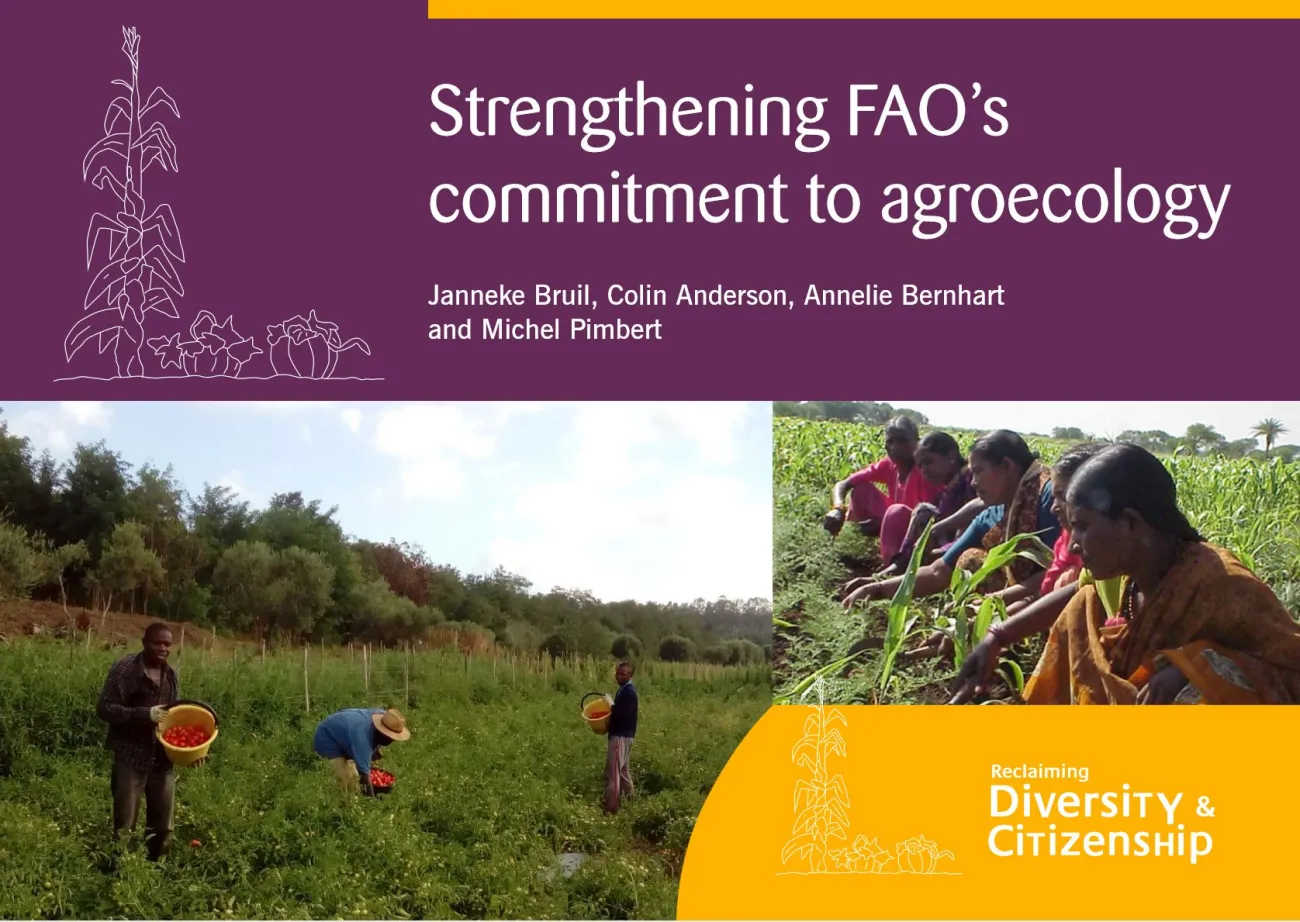
Image Reports Strengthening FAO’s commitment to agroecology This report from the Centre for Agroecology, Water and Resilience at Coventry University traces the work done on agroecology by the United Nations Food and Agriculture Organisation (FAO) and suggests how civil society, academics and other actors can encourage and strengthen this work. Read
Image Reports Implications for business and trade of a ‘No Deal’ Brexit The UK Government has released a summary of the likely impacts on business and trade if the UK leaves the European Union without a withdrawal agreement on 29 March 2019 (i.e. a ‘no deal’ Brexit). Several items are relevant to the food system. See also the draft of temporary rates of customs duty on imports that will apply to different goods in the event of a no deal Brexit. Read
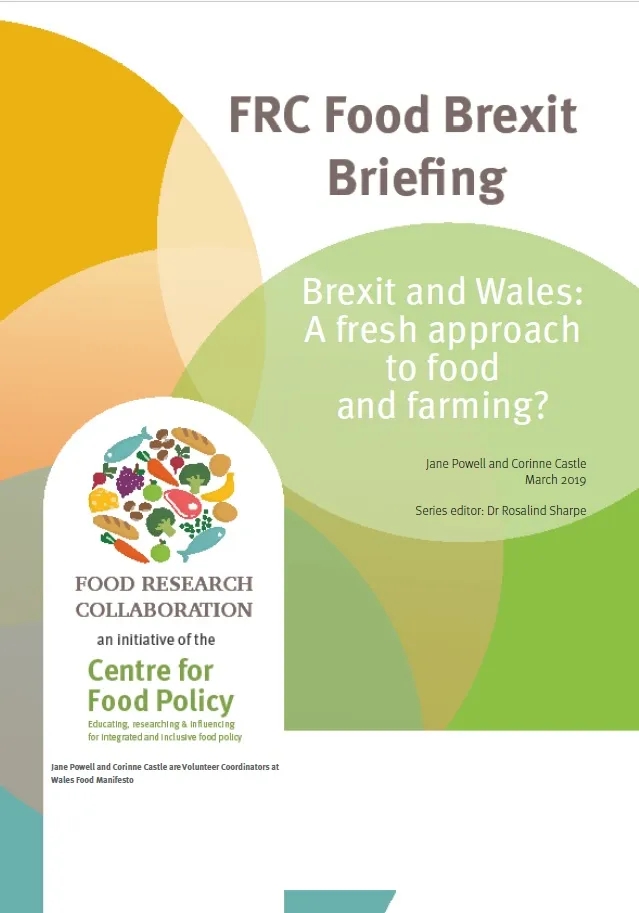
Image Reports Brexit and Wales: A fresh approach to food and farming? In this latest instalment of the Food Brexit Briefings series by the UK’s Food Research Collaboration, the authors argue that the UK’s upcoming departure from the European Union presents an opportunity for Wales to reform its food and farming system, making use of both grassroots food initiatives and new legislation. Read