Image Resources Our extensive research library contains thousands of summaries of journal articles, reports and news stories that can be searched by keyword and category RESOURCES CATEGORY Books Briefing paper Event recording Featured articles Featured report Game Journal articles News and resources Reports Think piece Video Working paper Workshop summary Year 2026 2025 2024 2023 2022 2021 2020 2019 2018 2017 2016 2015 2014 2013 2012 2011 2010 2009 2008 2007 2002 2001 Image Books Healthy and sustainable food systems This book, edited by Mark Lawrence and Sharon Friel, sets out ideas on health, sustainability and equity in food systems, discusses the current state of the food system and suggests how policymakers and practitioners can create healthy and sustainable food systems. Read Image Reports Are businesses delivering sustainable protein? Will Nicholson of the FCRN has contributed to this report on the future of protein by Forum for the Future. The report asks whether the food industry is taking sufficient action on providing sustainable, healthy protein. Read Image Reports Why end UK hunger? This report from charitable coalition End Hunger UK sets out the arguments for addressing the root causes of hunger in the UK from seven perspectives: morality, child welfare, health, secure income, human rights, politics and public opinion. Read Image Reports Insect declines and why they matter This report, commissioned by the Wildlife Trusts (a group of UK charities), summarises existing evidence on declines in insects, many types of which have substantially decreased in abundance since 1970 (see for example Worldwide decline of the entomofauna: A review of its drivers). It also explores the drivers of these declines and calls for an urgent halt to “all routine and unnecessary use of pesticides”. Read Image Reports Revitalising local economies: How food hubs can help This guidance note from the UK’s Food Research Collaboration sets out how “food hubs” - organisations that connect food growers directly to customers - can help to revitalise local economies. It is aimed at food entrepreneurs, funders, not-for-profit workers and policymakers. Read Image Reports Hot Food Takeaways: Planning healthier communities This report from UK NGO Sustain is a guide for both local and national policymakers. It argues that controlling hot food takeaway outlets (e.g. fish and chip shops, kebab shops, burger bars) through planning laws, e.g. by limiting the number of outlets near schools, can help to promote public health. Read Image Journal articles Satellite data doubles impacts of agricultural interventions This paper presents a study of wheat farmers in India. Low-cost data from small satellites helped to map the results of spreading fertiliser either by hand or with a new spreader device that allowed more even application of fertiliser. Read Image Journal articles Comment: Soil carbon science for policy and practice This commentary argues that there is scientific consensus on the need to build soil organic carbon because of benefits such as resistance to soil erosion, higher fertility and resilience to drought. The authors note that these benefits of building soil carbon are being obscured by high-profile disagreements on the separate question of whether or not building soil carbon may help to mitigate climate change. Read Image Featured articles Affordability of the EAT-Lancet reference diet According to this study, the diet recommended by the EAT-Lancet commission on grounds of health and sustainability is too expensive for around 1.6 billion people, mostly in sub-Saharan Africa and south Asia. The study is based on food prices and household incomes in 159 countries. Read VIEW MORE
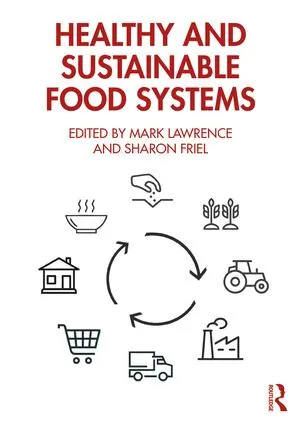
Image Books Healthy and sustainable food systems This book, edited by Mark Lawrence and Sharon Friel, sets out ideas on health, sustainability and equity in food systems, discusses the current state of the food system and suggests how policymakers and practitioners can create healthy and sustainable food systems. Read
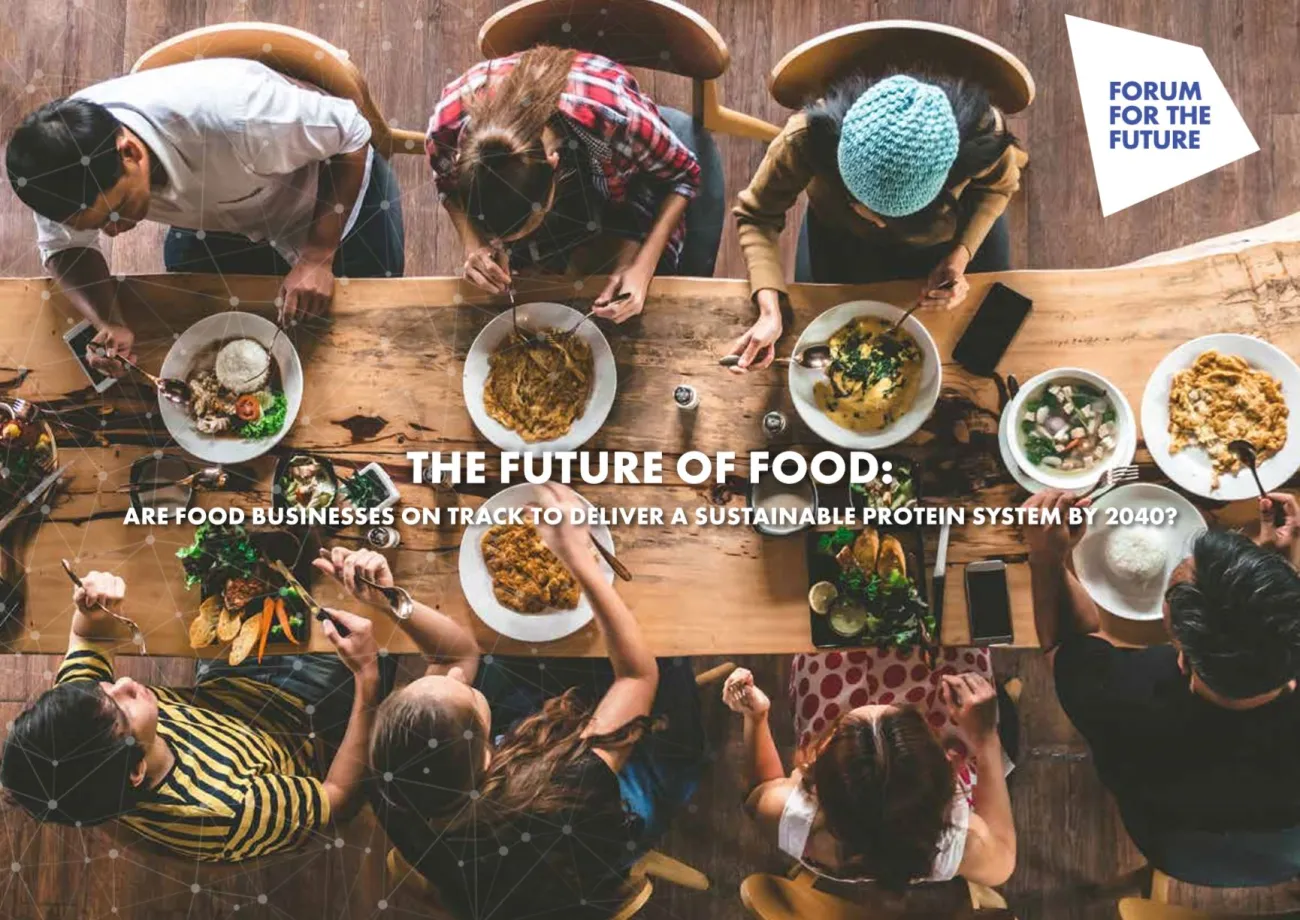
Image Reports Are businesses delivering sustainable protein? Will Nicholson of the FCRN has contributed to this report on the future of protein by Forum for the Future. The report asks whether the food industry is taking sufficient action on providing sustainable, healthy protein. Read
Image Reports Why end UK hunger? This report from charitable coalition End Hunger UK sets out the arguments for addressing the root causes of hunger in the UK from seven perspectives: morality, child welfare, health, secure income, human rights, politics and public opinion. Read
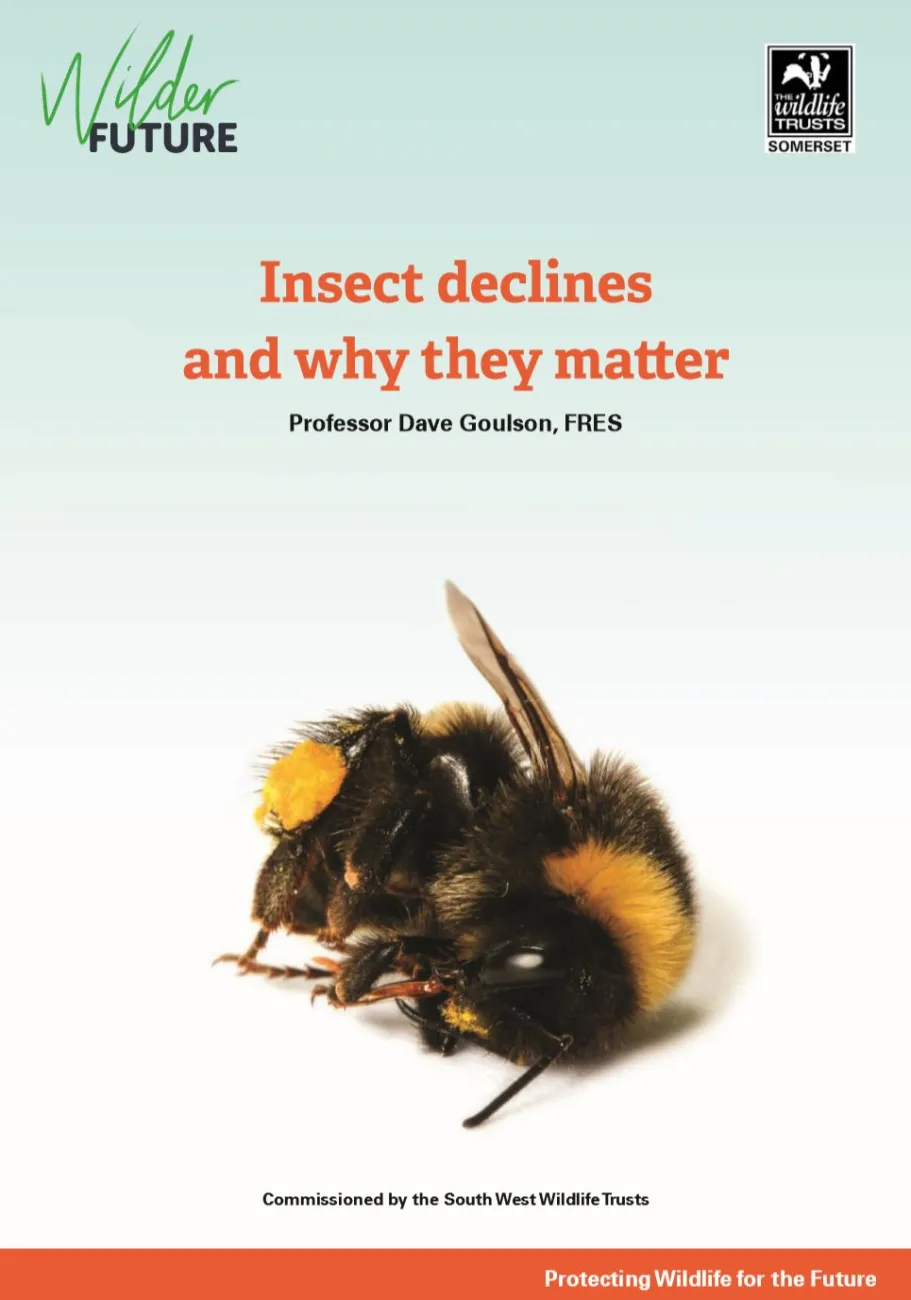
Image Reports Insect declines and why they matter This report, commissioned by the Wildlife Trusts (a group of UK charities), summarises existing evidence on declines in insects, many types of which have substantially decreased in abundance since 1970 (see for example Worldwide decline of the entomofauna: A review of its drivers). It also explores the drivers of these declines and calls for an urgent halt to “all routine and unnecessary use of pesticides”. Read
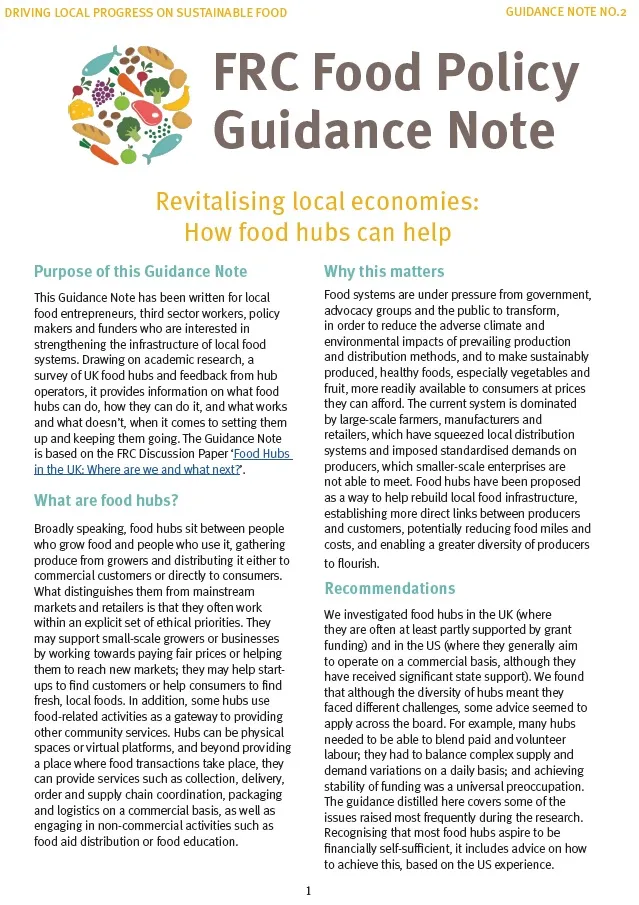
Image Reports Revitalising local economies: How food hubs can help This guidance note from the UK’s Food Research Collaboration sets out how “food hubs” - organisations that connect food growers directly to customers - can help to revitalise local economies. It is aimed at food entrepreneurs, funders, not-for-profit workers and policymakers. Read
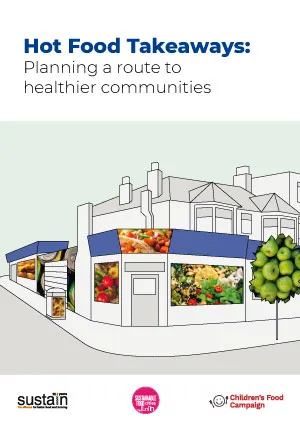
Image Reports Hot Food Takeaways: Planning healthier communities This report from UK NGO Sustain is a guide for both local and national policymakers. It argues that controlling hot food takeaway outlets (e.g. fish and chip shops, kebab shops, burger bars) through planning laws, e.g. by limiting the number of outlets near schools, can help to promote public health. Read
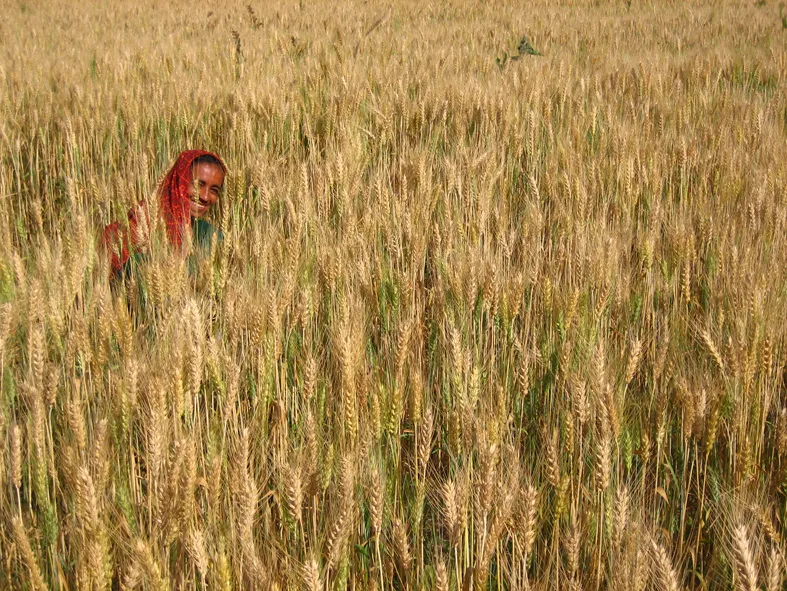
Image Journal articles Satellite data doubles impacts of agricultural interventions This paper presents a study of wheat farmers in India. Low-cost data from small satellites helped to map the results of spreading fertiliser either by hand or with a new spreader device that allowed more even application of fertiliser. Read
Image Journal articles Comment: Soil carbon science for policy and practice This commentary argues that there is scientific consensus on the need to build soil organic carbon because of benefits such as resistance to soil erosion, higher fertility and resilience to drought. The authors note that these benefits of building soil carbon are being obscured by high-profile disagreements on the separate question of whether or not building soil carbon may help to mitigate climate change. Read
Image Featured articles Affordability of the EAT-Lancet reference diet According to this study, the diet recommended by the EAT-Lancet commission on grounds of health and sustainability is too expensive for around 1.6 billion people, mostly in sub-Saharan Africa and south Asia. The study is based on food prices and household incomes in 159 countries. Read