Image Resources Our extensive research library contains thousands of summaries of journal articles, reports and news stories that can be searched by keyword and category RESOURCES CATEGORY Books Briefing paper Event recording Featured articles Featured report Game Journal articles News and resources Reports Think piece Video Working paper Workshop summary Year 2026 2025 2024 2023 2022 2021 2020 2019 2018 2017 2016 2015 2014 2013 2012 2011 2010 2009 2008 2007 2002 2001 Image Books Hunger: The oldest problem This book explores why hunger is still a problem in the modern world, including case studies from Niger, Northern India, Argentina and Chicago. Read Image Books Food justice and narrative ethics This book shows how stories about the food system can be framed in different ways, and how people are affected by how stories are told about them. The book focuses on food insecurity, farm labour and obesity. Read Image Reports Livestock drugs can contaminate feed and food This report from the Food and Agriculture Organisation of the United Nations and the World Health Organisation examines how traces of veterinary drugs can pass through the food supply chain and affect either non-target animals or people who eat contaminated meat, eggs or milk. Read Image Reports A Menu for Change: Promoting sustainable diets This report from the Behavioural Insights Team, a global social purpose company, outlines 12 strategies for governments, retailers, producers, restaurants, campaigners and consumers to promote sustainable diets. Read Image Reports Incentivising food systems transformation This report, by the global NGO World Economic Forum and the management consultancy McKinsey & Company, sets out four pathways by which food systems stakeholders can be encouraged to bring about a transformation in food production, supply chains and diets. Read Image Reports Supermarket antibiotics policies assessment This report by the European Alliance to Save Our Antibiotics assesses the antibiotics policies of ten leading British supermarkets. It finds that six out of the ten supermarkets ban their suppliers from routinely using antibiotics, with Waitrose having the most comprehensive antibiotic policies. Read Image Journal articles One weed’s herbicide resistance costs England £0.4 billion This paper quantifies the economic impact of herbicide resistance developed by the weed Alopecurus myosuroides (black-grass). It finds that the annual cost of this resistance is £0.4 billion each year in England, based on lost profit from lower crop yields. The global cost of herbicide resistance could be much higher, as there are 253 known herbicide-resistant weeds. Read Image Journal articles Mobile protected areas for biodiversity on the high seas This paper argues that international measures to protect marine biodiversity should include protected areas that can move over space and time to adapt to the changing ranges of certain species, whether because the species in question are migratory, or because their ranges are changing because of climate change. Read Image Featured articles Conservation tillage can slightly increase yields This paper used satellites to observe the effect on yield of conservation tillage practices, such as reducing soil disturbance and leaving crop residues in the field, in the United States Corn Belt. The researchers found that long-term conservation tillage (i.e. from 2008 to 2017) was associated with a 3.3% increase in maize yields and a 0.74% yield increase for soybeans. Read VIEW MORE
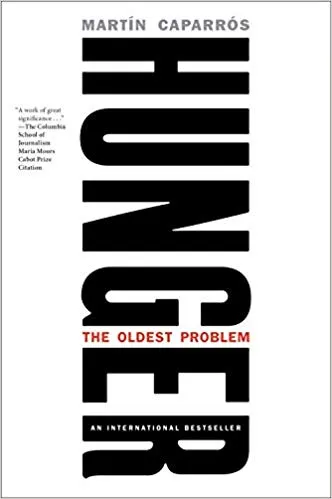
Image Books Hunger: The oldest problem This book explores why hunger is still a problem in the modern world, including case studies from Niger, Northern India, Argentina and Chicago. Read
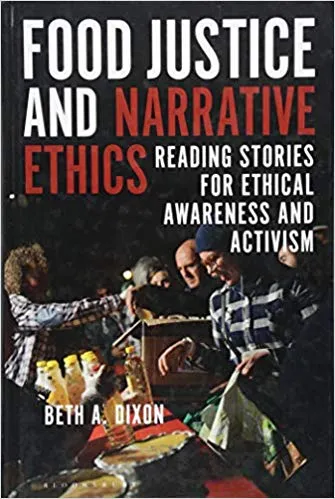
Image Books Food justice and narrative ethics This book shows how stories about the food system can be framed in different ways, and how people are affected by how stories are told about them. The book focuses on food insecurity, farm labour and obesity. Read
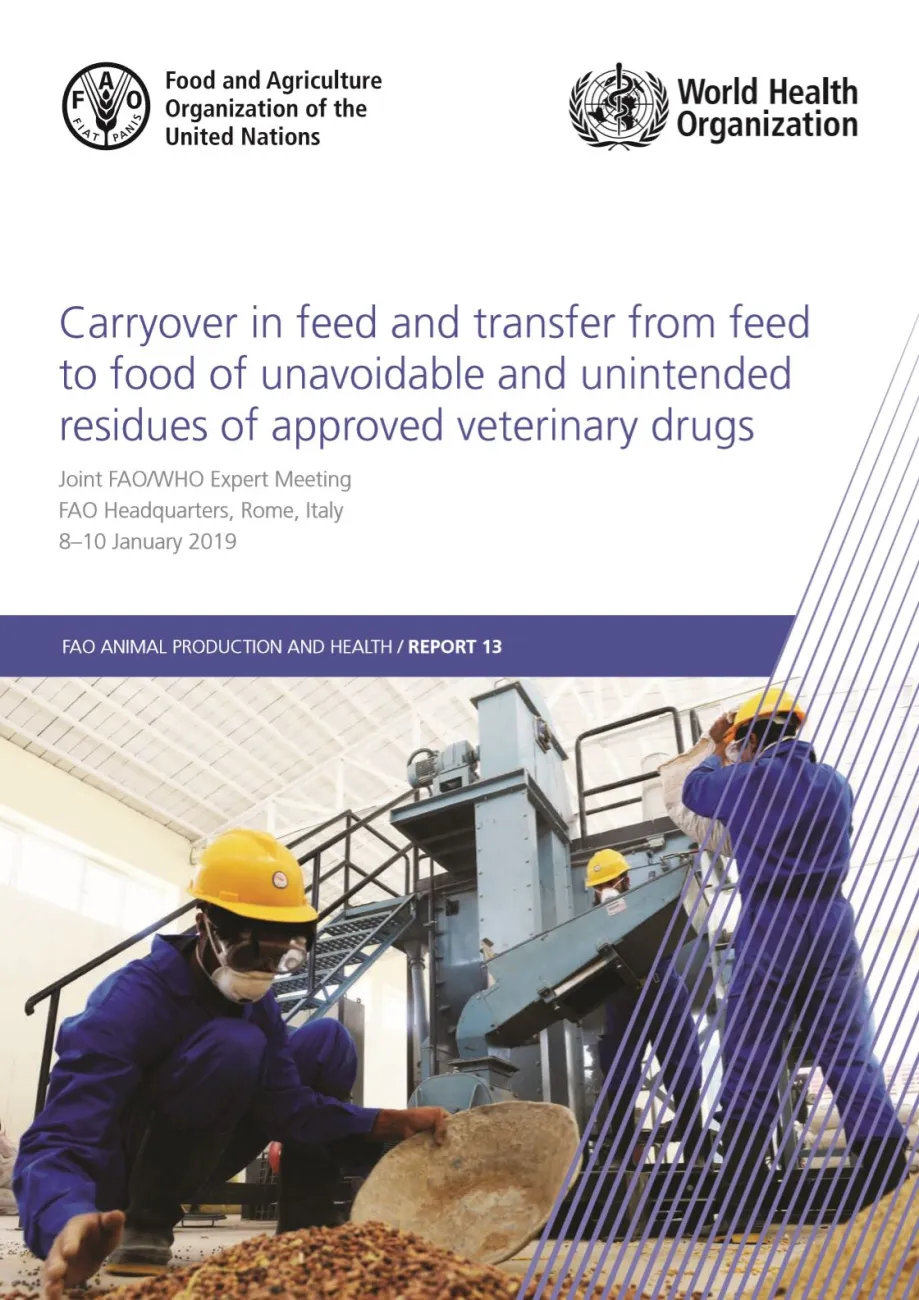
Image Reports Livestock drugs can contaminate feed and food This report from the Food and Agriculture Organisation of the United Nations and the World Health Organisation examines how traces of veterinary drugs can pass through the food supply chain and affect either non-target animals or people who eat contaminated meat, eggs or milk. Read
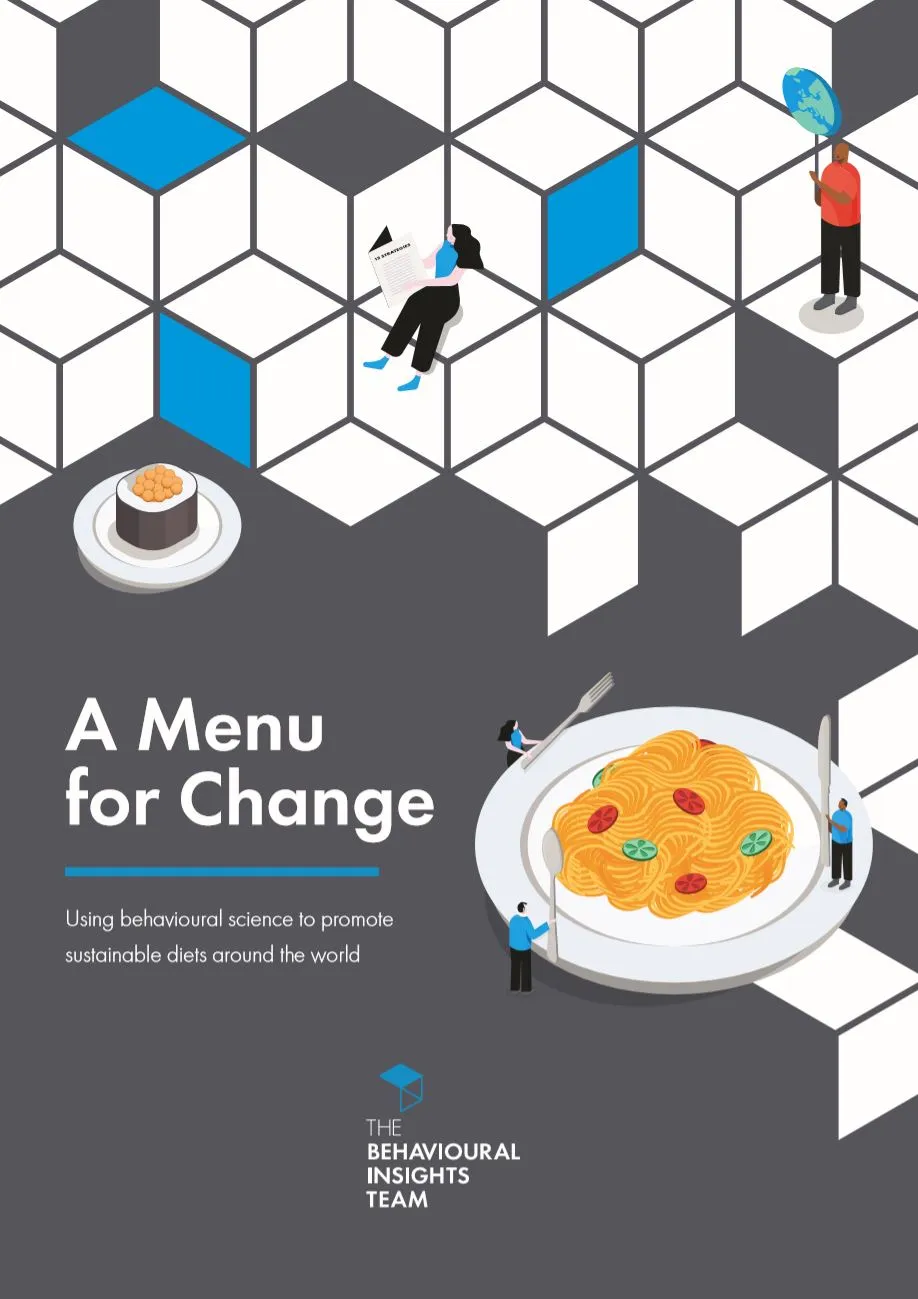
Image Reports A Menu for Change: Promoting sustainable diets This report from the Behavioural Insights Team, a global social purpose company, outlines 12 strategies for governments, retailers, producers, restaurants, campaigners and consumers to promote sustainable diets. Read
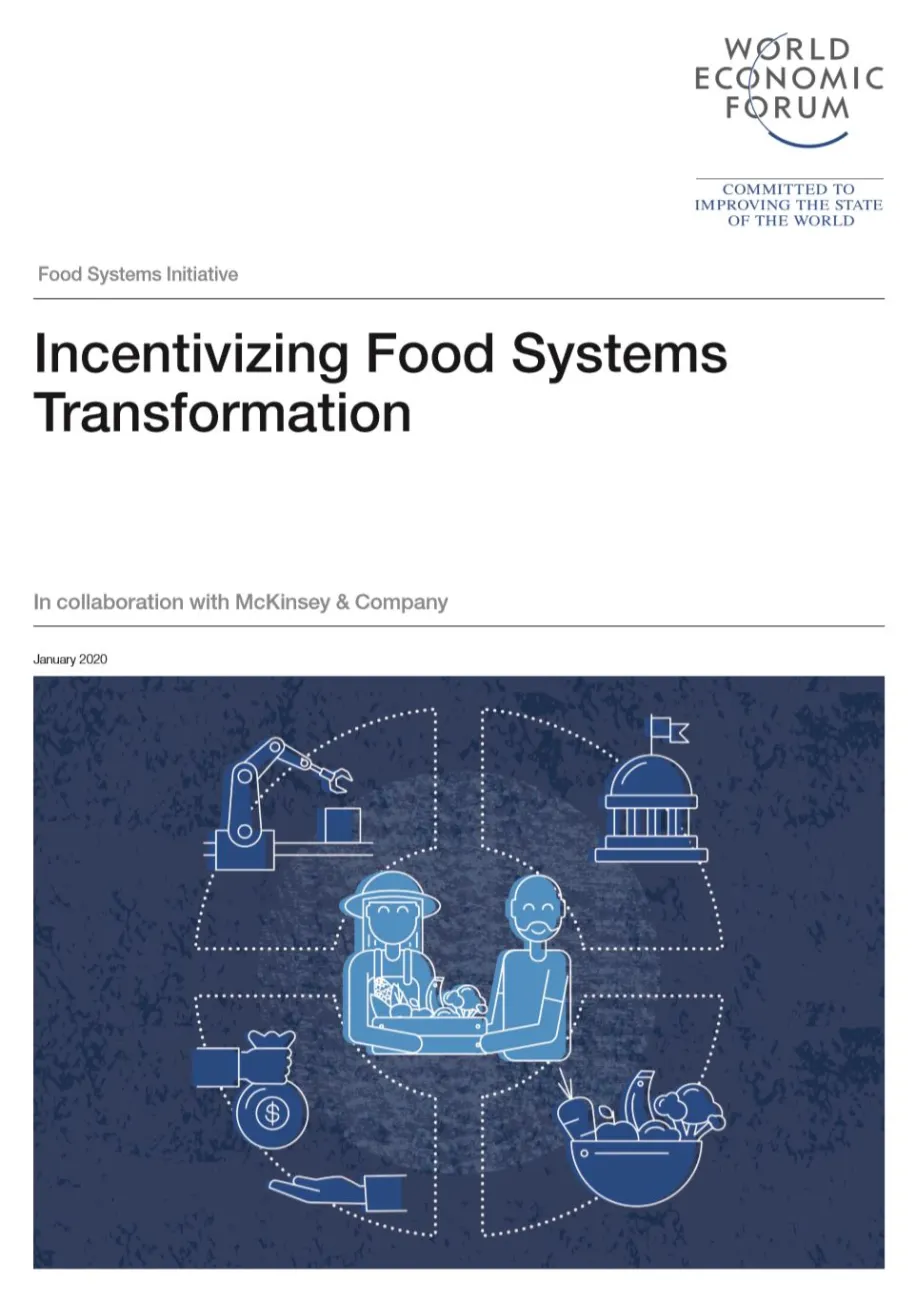
Image Reports Incentivising food systems transformation This report, by the global NGO World Economic Forum and the management consultancy McKinsey & Company, sets out four pathways by which food systems stakeholders can be encouraged to bring about a transformation in food production, supply chains and diets. Read
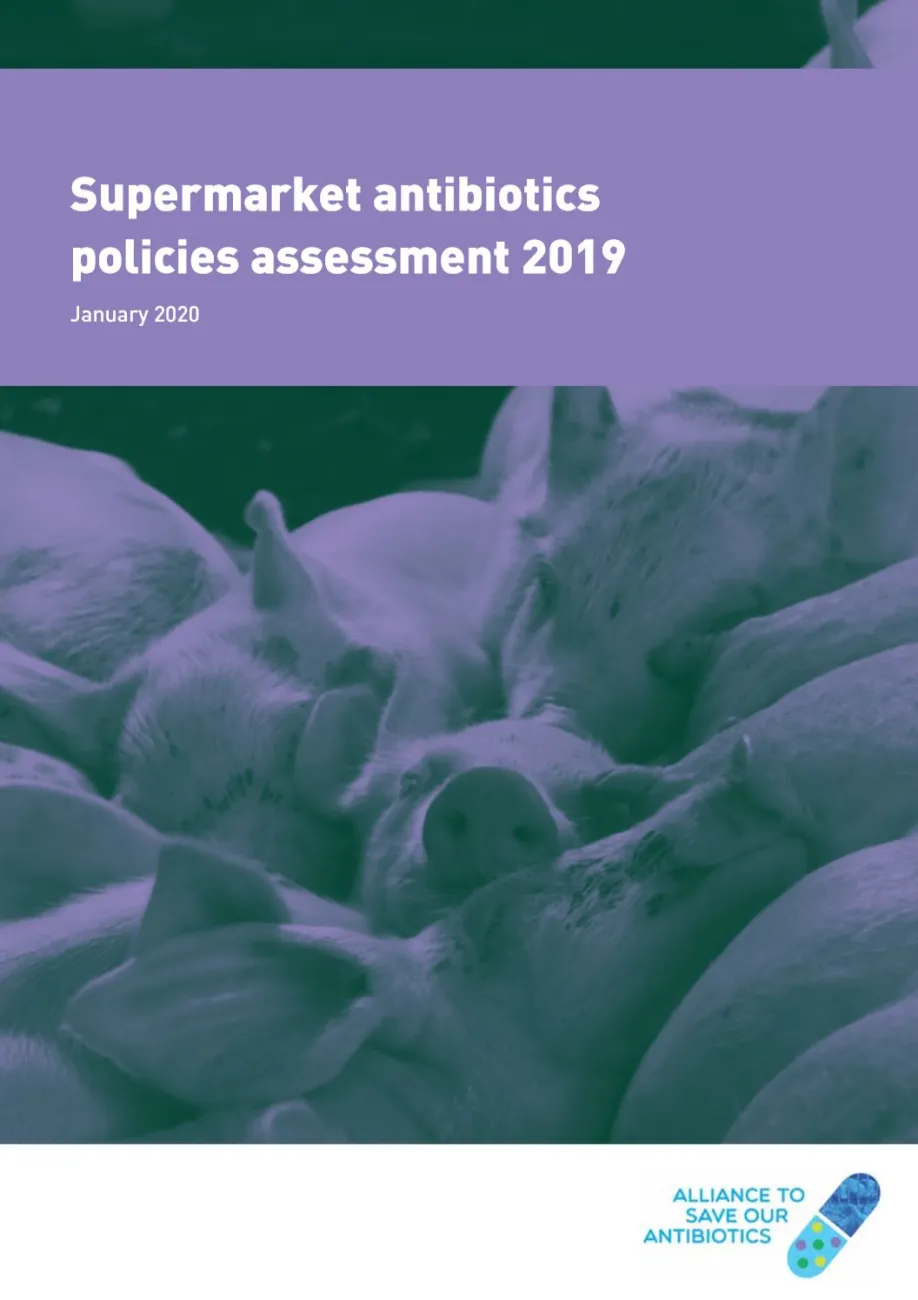
Image Reports Supermarket antibiotics policies assessment This report by the European Alliance to Save Our Antibiotics assesses the antibiotics policies of ten leading British supermarkets. It finds that six out of the ten supermarkets ban their suppliers from routinely using antibiotics, with Waitrose having the most comprehensive antibiotic policies. Read
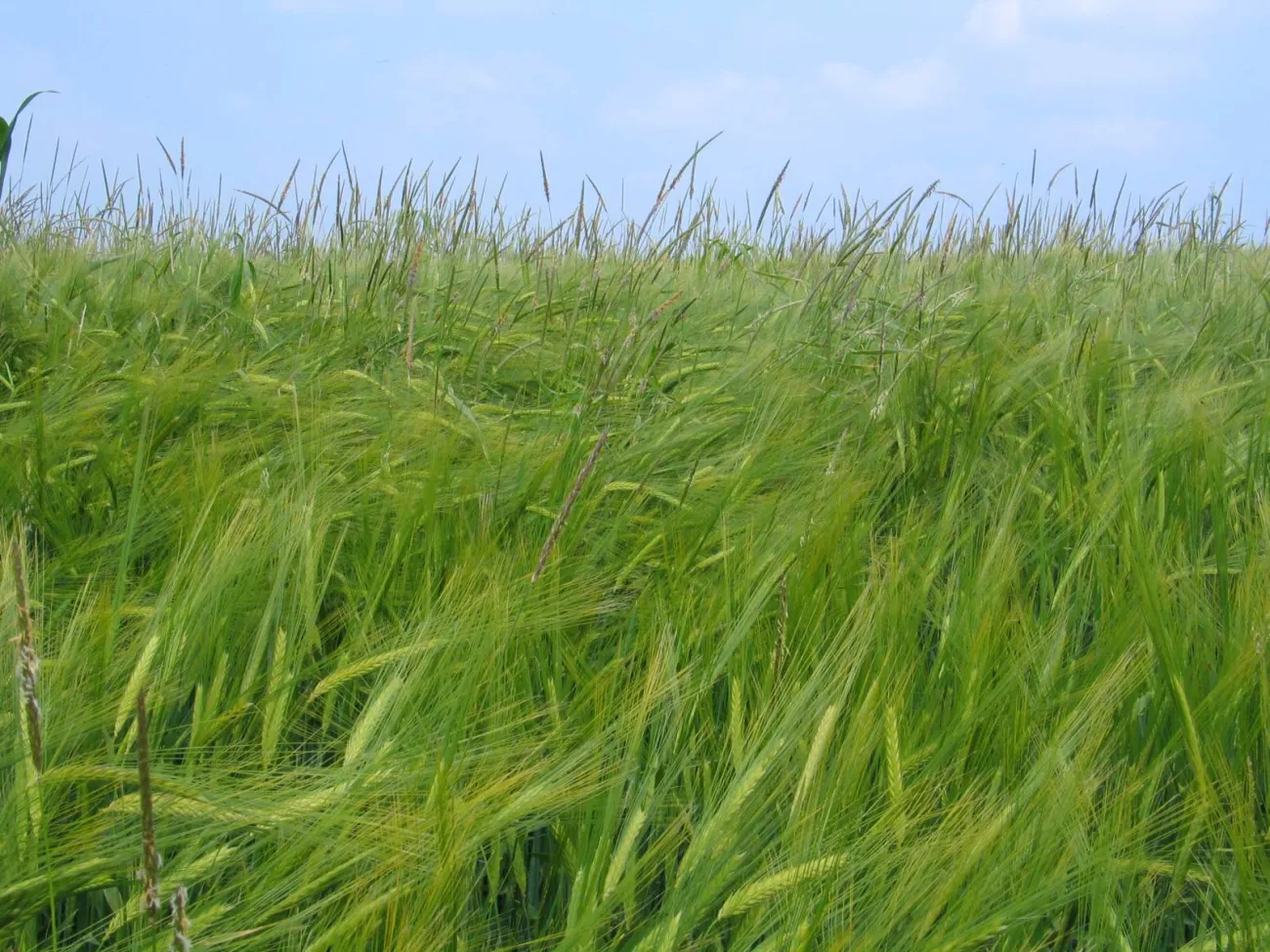
Image Journal articles One weed’s herbicide resistance costs England £0.4 billion This paper quantifies the economic impact of herbicide resistance developed by the weed Alopecurus myosuroides (black-grass). It finds that the annual cost of this resistance is £0.4 billion each year in England, based on lost profit from lower crop yields. The global cost of herbicide resistance could be much higher, as there are 253 known herbicide-resistant weeds. Read
Image Journal articles Mobile protected areas for biodiversity on the high seas This paper argues that international measures to protect marine biodiversity should include protected areas that can move over space and time to adapt to the changing ranges of certain species, whether because the species in question are migratory, or because their ranges are changing because of climate change. Read
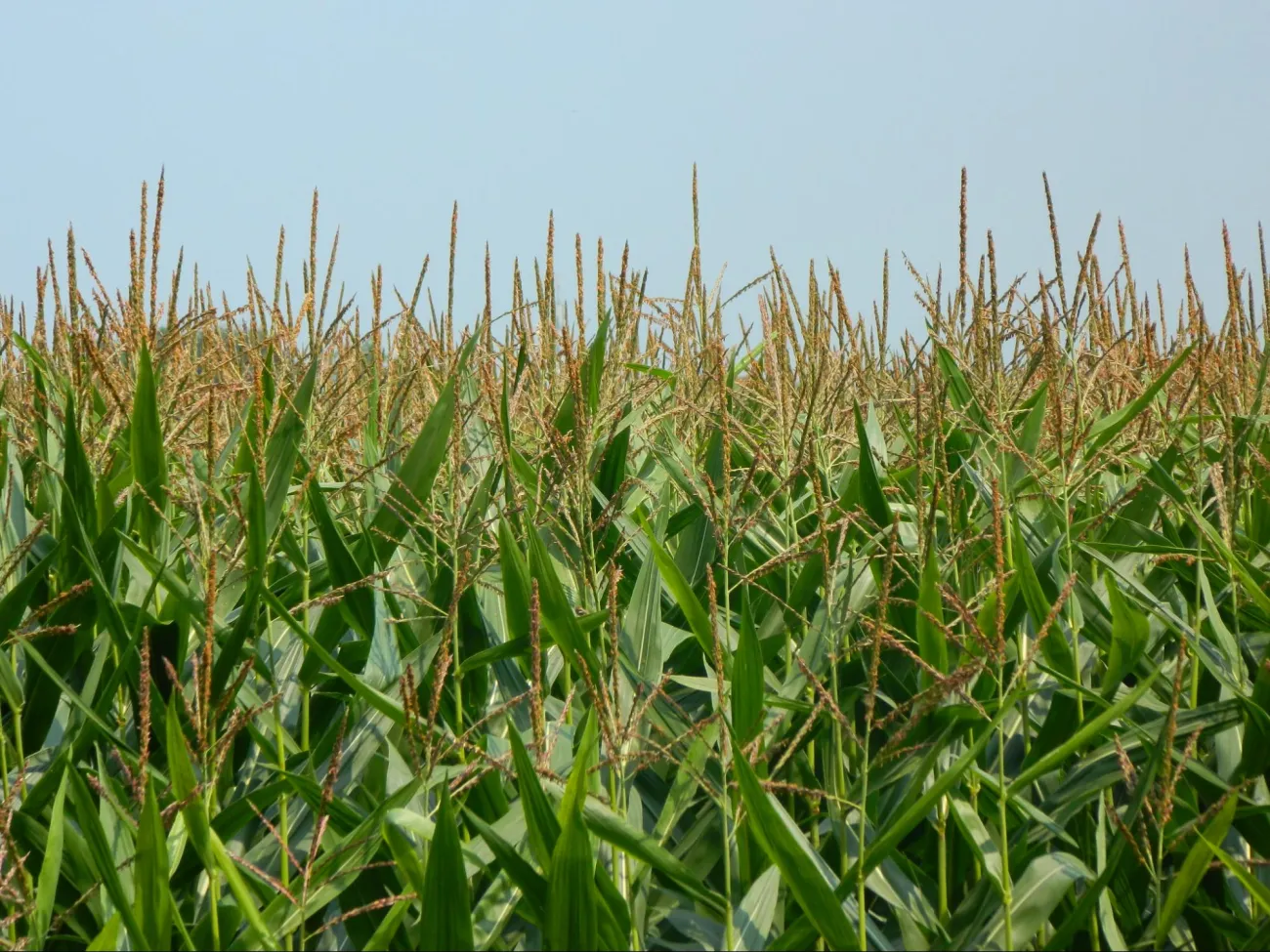
Image Featured articles Conservation tillage can slightly increase yields This paper used satellites to observe the effect on yield of conservation tillage practices, such as reducing soil disturbance and leaving crop residues in the field, in the United States Corn Belt. The researchers found that long-term conservation tillage (i.e. from 2008 to 2017) was associated with a 3.3% increase in maize yields and a 0.74% yield increase for soybeans. Read